From Quito to Quito · South America & Antarctica · 11 nights
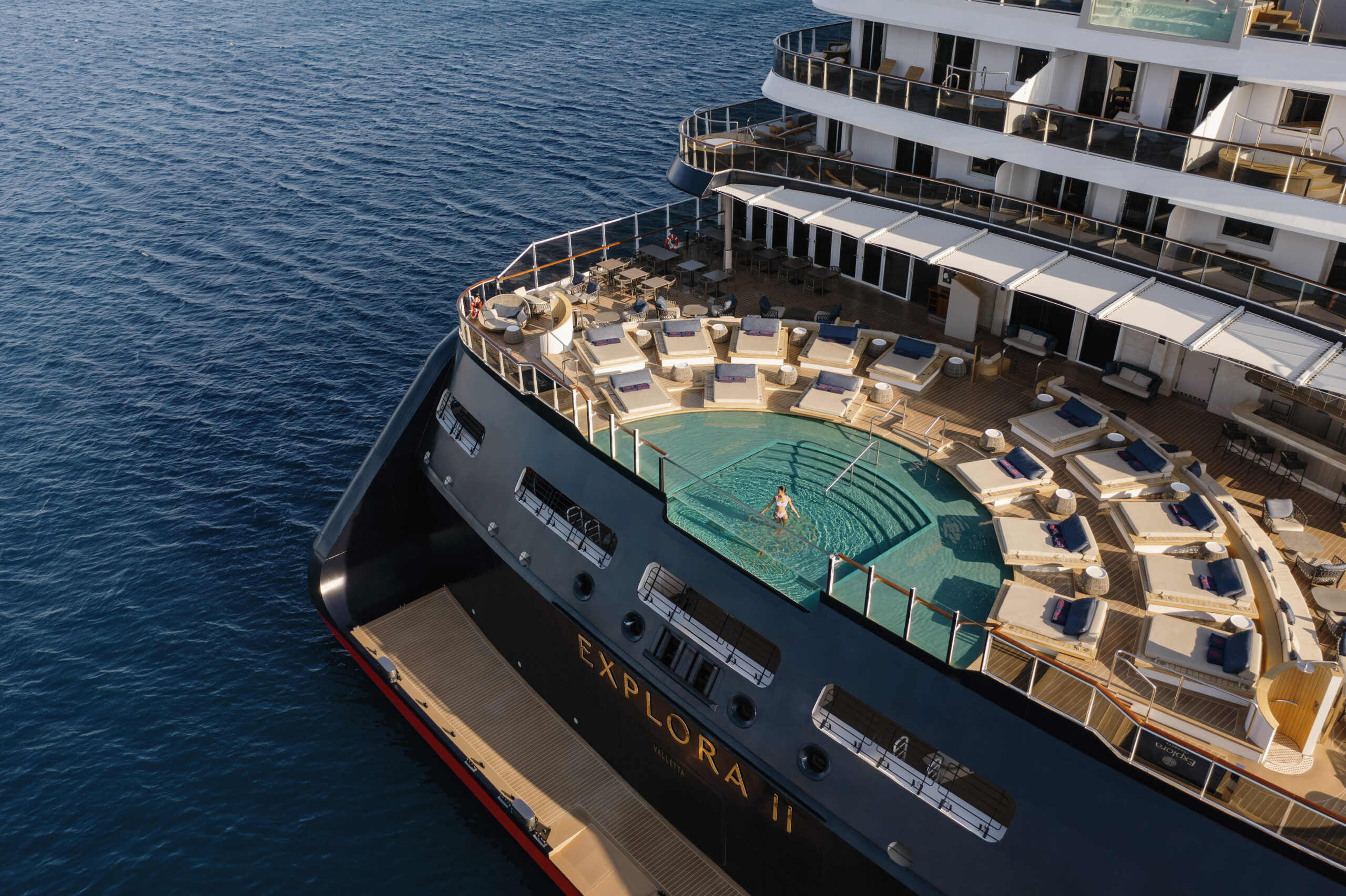
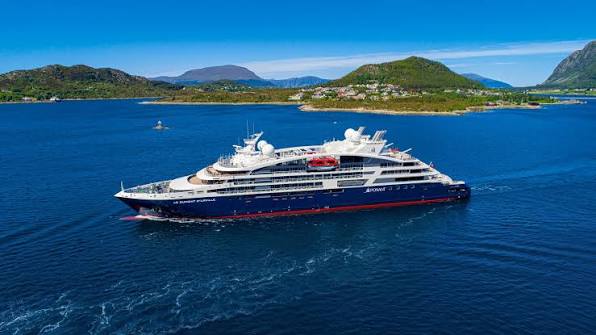
Silversea’s stunning Silver Origin is the most luxurious ship in the Galapagos, purpose-built for this unique environment.
The intimate 100-guest Silver Origin gives you a supremely
comfortable home from home, as you explore the varied islands of
the Galapagos by zodiac and kayak. Learn more about the
archipelago’s flora and fauna at the Basecamp, with its amazing
interactive wall, socialise over cocktails at the Explorer Lounge,
and cosy up around the outdoor firepit after dinner.
Fly to Quito where you will be met at the airport and transferred to your included hotel for a two-night stay. Following your time here, transfer to the airport for your flight to San Cristóbal Island in the Galápagos where you will board SIlver Origin and begin your expedition.
San Cristóbal is the most easterly of the Galapagos islands, home to the provincial capital and second largest human settlement in the archipelago, Puerto Baquerizo Moreno. The fantastic wildlife includes fur seals, boobies and the endangered Chatham frigatebird.
The iconic twin lava towers of Kicker Rock sit just off the coast of San Cristóbal, and if you’re lucky with the weather you’ll be treated to a spectacular sunset here. The island is known as Roca León Dormido in Spanish, as the rocks resemble a sleeping lion when viewed from the south.
At El Barranco, also known as Prince Philip’s Steps after the Duke’s visit in 1964, you’ll ascend the lava rock cliffs to a plateau where Genovesa’s amazing birdlife comes to the fore. Look out for species including storm petrels, Nazca and red-footed boobies, magnificent frigatebirds and short-eared owls.
The horseshoe-shaped island of Genovesa, located in the northeast of the Galapagos archipelago, is best known for its abundant bird life. Red-footed boobies can be found in significant numbers here, along with storm petrels, frigatebirds, mockingbirds and short-eared owls.
North Seymour island, named after the English nobleman Lord Hugh Seymour, is home to some of the biggest sea bird breeding colonies in the Galapagos. This is one of the best places to see the magnificent frigatebirds, along with blue-footed boobies and land iguanas.
The otherworldly lava fields of Sullivan Bay are formed from rope-like lava known as pahoehoe, and date back to an eruption in 1897. Vivid red Sally Lightfoot crabs are a common sight scuttling across the black rocks, and the bay is home to a very small colony of Galapagos penguins.
Los Gemelos, the ‘twins’, are two huge sinkholes up in the lush highlands of Santa Cruz island. Birds including Darwin finches and mockingbirds can be spotted amongst the foliage, and the nearby Rancho El Manzanillo is the best place on the island to see giant tortoises in the wild.
Puerto Ayora is the largest town in the Galapagos, on the south coast of Santa Cruz island. From here you can visit the lush highlands where giant tortoises roam free, and you can learn more about tortoise conservation at the Charles Darwin Research Station.
The beautiful white sand beach of Gardner Bay is situated on the north coast of Española, one of the oldest islands in the Galapagos archipelago. Just offshore is Gardner Islet, a great snorkelling spot where you can see sea lions, green turtles and (if you're lucky) reef sharks and rays.
Española is the most southerly island in the Galapagos, and the remote location means it's home to several endemic species, including the Española lava lizard and the Española mockingbird. The island is also famous as the breeding ground for waved albatrosses, but the birds are absent between January and March.
San Cristóbal is the most easterly of the Galapagos islands, home to the provincial capital and second largest human settlement in the archipelago, Puerto Baquerizo Moreno. The fantastic wildlife includes fur seals, boobies and the endangered Chatham frigatebird.
San Cristóbal is the most easterly of the Galapagos islands, home to the provincial capital and second largest human settlement in the archipelago, Puerto Baquerizo Moreno. The fantastic wildlife includes fur seals, boobies and the endangered Chatham frigatebird.
Disembark your expedition in San Cristóbal and join your charter flight to Quito. Here, you will enjoy an overnight hotel stay at the Hilton Colon Quito, including breakfast. The following day, transfer to the airport for your flight back to the UK.