From Reykjavik to Reykjavik · Northern Europe · 10 nights
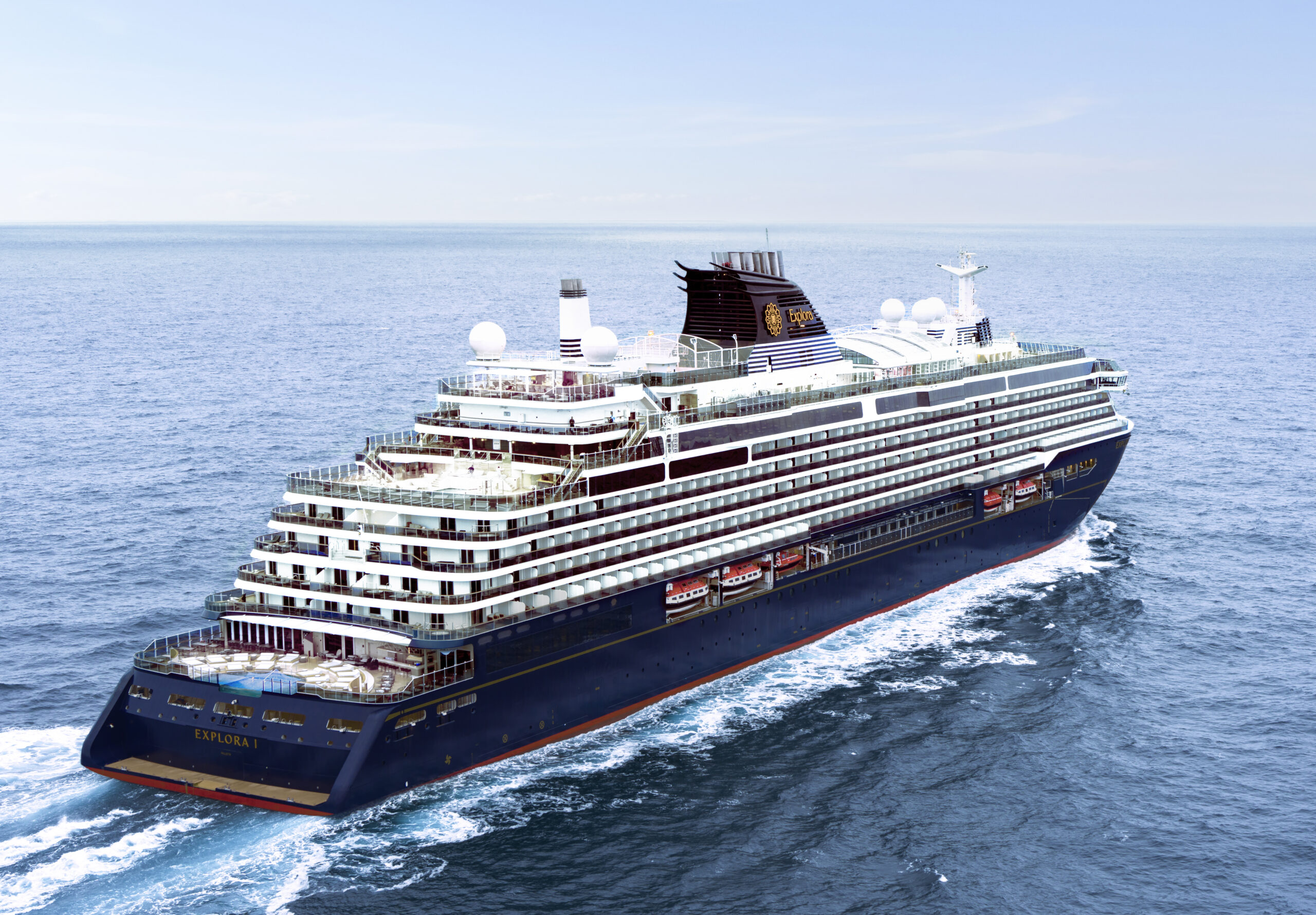
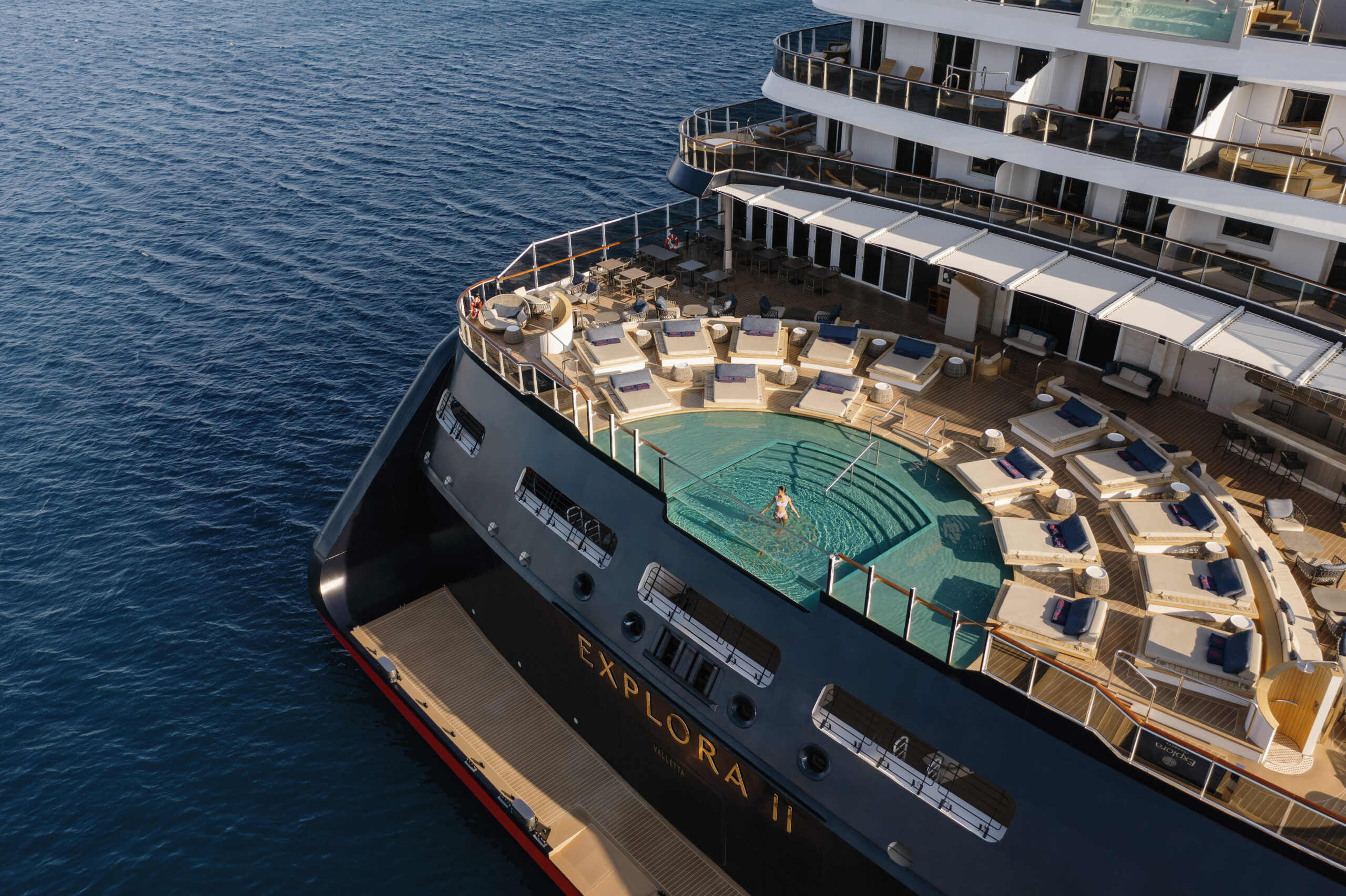
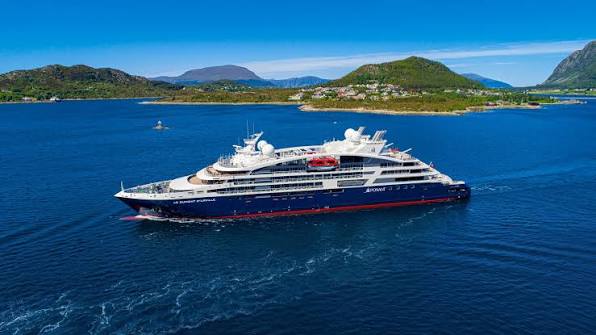
Small enough to operate fascinating port-intensive itineraries, but with the space for dining options, comfortable accommodation and more, sister ships Insignia, Nautica, Regatta and Sirena are for many the perfect size.
These four boutique style sister ships carry just 684 guests
apiece, with a comfortable, relaxed country house style and plenty
of intimate corners. We love the alternative restaurants – Oceania
is rightly renowned for great food – and the pretty little library
up on deck 10.
Capital of Iceland and gateway to this extraordinary volcanic island, modern Reykjavik is home to an impressive collection of interesting attractions and places of historic significance. Visit the impressive Hallgrímskirkja church, relax in a thermal pool, potter around the old harbour, and with 24 hour daylight in the summer months, you can play golf at midnight, or choose the perfect place to view the midnight sun such as the lighthouse at Grotta or on the waterfront by Sólfar - the Sun Voyager sculpture. If you're like us, you will find travelling out of Reykjavik by land or sea to be unforgettable.
Heimaey is the largest of the Westman Islands, just off the south west coast of the Icelandic mainland. The jagged landscape is a reminder of the island’s volcanic origins; the most recent eruption, back in 1973, created the volcano now known as Eldfell, which looms over the island.
Tórshavn, named after the Norse god Thor, is one of the world’s smallest capitals, with a population of just 20,000. The brightly coloured facades and turfed roofs lend the harbour an attractive, storybook quality, and the narrow streets are home to some atmospheric pubs and cafés.
Djúpivogur is a little fishing village on the east coast of Iceland, at the mouth of a steep fjord, and has recently joined the ‘slow city’ movement, the first place in Iceland to do so. A popular excursion is the boat trip across to Papey island, where you’ll find thousands of seabirds and Iceland’s oldest wooden church
This little fishing village enjoys a fine setting amongst Iceland’s Eastfjords, looking out across the water towards the dramatic Hólmatindur mountain. Life here has always been shaped by the sea, and you can learn more about Eskifjörður’s history at the interesting Maritime Museum.
Akureyri is Iceland’s second city, though with just 18,000 inhabitants it’s really more of a small town. Situated on the north coast at the head of Iceland’s largest fjord, it’s a cute and quirky place that also serves as a base from which to explore the bubbling mud pools and lunar landscapes around Lake Mývatn.
Ísafjörður is the largest town in Iceland’s wild Westfjords, dramatically located on a spit of sand hemmed in by mountains on three sides. The town itself is fairly low key, and the main attraction is exploring the surrounding landscapes, such as the spectacular Hornstrandir Peninsula.
The little fishing town of Grundarfjörður enjoys a picturesque setting on the Snæfellsnes Peninsula, surrounded by dramatic volcanic peaks and gushing waterfalls. The nearby Snæfellsjökull volcano, capped by a glacier, was made famous by Jules Verne in ‘Journey to the Centre of the Earth’.
Capital of Iceland and gateway to this extraordinary volcanic island, modern Reykjavík is home to an impressive collection of interesting attractions and places of historic significance. Visit the impressive Hallgrímskirkja church, relax in a thermal pool, potter around the old harbour, and enjoy 24 hour daylight in the summer months.