From Valparaíso to Miami · South America & Antarctica · 58 nights
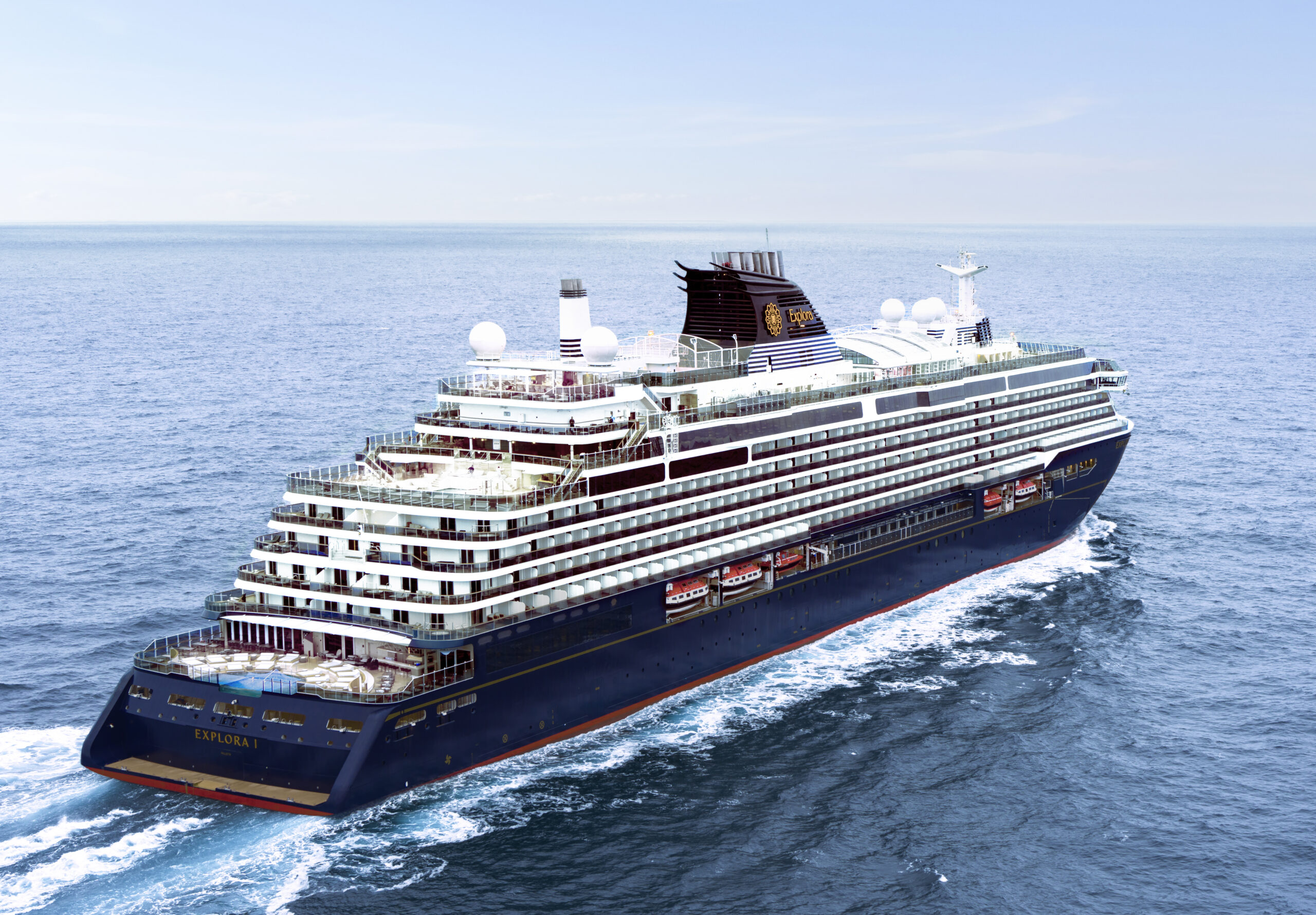
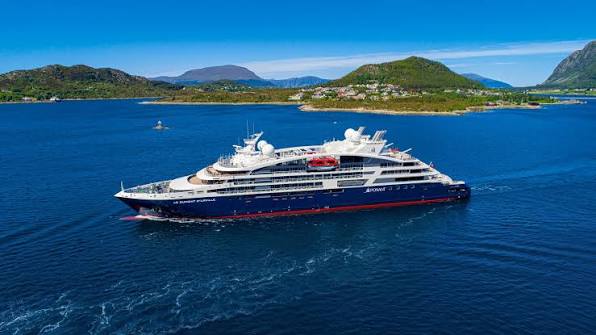
Azamara Journey, Quest, Pursuit and Onward are excellent small ships that offer a welcoming and relaxed club-like atmosphere.
Azamara’s fleet of small ships are focused on providing
destination immersion by spending as much time in port as possible
with itineraries designed to include overnight stays and late
evening departures. Enjoy more time to discover the local culture
and when back on board relax and enjoy a vibrant array of
inclusions.
Characterful, colourful and a little chaotic, the port city of Valparaíso enjoys a somewhat awkward setting, scattered across 45 vertiginous hills. Thanks to this difficult topography the city streets are punctuated by steep staircases and funicular elevators, and energetic explorers will be rewarded with wonderful views of the pastel hued buildings that hug the slopes. Valparaíso's most famous former resident was the great Chilean poet Pablo Neruda, and you can visit one of his former residences, La Sebastiana, which now houses a small museum.
Puerto Montt is the capital of the Chilean Lake District, spread out around a wide bay against a backdrop of snow-capped volcanoes. This wild region offers a host of outdoor activities, including mountain hikes, kayaking, white water rafting, fishing, zip lining and cycling.
Rugged and unspoilt Chiloé, situated at the southern end of Chile’s Lake District, is a unique and culturally distinct island that stands apart from the rest of the country. The main town, Castro, is notable for its colourful waterfront homes on stilts (known as palafitos), and is the gateway to the dense forests and rolling hills of the island interior.
Puerto Chacabuco is situated close to the Aysén Fjord and serves as a gateway to the Laguna San Rafael National Park, a UNESCO Biosphere Reserve. Amongst the lush forests, waterfalls and lagoons you have the chance to spot wildlife including marine otters, giant condors and Chilean dolphins.
The weather-beaten city of Punta Arenas is a laid back and welcoming place, in spite of its inhospitable location on the shores of the Strait of Magellan. Nearby attractions include penguin colonies and the dramatic scenery of Torres del Paine National Park, while beyond the horizon lie the frozen wastes of Antarctica.
Perched on the ragged southern edge of Argentina, where the snow-capped Andes fall away into the churning sea, Ushuaia has a frontier town feel to it, and serves as the base for expeditions into the icy waters of Antarctica.
The rugged and windswept Falkland Islands make for a fascinating stop on the way to or from Antarctica. Over 80% of the population lives in the capital, Stanley, though humans are far outnumbered by other creatures, including penguins, sea lions and albatrosses.
The upmarket Uruguayan beach resort of Punta del Este is where the A-listers come to party, with a reputation as the Saint Tropez of South America. The town also has an arty side, typified by intriguing sculptures such as the giant concrete fingers emerging from the beach at Playa Brava.
Located just across the Río de la Plata from Buenos Aires, Uruguay’s underrated capital is a cosmopolitan and eclectic mix of colourful colonial architecture and high rise modernity. The 14-mile waterfront promenade, La Rambla, is a popular and pleasant place to be on a summer’s evening.
The streets of Buenos Aires are redolent of a grand old European capital, lined with elegant architecture that wouldn’t look out of place in Madrid or Paris. There is also plenty of Latin passion on display: Argentina is the home of tango, that most electrifying of dances, and has played host to countless revolutions over the years.
Located just across the Río de la Plata from Buenos Aires, Uruguay’s underrated capital is a cosmopolitan and eclectic mix of colourful colonial architecture and high rise modernity. The 14-mile waterfront promenade, La Rambla, is a popular and pleasant place to be on a summer’s evening.
Porto Belo, situated on a peninsula in the southern Brazilian state of Santa Catarina, is best known for its superb beaches and calm waters, which offer excellent snorkelling and scuba diving. Just off the coast is the Ilha de Porto Belo nature reserve, where you can hike through beautiful tropical surroundings.
The southern Brazilian town of São Francisco do Sul sits on the island of the same name, home to a major cargo port as well as some attractive Portuguese colonial architecture. The nearby Acaraí State Park preserves part of the Atlantic forest that once covered this part of Brazil, providing an important habitat for endemic and endangered species.
Served by the busy port of Santos, cosmopolitan São Paulo is a vast metropolis that is home to some 20 million people, making it the third largest city on earth. The urban sprawl may not be to everyone’s taste, but for fans of big city life there is plenty to see and do, with a lively cultural scene and a host of world class restaurants.
Ilhabela, the aptly named ‘beautiful island’, is swathed in rainforest and fringed by golden beaches. The majority of the island is a protected state park, and walking trails lead you through dense foliage to magical waterfalls, with the chance to spot wildlife including toucans and capuchin monkeys.
Paraty is a beautiful colonial town to the west of Rio de Janeiro, surrounded by stunning beaches and set against a backdrop of jungle-covered mountains. The cobbled streets are closed off to traffic, which makes wandering amongst the pretty whitewashed buildings all the more enjoyable.
The carnival capital of the world, Rio de Janeiro needs little introduction. We can think of few cities in the world that are able to compete when it comes to location: hugging the beautiful sandy shore and surrounded by jungle-clad islands and mountains, including the iconic Corcovado, the setting for Brazil’s most vibrant city is simply breathtaking.
Colourful Salvador is Brazil’s third biggest city and a vibrant centre for Afro-Brazilian culture, with frequent festivals that fill the streets with music and dancing. The historic core of the old city is the biggest tourist magnet, where elegant, brightly hued colonial buildings line the cobbled streets.
Natal takes its name from the Portuguese word for Christmas, since the city was founded on Christmas Day in 1599. The local tourist industry is focused mostly on the region’s beautiful beaches, and a buggy ride along the huge sand dunes is a popular activity.
Belém lies about 60 miles from the Atlantic coast on the Pará river, part of the vast Amazon delta, and the bustling food markets here are piled high with the bountiful produce of the rainforest. As well as a gateway to the Amazon, Belém is an appealing destination in its own right, with an attractive colonial centre and an imposing fortress.
Scarborough is the capital of Tobago, a sleepy island where tourism remains mostly low key. The town has a few interesting colonial era sights, but we’d recommend exploring Tobago’s natural treasures instead, including stunning reefs, secluded waterfalls and a rainforest reserve that draws birdwatchers from around the globe.
There’s more to Barbados than just beaches; the delightful architecture of the old garrison in Bridgetown, the capital, is fully deserving of its UNESCO World Heritage status, and the island interior is littered with old sugar plantations and natural wonders such as Harrison’s Cave.
Browse the markets of charming St George’s, fragrant with the scent of cinnamon and nutmeg, and you’ll soon understand why Grenada is known as the ‘isle of spice’. This is one of the Caribbean’s most enchanting islands, fringed by gorgeous beaches and largely unsullied by mass market tourism.
Castries, Saint Lucia’s diminutive capital, is home to some interesting markets and colonial buildings. The island’s highlights are situated elsewhere, however, and we’d recommend either heading south towards Soufrière, where the iconic Piton mountains guard a beautiful bay, or north to the bars, restaurants and beaches of Rodney Bay.
The island of Dominica stands out from the rest of the Caribbean, a rugged natural paradise that remains blissfully free of mass market tourism. The capital, Roseau, is pleasant enough, but the island interior offers so much more, including thick jungle, bubbling hot springs, cascading waterfalls and abundant birdlife.
Philipsburg is the gateway to an intriguing little Caribbean island with a dual personality: the Dutch side, St. Maarten, is the livelier of the two, with shopping malls, casinos and more of a nightlife scene, while French-speaking St. Martin is a more refined (and more expensive) affair, with a laid-back, continental air and a host of exclusive resorts and restaurants.
Tortola is the largest and most populous of the British Virgin Islands, and the bustling port at Road Town is a magnet for sailors from around the world. The island is blessed with some gorgeous beaches and secluded coves, and it's a great place for a spot of snorkelling.
Downtown Miami is a destination in its own right, with a host of world class galleries, but it's still Miami Beach that draws the biggest crowds. The Art Deco district around South Beach is very much back in vogue, with new restaurants, bars and luxury developments sprouting up all over the place.