From Rome (Civitavecchia) to Dakar · Mediterranean · 30 nights
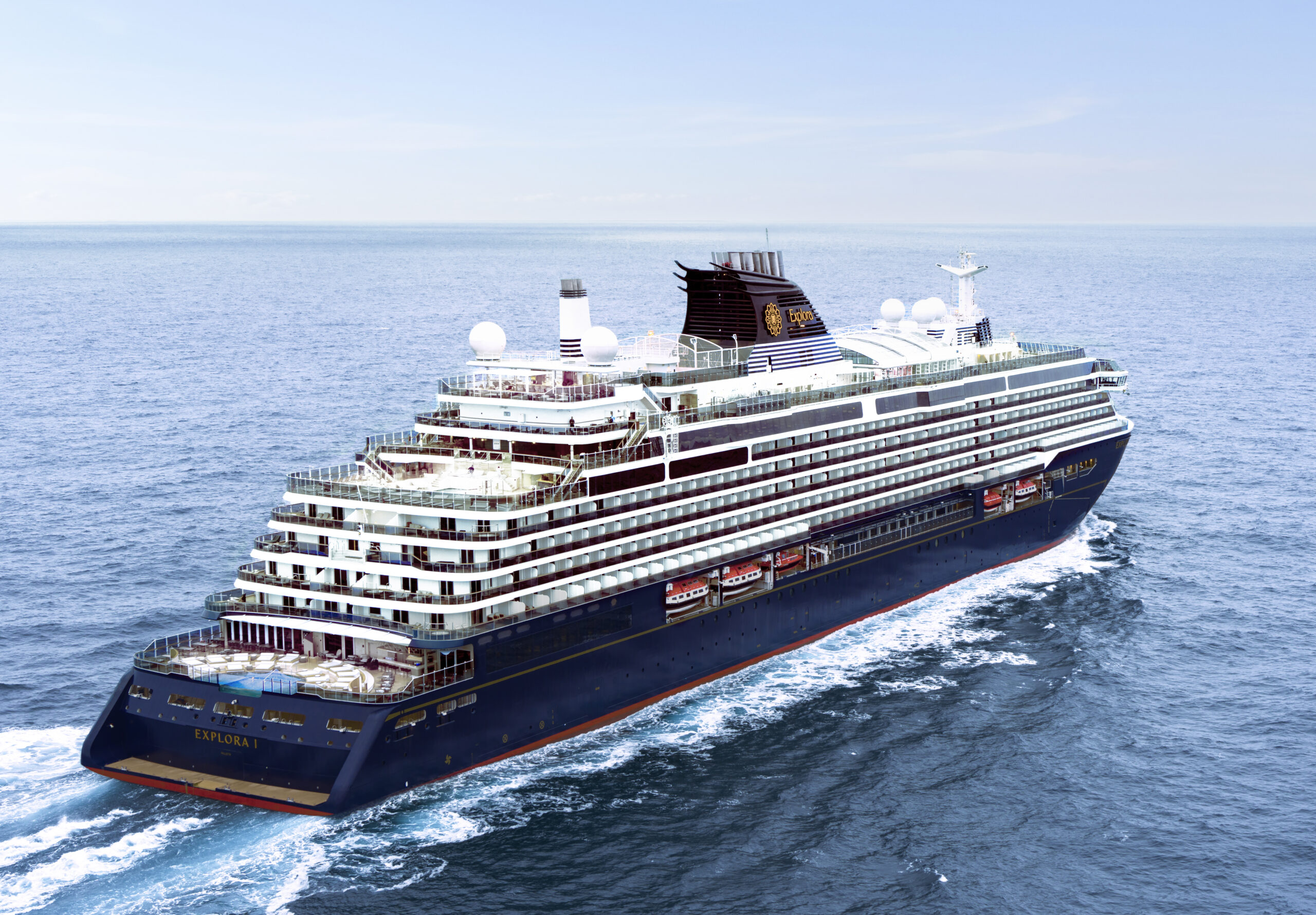
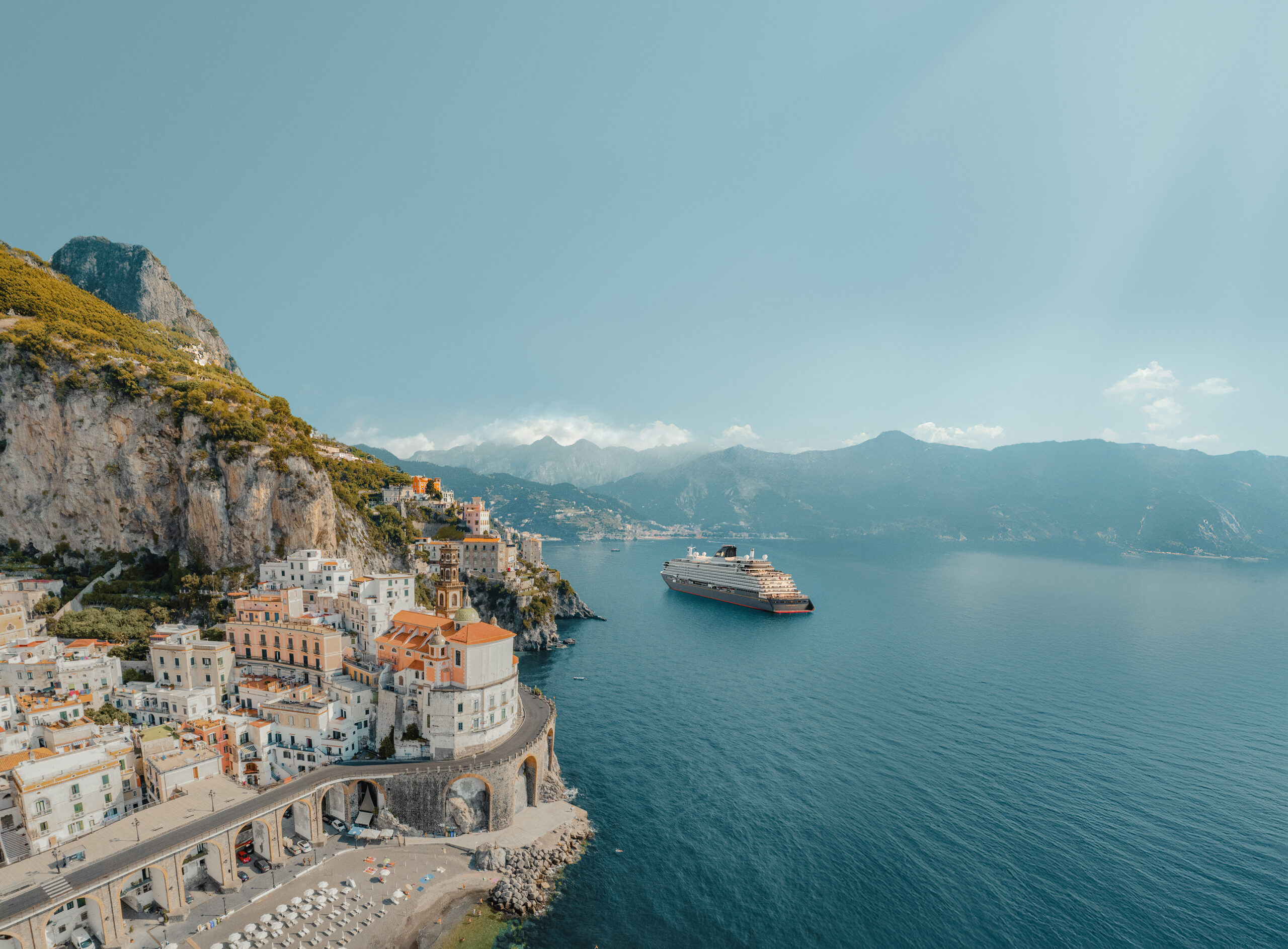
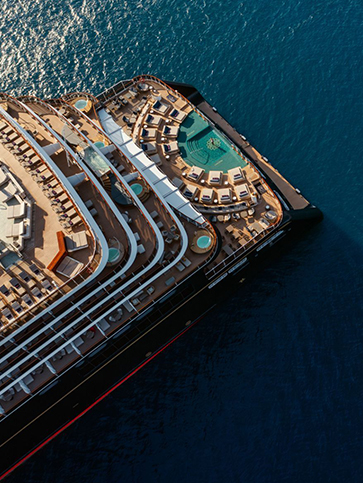
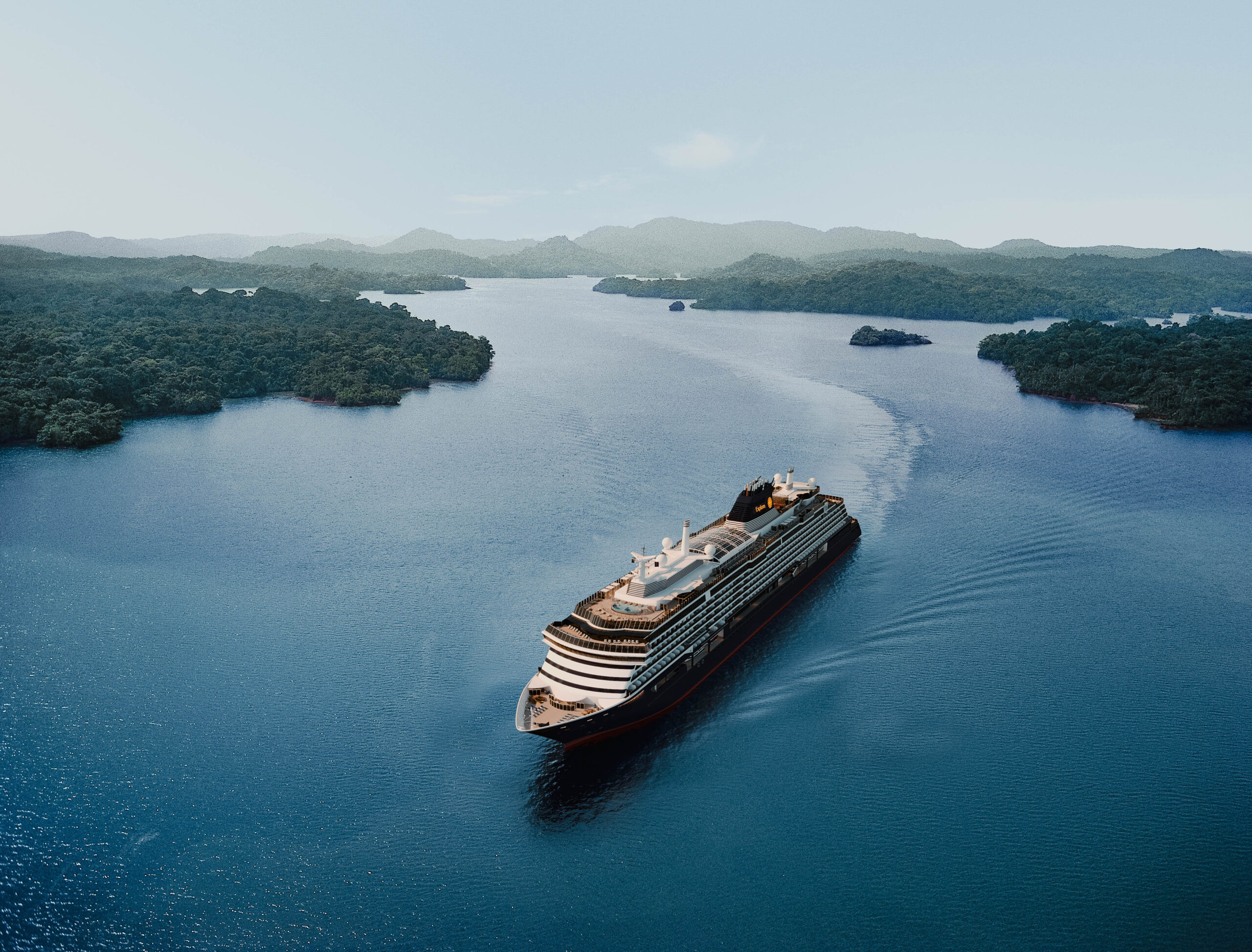
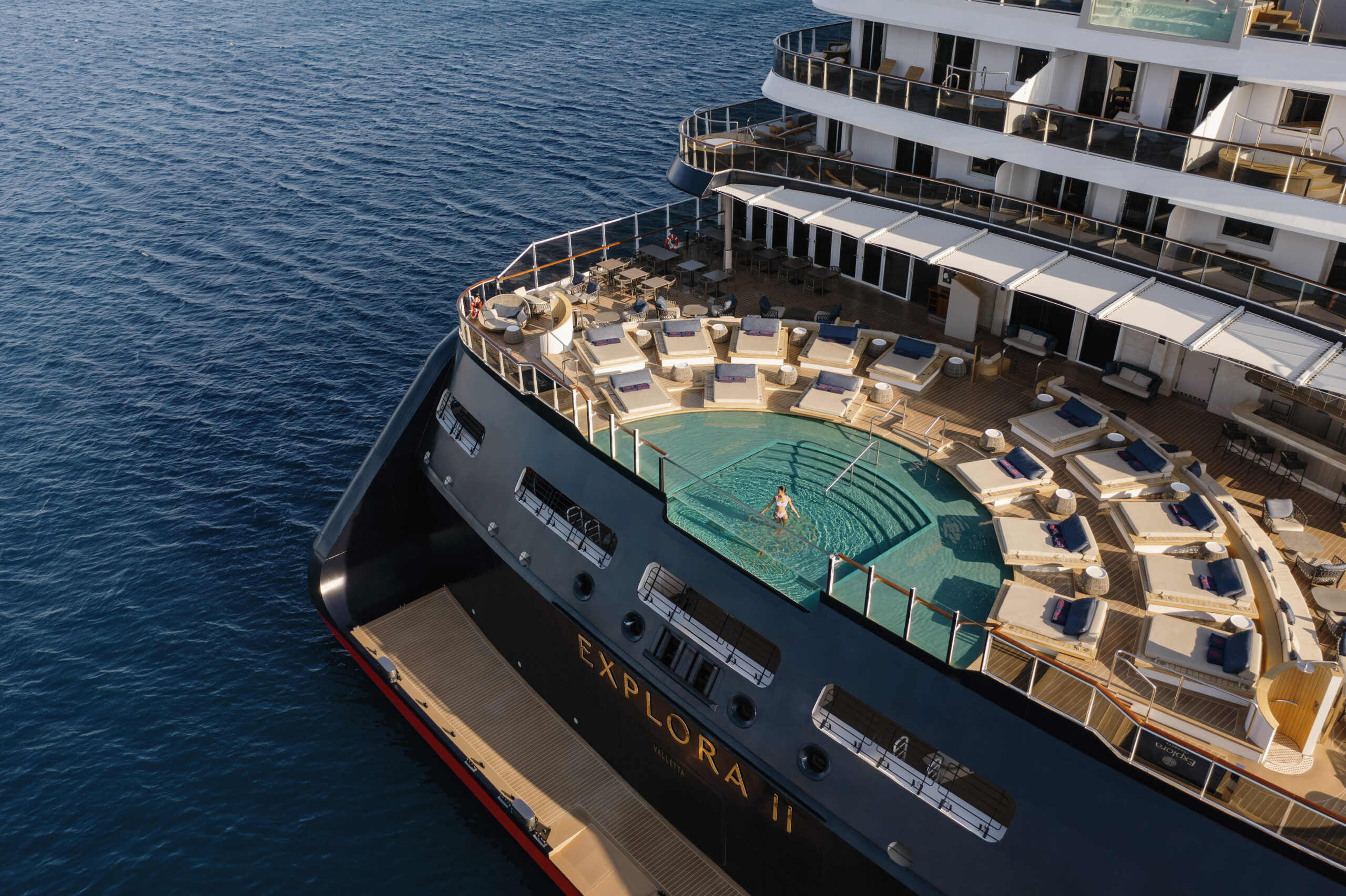
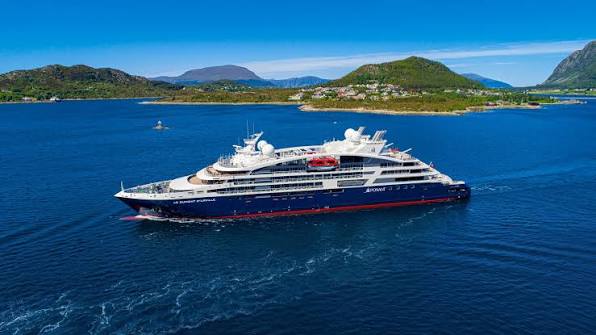
Scenic Ikon is the third Discovery Yacht from Scenic, setting sail in April 2028 and offering Scenic’s hallmark blend of sleek design, luxury amenities, and immersive cruises and expeditions in destinations from the Mediterranean to Antarctica.
Building upon the success of Scenic Eclipse and Scenic Eclipse
II, Scenic Ikon will offer spacious suites, all-inclusive luxury,
and a sleek, modern design, as well as an enhanced helicopter
programme and new dining options. Scenic Ikon has been designed to
excel in both warm water destinations and the polar regions, and
her inaugural itineraries from April 2028 feature the
Mediterranean, Egypt, the Aegean, Antarctica and the Chilean
Fjords.
One of the world's great cities, Rome continues to dazzle and delight visitors with a potent mix of architectural marvels, continent-defining history and buzzing nightlife. As the saying goes, the city wasn't built in a day, and if you want to make the most of Rome you'll need to spend at least a couple of nights here. The Colosseum, the Vatican and the Forum are among the big ticket items, with the crowds to match, though in truth you will find history around almost every corner.
The faded port town of Livorno serves as a gateway to Tuscany’s star attractions. Wonderful Florence, the cradle of the Renaissance, is resplendent with beautiful architecture and unrivalled artistic treasures, while nearby Pisa is of course famous for its precarious Leaning Tower.
This tiny village on the Ligurian coast must be one of the most photographed spots in Italy, and no wonder; brightly coloured houses cling to the hillside overlooking a delightfully picturesque little harbour, where fishing boats gently bob alongside luxury yachts.
The Corsican port of Calvi is a popular summer destination for both sun-seeking tourists and the yachts of the super-rich, with a swanky harbour and five miles of beautiful beach. The town is said by some to be the birthplace of Christopher Columbus, and the skyline is dominated by the imposing 15th century Genoese citadel.
Renowned for its casino, its Grand Prix and its oligarch-friendly tax policies, Monte Carlo is glamour and hedonism personified, with a price tag to match. This little principality enjoys a lovely setting, the villas and penthouses tumbling down the hillside towards the sweeping blue expanse of the Mediterranean.
The little seaside resort of Bandol sits on a sheltered bay on the Côte d’Azur, and is a popular destination for city-dwellers from nearby Toulon and Marseille. There are some lovely boutiques and restaurants along the seafront, and Bandol is also known for its pale and fruity rosé wines.
The rumbustious port of Marseille often gets a bad press, but the city has been transformed in recent years, with a host of new cultural attractions. The vibrant Vieux Port remains at the heart of life in Marseille, however, and is the best place to begin your exploration of the city’s many historic sights.
The down-to-earth port of Sète, sandwiched between the Mediterranean and the Etang de Thau lagoon, is a working town rather than a tourist hotspot, though the canals and colourful buildings have a certain charm. It’s also a great spot for a seafood lunch, and a visit to the nearby citadel of Carcassonne is a popular excursion.
The bustling fishing village of Palamós is one of the loveliest spots on the Costa Brava, surrounded by beautiful beaches and rugged coves. You can also use your stop here as a jumping off point for exploring nearby medieval villages, the historic city of Girona or the fantastic Salvador Dalí museum in Figueres.
From the warren-like medieval streets of the Barri Gòtic to the fantastical modernist architecture of Antoni Gaudí, from the dizzy heights of Mount Tibidabo to the golden sands of Barceloneta, there’s never a dull moment in Barcelona.
Mallorca is renowned for its beaches, ranging from big, bustling resorts to small, secluded coves. The island interior offers ruggedly beautiful scenery and quaint little towns, while the charming capital, Palma, boasts an attractive old quarter dominated by the imposing Gothic cathedral.
Spain’s third city is a dazzling destination that combines historic architecture, cutting edge design and an inviting stretch of beach. Don’t miss the futuristic City of Arts and Sciences, designed by local architect Santiago Calatrava, or the old riverbed, now a delightful park.
Cartagena was founded by the Carthaginians around 227 BC, who named it after their home city in North Africa. These days the city is best known for its well-preserved Roman theatre, which was remarkably only discovered in 1987, in spite of its location in the centre of town.
Situated on the sunniest stretch of the Andalusian coast, Almeria is little visited by tourists, but the narrow streets of the old town contain some intriguing Mudejar-style architecture. The surrounding landscape is almost lunar in appearance, and has served as the backdrop for many films, from spaghetti westerns to 'Lawrence of Arabia'.
Málaga boasts plenty of chic restaurants and bars where you can ease into the rhythms of life in southern Spain, before exploring sights including the intriguing, unfinished Gothic cathedral, and a museum devoted to the city's most famous son, Pablo Picasso.
Sovereignty of ‘The Rock’ has been a thorny issue ever since Gibraltar was ceded to Britain in 1713, though on the ground it’s clear where most locals’ sympathies lie. Gibraltar is often described as ‘more British than Britain’, a curious enclave of red postboxes, double decker buses and chip shops.
After years of neglect, Tangier is finally being restored to its former glory as a cosmopolitan crossroads between Europe and Africa. The Moroccan government has invested heavily in modern infrastructure, while the spruced up medina shines with a new-found cultural dynamism.
Portimão is a bustling fishing port and gateway to the Algarve, with a pleasant riverside promenade where the smell of sizzling sardines fills the air. The most popular attraction is Praia da Rocha just to the south, one of the Algarve’s loveliest beaches.
Spread across steep hillsides that overlook the Rio Tejo, Lisbon’s colourful cityscape includes Gothic cathedrals, majestic monasteries and quaint museums. But for many the best times will be had wandering the narrow lanes of Lisbon’s lovely backstreets, with their great local food, wine and music.
Many people don’t realise that Madeira is part of an archipelago, but Porto Santo is Madeira’s little sister, known as the ‘Golden Island’ on account of its magnificent sandy beaches. Christopher Columbus lived on the island for a time with his Portuguese wife, and their house in Vila Baleira is now a museum.
Funchal, Madeira’s bustling capital, tumbles down a dramatic hillside towards a beautiful sweeping bay. Highlights include colourful markets, wine lodges and the spectacular cable car ride up to the village of Monte, home of the famous toboggan run.
The lush volcanic island of La Palma is one of the Canary Islands’ best kept secrets, a place where tourism is still low key and the beautiful scenery is unspoilt by high rise developments. Don’t miss the colourful colonial architecture of the capital, Santa Cruz, reminiscent of the Spanish Caribbean.
Said to have the world's most perfect climate, cosmopolitan Las Palmas is the capital of Gran Canaria and the largest city in the Canary Islands. The charming old quarter, La Vegueta, is where you'll find the city's most interesting colonial architecture, while beach fans should head for lovely Playa de las Canteras.
Situated on Tenerife’s north eastern shore, the island’s capital is a busy port that serves mostly as a gateway to the popular south west coast and the spectacular volcanic landscapes of the island’s interior.
The dry and barren volcanic island of São Vicente is home to Cape Verde’s most appealing port, the charming city of Mindelo. The cobbled streets and colonial architecture are a real pleasure to explore, and the city plays host to a raucous carnival in February.
Praia is the capital of Cape Verde, set on the south coast of Santiago island. Highlights include a scattering of attractive Portuguese colonial architecture around the Praca Alexandre Albuquerque, while the lively fruit and vegetable market will give you a taste of local life at street level.
The busy, dusty streets of Senegal’s capital Dakar are filled with life and colour, noises, smells and local music. The people here are friendly and helpful, so expect a warm welcome – but watch out for the usual hustles and scams of a busy city.