From Oslo to Reykjavik · Northern Europe · 26 nights
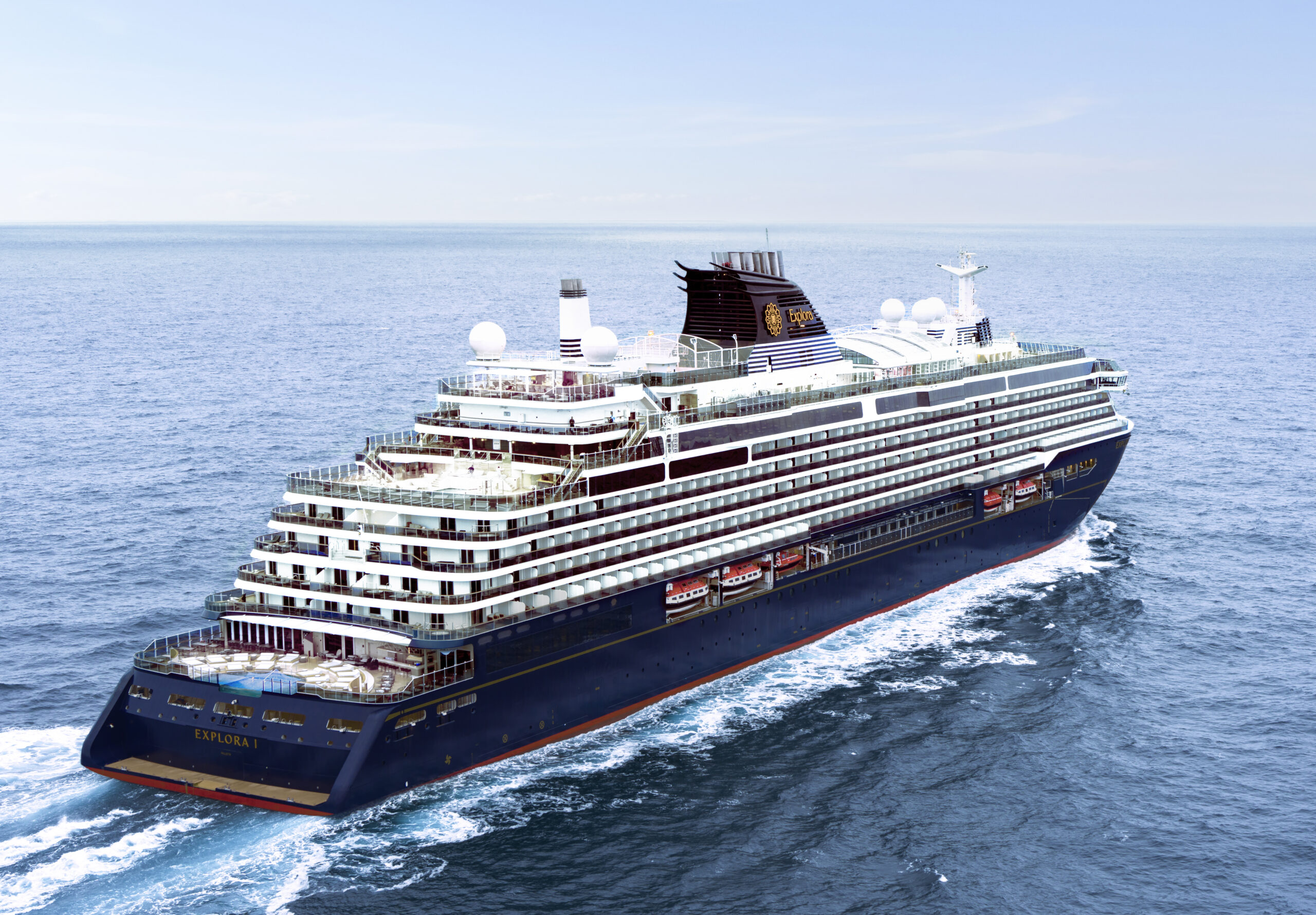
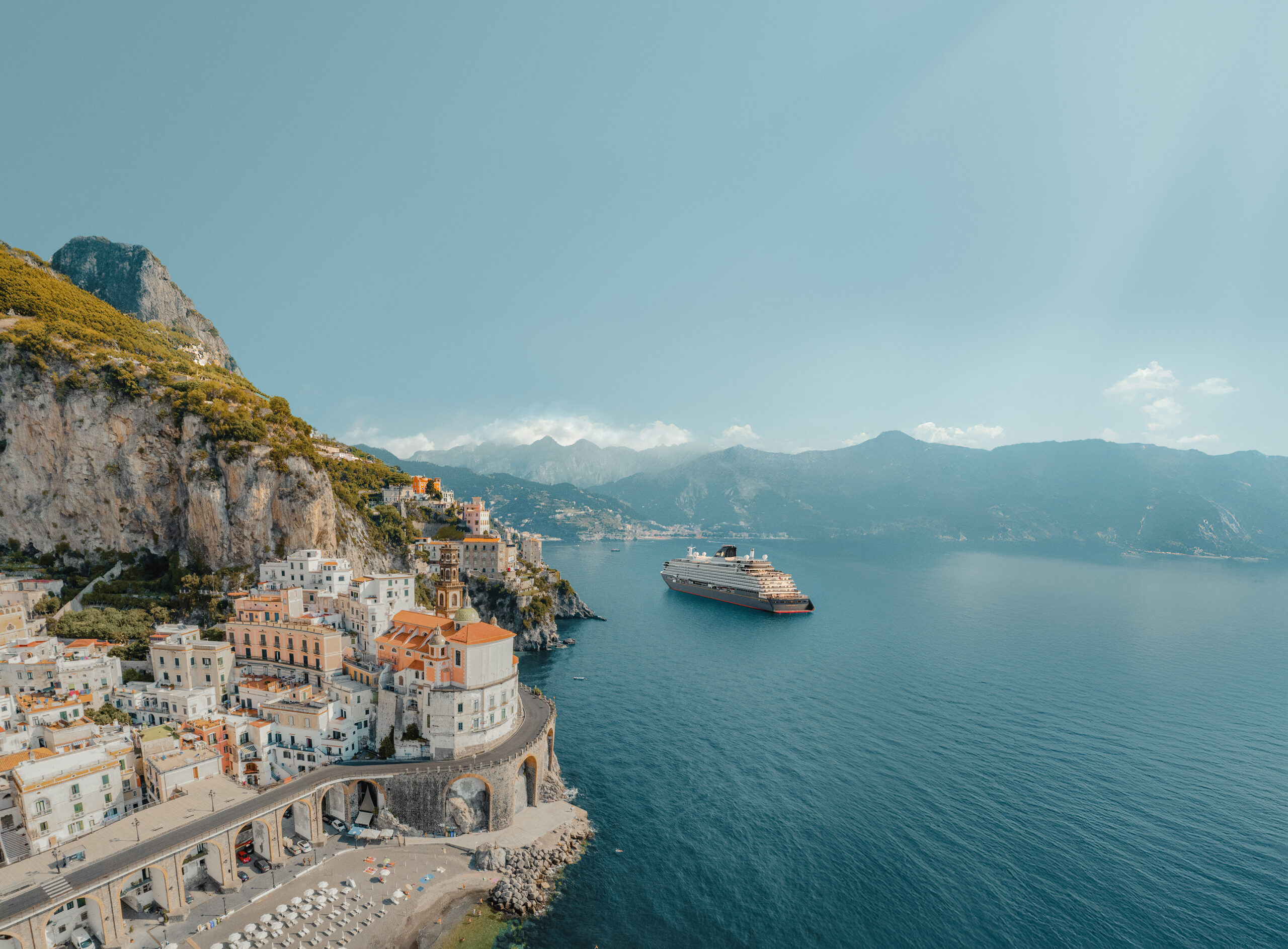
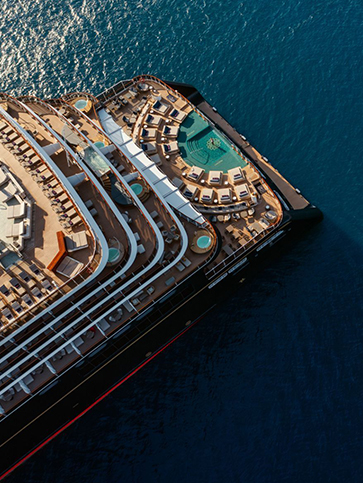
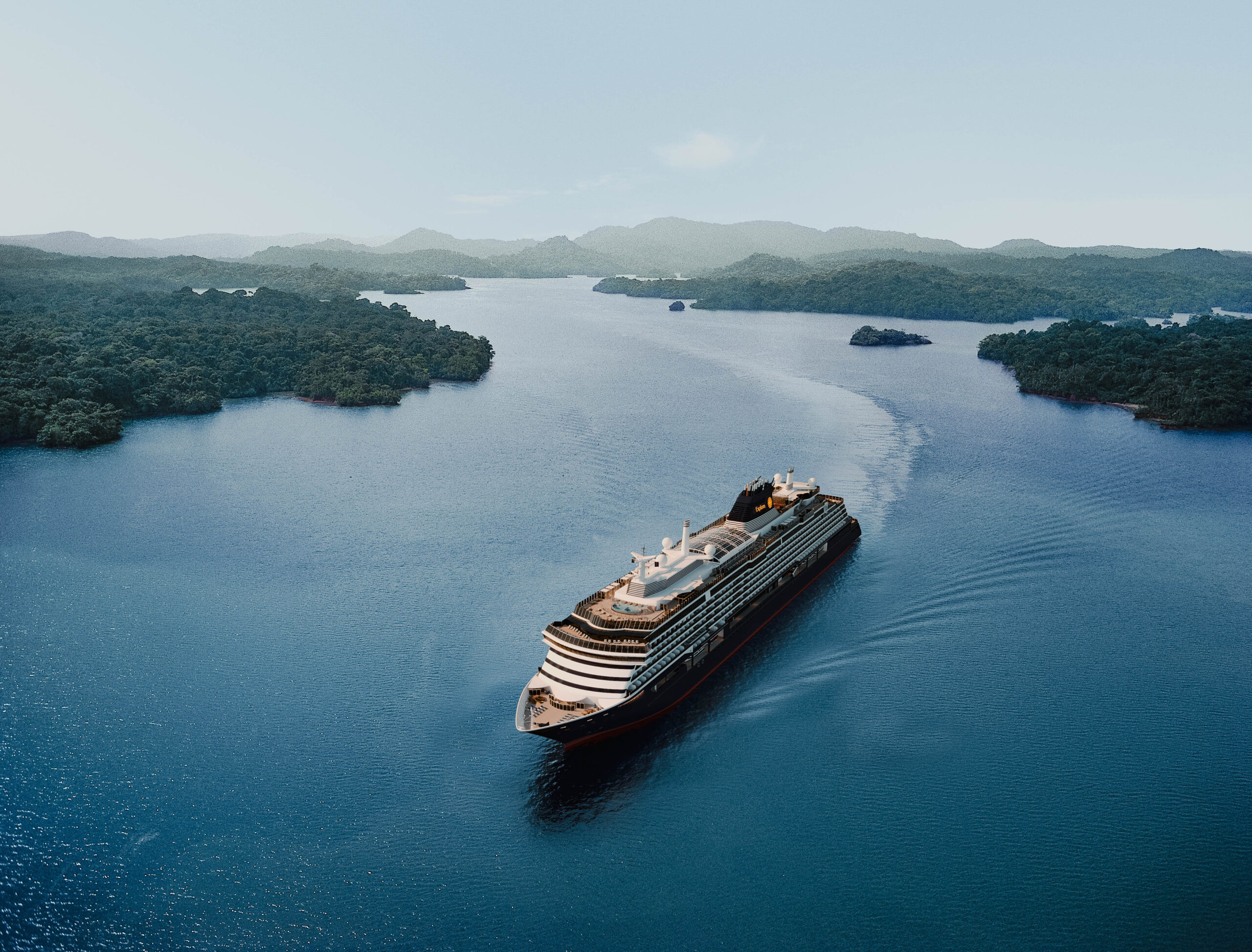
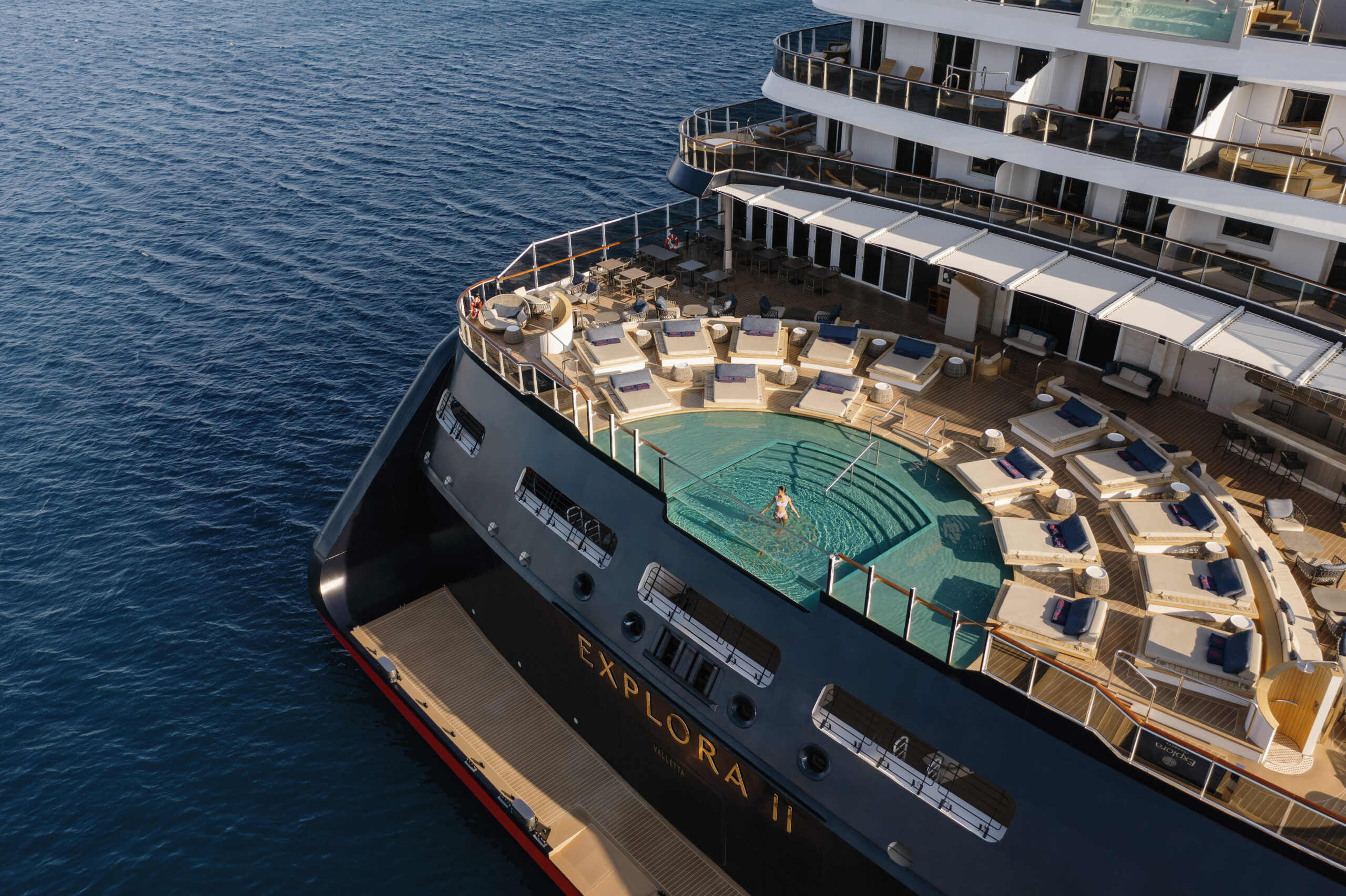
Designed to provide an unrivalled level of luxury yet immersive global exploration, Scenic Eclipse has it all.
Scenic have gone all out to create the most luxurious, most
technologically advanced and most exciting expedition ship ever
built. We couldn’t have been more excited about the advances that
this ship represented when she launched in 2019, offering
enhancements to already thrilling itineraries.
The intriguing city of Oslo, Norway's capital, has so much to offer, from the open air Norwegian Folk Museum to the amazing Vigeland sculpture park, and from the Holmenkollen Ski Museum to the Munch Museum's collection of memorable paintings. History, art and culture are what defines this lovely city. Oslo was also named European Green Capital in 2019, with an excellent public transport network, plenty of parks and green space, and a revitalised culinary scene that draws on local, sustainably sourced produce.
Longyearbyen is the largest settlement in Svalbard, remotely located in the high Norwegian Arctic, and originally built as a mining town. The locals continue to make the best of this hostile environment, and brightly painted wooden buildings line the main street. The surrounding area is breathtakingly beautiful.
The Svalbard archipelago is a true wilderness, a land of snowy peaks, frozen tundra and glassy seas. You’ll likely have no fixed itinerary here, due to the unpredictable nature of an Arctic expedition; be prepared to drop everything and rush up to the top deck for the chance of a polar bear sighting!
The east coast settlement of Ittoqqortoormiit is one of the most remote in Greenland, a collection of brightly coloured wooden buildings that is home to around 450 people. The town is situated between the Northeast Greenland National Park and the dramatic Scoresbysund, the world’s longest fjord system.
Akureyri is Iceland’s second city, though with just 18,000 inhabitants it’s really more of a small town. Situated on the north coast at the head of Iceland’s largest fjord, it’s a cute and quirky place that also serves as a base from which to explore the bubbling mud pools and lunar landscapes around Lake Mývatn.
The little island of Vigur is a haven for seabirds during the summer months, when thousands of Atlantic puffins, Arctic terns and black guillemots gather here. The island is also home to a single family-owned sheep farm, a 200-year-old rowing boat and Iceland’s last surviving windmill, built in 1840.
Capital of Iceland and gateway to this extraordinary volcanic island, modern Reykjavík is home to an impressive collection of interesting attractions and places of historic significance. Visit the impressive Hallgrímskirkja church, relax in a thermal pool, potter around the old harbour, and enjoy 24 hour daylight in the summer months.
The island of Flatey lives up to its name, flat and almost devoid of hills, its colourful cottages only inhabited during the summer months. The nutrient-rich waters along the coast support a healthy population of birds including Atlantic puffins, Arctic terns, eider ducks, red-necked phalaropes and snow buntings.
The little island of Vigur is a haven for seabirds during the summer months, when thousands of Atlantic puffins, Arctic terns and black guillemots gather here. The island is also home to a single family-owned sheep farm, a 200-year-old rowing boat and Iceland’s last surviving windmill, built in 1840.
This deep fjord cuts into the northern coast of Iceland, in a tranquil region known for its horse breeding; indeed, horses outnumber humans here! There are three islands in the fjord, including the steep-sided Drangey, home to large numbers of puffins, guillemots, auks and other seabirds.
The east coast settlement of Ittoqqortoormiit is one of the most remote in Greenland, a collection of brightly coloured wooden buildings that is home to around 450 people. The town is situated between the Northeast Greenland National Park and the dramatic Scoresbysund, the world’s longest fjord system.
The Nordfjord is one of Norway’s longest fjords, with more than 60 miles of towering mountains, gushing waterfalls and glittering glaciers. This part of Norway is a region of superlatives, home to both Europe’s deepest lake, Hornindalsvatnet, and mainland Europe’s largest glacier, the spectacular Jostedalsbreen.
The little fishing town of Grundarfjörður enjoys a picturesque setting on the Snæfellsnes Peninsula, surrounded by dramatic volcanic peaks and gushing waterfalls. The nearby Snæfellsjökull volcano, capped by a glacier, was made famous by Jules Verne in ‘Journey to the Centre of the Earth’.
Capital of Iceland and gateway to this extraordinary volcanic island, modern Reykjavík is home to an impressive collection of interesting attractions and places of historic significance. Visit the impressive Hallgrímskirkja church, relax in a thermal pool, potter around the old harbour, and enjoy 24 hour daylight in the summer months.