From Buenos Aires to Bridgetown · South America & Antarctica · 48 nights
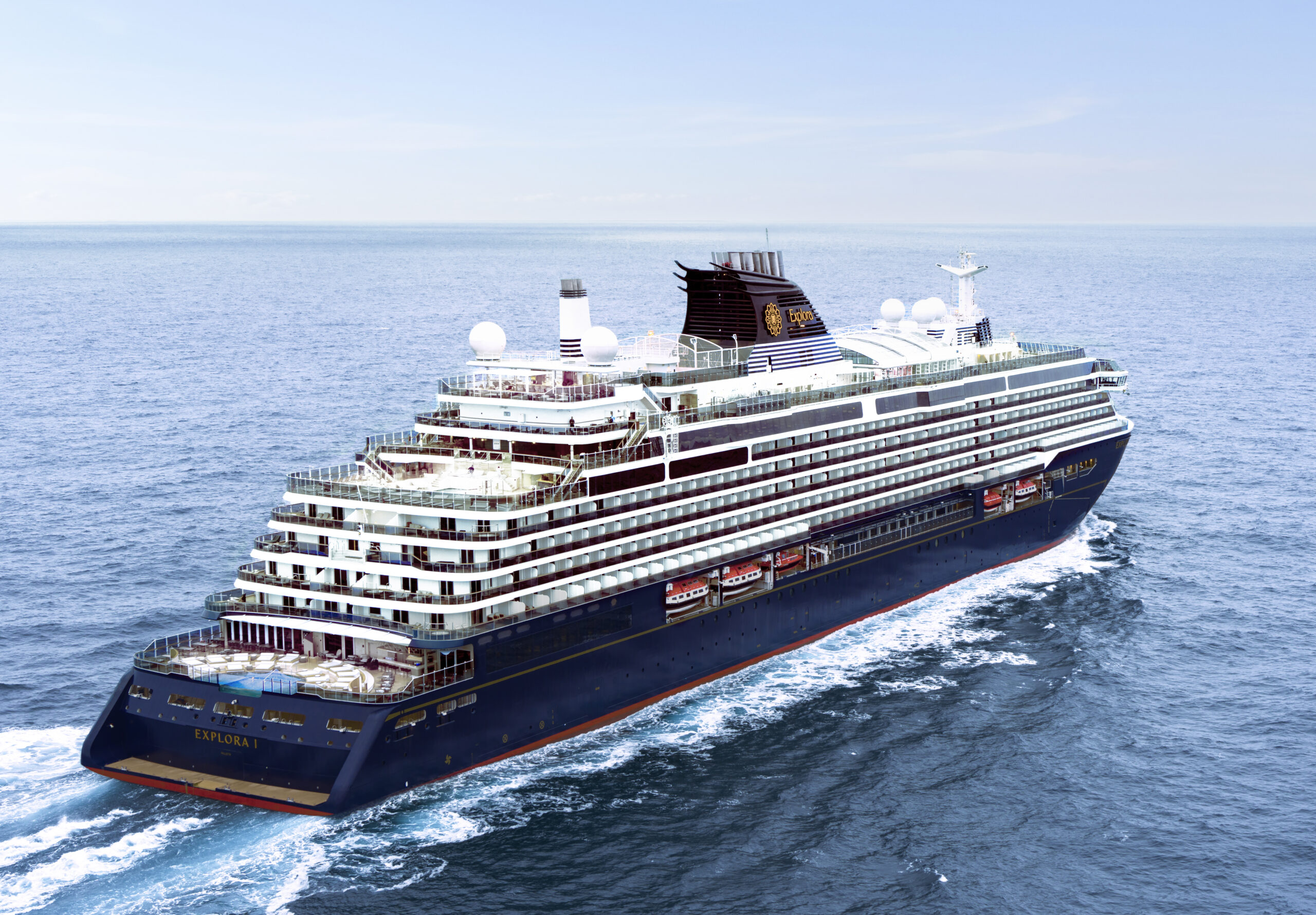
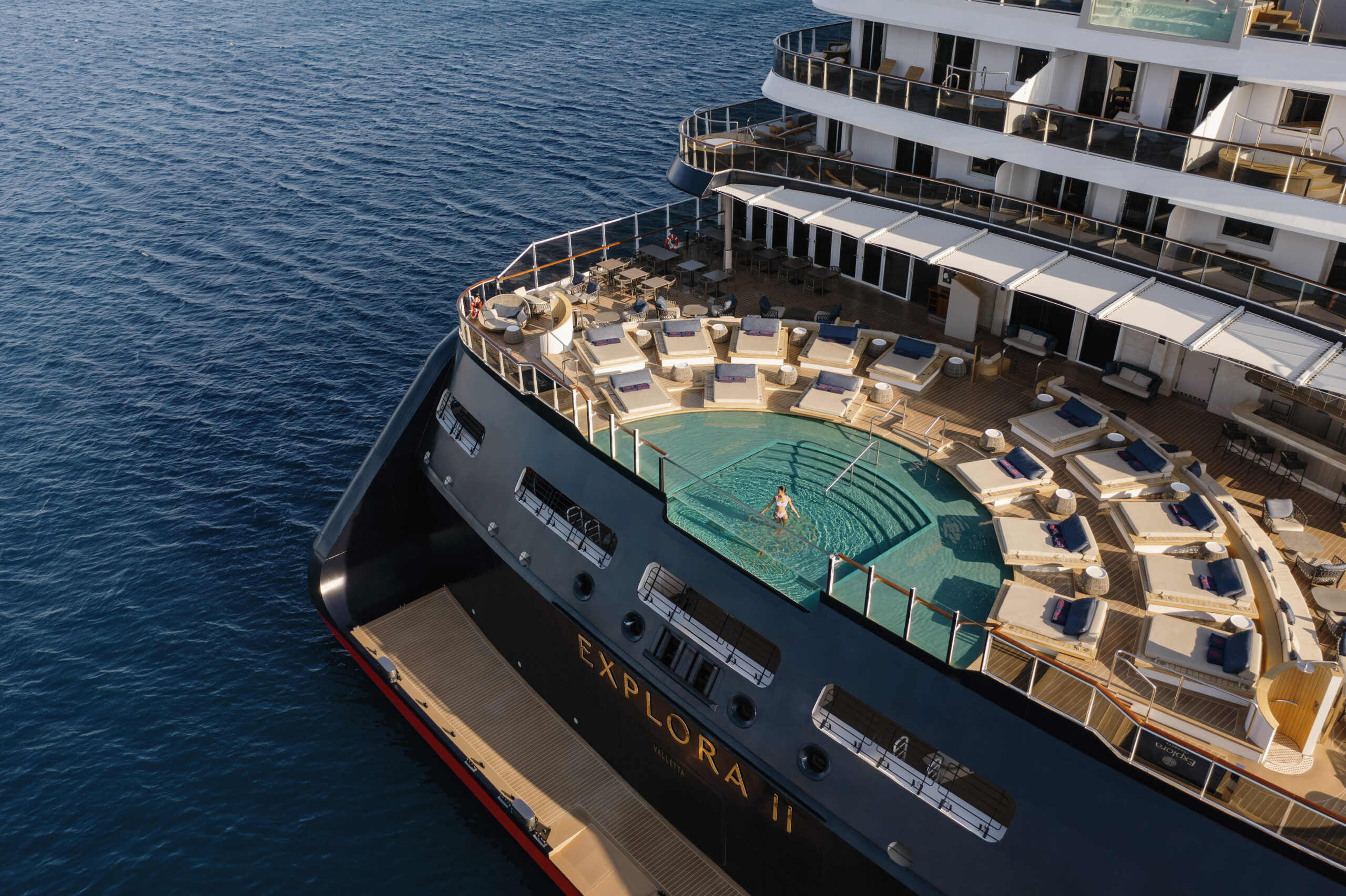
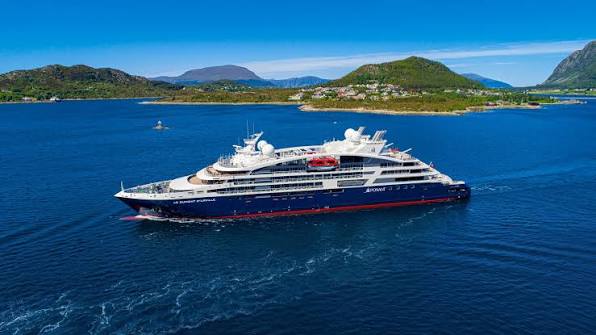
Launched in 2023, Scenic Eclipse II is Scenic’s second discovery yacht, bringing an almost identical design with some key enhancements.
Scenic’s second ocean ship builds on the technological advances
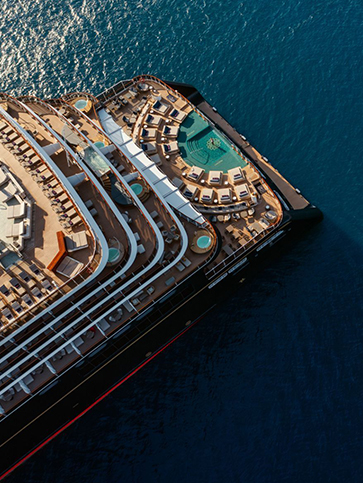
of the original Scenic Eclipse, and features a new sun deck pool
and a larger submarine. As on board Scenic Eclipse, you can expect
spacious suites, a fantastic range of dining options, and an
indulgent spa.
The streets of Buenos Aires are redolent of a grand old European capital, lined with elegant architecture that wouldn't look out of place in Madrid or Paris. There is also plenty of Latin passion on display: Argentina is the home of tango, that most electrifying of dances, and the central Plaza de Mayo has played host to countless revolutions and rallies over the years. Food is an important part of life here, and carnivores shouldn't pass up the opportunity to try the world's finest beef at one of the many steakhouses, known as parrillas. Other attractions include the beautiful Recoleta cemetery, the grand Teatro Colón and the colourful, arty district of La Boca.
Perched on the ragged southern edge of Argentina, where the snow-capped Andes fall away into the churning sea, Ushuaia has a frontier town feel to it, and serves as the base for expeditions into the icy waters of Antarctica.
Antarctica is the world’s last great wilderness, an alien landscape of snow-covered mountains, jagged icebergs and extraordinary wildlife. March is too late to see penguin chicks, and temperatures are getting colder, but it’s a great time to spot whales, with species including humpback, sperm and orca.
Perched on the ragged southern edge of Argentina, where the snow-capped Andes fall away into the churning sea, Ushuaia has a frontier town feel to it, and serves as the base for expeditions into the icy waters of Antarctica.
Surrounded by notoriously treacherous waters and battered by gale force winds known as the Furious Fifties, Cape Horn is the dramatic southernmost headland of the Tierra del Fuego archipelago. This is the point where the Atlantic and Pacific Oceans meet, watched over by a lonely lighthouse.
The weather-beaten city of Punta Arenas is a laid back and welcoming place, in spite of its inhospitable location on the shores of the Strait of Magellan. Nearby attractions include penguin colonies and the dramatic scenery of Torres del Paine National Park, while beyond the horizon lie the frozen wastes of Antarctica.
Rugged and unspoilt Chiloé, situated at the southern end of Chile’s Lake District, is a unique and culturally distinct island that stands apart from the rest of the country. The main town, Castro, is notable for its colourful waterfront homes on stilts (known as palafitos), and is the gateway to the dense forests and rolling hills of the island interior.
Puerto Montt is the capital of the Chilean Lake District, spread out around a wide bay against a backdrop of snow-capped volcanoes. This wild region offers a host of outdoor activities, including mountain hikes, kayaking, white water rafting, fishing, zip lining and cycling.
Niebla is a charming little beach resort in southern Chile, on the banks of the Valdivia river. The bustling folk market is a popular tourist attraction, while history buffs will enjoy exploring the restored colonial fortress, built by the Spanish in the 17th century.
Characterful, colourful and a little chaotic, the port city of Valparaíso is scattered across 45 vertiginous hills. Thanks to this difficult topography the city streets are punctuated by steep staircases and funicular elevators, and energetic explorers will be rewarded with wonderful views of the pastel hued buildings that hug the slopes.
The port of Paracas is surrounded by the spectacular landscapes of the Paracas National Reserve, where the desert meets the ocean along a coastline of sandy beaches and spectacular cliffs teeming with birdlife. Look out for species including pink flamingos, Humboldt penguins and condors.
Salaverry is the nearest port to Trujillo, northern Peru’s most important city. Located amongst the verdant Andean foothills, Trujillo is home to a host of beautiful colonial buildings, and is also known for the spectacular nearby ruins of Chan Chan, the largest pre-Columbian city in South America.
The Ecuadorian port of Manta is known as the “tuna capital of the world”, and you’ll see plenty of fishing boats as you arrive. The beach is a popular destination for local tourists, but you may find that the nearby town of Montecristi, home of the Panama hat, makes for a more interesting excursion.
Utría National Park, on Colombia’s Pacific coast, is exceptional in its diversity, comprising tropical rainforest, coral reefs, mangroves and beaches where sea turtles come to nest. Species to look out for include spider monkeys, anteaters and sloths, and you can sometimes see whales off the coast.
The Darién Gap is the only break in the Pan-American Highway that runs from Alaska to Tierra del Fuego, a wild and untamed region of thick jungle. Although the region has a reputation for lawlessness, tourism is making inroads thanks to the jungle’s staggering biodiversity and the fascinating culture of the indigenous Emberá people.
The port of Fuerte Amador sits at the southern edge of Panama City, near the Pacific entrance to the Panama Canal. The shining skyscrapers of the Panamanian capital are a testament to the city’s status as a key financial centre, while the tiny Casco Viejo is home to pretty colonial streets, hip hotels and happening bars.
Situated just off the coast of Panama, the idyllic San Blas islands are home to the Kuna Indians, who enjoy political autonomy from the mainland and have an unusual degree of control over tourism to their homeland. Visiting these simple island communities is a privilege, and an insight into an indigenous way of life unsullied by mass tourism.
Cartagena was founded by Spanish conquistadors in 1533, and the beautifully preserved centre is a real highlight of Colombia’s Caribbean coast. The walled old town, the Ciudad Amurallada, is a camera-friendly collection of cobbled streets and colourful, colonial-era buildings.
The gabled houses of Willemstad lend an undeniably Dutch feel to the capital of little Curaçao, with a splash of Caribbean colour thrown in. The island itself is not your typical lush tropical paradise - the landscape is characterised instead by thorny shrubs and cacti - but there are some fantastic beaches and quaint little villages.
Accessible only by boat, the five uninhabited islands of the Tobago Cays are surrounded by some of the best reefs for snorkelling anywhere in the Caribbean. The area was declared a protected wildlife reserve in 2006, and the crystal clear waters are home to sponges, sea turtles and a kaleidoscopic array of colourful fish.
Situated just to the west of the Tobago Cays, Mayreau is a tiny, barely inhabited island that can only be reached by boat. There is very little to do, which is the main attraction for those lucky few who wash up here; the palm-fringed beaches and gently lapping waters are the Caribbean island idyll par excellence.
Soufrière is Saint Lucia’s oldest city, founded by the French in 1746 in the stunning south of the island. Nearby natural wonders include the iconic Piton mountains, the Diamond Botanical Gardens and the world’s only drive-in volcano, where you can soak in the restorative sulphur springs.
There’s more to Barbados than just beaches; the delightful architecture of the old garrison in Bridgetown, the capital, is fully deserving of its UNESCO World Heritage status, and the island interior is littered with old sugar plantations and natural wonders such as Harrison’s Cave.