From Athens (Piraeus) to Rome (Civitavecchia) · Mediterranean · 21 nights
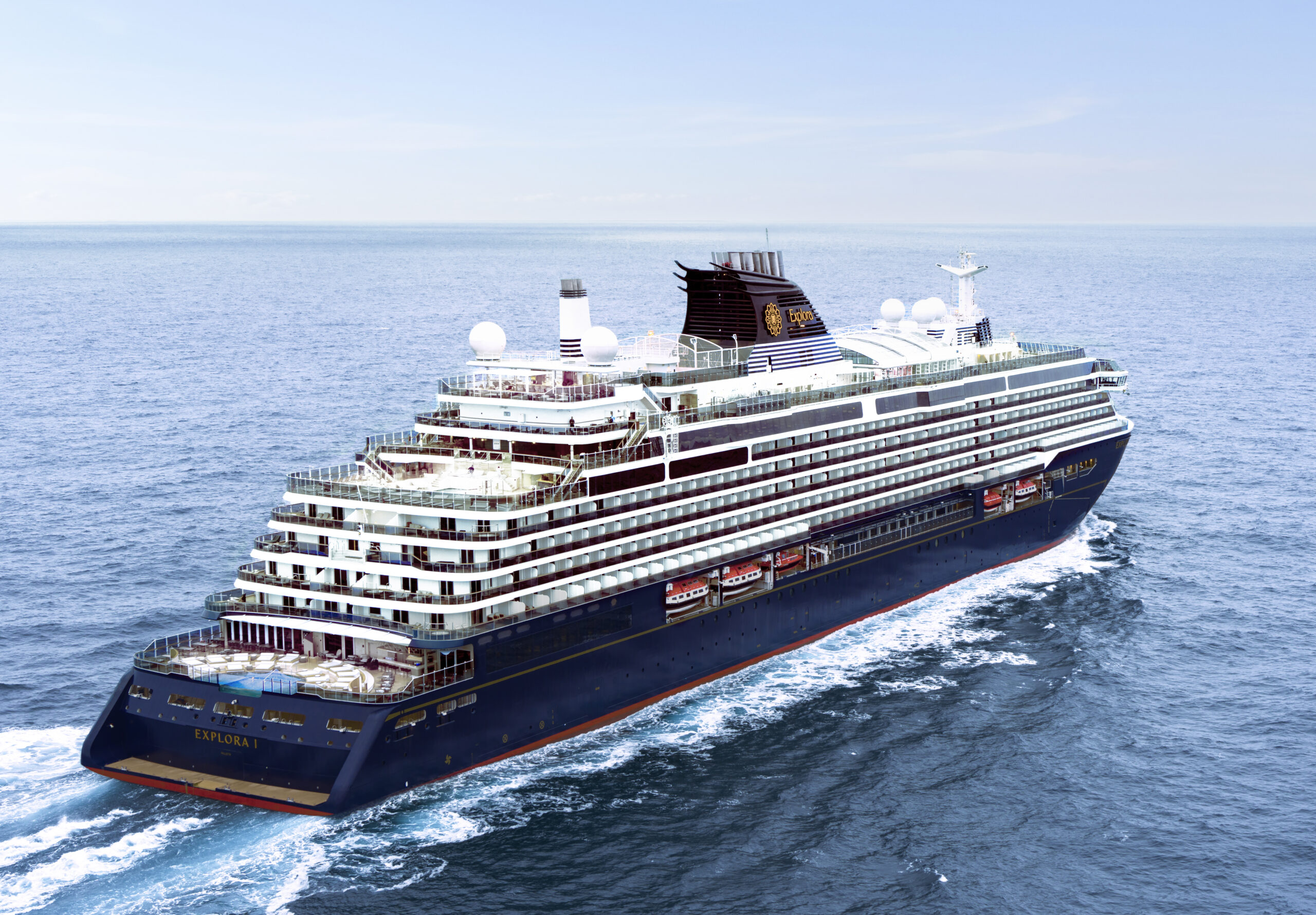
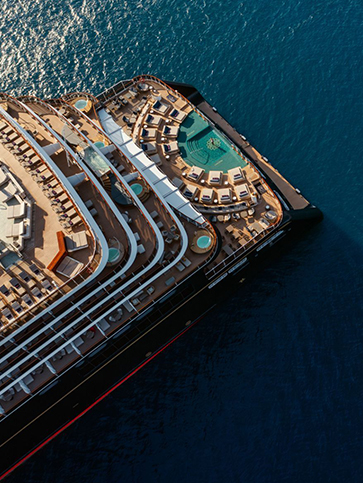
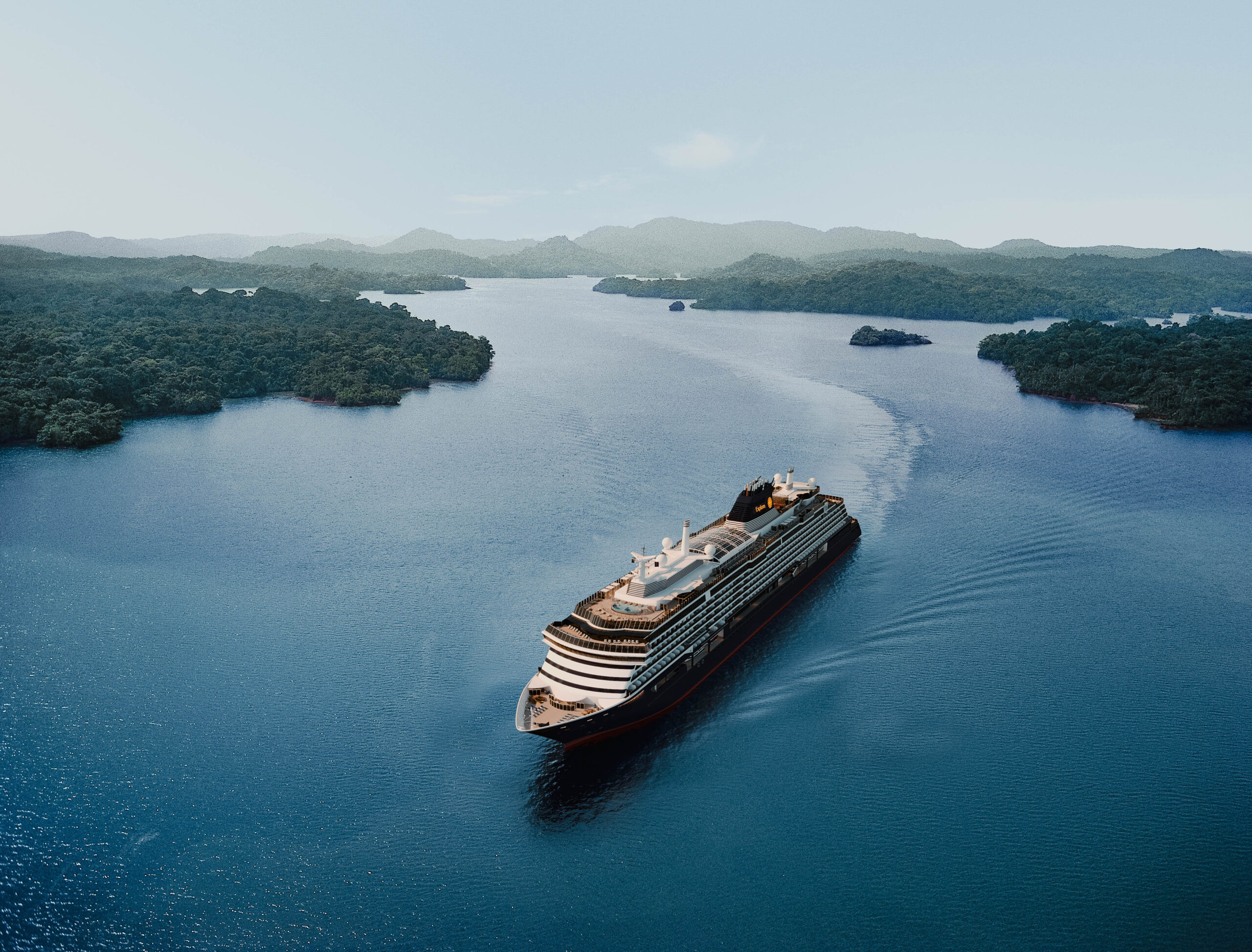
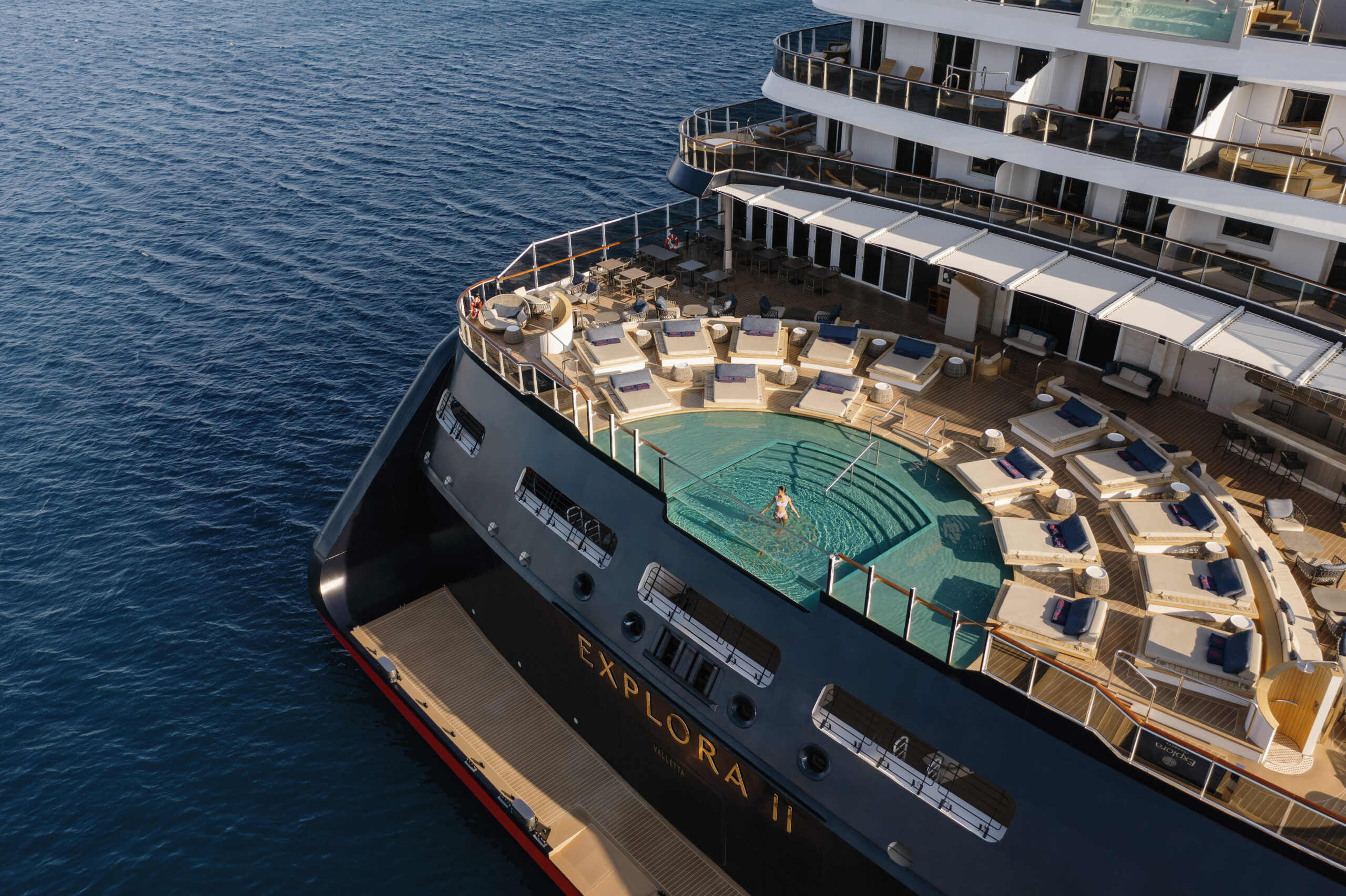
Scenic Ikon is the third Discovery Yacht from Scenic, setting sail in April 2028 and offering Scenic’s hallmark blend of sleek design, luxury amenities, and immersive cruises and expeditions in destinations from the Mediterranean to Antarctica.
Building upon the success of Scenic Eclipse and Scenic Eclipse
II, Scenic Ikon will offer spacious suites, all-inclusive luxury,
and a sleek, modern design, as well as an enhanced helicopter
programme and new dining options. Scenic Ikon has been designed to
excel in both warm water destinations and the polar regions, and
her inaugural itineraries from April 2028 feature the
Mediterranean, Egypt, the Aegean, Antarctica and the Chilean
Fjords.
Athens is a city awash with historical and cultural significance. Towering over the city are the gleaming columns of the Parthenon, surely one of the most iconic sights in the whole of Europe. And yet Athens is much more than an open air museum; this is a dynamic, bustling metropolis, and a place where history is still very much unfolding. For all its faults, the Greek capital possesses an energy and an optimism that are manifest in everything from the burgeoning art scene to the restaurants and bars that continue to pop up on a regular basis.
Nafplion is one of the most beautiful cities on the Greek mainland, situated on the Argolic Gulf overlooked by the imposing Palamidi Fortress. The narrow streets of the old town are home to a beguiling mix of Venetian, Turkish and Greek architecture, while just offshore is the little island castle of Bourtzi.
The port of Nydri, a favourite with the yachting crowd, is situated on the east coast of Lefkada, a beautiful and unspoilt island connected to the Greek mainland by a narrow causeway. Here you’ll find amazing beaches, peaceful olive groves and the refreshing Dimosari Waterfalls.
Corfu, known as Kerkyra in Greek, is a beautiful island of verdant hills and rocky coves, and away from the more crowded resorts it remains a sleepy and idyllic place. Don’t miss the picturesque Venetian architecture of Corfu Town, a UNESCO World Heritage Site.
The laid back fishing town of Monopoli is one of the less touristy spots on the Puglian coast, with a picturesque old town and a pleasant seafront promenade, the Lungomare. There are several lovely beaches nearby, or you can take a day trip to Alberobello, with its famous domed ‘trulli’ houses.
Kotor sits at the head of a beautiful, fjord-like bay, hemmed in by glowering mountains. The compact, walled old town is Montenegro’s star attraction, a warren of little alleyways and shady squares that is often described as a ‘mini Dubrovnik’.
We never fail to be moved when we see the terracotta roofs and honey-golden walls of Dubrovnik, and a stroll around the perfectly preserved old town is a highlight of any visit to the Dalmatian coast. Make sure you take the time to walk around the walls and soak up the marvellous sea views.
Draped in vineyards and olive groves, the verdant Croatian island of Korcula is famous for its white wine and is said by some to be the birthplace of Marco Polo. The main settlement, Korcula Town, bears more than a passing resemblance to Dubrovnik, with a historic centre encircled by medieval walls and towers.
One of the Dalmatian coast’s lesser known cities, Šibenik is notable for its compact medieval centre, UNESCO-listed Gothic-Renaissance cathedral and crumbling fortresses. The nearby islands of Zlarin and Prvi? also make for an enjoyable day trip.
Pretty little Piran grew rich thanks to the salt trade, and thrived under both the Venetian Republic and the Austro-Hungarian empire. The well-preserved old town is the highlight of Slovenia’s short stretch of coastline, set on a small peninsula jutting out into the Adriatic.
Venice is a city like no other, a marble maze of turquoise canals criss-crossed by beautiful bridges, overflowing with palaces, churches and charming little piazzas. No matter how many times you’ve seen it in photographs, that first glimpse of the Grand Canal will simply take your breath away.
Rovinj is undoubtedly the highlight of the Istrian coast, a picturesque medieval fishing port with a strong Italian influence discernible in everything from the elegant architecture to the bilingual street signs. A day trip to one of the nearby islands also makes for an enjoyable excursion.
Located on the quieter northern stretch of Croatia’s Dalmatian coast, the walled port city of Zadar is an intriguing blend of old and new, where Roman ruins and psychedelic modern art installations sit alongside one another.
Hvar is the most popular of Croatia’s islands, a ruggedly beautiful place carpeted with lavender fields and dotted with little villages. The island’s capital, Hvar Town, is a charming collection of marble streets arranged around a harbour, and it gets very busy in the summer months.
Founded by Greek colonists in 734 BC, Siracusa was once the largest city in the ancient world, surpassing even Athens in its splendour. Highlights include the island of Ortigia, where narrow streets are lined by beautiful Baroque architecture, and the impressive ruins at the Parco Archeologico della Neapolis on the Sicilian mainland.
The charming village of Giardini Naxos is one of the jewels of Sicily, a popular resort located on a majestic bay facing the Ionian Sea. Restaurants and bars line a long stretch of beach, and the attractive town of Taormina is within easy reach, along with the slopes of brooding Mount Etna.
Palermo is an acquired taste; noisy, chaotic and rather grimey in places. But there’s something quite intoxicating about the crumbling facades and the bustling markets, and the Arabesque style of many of the buildings hints at Sicily’s historical role as a stepping stone between Europe and North Africa.
Lipari is the largest of the Aeolian Islands, a volcanic archipelago to the north of Sicily. The main port is Lipari Town, a charming little harbour of pastel-coloured houses, fishing boats and enticing restaurants, overlooked by the imposing 13th century citadel.
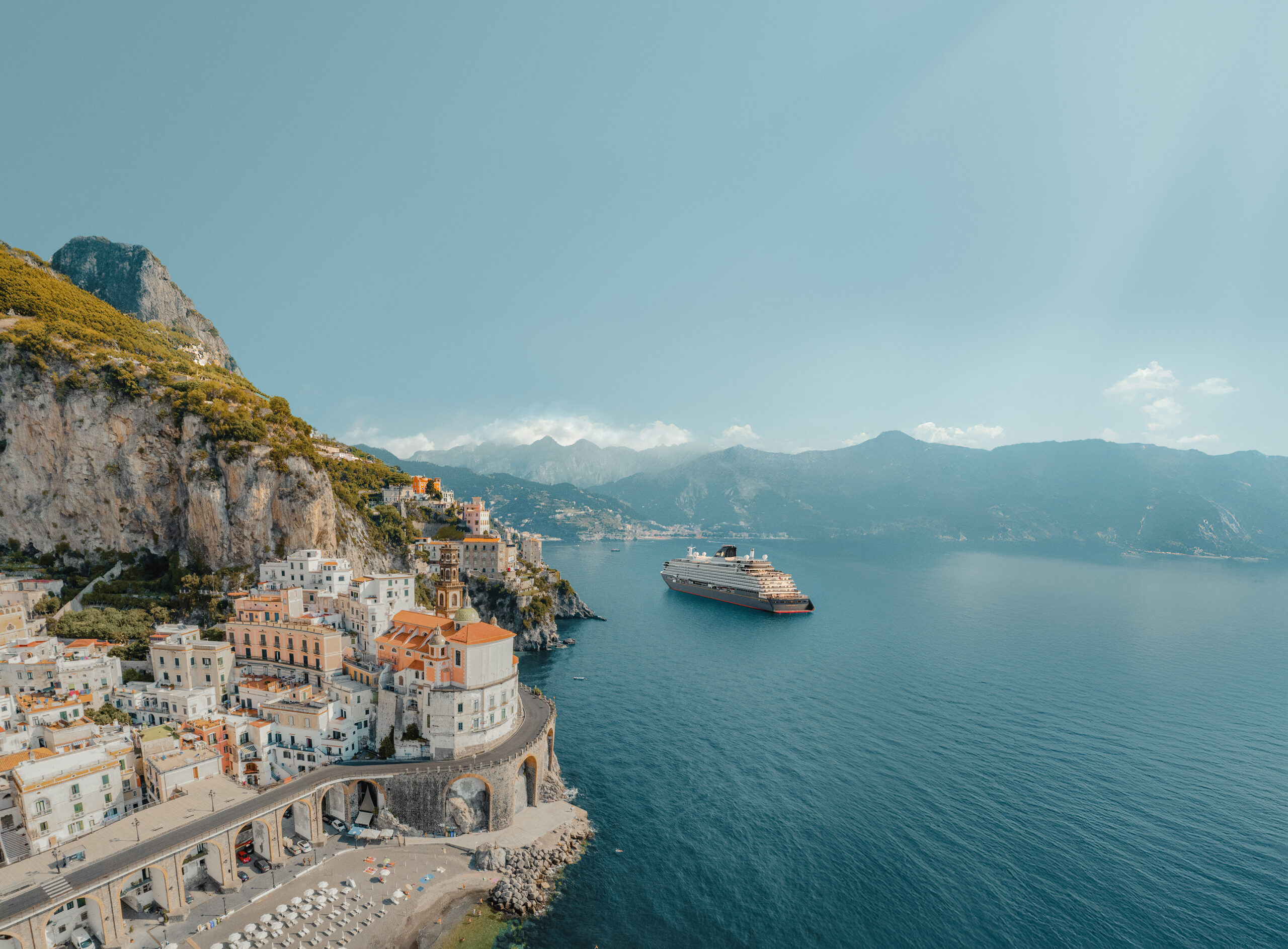
The picturesque little town of Amalfi was once a major Mediterranean naval power, but a devastating earthquake in 1343 cut the city down in its prime and destroyed most of its historic buildings. These days, of course, Amalfi is best known for the eponymous stretch of stunning coastline on which it sits.
The captivating island of Capri has much to offer, from the ruins of Roman villas to gorgeous private residences surrounded by flower-filled gardens. You might also want to explore the famous Blue Grotto, with its intense azure interior and ethereal silvery light.
One of the world’s great cities, Rome continues to dazzle and delight visitors with a potent mix of architectural marvels, continent-defining history and buzzing nightlife. The Colosseum, the Vatican and the Forum are among the big ticket items, with the crowds to match, though in truth you will find history around almost every corner.