From Tokyo to Tokyo · Asia · 16 nights
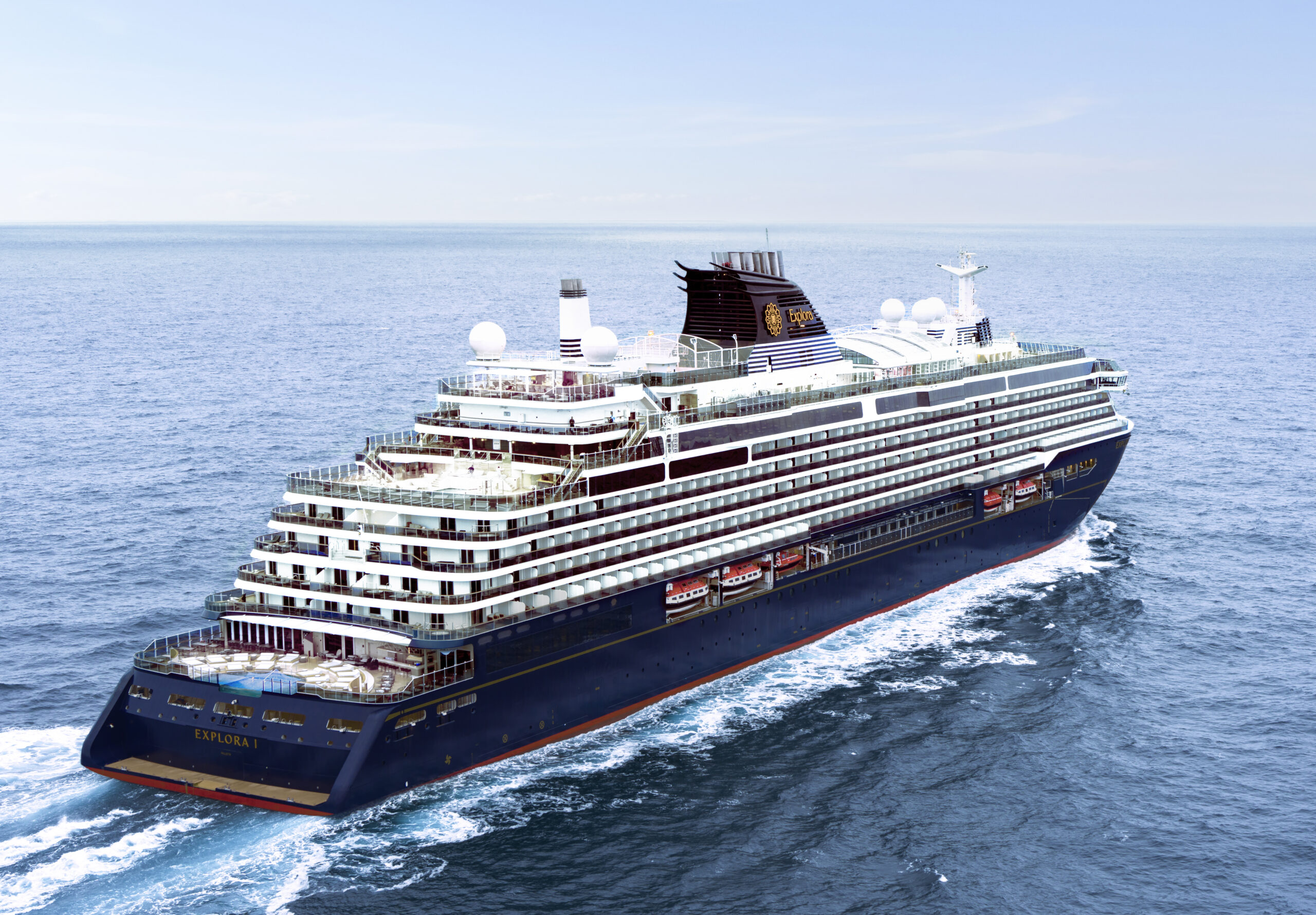
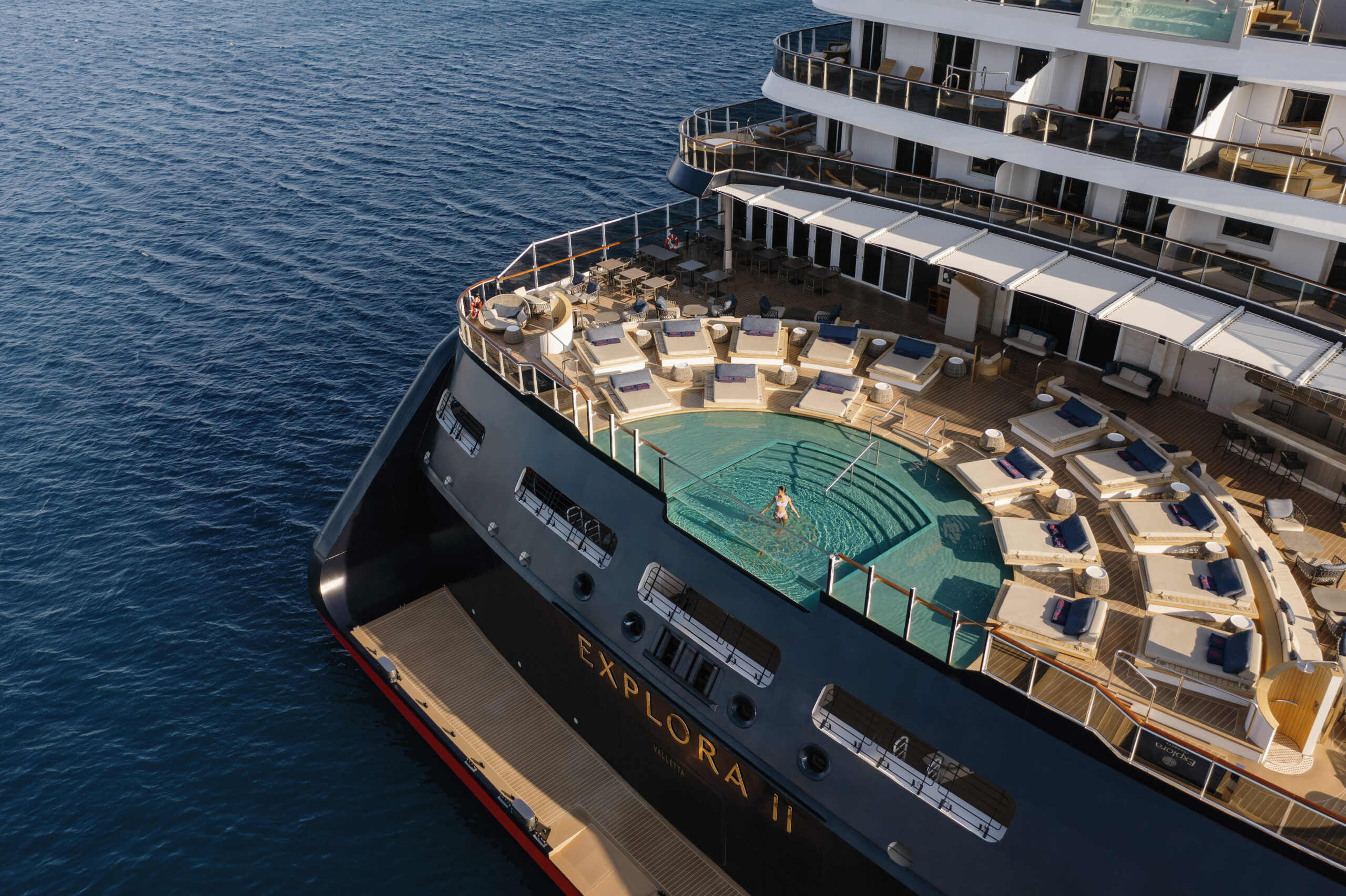
Silver Moon and Silver Dawn represent a subtle evolution from sister ship Silver Muse, with an innovative dining concept and an enhanced spa.
These stylish ships are large enough to offer a wide range of
dining options, including the innovative Sea and Land Taste
(S.A.L.T.) culinary programme, and all-suite accommodation, yet
retain the small-ship intimacy that is synonymous with the rest of
the fleet.
Fly to Tokyo where you will be met at the airport and transferred to your hotel for an overnight stay. The following day, transfer to the pier to board Silver Moon and begin your voyage.
In a state of constant renewal and forever looking to the future, densely populated Tokyo is a dazzling introduction to Japan and its utterly unique culture. With more neon than Las Vegas and more Michelin stars than Paris, it’s a real assault on the senses.
Small in size and cosmopolitan in its outlook, Kobe is a thoroughly pleasant city with a long and distinguished history as one of Japan’s main trading ports. Kobe’s past as a commercial hub is reflected in its architecture, with a number of unusually European-looking houses, as well as a charming, if slightly touristy, Chinatown.
The small, laid back city of Kochi is situated on the south coast of Shikoku island, an important place of pilgrimage for Japanese Buddhists. Three of the 88 temples on the pilgrimage route are in Kochi, and the city is also known for its elegant 17th century hilltop castle.
On 6 August 1945 the world witnessed the terrifying power of nuclear weapons for the first time, unleashed on the unsuspecting Japanese city of Hiroshima. The modern city's sobering Peace Memorial Park commemorates that fateful day, which left more than 140,000 dead.
Busan is South Korea’s second biggest city and one of the world’s busiest container ports, but it’s an easygoing place with a discernibly different character to Seoul. Haeundae beach is a popular summer holiday destination for Koreans, while the pungent Jagalchi market sells every type of fish and sea creature imaginable.
Kanazawa rivals Kyoto for historical significance, though the city is far less overrun with tourists. The 17th-century Kenroku-en garden is the jewel in Kanazawa’s crown, filled with pretty ponds and waterfalls, and the city is also home to exceptionally well preserved samurai and geisha districts.
The city of Aomori, at the northern tip of Honshu island, is best known for its summer Nebuta Matsuri festival, which lights up the streets every August. There is still plenty to see during the rest of the year, including elegant Hirosaki Castle, pretty Lake Towada and the Seiryu-ji Temple, home of the largest Buddha statue in Japan.
Situated at the southern tip of Hokkaido, Hakodate was one of the first Japanese ports to open up to international trade in the 19th century, and a scattering of European-style buildings remain. Take a ride on the historic streetcar, tuck into delicious seafood or enjoy a revitalising dip in an onsen (hot spring).
In a state of constant renewal and forever looking to the future, densely populated Tokyo is a dazzling introduction to Japan and its utterly unique culture. With more neon than Las Vegas and more Michelin stars than Paris, it’s a real assault on the senses.