From Tokyo to Singapore · Asia · 37 nights
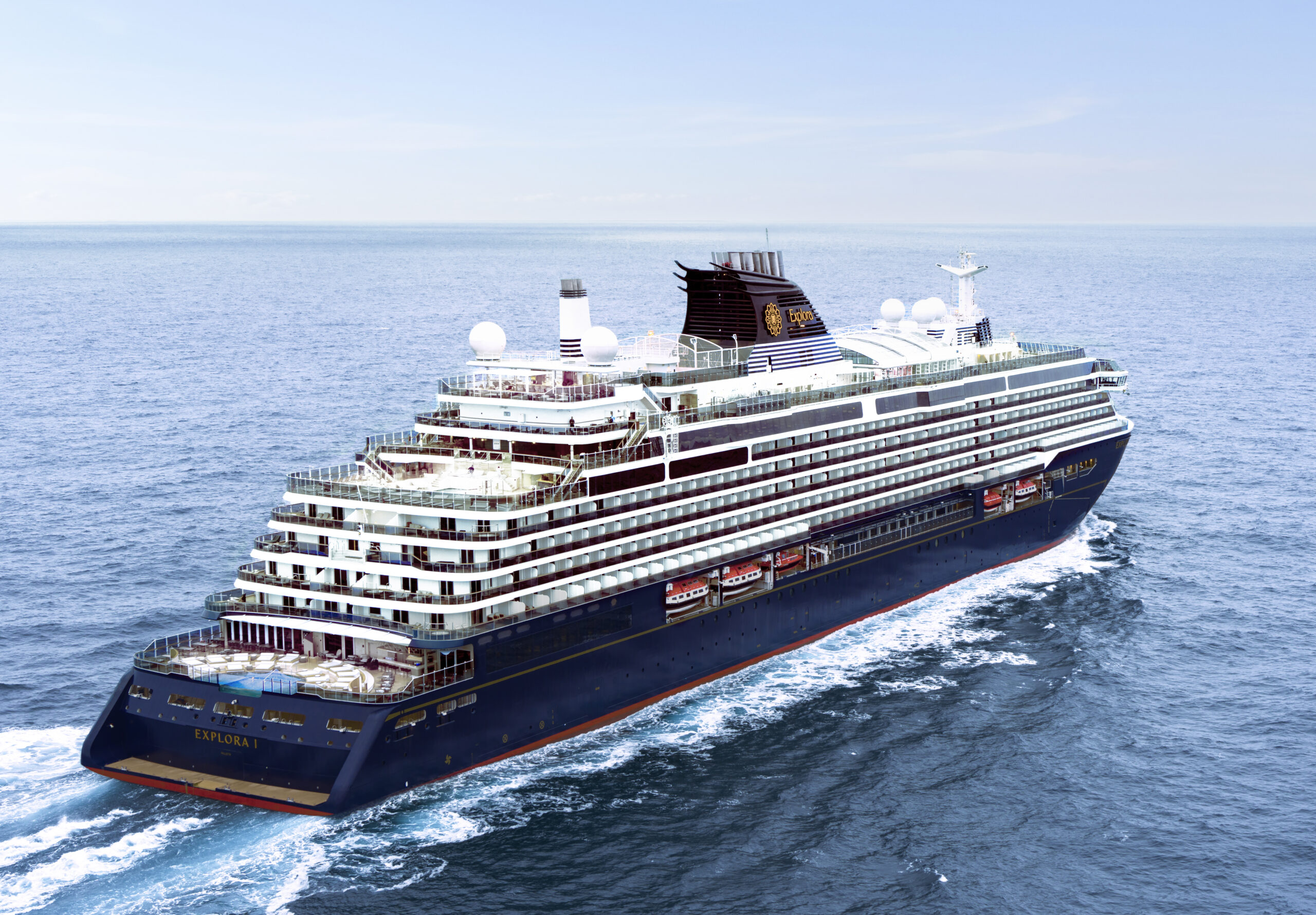
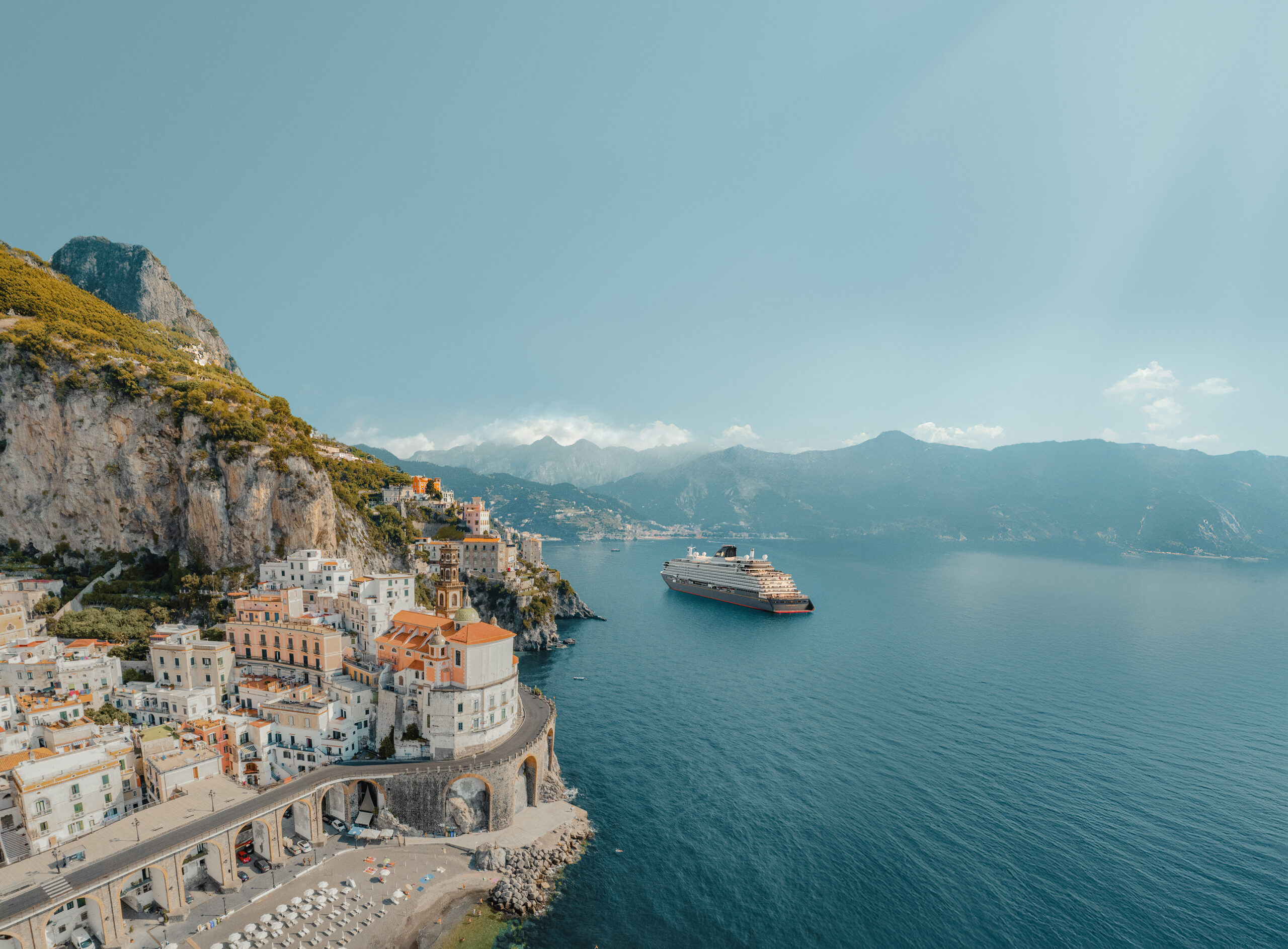
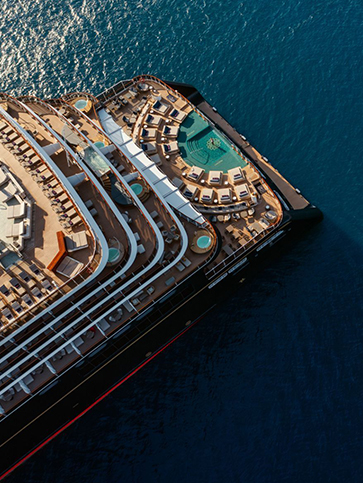
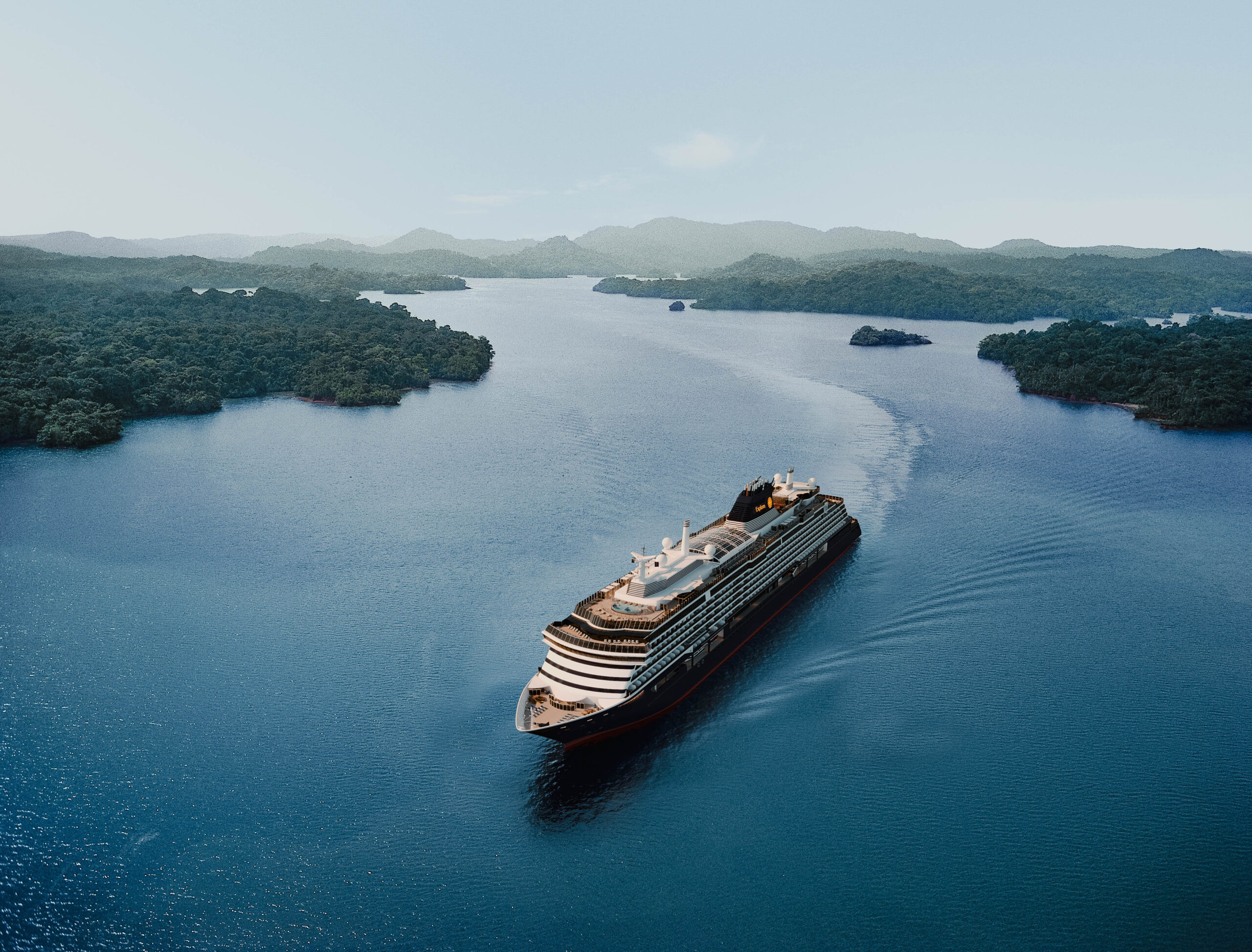
Azamara Journey, Quest, Pursuit and Onward are excellent small ships that offer a welcoming and relaxed club-like atmosphere.
Azamara’s fleet of small ships are focused on providing
destination immersion by spending as much time in port as possible
with itineraries designed to include overnight stays and late
evening departures. Enjoy more time to discover the local culture
and when back on board relax and enjoy a vibrant array of
inclusions.
Tokyo is a dazzling introduction to Japan and its utterly unique culture. With more neon than Las Vegas and more Michelin stars than Paris, it's a real assault on the senses, but an efficient public transport system means it's easy to explore. Asakusa is an atmospheric district where you'll find Tokyo's oldest Buddhist temple, Akihibara spills over with shops selling electronic gadgets, and Harajuku is the place to marvel at the latest colourful Japanese fashions. It's also easy to escape the crowds and find a spot of peace and quiet, with tranquil parks, shrines and lotus ponds dotted around the city.
Shimizu is one of the most spectacular ports in Japan, a sweeping bay in the shadow of the iconic Mount Fuji. You can spend some time admiring the views and wandering through peaceful pine groves, or visit the unique Shimizu Sushi Museum at the S-Pulse Dream Plaza shopping mall.
Osaka, Japan’s third largest city, is a pulsating commercial hub, famous for its food, and the cityscape rivals Tokyo for neon-lit futurism. If you need respite from the urban sprawl seek out Osaka Castle and the surrounding Nishinomaru Garden, a particularly pretty spot during the cherry blossom season.
The small, laid back city of Kochi is situated on the south coast of Shikoku island, an important place of pilgrimage for Japanese Buddhists. Three of the 88 temples on the pilgrimage route are in Kochi, and the city is also known for its elegant 17th century hilltop castle.
On 6 August 1945 the world witnessed the terrifying power of nuclear weapons for the first time, unleashed on the unsuspecting Japanese city of Hiroshima. The modern city's sobering Peace Memorial Park commemorates that fateful day, which left more than 140,000 dead.
Fukuoka is the largest city on the southern island of Kyushu, and has long been an important centre for trade due to its proximity to the Asian mainland, closer to Seoul than it is to Tokyo. It’s a friendly, sunny place, and the city was created by a merger of two towns: Fukuoka, the old castle town, and Hakata, the former merchant district.
The friendly southern Japanese city of Kagoshima enjoys a balmy climate, and sits just across the bay from the very active Sakurajima volcano, which erupts so regularly that an ‘ash forecast’ is included in local weather reports.
Three days after Hiroshima was flattened by an atomic bomb, Nagasaki suffered the same horrifying fate. The reconstruction of both cities has been quite extraordinary; Nagasaki today is a vibrant, cosmopolitan place, with a fascinating history that goes back a lot further than 1945.
Incheon serves as a transport hub for Seoul, South Korea's captivating capital. Seoul is a dynamic metropolis where you can still find tea shops and temples amongst the skyscrapers and neon signs, and the culinary scene is superb, from street food to world class haute cuisine.
Home to 11 million people and an astonishing six UNESCO World Heritage Sites, Beijing is an exhilarating introduction to China’s distinctive history, society and culture. Feast your eyes on the majestic Forbidden City and the Summer Palace, along with spectacular modern architecture such as the iconic Bird's Nest Stadium.
Dalian is an eminently liveable city on the Yellow Sea coast, blessed with a pleasant climate, excellent beaches and a noticeable lack of pollution compared to many Chinese cities. At the centre of Dalian is the vast Xinghai Square, the biggest in the world at a mind boggling 1,760,000 square metres.
Booming Shanghai has long been China’s most outward-looking, cosmopolitan city, as evidenced by the fascinating mixture of European and Asian architecture. The Bund, a riverfront promenade flanked by grand colonial era buildings, is the city's most famous thoroughfare, while the Pudong financial district lights up the city skyline at night with its futuristic towers.
Hong Kong is a striking mix of ancient and modern, Chinese and British, and there is a lot more to the city than just skyscrapers and high finance. It's also a fantastic destination for foodies, a melting pot of culinary influences from around Asia and beyond.
Almost 2,000 limestone islands and karst formations are scattered across the remarkable World Heritage Site of Ha Long Bay, said to have been created when a dragon fell to earth. A cruise on a small junk boat is the best way to see the many islands and caves, and it's also a great place to explore by sea kayak.
Da Nang is the largest city in central Vietnam, and was the site of a major US airbase during the Vietnam War. The main point of interest in the city itself is the excellent Cham Museum, while nearby attractions include Hoi An, the Marble Mountains and the imperial citadel of Hue.
Saigon, as it was known then, was the capital of the South during the Vietnam War, and American-style capitalism has been embraced more enthusiastically here than in the North, with a clutch of shining skyscrapers standing as testament to Vietnam’s surging economic growth.
Thailand’s sprawling capital is an assault on the senses, an invigorating blend of tradition and modernity. Soaring skyscrapers, air-conditioned shopping malls and an efficient public transport system combine with shimmering golden temples, ancient palaces, floating markets and at times gridlocked rush hour traffic.
Attracting everyone from budget backpackers to ostentatious oligarchs, Koh Samui is one of Thailand’s most popular islands. It’s no surprise, given the truly stunning beaches, but the more developed areas such as Chaweng have lost a lot of their charm, so head for the quieter south and west if you can.
Singapore’s heritage as an important trading post means that there is a real cultural mix, with four official languages: English, Chinese, Malay and Tamil. Step away from the gleaming towers and you’ll find yourself transported into another world amongst the intoxicating streets of Chinatown and Little India.