From Athens (Piraeus) to Fusina · Mediterranean · 20 nights
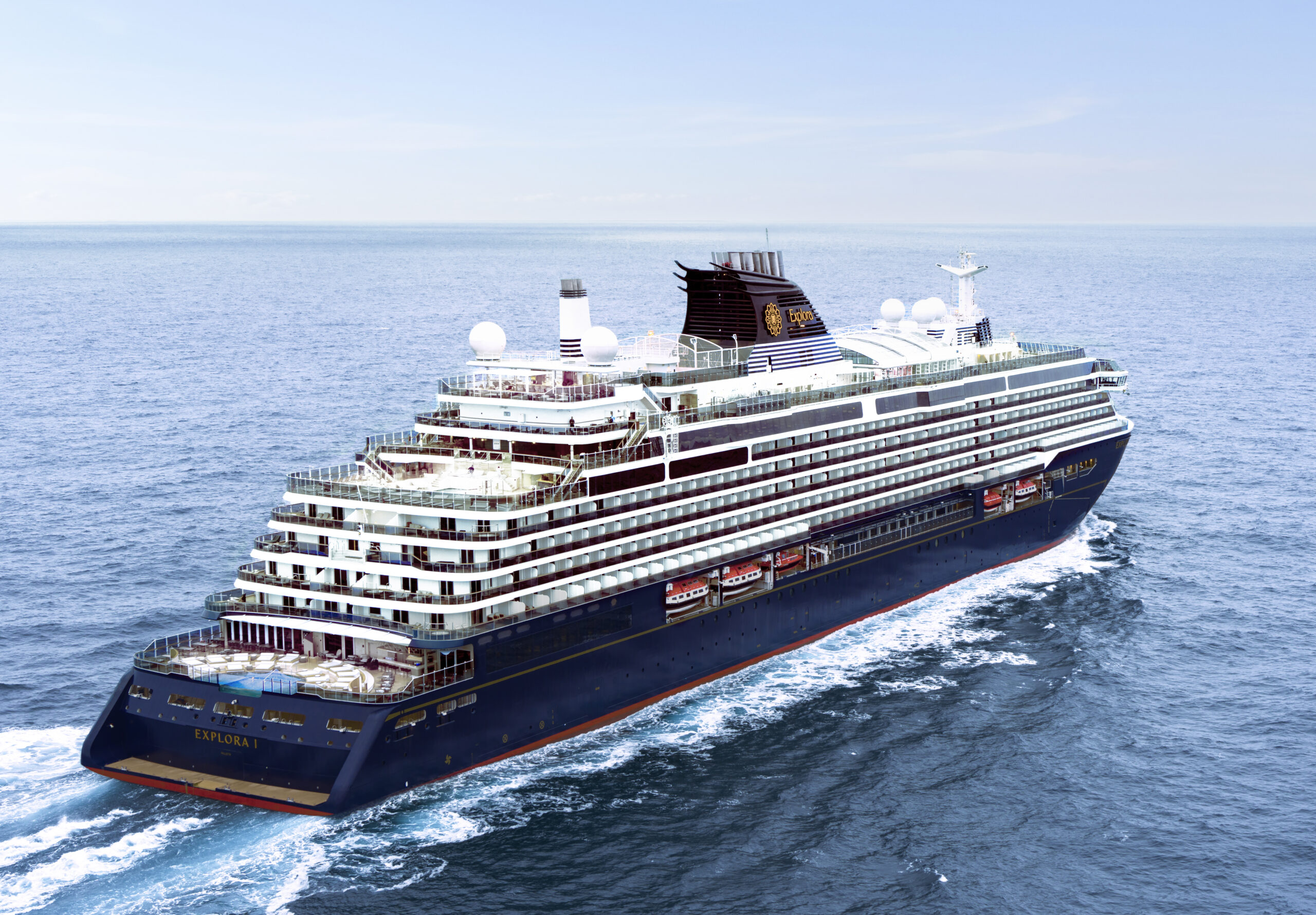
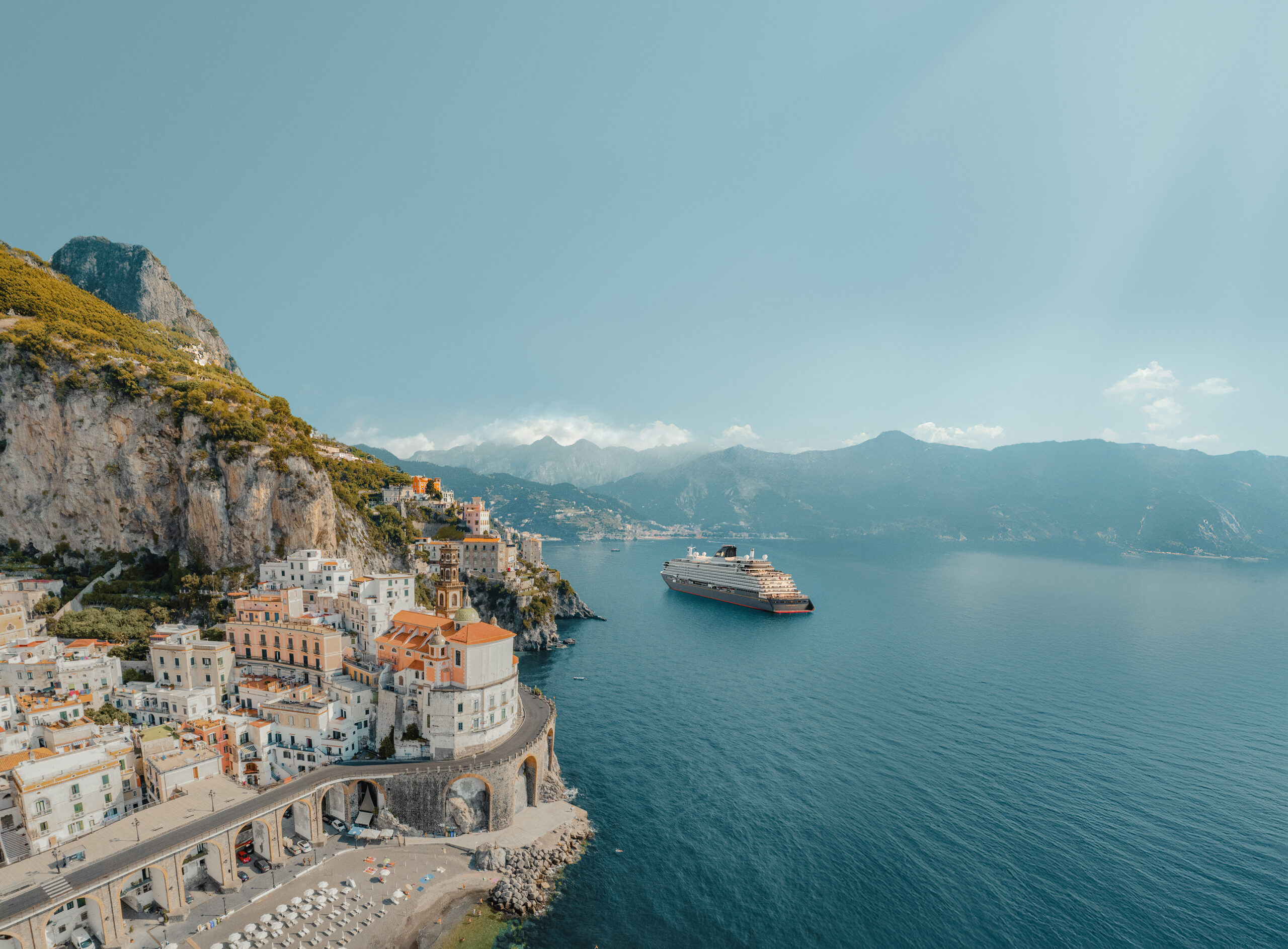
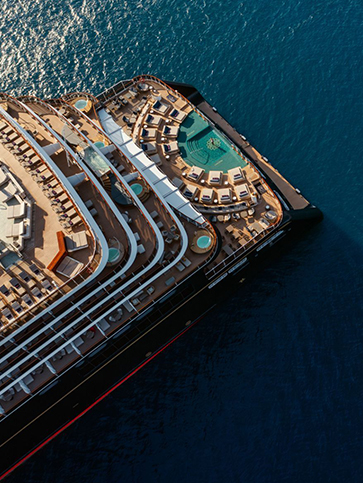
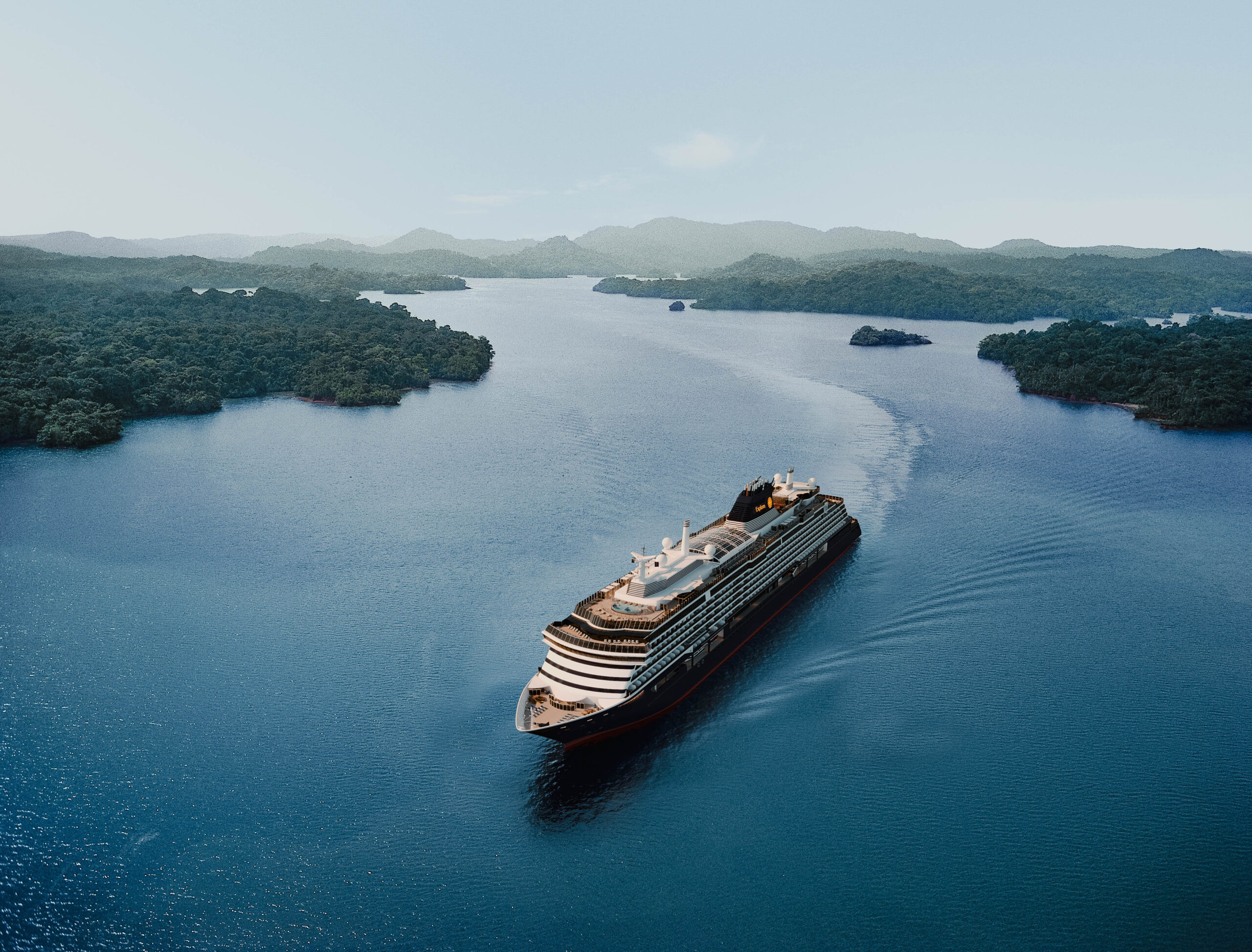
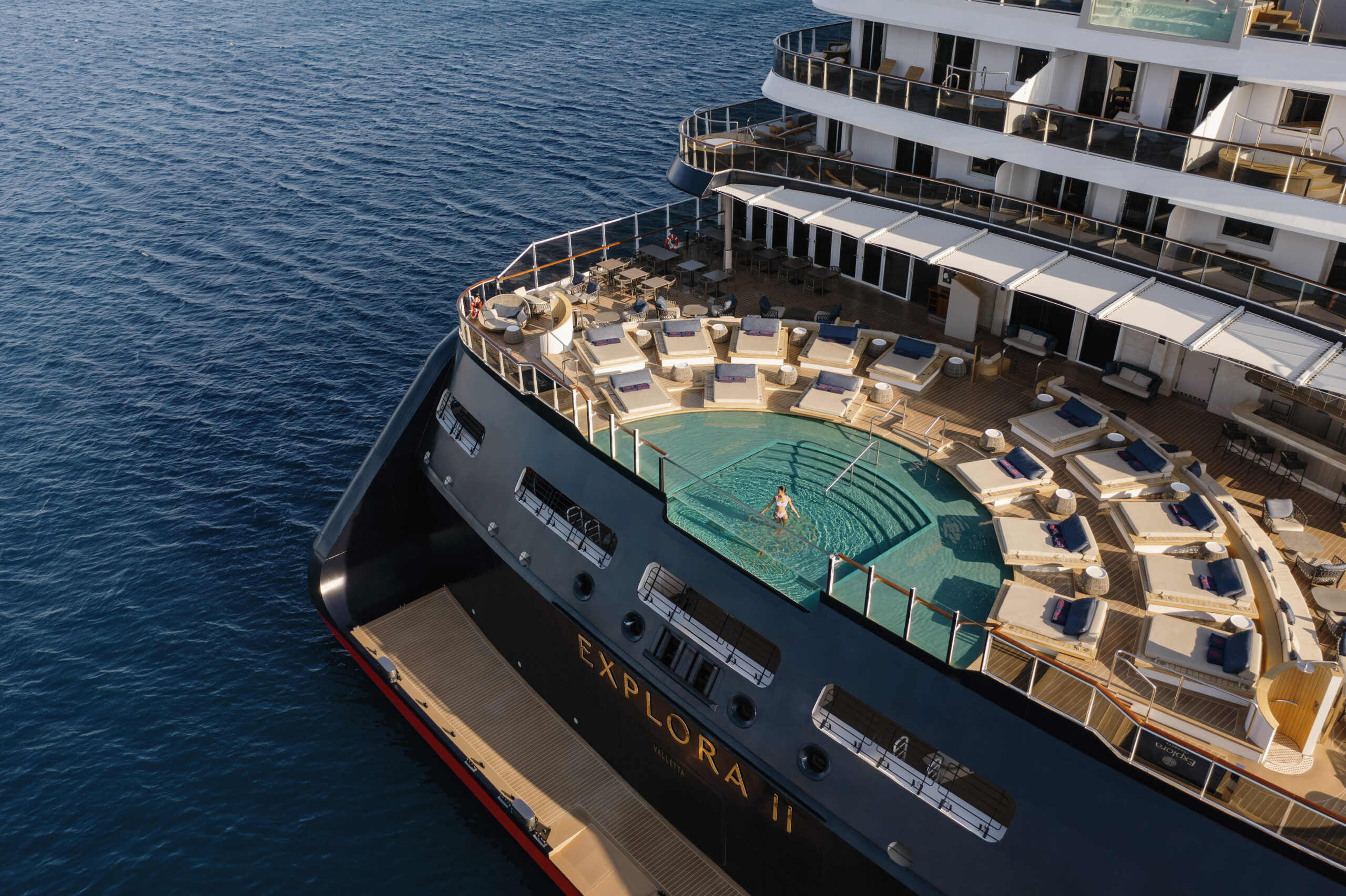
When luxury goes exploring, you are on a Regent ship. Seven Seas Explorer takes the Regent experience one step forward.
Just 746 guests enjoy the perfect balance of space and intimacy
on Seven Seas Explorer. With plenty of comfort and great value for
money, she steps up the classic Regent luxury offering with their
signature spacious accommodation, a relaxed and unpretentious style
and loads of good dining choices. The most all-inclusive of all
luxury lines.
Athens is a city awash with historical and cultural significance. Towering over the city are the gleaming columns of the Parthenon, surely one of the most iconic sights in the whole of Europe. And yet Athens is much more than an open air museum; this is a dynamic, bustling metropolis, and a place where history is still very much unfolding. For all its faults, the Greek capital possesses an energy and an optimism that are manifest in everything from the burgeoning art scene to the restaurants and bars that continue to pop up on a regular basis.
The volcanic island of Milos is ringed by pretty beaches and scattered with charming villages, famous as the place where the Venus de Milo was discovered by a local peasant in 1820. Milos is also known as the ‘island of colours’ thanks to its many-hued, mineral-rich cliffs and beaches.
Chania, Crete’s second city, is an alluring blend of architectural styles. The jumble of streets that make up the Venetian old town are remarkably intact, and there are plenty of reminders too of the two centuries of Ottoman rule, such as the imposing harbourfront Mosque of the Janissaries.
Sun-kissed Rhodes, the largest of the Dodecanese islands, is steeped in history; the medieval heart of Rhodes Town was once home to the crusading Knights of St John, and later fell to the Ottoman sultan Suleiman the Magnificent. The hillside village of Lindos, with its pretty whitewashed houses, is another highlight.
Antalya is the biggest and busiest city on the Turkish Riviera, though there’s more to this place than just roasting on a beach. The historic Kaleiçi district is full of lovingly restored Ottoman mansions, and top attractions include the superb collection of classical treasures at the Antalya Museum, with pieces from the nearby archaeological sites of Perge and Aspendos.
Marmaris is one of Turkey’s biggest beach resorts, with the crowds to match. It’s easy to see why so many are drawn here, with a great location on a mountainous bay, but we’d recommend heading further along the coast in search of quieter beaches and picturesque fishing villages.
The Turkish port of Kusadasi is the gateway to Ephesus, one of the most spectacular archaeological sites in the Eastern Mediterranean. This was the Roman capital of Asia Minor, and the remains constitute the most complete classical city in Europe.
Çanakkale occupies a key strategic location guarding the Dardanelles, at the meeting point of the Aegean and the Sea of Marmara. This region of Turkey is full of historical interest, including the battlefields of the disastrous Gallipoli campaign and the ruins of ancient Troy.
Istanbul is the place where East meets West, where Asia Minor reaches out across the Bosphorus and almost touches Europe, and the city remains a bristling, bustling cultural melting pot, the skyline dotted with magnificent minarets and domes.
The Turkish port of Izmir, formerly the Greek city of Smyrna, is a liberal and progressive place where the secularism of Ataturk remains strong. During the Ottoman era this was a melting pot of ethnic groups including Armenians, Jews and Italians, and a cosmopolitan atmosphere persists to this day.
Glamorous Mykonos is the most popular of the Cyclades islands, well known as a haunt of the rich and the famous. It’s also the gateway to the nearby island of Delos, home to one of the most important archaeological sites in Greece.
Athens is a city awash with historical and cultural significance, but it's much more than an open air museum; this is a dynamic, bustling metropolis, and a place where history is still very much unfolding.
Corfu, known as Kerkyra in Greek, is a beautiful island of verdant hills and rocky coves, and away from the more crowded resorts it remains a sleepy and idyllic place. Don’t miss the picturesque Venetian architecture of Corfu Town, a UNESCO World Heritage Site.
Kotor sits at the head of a beautiful, fjord-like bay, hemmed in by glowering mountains. The compact, walled old town is Montenegro’s star attraction, a warren of little alleyways and shady squares that is often described as a ‘mini Dubrovnik’.
We never fail to be moved when we see the terracotta roofs and honey-golden walls of Dubrovnik, and a stroll around the perfectly preserved old town is a highlight of any visit to the Dalmatian coast. Make sure you take the time to walk around the walls and soak up the marvellous sea views.
Located on the quieter northern stretch of Croatia’s Dalmatian coast, the walled port city of Zadar is an intriguing blend of old and new, where Roman ruins and psychedelic modern art installations sit alongside one another.
Fusina is on the mainland just across the Venetian Lagoon from Venice and is a common embarkation and disembarkation port for those ships who can no longer call into the heart of the city. Convenient for the airport but offering little else in the immediate vicinity, it is in striking distance of Venice by water taxi and the treasures of Venice are well worth the journey.