From Amsterdam to Basel · Europe (River) · 14 nights
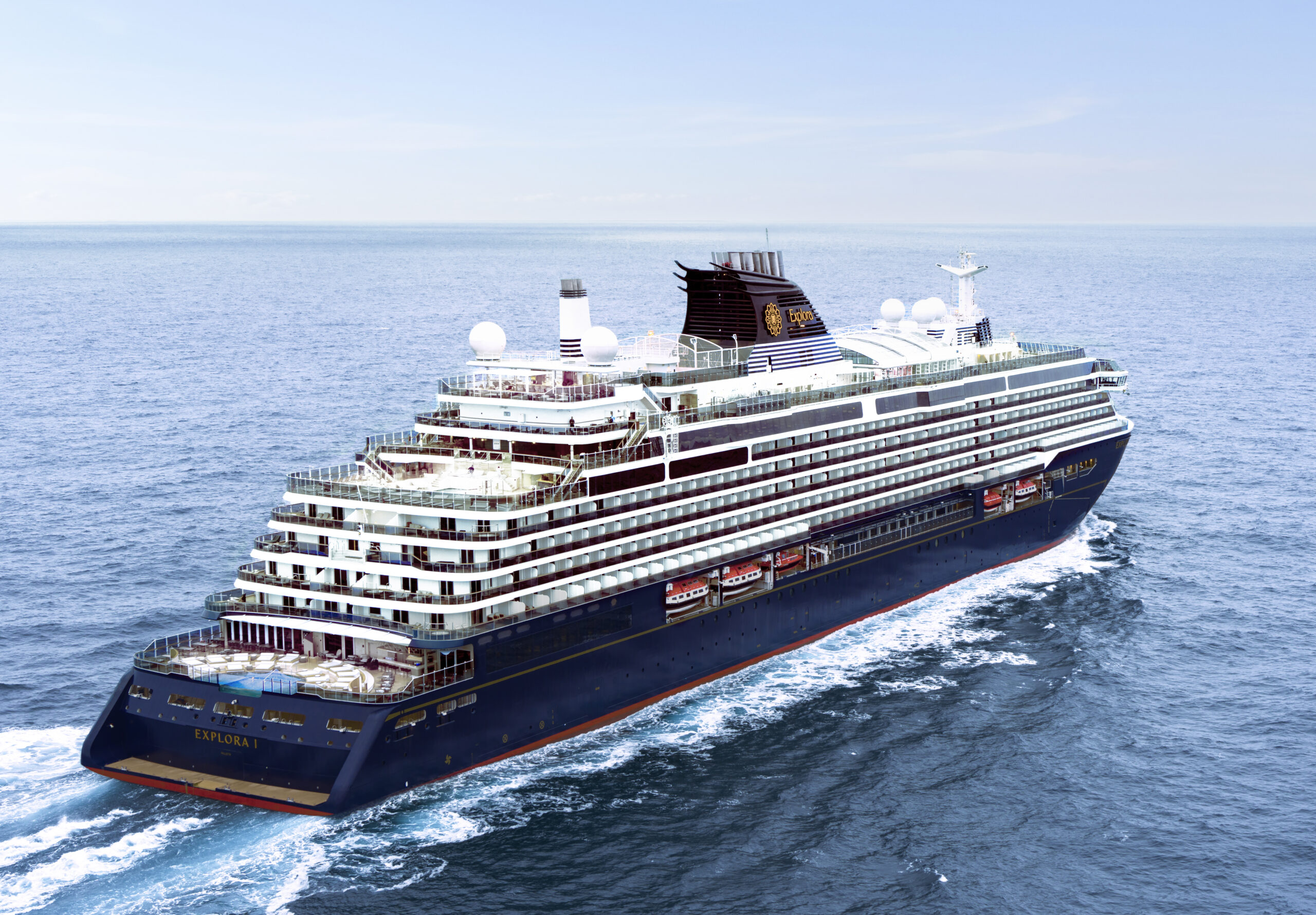
Tauck’s most modern design offers one of the highest space per guest ratios of all European river vessels.
Rich woods are complimented by muted tones, giving these ships
an airy and luxurious feel. The alternative restaurant with outside
seating at the rear is an idyllic place for a relaxed lunch as you
cruise to your next call and the regional cuisine served in the
Dining Room is excellent.
Amsterdam is one of our very favourite cities to visit, as well as also being a perfect base to explore the nearby landscape of windmills and dikes. The Amsterdam canal belt is now officially recognized as a UNESCO World Heritage site, and from them there are so many neighbourhoods to explore, such as the Jordaan with its higgledy-piggledy streets and its famed garden courtyards (hofjes). There are also a wealth of famous museums and galleries to choose from, such as the Van Gogh Museum, the Rijksmuseum and the Anne Frank House, not to mention some more, shall we say, quirky options.
In September 1944 the Allies launched Operation Market Garden, a huge airborne assault designed to establish a bridgehead on the river Rhine. The operation went disastrously wrong at Arnhem, as immortalised in the 1977 film ‘A Bridge Too Far’, and your visit offers the chance to learn more about this infamous battle.
Cologne is a wonderfully warm and welcoming city, its skyline dominated by one of the most beautiful Gothic cathedrals in Europe. You will likely spend most of your time in the attractive Altstadt (Old Town), home to beer halls aplenty and some fascinating museums.
One of the prettiest towns in the Moselle valley, Cochem is a popular stop for river cruise ships. With an old town full of half-timbered houses and a castle perched on a hill it’s a quintessentially German scene, and the riverside promenade is lovely during the sunny summer months.
Tiny Luxembourg's even tinier capital city enjoys a spectacular setting, perched on a dramatic bluff where the Pétrusse and Alzette rivers meet. The UNESCO-listed old town is an unexpected joy to explore, and a sizeable population of foreign workers means that the city is also a very cosmopolitan place.
Trier is Germany’s oldest city, founded by the Romans around 16 BC and home to no less than nine UNESCO World Heritage Sites. Highlights include the Cathedral of St Peter, the Church of Our Lady and countless Roman ruins, and Trier was also the birthplace of Karl Marx, whose childhood home is now a museum.
The pretty town of Bernkastel lies in the heart of the Moselle wine region, and is known for its excellent dry whites based on the Riesling grape. The picturesque half-timbered houses of the old town date back to the Middle Ages, and there are plenty of wine taverns where you can enjoy a glass or two.
Boppard is one of the most attractive towns on the Rhine, situated on a horseshoe bend with a lovely riverside promenade. Take the chairlift up to the Vierseenblick for fantastic views, go hiking in the woods or explore the pretty streets and handsome architecture of the town itself.
Wonderful Heidelberg, with its beguiling old town, dramatic hilltop castle and picturesque bridge across the Neckar river, is one of Germany’s most popular destinations. It's a famous university town, full of both history and youthful vitality, and we could spend hours wandering the intoxicating streets.
Strasbourg is the capital of France’s Alsace region, right next to the border with Germany, and there is a tangible Germanic influence that sets the city a little apart from the rest of France. Highlights include the beautiful Gothic cathedral, the old town’s fairytale half-timbered houses, and the pictureque canals of the Petite France district.
Basel lies where Switzerland, France and Germany meet, a sophisticated and multicultural city with a picturesque setting astride the river Rhine. The medieval Old Town is exceptionally well preserved, best appreciated from the summit of the hilltop cathedral, which offers incredible views across the city.