From Siem Reap to Ho Chi Minh City · Europe (River) · 12 nights
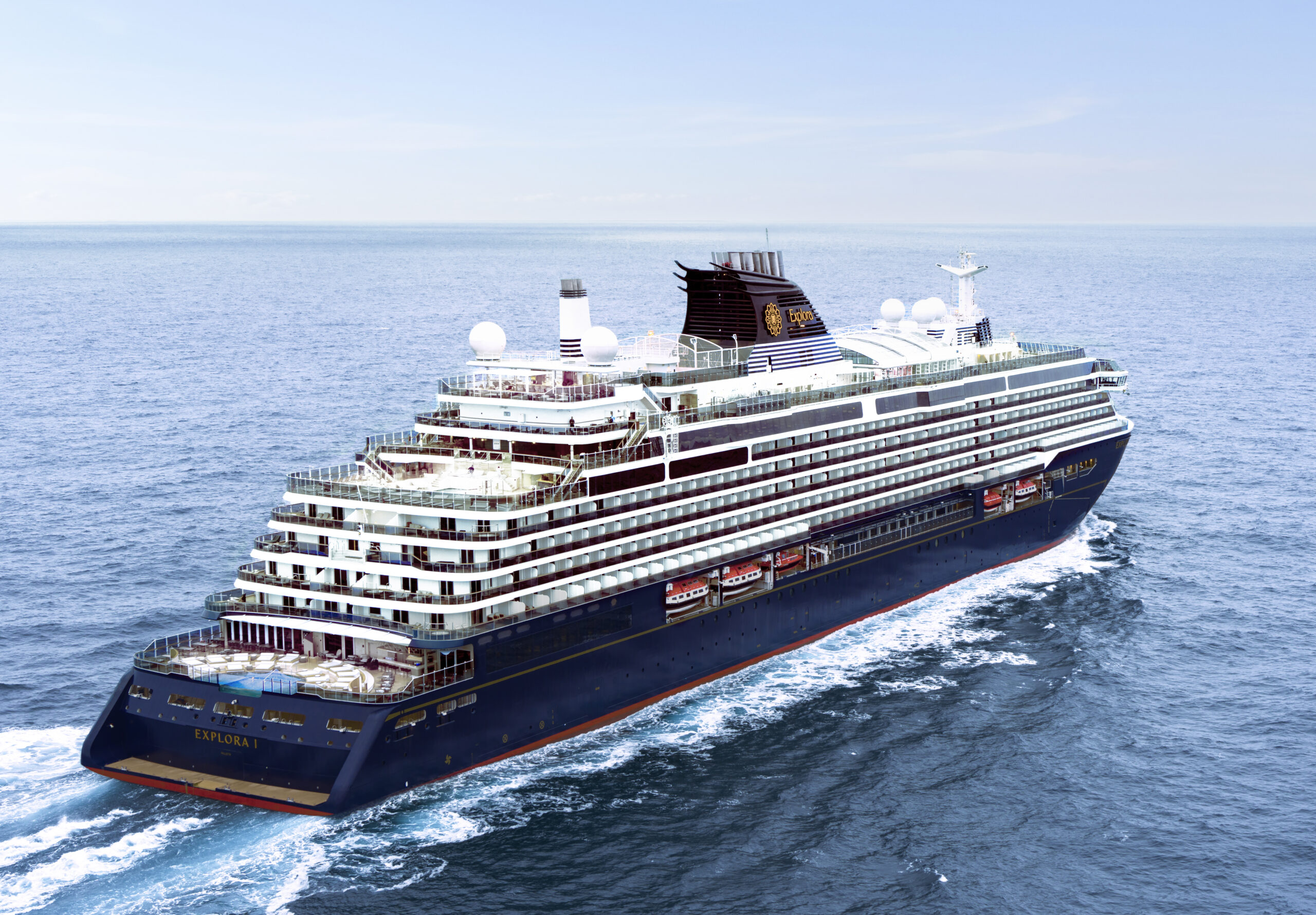
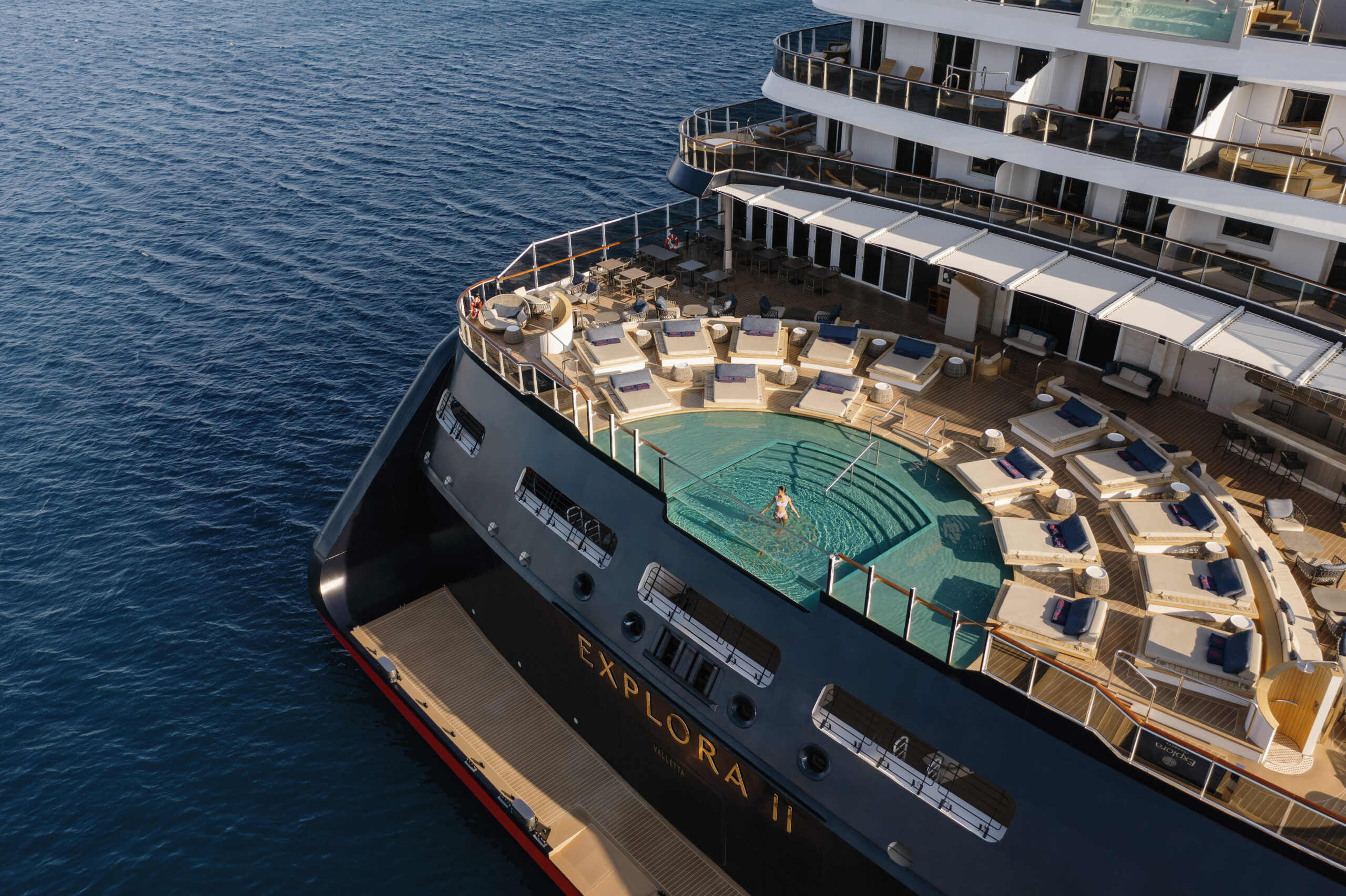
Scenic Spirit accommodates just 68 guests in 34 sumptuous balcony suites, a supremely luxurious way to explore the Mekong River.
Boasting a crew-to-guest ratio of almost 1:1, along with
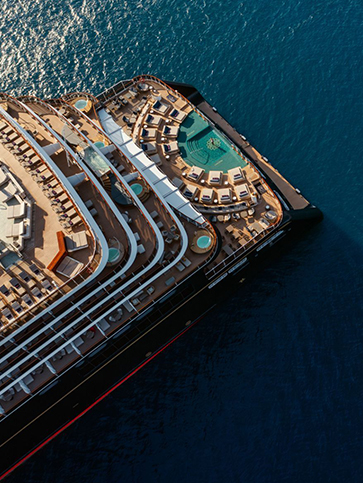
facilities including a swimming pool, steam sauna and open-air
cinema, Scenic’s first foray on to the Mekong is a beautiful vessel
with the feel of a small boutique hotel.
The town of Siem Reap is a pleasant enough place in its own right, but that's not why so many people flock here; this is the gateway to the sprawling ruins of Angkor, the spectacular seat of the ancient Khmer empire. The temple of Angkor Wat is the most famous, and some might say the most beautiful, of the structures that stand amongst the jungle around Siem Reap. We recommend getting here early in the morning if you can, to avoid the crowds. Other notable sights include the ruined city of Angkor Thom and the eerie temple of Ta Prohm, which has been left more or less as it was found, overgrown with vegetation, the stones gripped by huge tree roots.
A visit to Kampong Cham will give you an insight into life in a provincial Cambodian city, well off the normal tourist trail. Situated on a bend in the Mekong river, the city is known for its quirky bamboo bridge which is rebuilt every year, and there are also some interesting temples nearby.
Cambodia’s lively, youthful capital has shown a remarkable resilience in bouncing back from the horrors of the Khmer Rouge regime. The beautiful Royal Palace and Silver Pagoda shouldn’t be missed, while the former Tuol Sleng prison is a harrowing reminder of Phnom Penh’s recent past.
The riverfront town of Sa Dec is one of the most appealing destinations in the Mekong Delta, a laid back and peaceful place where boats laden with flowers from the nearby markets ply the waterways, overlooked by beautiful old French colonial villas.
Cai Be is home to a fascinating floating market, and it’s a great place to observe life along the Mekong. You can learn about the production of rice paper, coconut candy and whisky, and take a trip along the backwaters on a little two-person rowing boat.
Saigon, as it was known then, was the capital of the South during the Vietnam War, and American-style capitalism has been embraced more enthusiastically here than in the North, with a clutch of shining skyscrapers standing as testament to Vietnam’s surging economic growth.