From Sydney to Barcelona · Australia & New Zealand · 93 nights
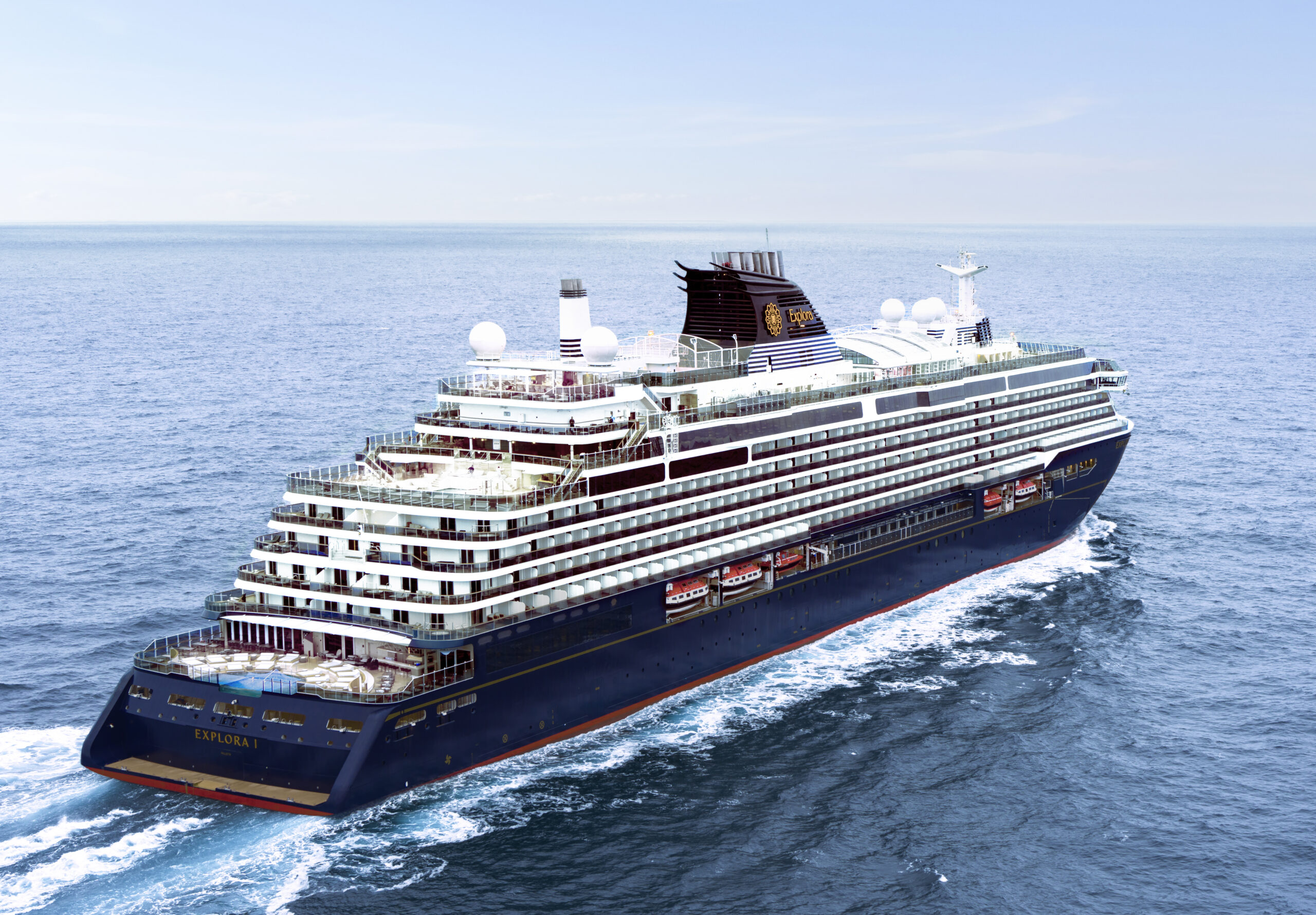
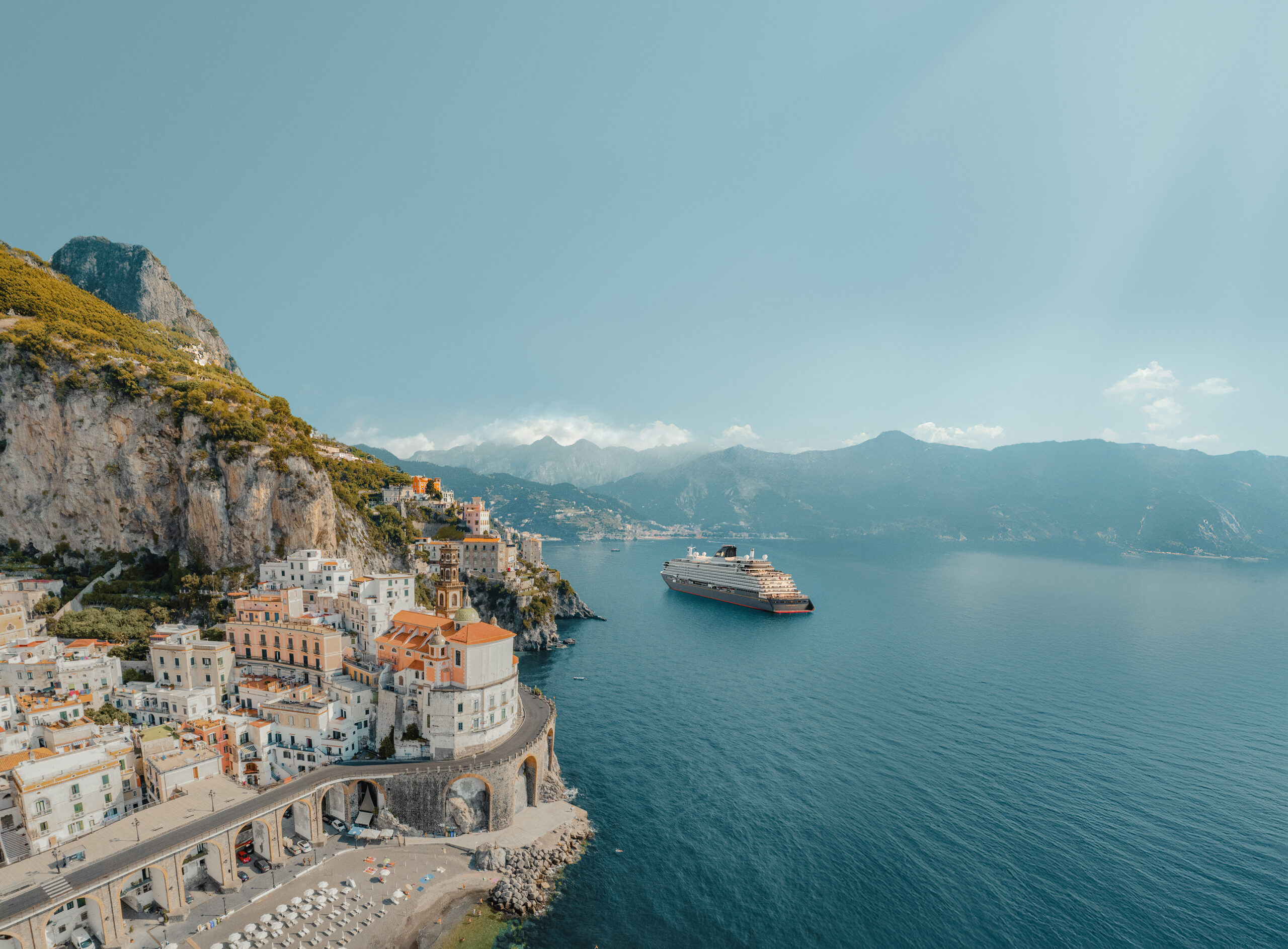
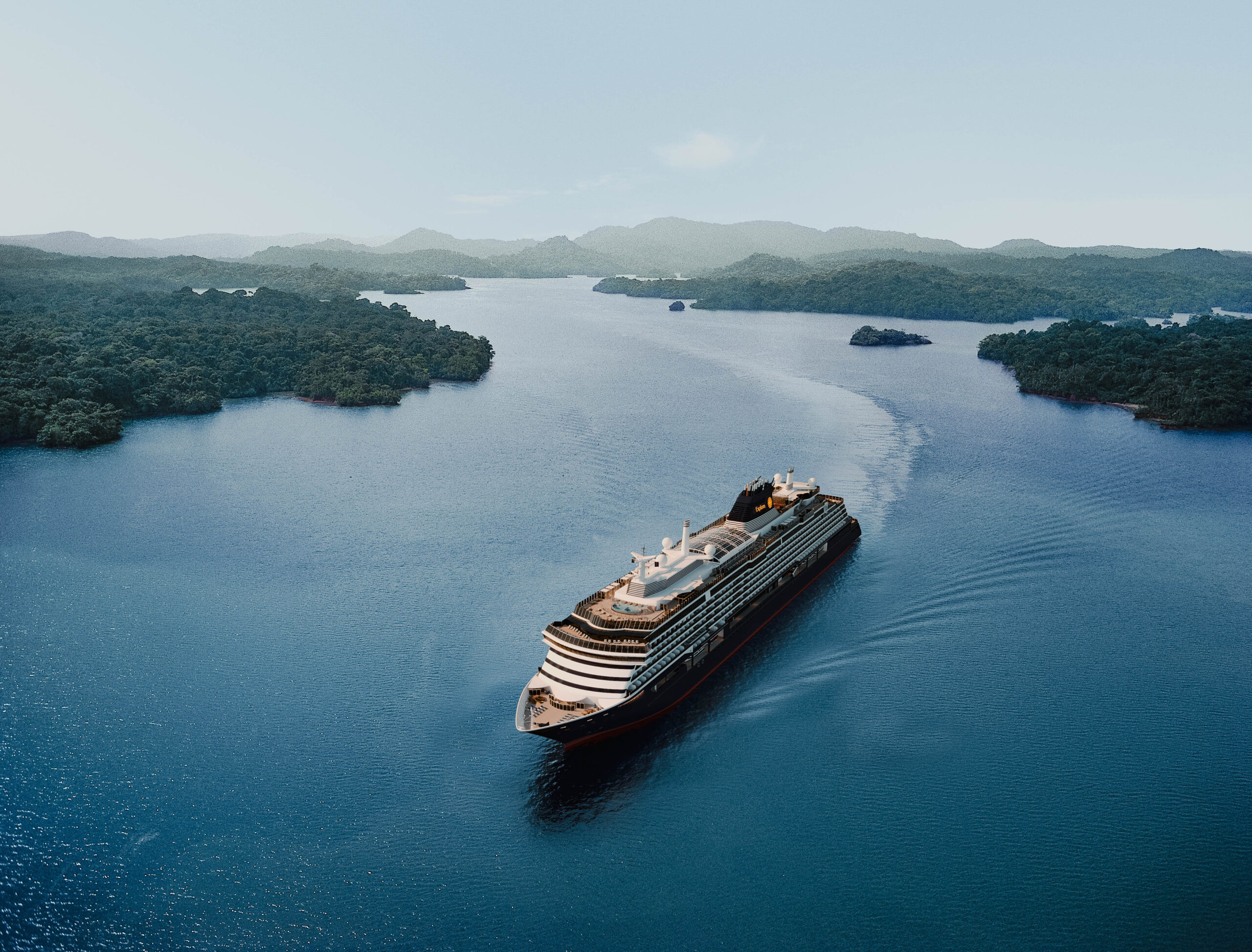
Azamara Journey, Quest, Pursuit and Onward are excellent small ships that offer a welcoming and relaxed club-like atmosphere.
Azamara’s fleet of small ships are focused on providing
destination immersion by spending as much time in port as possible
with itineraries designed to include overnight stays and late
evening departures. Enjoy more time to discover the local culture
and when back on board relax and enjoy a vibrant array of
inclusions.
One of our favourite cities in the world, we love pretty much everything about Sydney. Offering outdoor living at its best, the city is known for the excellent beaches but offers so much more, including a thriving and varied food scene inspired by Asian and European flavours. Walk through the Royal Botanic Gardens and admire the amazing views of the Harbour Bridge and Opera House from Mrs Macquarie's Chair, enjoy the cafés and bars in The Rocks district, walk across the top of the Harbour Bridge (or enjoy the easier option of a view from the top of one of the stone towers) or just relax on the beach.
The port of Newcastle, just to the north of Sydney, is the second oldest city in Australia. Historically associated with convicts and coal mining, Newcastle is reinventing itself as a hip post-industrial city, with plenty of cool bars, restaurants and cultural attractions. It’s also the gateway to the Hunter Valley, one of Australia’s most famous wine regions.
The wonderfully named Mooloolaba stretches along a beautiful golden beach on Queensland’s idyllic Sunshine Coast, and it’s a popular destination for a weekend escape from Brisbane. The seafront Esplanade is the place to be, lined with cafés, boutiques and upmarket restaurants.
The lively town of Airlie Beach is backpacker central, and serves as a transport hub for the many offshore attractions of the east coast. From here you can take a trip out to snorkel on the Great Barrier Reef, or visit the stunning tropical beaches of the nearby Whitsunday Islands.
Cairns is a buzzing tourist hub, gateway to the Great Barrier Reef and the Daintree Rainforest. A snorkelling trip out to the reef is the most obvious excursion to take here, but other options include riding the Skyrail cableway over the rainforest canopy or swimming in the croc-free saltwater lagoon.
More of a large town than a city, Darwin is less about what’s contained within the city limits and more about the huge expanse of wild landscape that’s outside it. Closer to Jakarta than Sydney, the city really does feel remote in its tropical perch.
Komodo Island is situated within an area of spectacular natural beauty, home to the famous Komodo dragon. The stunning beaches are tinged with pink thanks to the high concentration of red coral just offshore, and the waters draw intrepid divers from all over the world.
The beaches, spectacular volcanic scenery and lush green rice terraces lend Bali a natural beauty that seems to dovetail perfectly with the island’s distinct Hindu culture, which adorns the landscape with stunning temples.
Celukan Bawang is the main port in northern Bali, with quite a different feel to the more touristy parts of the island. Here you can see the magnificent Bugis schooners of Sulawesi, and nearby sights include the former Balinese capital of Singaraja, the wildlife sanctuary of West Bali National Park and the black sand Lovina Beach.
Sandakan is the former British capital of Borneo, and is still home to a few old colonial mansions, but most visitors are here for the fantastic Sepilok Orangutan Rehabilitation Centre. Other nearby attractions include Gomantong Caves, the Kinabatangan River and the Labuk Bay Proboscis Monkey Sanctuary.
Puerto, as the locals call it, is the capital of Palawan province, founded by the Spanish in 1872. The city is the only major metropolis in this otherwise pristine and sparsely populated region, and the main attraction here is the spectacular Subterranean River National Park just to the north.
Coron is the name of both the largest town on Busuanga Island, in Palawan province, and of a smaller island just offshore. This region is the ancestral home of the Tagbanua people, and the waters surrounding the islands offer some excellent diving, with numerous Japanese shipwrecks from the Second World War lurking on the seabed.
Manila is a sprawling, chaotic conglomeration of soaring skyscrapers, faded colonial facades and ramshackle slums, and it’s certainly not everyone’s cup of tea. But if you have the stamina and an inquisitive nature, there is plenty to be enjoyed in the Philippines’ boisterous capital.
Hong Kong is a striking mix of ancient and modern, Chinese and British, and there is a lot more to the city than just skyscrapers and high finance. It's also a fantastic destination for foodies, a melting pot of culinary influences from around Asia and beyond.
Da Nang is the largest city in central Vietnam, and was the site of a major US airbase during the Vietnam War. The main point of interest in the city itself is the excellent Cham Museum, while nearby attractions include Hoi An, the Marble Mountains and the imperial citadel of Hue.
Saigon, as it was known then, was the capital of the South during the Vietnam War, and American-style capitalism has been embraced more enthusiastically here than in the North, with a clutch of shining skyscrapers standing as testament to Vietnam’s surging economic growth.
Thailand’s sprawling capital is an assault on the senses, an invigorating blend of tradition and modernity. Soaring skyscrapers, air-conditioned shopping malls and an efficient public transport system combine with shimmering golden temples, ancient palaces, floating markets and at times gridlocked rush hour traffic.
Attracting everyone from budget backpackers to ostentatious oligarchs, Koh Samui is one of Thailand’s most popular islands. It’s no surprise, given the truly stunning beaches, but the more developed areas such as Chaweng have lost a lot of their charm, so head for the quieter south and west if you can.
Singapore’s heritage as an important trading post means that there is a real cultural mix, with four official languages: English, Chinese, Malay and Tamil. Step away from the gleaming towers and you’ll find yourself transported into another world amongst the intoxicating streets of Chinatown and Little India.
Malaysia’s capital is a hot and humid cultural melting pot, defined by its distinctive Malay, Chinese and Indian communities. The dazzling Petronas Towers are KL’s most recognisable landmark, while at street level you’ll find temples and mosques, elegant colonial buildings and bustling markets.
Investment has poured into Hambantota since the city was devastated by the 2004 tsunami, and this is now one of South Asia’s biggest ports. Hambantota is a jumping off point for Yala National Park, famous for its leopards, and the less well known Bundala National Park, rich in birdlife including flamingos and storks.
Colombo may be a little chaotic, but there is plenty to recommend Sri Lanka's colourful capital. Faded colonial architecture and beautiful Buddhist temples hint at the city's considerable history, while the excellent restaurants, lively bars and characterful streets provide the perfect introduction to contemporary Sri Lankan culture.
The low-lying reef-protected atolls of the Maldives, set in the crystal clear turquoise waters of the Indian Ocean, are the perfect place to relax and unwind. A great choice for a honeymoon or romantic getaway, the Maldives also appeal to active travellers who love watersports, snorkelling and diving.
The lovely island of Mauritius in the Indian Ocean is striking in the contrasts between its mountainous backdrop and beautiful white sand beaches. The capital Port Louis, on the northwest coast, dates back to 1735 and is a busy administrative centre, packed with office workers during the day.
The Indian Ocean island of Réunion is home to an intoxicating cultural mix of French, African and Asian influences. The lush landscape of spectacular lakes and rugged mountains has been shaped by volcanic activity, and the smouldering Piton de la Fournaise is one of the world’s most active volcanoes.
Richards Bay itself is an industrial city with little in the way of tourist sights, but the port serves as a gateway for the many attractions of KwaZulu-Natal province. Head inland and you’ll find traditional Zulu villages, undulating hills and wildlife including crocodiles, hippos and the rare black rhino.
Durban is a real melting pot; not only does the city feel more authentically African than Cape Town, it’s also home to a large Indian community that lends the city a distinctly Asian flavour. The lovely waterfront promenade was revamped for the 2010 World Cup, and the beach is a popular destination for domestic tourists.
Port Elizabeth is home to some nice beaches and a handful of interesting buildings, but it is perhaps not the most exciting city on the Sunshine Coast. There are plenty of things to see and do in the surrounding area, however, and we highly recommend a day trip to the fantastic Addo Elephant Park.
Cape Town is a magical, multicultural city where Africa meets a European-style cosmopolitan atmosphere, creating a vibrant melting pot of cultures and religions. With flat-topped Table Mountain soaring above the city, beautiful natural landscapes, and gardens within the city, you never feel far from nature here.
Sandwiched between the Namib Desert and the wild Atlantic coast, the geographically isolated town of Lüderitz is notable for its surreal Art Nouveau architecture. Most of these colourful buildings date back to the diamond rush period of the early 20th century, when Namibia was a German colony.
Walvis Bay is situated on the edge of a tidal lagoon, sheltered from the Atlantic by a long sand spit. This important wetland area is famous for its birdlife, home to one of southern Africa’s largest flamingo colonies, and it’s a short drive to the city of Swakopmund, known for its quirky German colonial architecture.
Praia is the capital of Cape Verde, set on the south coast of Santiago island. Highlights include a scattering of attractive Portuguese colonial architecture around the Praca Alexandre Albuquerque, while the lively fruit and vegetable market will give you a taste of local life at street level.
Said to have the world's most perfect climate, cosmopolitan Las Palmas is the capital of Gran Canaria and the largest city in the Canary Islands. The charming old quarter, La Vegueta, is where you'll find the city's most interesting colonial architecture, while beach fans should head for lovely Playa de las Canteras.
In recent years Lanzarote has begun to shake off its mass market reputation and reinvent itself as a more upmarket destination. The extraordinary volcanic landscapes and the works of local artist César Manrique give the island a unique appearance, and the understated capital, Arrecife, is well worth exploring.
Rebuilt after a terrible earthquake in 1960, Agadir is Morocco’s most popular beach resort, and there is a relaxed European feel that sets it apart from other Moroccan cities. The beachfront promenade is lovely and the waters are clean and clear, making this a popular winter sun destination.
Bustling and modern, fizzing with industry and commerce, Casablanca is often overlooked in favour of Morocco’s better known tourist draws. But then this is part of its appeal: it’s an authentic and unvarnished city, and it’s also home to the spectacular modernist architecture of the Hassan II Mosque.
Sovereignty of ‘The Rock’ has been a thorny issue ever since Gibraltar was ceded to Britain in 1713, though on the ground it’s clear where most locals’ sympathies lie. Gibraltar is often described as ‘more British than Britain’, a curious enclave of red postboxes, double decker buses and chip shops.
Málaga boasts plenty of chic restaurants and bars where you can ease into the rhythms of life in southern Spain, before exploring sights including the intriguing, unfinished Gothic cathedral, and a museum devoted to the city's most famous son, Pablo Picasso.
From the warren-like medieval streets of the Barri Gòtic to the fantastical modernist architecture of Antoni Gaudí, from the dizzy heights of Mount Tibidabo to the golden sands of Barceloneta, there’s never a dull moment in Barcelona.