From Tarragona to Santa Cruz de Tenerife · Mediterranean · 28 nights
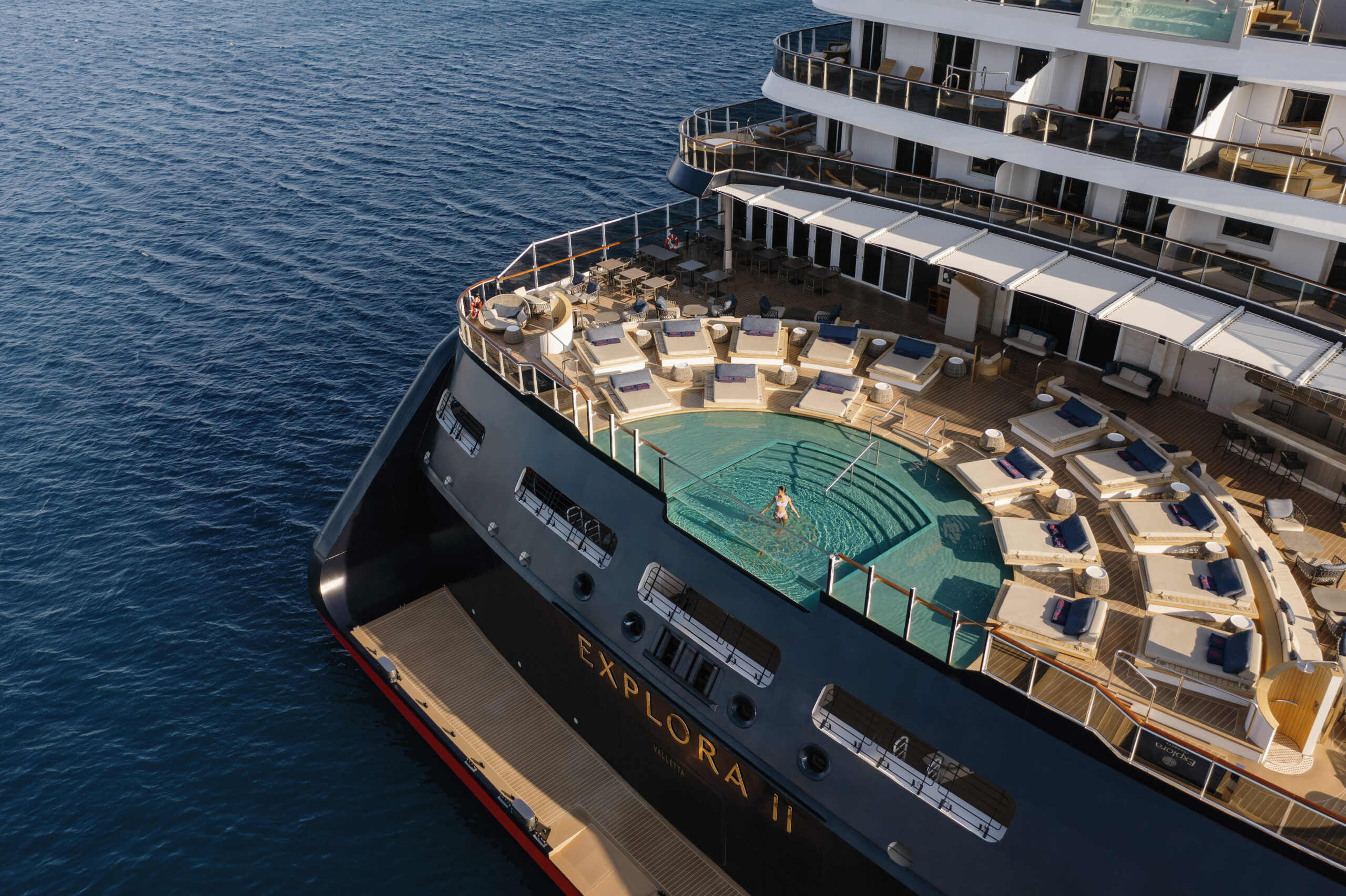
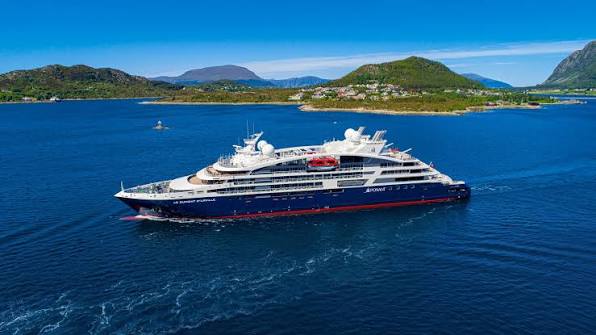
Sister yachts Wind Star and Wind Spirit are both 4-masted sail-assisted ships combining the refinement of a modern vessel with the romance of a tall ship.
Gracious staterooms provide a compact yet comfortable retreat.
Facilities include several dining options, a variety of bars and
lounges, a small swimming pool, whirlpool and even a watersports
platform. Recently refurbished the décor is fresh and modern
throughout.
The busy port of Tarragona, situated on the Catalan coast to the south of Barcelona, is a city full of history. This was the base from which the Romans launched their conquest of the Iberian peninsula, and there are plenty of reminders of this period, including an impressive seafront amphitheatre.
Smaller than Mallorca and mellower than Ibiza, Menorca is rightly feted for its beautiful, unspoilt beaches. The laid back capital, Mahón, is set on the Mediterranean’s largest natural harbour, and the city’s striking Georgian architecture is a reminder of the 18th century British occupation of the island.
Mallorca is renowned for its beaches, ranging from big, bustling resorts to small, secluded coves. The island interior offers ruggedly beautiful scenery and quaint little towns, while the charming capital, Palma, boasts an attractive old quarter dominated by the imposing Gothic cathedral.
Spain’s third city is a dazzling destination that combines historic architecture, cutting edge design and an inviting stretch of beach. Don’t miss the futuristic City of Arts and Sciences, designed by local architect Santiago Calatrava, or the old riverbed, now a delightful park.
Cartagena was founded by the Carthaginians around 227 BC, who named it after their home city in North Africa. These days the city is best known for its well-preserved Roman theatre, which was remarkably only discovered in 1987, in spite of its location in the centre of town.
After years of neglect, Tangier is finally being restored to its former glory as a cosmopolitan crossroads between Europe and Africa. The Moroccan government has invested heavily in modern infrastructure, while the spruced up medina shines with a new-found cultural dynamism.
Málaga boasts plenty of chic restaurants and bars where you can ease into the rhythms of life in southern Spain, before exploring sights including the intriguing, unfinished Gothic cathedral, and a museum devoted to the city's most famous son, Pablo Picasso.
The crumbling, sun-baked seafront city of Cádiz is said to be the oldest continuously inhabited settlement in the western world, founded by the Phoenicians around 1100 BC. Although the city lacks any obvious landmarks, it’s rich in atmosphere, and plays host to one of Spain’s most colourful carnivals.
After years of neglect, Tangier is finally being restored to its former glory as a cosmopolitan crossroads between Europe and Africa. The Moroccan government has invested heavily in modern infrastructure, while the spruced up medina shines with a new-found cultural dynamism.
Bustling and modern, fizzing with industry and commerce, Casablanca is often overlooked in favour of Morocco’s better known tourist draws. But then this is part of its appeal: it’s an authentic and unvarnished city, and it’s also home to the spectacular modernist architecture of the Hassan II Mosque.
Rebuilt after a terrible earthquake in 1960, Agadir is Morocco’s most popular beach resort, and there is a relaxed European feel that sets it apart from other Moroccan cities. The beachfront promenade is lovely and the waters are clean and clear, making this a popular winter sun destination.
Situated on Tenerife’s north eastern shore, the island’s capital is a busy port that serves mostly as a gateway to the popular south west coast and the spectacular volcanic landscapes of the island’s interior.
Once just a sleepy fishing port on the southwest coast of Tenerife, Los Cristianos is now a buzzing resort town that rubs up against the high-rise hotels and lively bars of Playa de las Americas. Enjoy a day at the beach, a round of golf, watersports galore or a trip into the quieter island interior.
Funchal, Madeira’s bustling capital, tumbles down a dramatic hillside towards a beautiful sweeping bay. Highlights include colourful markets, wine lodges and the spectacular cable car ride up to the village of Monte, home of the famous toboggan run.
Many people don’t realise that Madeira is part of an archipelago, but Porto Santo is Madeira’s little sister, known as the ‘Golden Island’ on account of its magnificent sandy beaches. Christopher Columbus lived on the island for a time with his Portuguese wife, and their house in Vila Baleira is now a museum.
The lush volcanic island of La Palma is one of the Canary Islands’ best kept secrets, a place where tourism is still low key and the beautiful scenery is unspoilt by high rise developments. Don’t miss the colourful colonial architecture of the capital, Santa Cruz, reminiscent of the Spanish Caribbean.
Remote, rugged and barely touched by tourism, El Hierro is the smallest of the Canary Islands. The island has been designated a UNESCO Biosphere Reserve, and the small population is entirely sustained by renewable energy. Highlights include dramatic volcanic landscapes, sleepy mountain villages and some fantastic dive sites.
The lovely little city of San Sebastián, set on the golden sands of Playa de la Concha, is a real foodie favourite, famous for its Michelin-starred restaurants and bars serving pintxos (Basque tapas). Spend some time exploring the buzzing old town, and take the funicular to the top of Monte Igueldo for magnificent views.
Situated on Tenerife’s north eastern shore, the island’s capital is a busy port that serves mostly as a gateway to the popular south west coast and the spectacular volcanic landscapes of the island’s interior.