From Bordeaux to Porto Ercole · Mediterranean · 24 nights
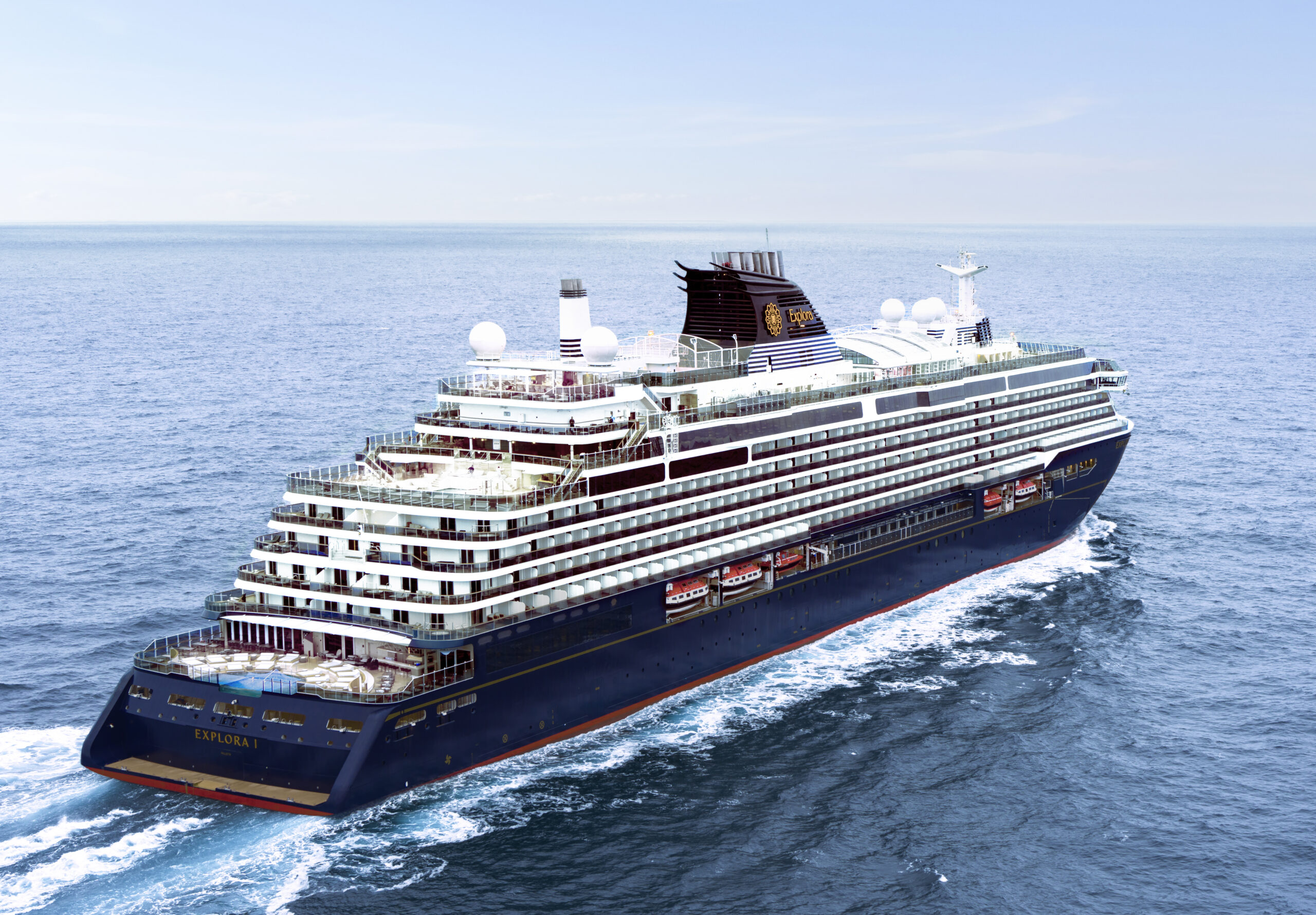
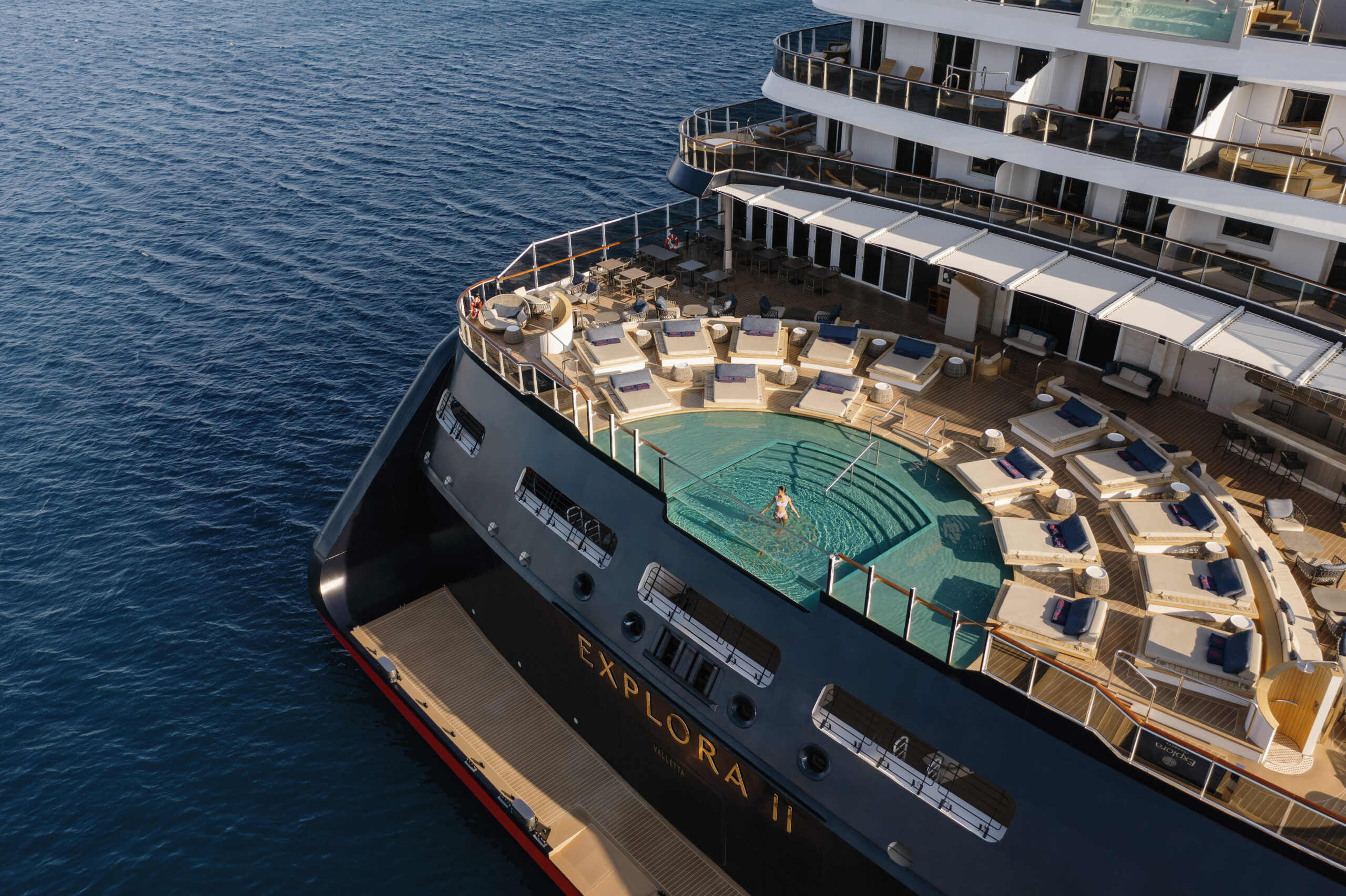
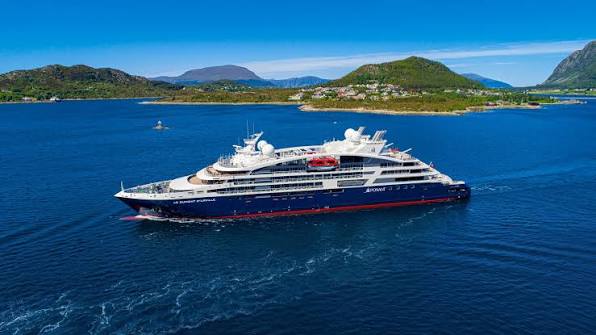
Windstar’s Star Plus Class of vessels – Star Pride, Star Legend and Star Breeze – each carry just over 300 guests and are hugely popular for very good reason.
These small ships accommodate 312 guests in large all-suite
accommodation, following the completion of the Star Plus
refurbishment programme in 2021 which saw the ships lengthened.
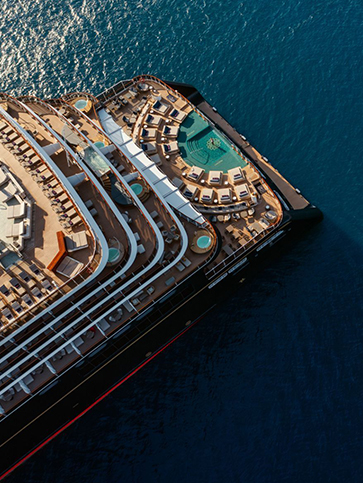
There’s a choice of restaurants, comfortable lounges, and plenty of
deck space, while the ship’s marina ensures you can enjoy the
complimentary watersports when anchored in hidden bays and tiny
coves.
Bordeaux sits at the centre of the world's most famous wine region, and is home to a beguiling blend of beautiful buildings, sophisticated gastronomy and high culture. What's more, the city has been transformed over the last few years: the grandiose 18th century facades have been scrubbed clean, a shiny new public transport system has been installed, and a wonderful new promenade has been created alongside the river Garonne. We think Bordeaux is a marvellous place to spend some time, whether it's a day sampling wines, an evening at the opera or a night on the tiles.
It’s not so long ago that Bilbao was a grim and unappealing place, scarred by heavy industry, but the Basque Country’s biggest city has reinvented itself as a cultural hub since the opening of the shimmering Guggenheim Museum in 1997.
Gijón is the largest city in the Asturias region of northern Spain, an important industrial port but also a lively and youthful place, ideally positioned for exploring the Costa Verde. The most interesting area is the historic fishing village of Cimadevilla, which sits on a peninsula that divides the bay in two.
Vigo is the biggest city in Galicia, Spain’s verdant northwest corner. The city itself is a busy fishing port with limited tourist appeal, but it’s a great base for striking out into the countryside, visiting the lovely Cíes Islands just offshore or joining the pilgrims in Santiago de Compostela, 60 miles to the north.
Blessed with a dramatic setting on the steep banks of the river Douro, Portugal’s second city is currently enjoying something of a renaissance, and is best known as the home of the country’s most famous export, port wine.
Spread across steep hillsides that overlook the Rio Tejo, Lisbon’s colourful cityscape includes Gothic cathedrals, majestic monasteries and quaint museums. But for many the best times will be had wandering the narrow lanes of Lisbon’s lovely backstreets, with their great local food, wine and music.
Seville is a wonderful destination, a sophisticated and sun-kissed city on the banks of the Guadalquivir river. It’s a treat for all the senses, from the smell of orange blossom to the heart-tugging sounds of flamenco, and the highlight of the calendar is undoubtedly Semana Santa, when a spectacular Easter parade fills the streets.
After years of neglect, Tangier is finally being restored to its former glory as a cosmopolitan crossroads between Europe and Africa. The Moroccan government has invested heavily in modern infrastructure, while the spruced up medina shines with a new-found cultural dynamism.
Málaga boasts plenty of chic restaurants and bars where you can ease into the rhythms of life in southern Spain, before exploring sights including the intriguing, unfinished Gothic cathedral, and a museum devoted to the city's most famous son, Pablo Picasso.
Cartagena was founded by the Carthaginians around 227 BC, who named it after their home city in North Africa. These days the city is best known for its well-preserved Roman theatre, which was remarkably only discovered in 1987, in spite of its location in the centre of town.
Spain’s third city is a dazzling destination that combines historic architecture, cutting edge design and an inviting stretch of beach. Don’t miss the futuristic City of Arts and Sciences, designed by local architect Santiago Calatrava, or the old riverbed, now a delightful park.
From the warren-like medieval streets of the Barri Gòtic to the fantastical modernist architecture of Antoni Gaudí, from the dizzy heights of Mount Tibidabo to the golden sands of Barceloneta, there’s never a dull moment in Barcelona.
The bustling fishing village of Palamós is one of the loveliest spots on the Costa Brava, surrounded by beautiful beaches and rugged coves. You can also use your stop here as a jumping off point for exploring nearby medieval villages, the historic city of Girona or the fantastic Salvador Dalí museum in Figueres.
The pretty Provençal fishing village of Sanary-sur-Mer is an agreeable place to spend a day, with a clutch of historic buildings and a lively open-air market. Sanary also has a fine literary heritage, home to a number of exiled German writers during the 1930s, and it was here that Aldous Huxley wrote ‘Brave New World’.
Renowned for its casino, its Grand Prix and its oligarch-friendly tax policies, Monte Carlo is glamour and hedonism personified, with a price tag to match. This little principality enjoys a lovely setting, the villas and penthouses tumbling down the hillside towards the sweeping blue expanse of the Mediterranean.
Few ports conjure up images of glitz and movie star glamour quite so readily as Cannes. May is when the glitterati roll into town for the Film Festival, but there’s still plenty to divert you the rest of the year, including the old quarter, Le Suquet, and the dazzling Croisette.
This tiny village on the Ligurian coast must be one of the most photographed spots in Italy, and no wonder; brightly coloured houses cling to the hillside overlooking a delightfully picturesque little harbour, where fishing boats gently bob alongside luxury yachts.
The island of Elba, just off the Tuscan coast, is where Napoleon Bonaparte was famously forced to live in exile between 1814-15. It’s hard to feel too sorry for him, though; the views from his plush Villa dei Mulini, situated high above the town of Portoferraio, are quite spectacular.