From Copenhagen to Dun Laoghaire (Dublin) · Northern Europe · 18 nights
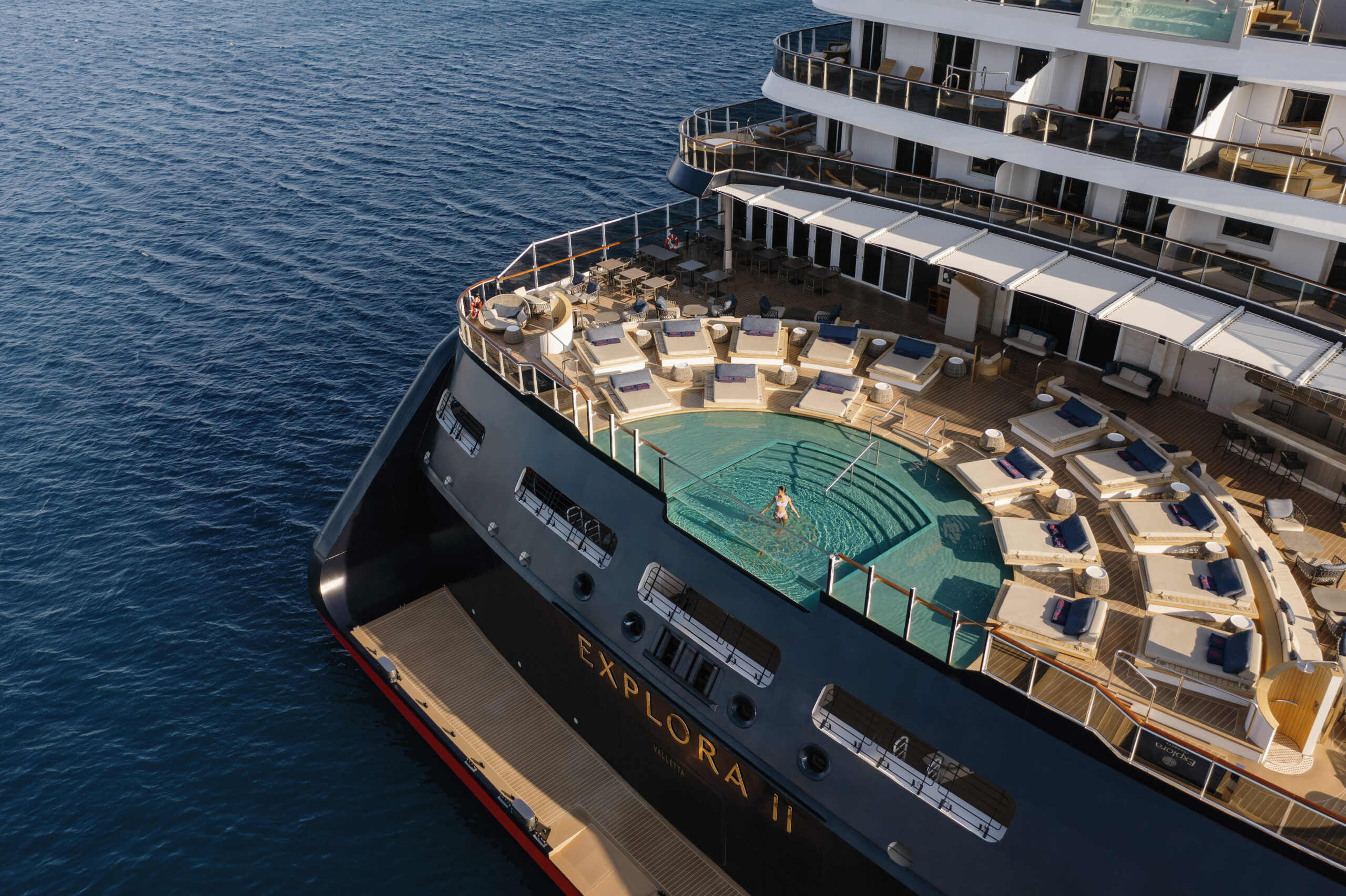
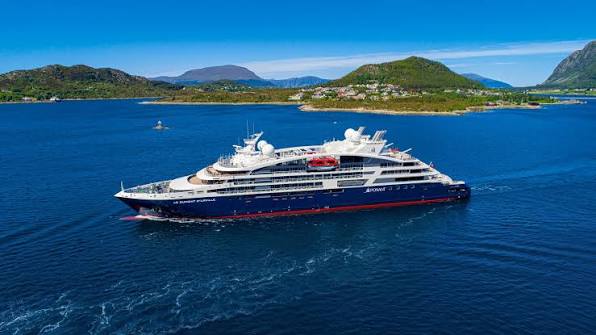
Windstar’s new sister ships, Star Seeker and Star Explorer, will each have 112 suites and a staff-to-guest ratio of 1:2, offering Windstar’s brand of laid-back luxury with some enhancements.
Each yacht will maintain the intimate atmosphere of Windstar’s
other ships, and will feature Windstar’s classic watersports
platform with new staircase access, as well an intimate forward
whirlpool and spacious open deck perfect for Windstar’s famous deck
barbecues, alongside a two-level spa and fitness centre. Dining
options include dishes from James Beard Foundation-affiliated
chefs, as well a Yacht Club café and lounge. Star Seeker joined the
fleet in December 2025, and Star Explorer will join in December
2026.
With a history that dates back to 1043, this small city is full of historic landmarks, significant buildings and interesting sights and museums. It is of course also a history that sits alongside the height of modern Danish design. It is great to explore on foot, by bicycle or by water. Be sure to visit Amalienborg Palace and to walk down the famed shopping street (Strøget). The pretty harbour of Nyhavn is a great location to stop for coffee or lunch and watch the world go by. And of course highlights include the Tivoli Gardens, and the (surprisingly) tiny statue of The Little Mermaid.
Stavanger originally grew rich from its fishing industry, though these days it’s Norway’s oil boom that is powering the city’s economic growth. In spite of this modern gold rush the historic centre of Stavanger retains its charm, and the spectacular Lysefjord is within easy reach of the city.
The city of Molde, at the mouth of the Romsdalfjord in north west Norway, is known for its temperate climate, fertile soil and annual jazz festival. Head up to the Varden viewpoint for a stunning panoramic view over the snow-dusted peaks of the Romsdal mountain range.
Trondheim’s wooden buildings look much as they would have done in the Middle Ages, rebuilt in the same style and layout throughout history. Here also Norway's national sanctuary, Nidaros Cathedral, was built over the grave of St. Olav, Norway's patron saint, with parts dating back to the 12th century.
Olden is a lovely little village surrounded by green meadows and rippling mountain scenery, at the mouth of the Oldeelva river. The most popular excursion is a trip to the nearby Briksdalsbreen, an arm of the vast Jostedalsbreen glacier.
Beautiful Bergen, Norway’s former capital, is a perfect city to explore on foot. Bryggen – the old Hanseatic wharf, and a UNESCO World Heritage site – still has the old harbour timber buildings, whilst other attractions include the funicular up Mount Floyen and the busy fish market.
Cosmopolitan Edinburgh, Scotland’s lovely capital, is located in spectacular countryside, always visible from the city centre. Striking architecture, lots to see and do, and great food mean that your time here will be very busy. And if your visit coincides with the Festival, you have a treat in store.
Invergordon’s deep natural harbour makes it a popular jumping off point for the Scottish Highlands, and most cruise ship visitors will head inland on excursions to Loch Ness, Culloden battlefield or the nearby city of Inverness, capital of the Highlands.
The flat, windswept Orkney Islands, just off the northeast coast of Scotland, have a distinctive Scandinavian heritage that’s discernible in everything from the unusual place names to the ancient Norse architecture of the capital, Kirkwall. Don’t miss the Ring of Brodgar, a fascinating Neolithic stone circle.
The pretty fishing town of Ullapool is a popular gateway to both the Highlands and the Western Isles, bustling with visitors during the summer. There is an excellent museum with exhibits on crofting, fishing and emigration, while just offshore the uninhabited Summer Isles are home to seabirds, dolphins and porpoises.
Tobermory, an old fishing station brightened by a crescent of colourful houses, is the main settlement on the Isle of Mull. This rugged and varied island is one of the most popular destinations in the Hebrides, and is rich in wildlife, home to species including white-tailed eagles, otters and whales.
Disagreements over the correct name for Northern Ireland’s second city date back to 1613, and are unlikely to be resolved any time soon, so let’s focus instead on what the city has to offer. Highlights include the 17th century city walls, a vibrant live music scene and a city centre rejuvenated by Derry’s stint as UK Capital of Culture in 2013.
Rugged and unspoilt, peaceful and perhaps a little parochial, the Isle of Man is proud to be different. The island has its own government, the Tynwald, which is said to be the oldest continuous parliament in the world, as well as its own language and even its own currency, the Manx pound.
The city of Dublin has something for everyone with great shopping, beautiful Georgian architecture, lovely parks, galleries and museums. Everywhere you go you will be bowled away by the jovial Irish welcome. Don’t miss the chance to sample a local pint of Guinness.