From Fuerte Amador (Panama City) to San Juan · South America & Antarctica · 14 nights
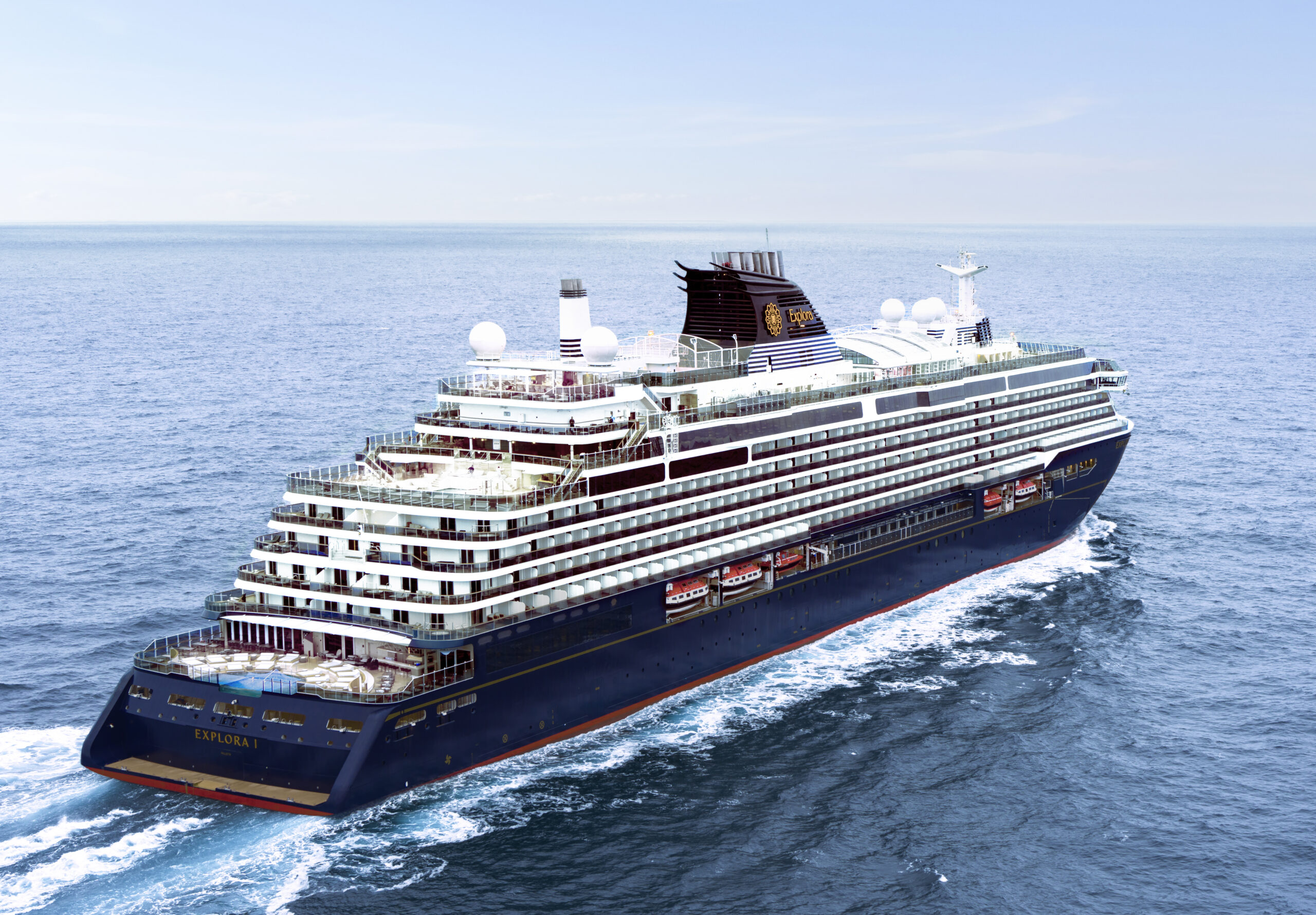
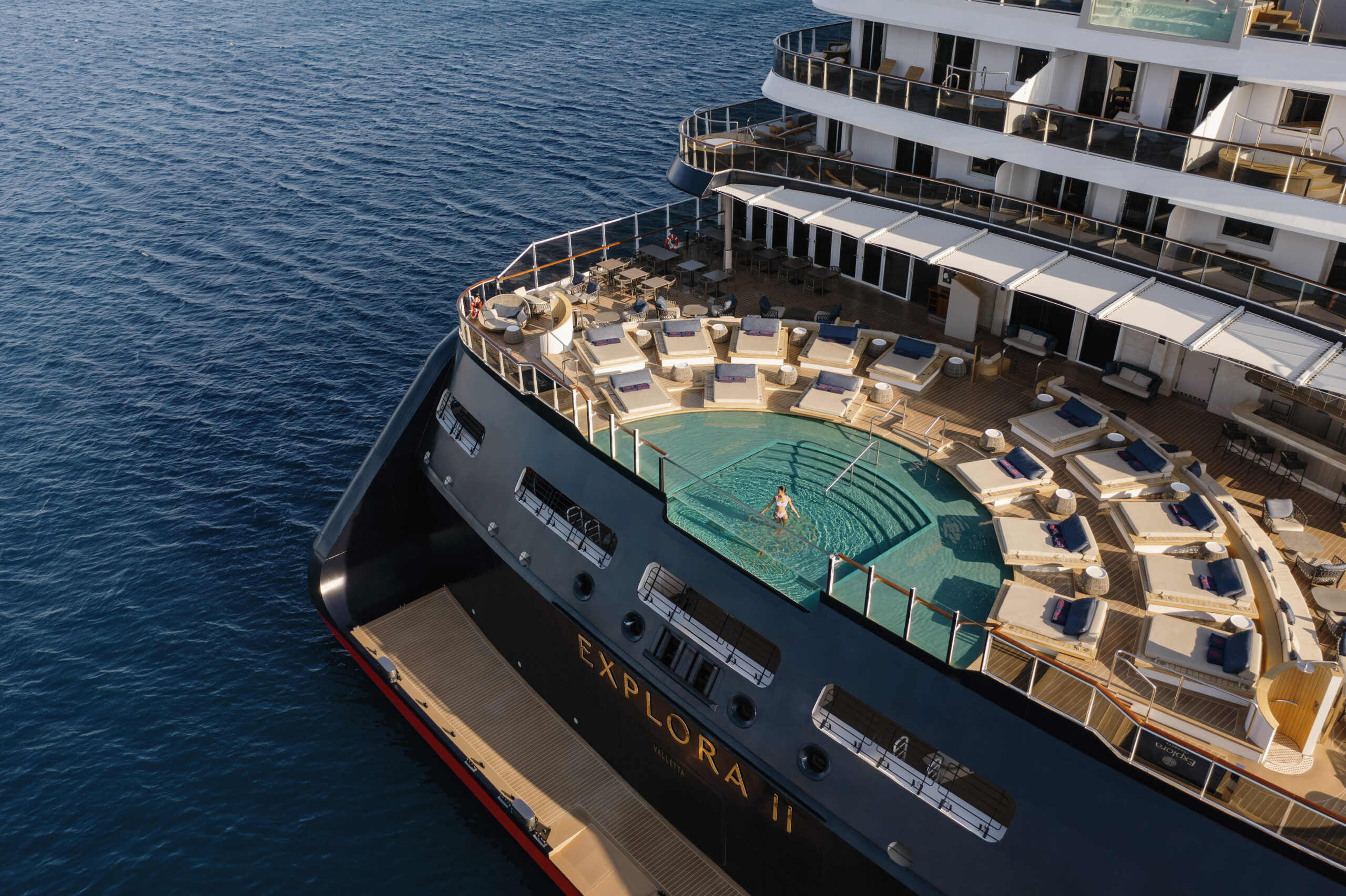
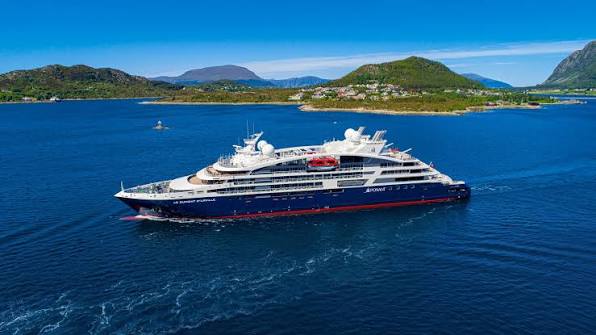
Windstar’s Star Plus Class of vessels – Star Pride, Star Legend and Star Breeze – each carry just over 300 guests and are hugely popular for very good reason.
These small ships accommodate 312 guests in large all-suite
accommodation, following the completion of the Star Plus
refurbishment programme in 2021 which saw the ships lengthened.
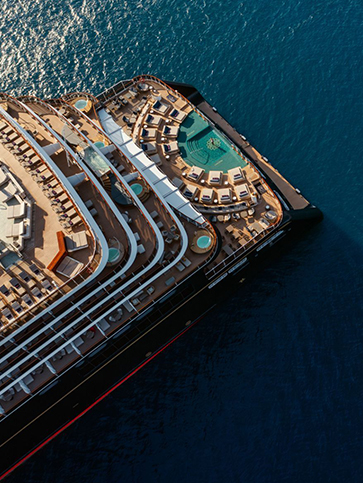
There’s a choice of restaurants, comfortable lounges, and plenty of
deck space, while the ship’s marina ensures you can enjoy the
complimentary watersports when anchored in hidden bays and tiny
coves.
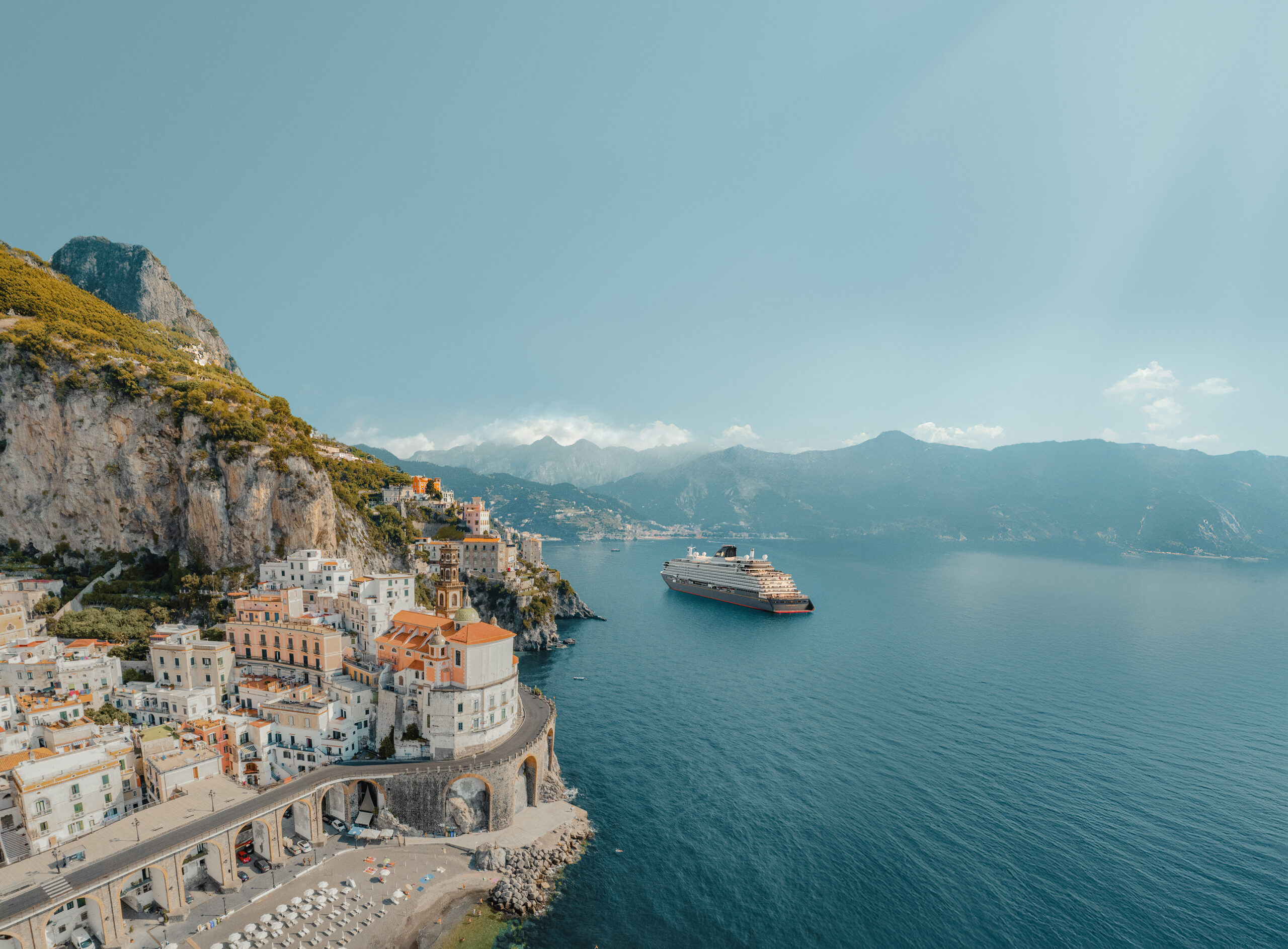
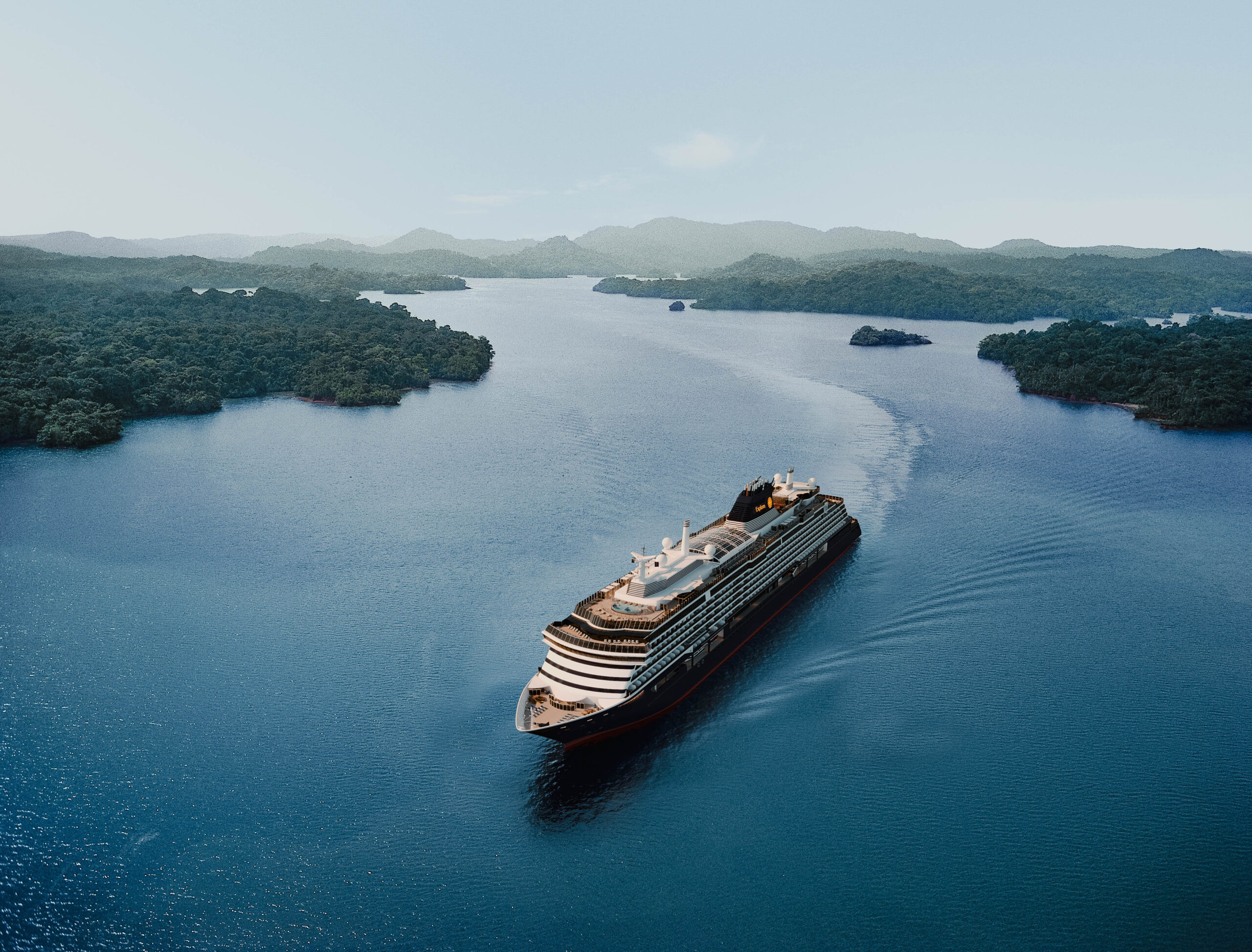
The port of Fuerte Amador sits at the southern edge of Panama City, near the Pacific entrance to the Panama Canal. The shining skyscrapers of the Panamanian capital are a testament to the city's status as a key financial centre, while the tiny Casco Viejo is home to pretty colonial streets, hip hotels and happening bars. If you find the city's chaotic traffic offputting, you may prefer an excursion to the canal's Gatún Lake in search of wildlife including capuchin monkeys and sloths.
The Bocas del Toro archipelago is one of Panama’s most appealing tourist destinations, a collection of idyllic Caribbean islands blessed with beautiful beaches, lush mangroves and wildlife including sloths, iguanas and turtles.
Situated just off the coast of Panama, the idyllic San Blas islands are home to the Kuna Indians, who enjoy political autonomy from the mainland and have an unusual degree of control over tourism to their homeland. Visiting these simple island communities is a privilege, and an insight into an indigenous way of life unsullied by mass tourism.
Cartagena was founded by Spanish conquistadors in 1533, and the beautifully preserved centre is a real highlight of Colombia’s Caribbean coast. The walled old town, the Ciudad Amurallada, is a camera-friendly collection of cobbled streets and colourful, colonial-era buildings.
The tiny Dutch Caribbean island of Aruba, located just off the coast of Venezuela, lies outside of the hurricane belt, meaning it enjoys a largely dry climate, and boasts some of the best beaches in the region, if not the world.
The gabled houses of Willemstad lend an undeniably Dutch feel to the capital of little Curaçao, with a splash of Caribbean colour thrown in. The island itself is not your typical lush tropical paradise - the landscape is characterised instead by thorny shrubs and cacti - but there are some fantastic beaches and quaint little villages.
The quiet, cactus-covered Dutch Caribbean island of Bonaire is internationally renowned for its diving, ringed by spectacular coral reefs that teem with life. The capital, Kralendijk, is home to some pretty colonial architecture, and the island is also known for its flamingos and pink sand beaches.
Gustavia is the chic and petite capital of Saint Barths, a tiny French Caribbean island that’s renowned as a haunt of the rich and the famous. You can certainly live well here if you’ve got the means, with an array of gourmet restaurants and luxury boutiques aimed squarely at the A-list. The beautiful beaches, on the other hand, are free and open to all.
The idyllic island of Jost Van Dyke, named after an early Dutch settler, is known for its laid back vibe and friendly beach bars, including the famous Foxy’s, which counts Keith Richards amongst its past customers. It’s a place to kick back and relax, and the clear blue waters are also perfect for snorkelling.
Founded by the Spanish in 1521, Puerto Rico’s capital is the second oldest European settlement in the Americas. Modern San Juan is a bustling city, home to over a third of the island’s population, but the cobbled streets of the Old Town remain the biggest tourist draw.