From Leith (Edinburgh) to Reykjavik · Northern Europe · 18 nights
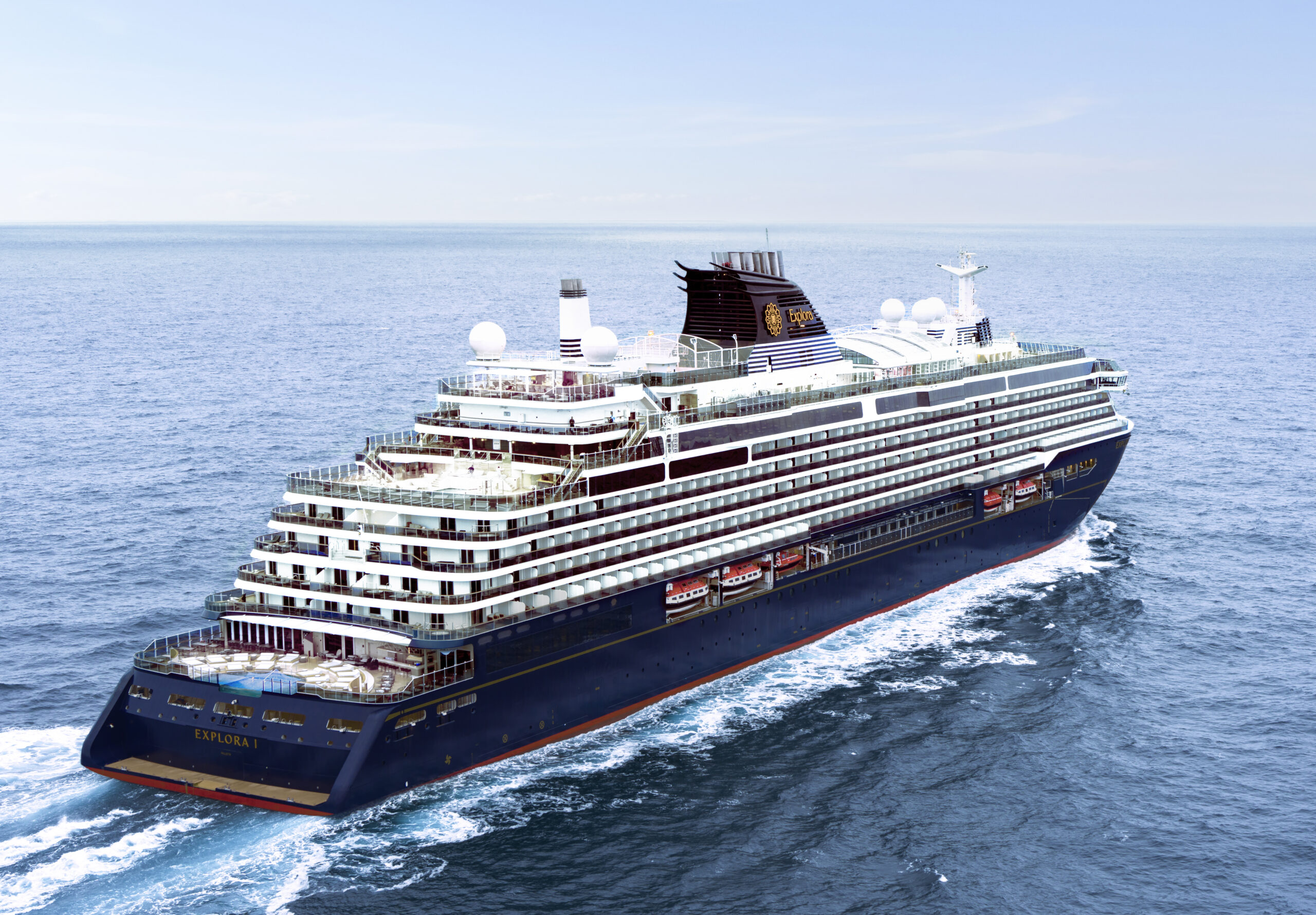
Windstar’s Star Plus Class of vessels – Star Pride, Star Legend and Star Breeze – each carry just over 300 guests and are hugely popular for very good reason.
These small ships accommodate 312 guests in large all-suite
accommodation, following the completion of the Star Plus
refurbishment programme in 2021 which saw the ships lengthened.
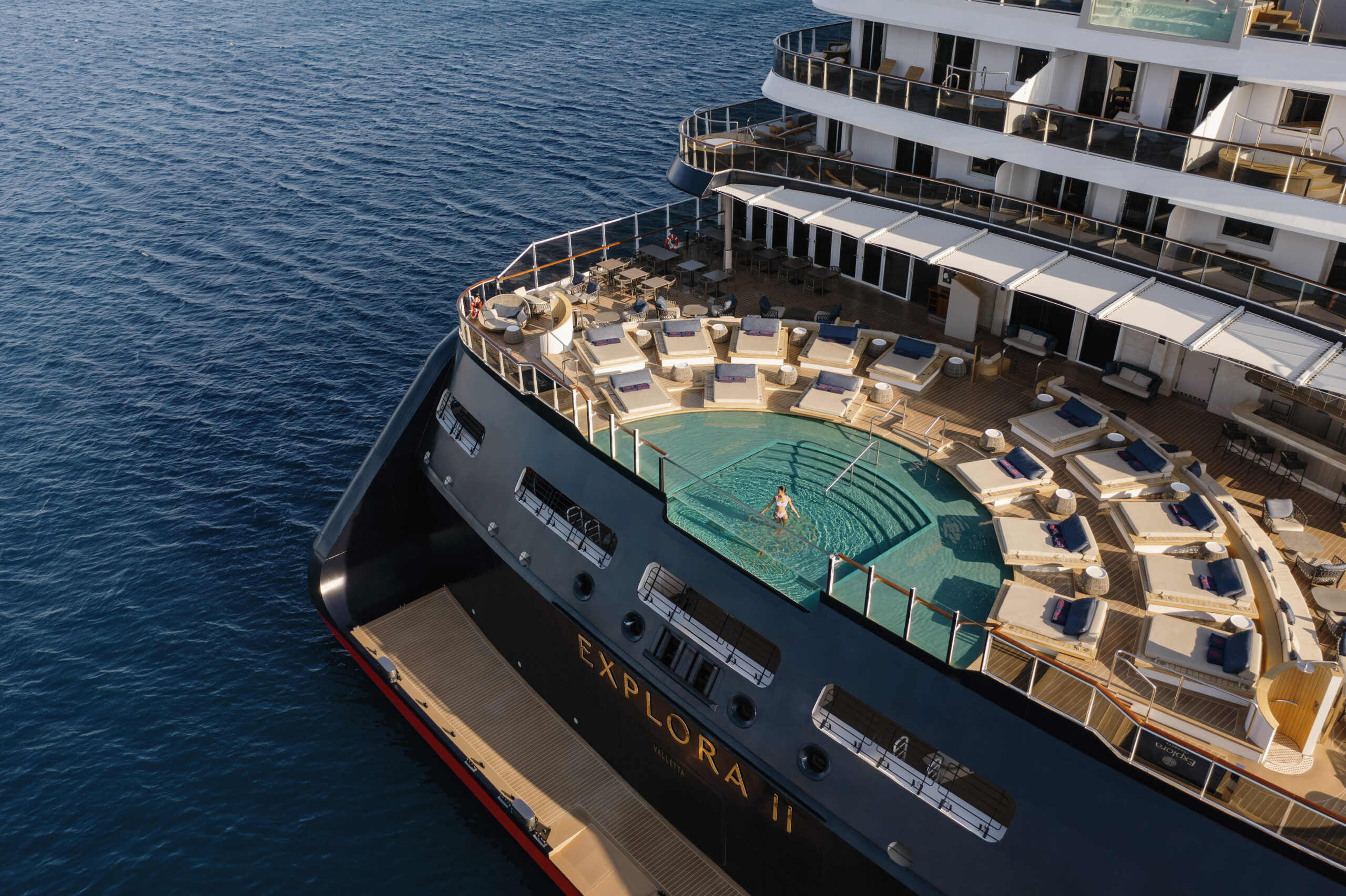
There’s a choice of restaurants, comfortable lounges, and plenty of
deck space, while the ship’s marina ensures you can enjoy the
complimentary watersports when anchored in hidden bays and tiny
coves.
Edinburgh - what a city! The capital city of Scotland has some striking and varied architecture, an imposing Castle, memorable museums and galleries and some wonderful restaurants. And what we love best about this buzzing city is that you can always look up, and there's the beautiful countryside - the Seven Hills - surrounding you. It's a city of inexhaustible delights; in one day alone you could see the Scottish Crown Jewels and Stone of Destiny, follow the Royal Mile to explore narrow closes steeped in history, and go to the Palace of Holyroodhouse, the Edinburgh Dungeon and the Scottish Parliament.
The flat, windswept Orkney Islands, just off the northeast coast of Scotland, have a distinctive Scandinavian heritage that’s discernible in everything from the unusual place names to the ancient Norse architecture of the capital, Kirkwall. Don’t miss the Ring of Brodgar, a fascinating Neolithic stone circle.
Lerwick is the only town of any size in the Shetland islands, and originally grew up around the herring trade. Highlights include the charming 18th century architecture along the waterfront and the informative Shetland Museum, which provides an excellent introduction to the history and culture of the islands.
Skjolden sits at the head of the Sognefjord, the largest fjord in Norway and the second longest in the world. This tiny village is a slice of authentic Norway, with little in the way of souvenir shops; the main attraction is the beautiful, unspoilt mountain scenery.
The little town of Måløy is a major fishing port, on the sheltered eastern side of Vågsøy island. Nearby sights include the Kannesteinen rock, sculpted by the sea into a bizarre mushroom-like shape, while further afield is the Jostedalsbreen National Park, home to continental Europe’s largest glacier.
When Ålesund was destroyed by fire in 1904, the German Kaiser Wilhelm II agreed to foot the bill to rebuild it. The result was the stunning Art Nouveau architecture that you see today, which blends elements of the German 'Jugendstil' with Viking flourishes.
The city of Molde, at the mouth of the Romsdalfjord in north west Norway, is known for its temperate climate, fertile soil and annual jazz festival. Head up to the Varden viewpoint for a stunning panoramic view over the snow-dusted peaks of the Romsdal mountain range.
Tórshavn, named after the Norse god Thor, is one of the world’s smallest capitals, with a population of just 20,000. The brightly coloured facades and turfed roofs lend the harbour an attractive, storybook quality, and the narrow streets are home to some atmospheric pubs and cafés.
Capital of Iceland and gateway to this extraordinary volcanic island, modern Reykjavík is home to an impressive collection of interesting attractions and places of historic significance. Visit the impressive Hallgrímskirkja church, relax in a thermal pool, potter around the old harbour, and enjoy 24 hour daylight in the summer months.
Heimaey is the largest of the Westman Islands, just off the south west coast of the Icelandic mainland. The jagged landscape is a reminder of the island’s volcanic origins; the most recent eruption, back in 1973, created the volcano now known as Eldfell, which looms over the island.
Seyðisfjörður is one of the highlights of Iceland’s Eastfjords, a cute collection of colourful houses at the head of a dramatic fjord. The backdrop of snowy mountains and cascading waterfalls makes this one of the most picturesque ports in Iceland, and the town is surprisingly cosmopolitan.
Akureyri is Iceland’s second city, though with just 18,000 inhabitants it’s really more of a small town. Situated on the north coast at the head of Iceland’s largest fjord, it’s a cute and quirky place that also serves as a base from which to explore the bubbling mud pools and lunar landscapes around Lake Mývatn.
Ísafjörður is the largest town in Iceland’s wild Westfjords, dramatically located on a spit of sand hemmed in by mountains on three sides. The town itself is fairly low key, and the main attraction is exploring the surrounding landscapes, such as the spectacular Hornstrandir Peninsula.
The little fishing town of Grundarfjörður enjoys a picturesque setting on the Snæfellsnes Peninsula, surrounded by dramatic volcanic peaks and gushing waterfalls. The nearby Snæfellsjökull volcano, capped by a glacier, was made famous by Jules Verne in ‘Journey to the Centre of the Earth’.
Capital of Iceland and gateway to this extraordinary volcanic island, modern Reykjavík is home to an impressive collection of interesting attractions and places of historic significance. Visit the impressive Hallgrímskirkja church, relax in a thermal pool, potter around the old harbour, and enjoy 24 hour daylight in the summer months.