From San Juan to Puerto Caldera · South America & Antarctica · 14 nights
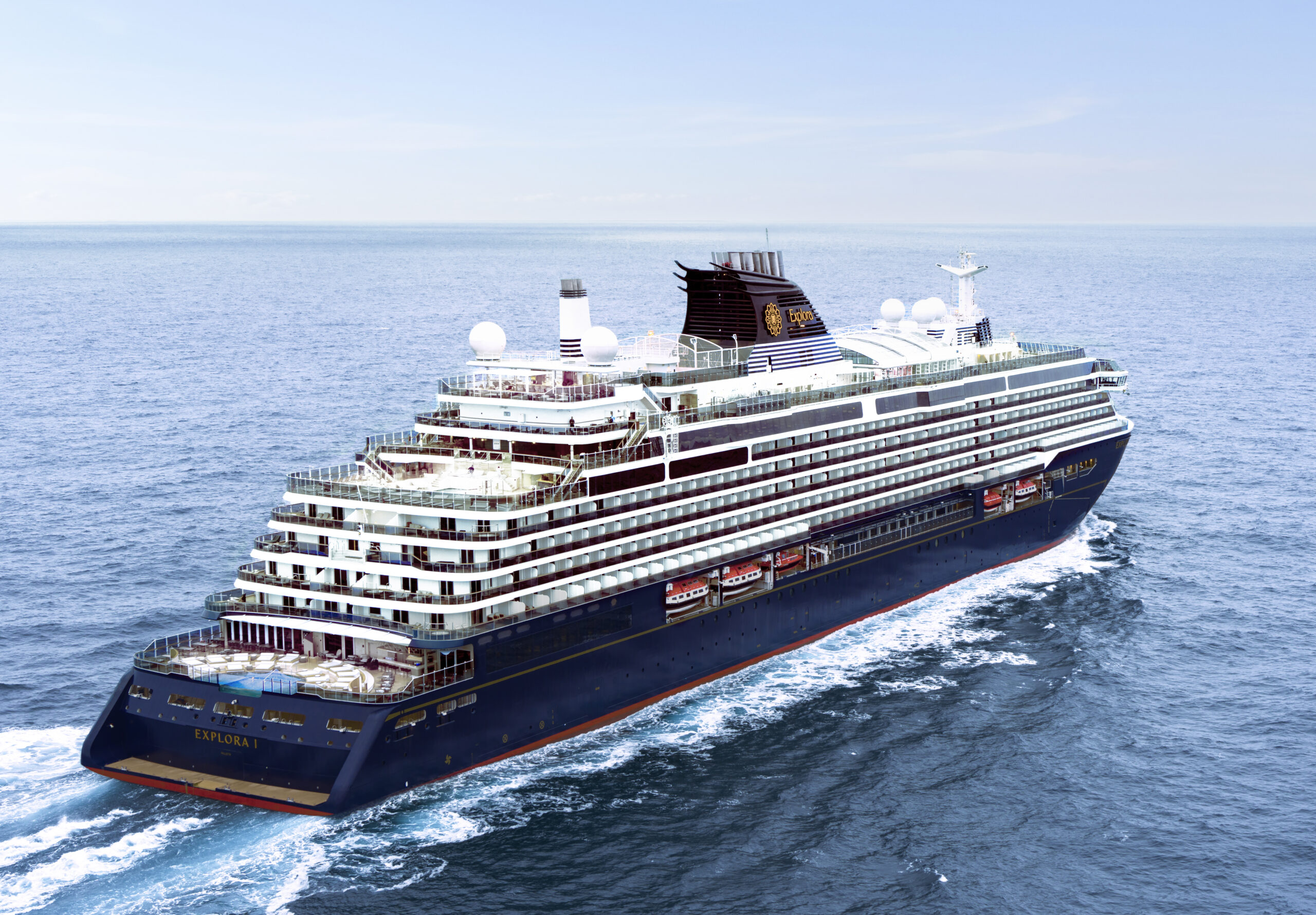
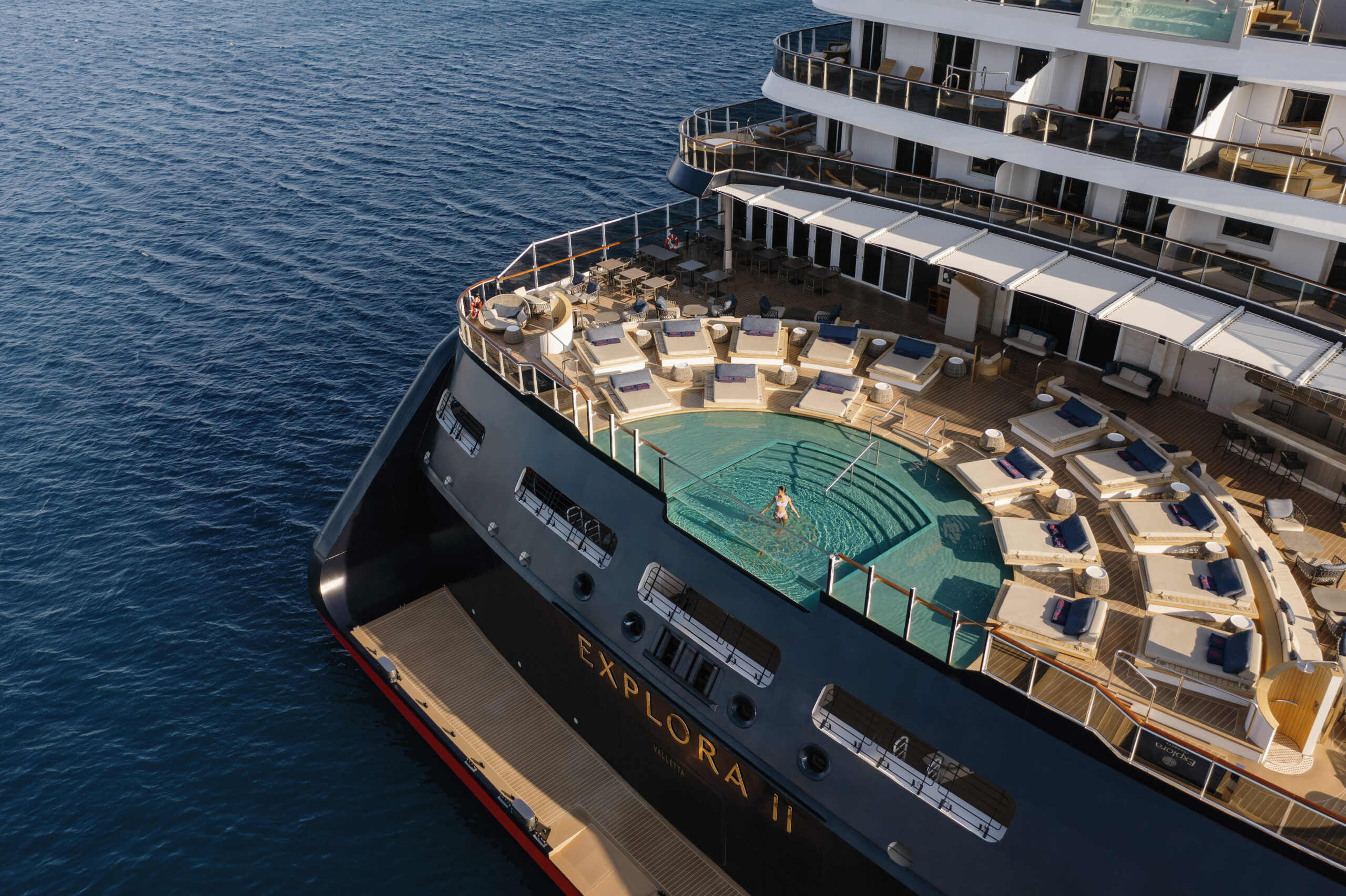
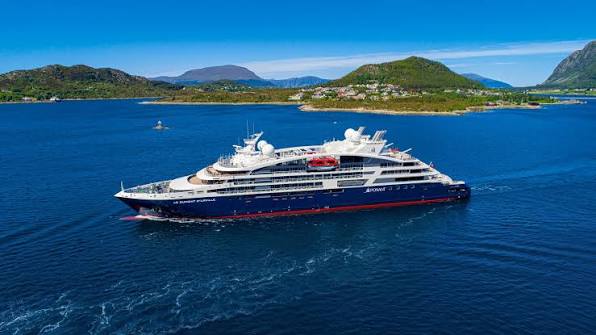
Windstar’s Star Plus Class of vessels – Star Pride, Star Legend and Star Breeze – each carry just over 300 guests and are hugely popular for very good reason.
These small ships accommodate 312 guests in large all-suite
accommodation, following the completion of the Star Plus
refurbishment programme in 2021 which saw the ships lengthened.
There’s a choice of restaurants, comfortable lounges, and plenty of
deck space, while the ship’s marina ensures you can enjoy the
complimentary watersports when anchored in hidden bays and tiny
coves.
Founded by the Spanish in 1521, Puerto Rico's capital is the second oldest European settlement in the Americas. Modern San Juan is a bustling city, home to over a third of the island's population, but the cobbled streets of the Old Town remain the biggest tourist draw. The colonial-era fortifications have been awarded UNESCO World Heritage status, crowned by the imposing waterfront El Morro fortress, and the Old Town is full of attractive, brightly coloured houses. Outside of the Old Town you can find designer shopping on Avenida Ashford, and the north of the city is fringed by beautiful beaches, including fashionable Condado with its hip hotels and bars.
Santo Domingo is the oldest continuously inhabited European settlement in the Americas, founded in 1496 by Bartholomew Columbus (Christopher’s brother). The city’s history is most keenly felt amongst the streets of the Zona Colonial, home to beautiful old churches and colonial era houses.
Cartagena was founded by Spanish conquistadors in 1533, and the beautifully preserved centre is a real highlight of Colombia’s Caribbean coast. The walled old town, the Ciudad Amurallada, is a camera-friendly collection of cobbled streets and colourful, colonial-era buildings.
Situated just off the coast of Panama, the idyllic San Blas islands are home to the Kuna Indians, who enjoy political autonomy from the mainland and have an unusual degree of control over tourism to their homeland. Visiting these simple island communities is a privilege, and an insight into an indigenous way of life unsullied by mass tourism.
Situated at the Atlantic entrance to the Panama Canal, Colón is not somewhere you will want to hang around for long, and serves merely as a gateway to the Canal, which will carry you to much nicer places.
The port of Fuerte Amador sits at the southern edge of Panama City, near the Pacific entrance to the Panama Canal. The shining skyscrapers of the Panamanian capital are a testament to the city’s status as a key financial centre, while the tiny Casco Viejo is home to pretty colonial streets, hip hotels and happening bars.
Beautiful Isla Parida lies within the protected Gulf of Chiriquí National Park, its tranquil beaches lapped by warm, crystal clear waters where you’ll find an abundance of marine life. This is a great place to kick back and chill out for a day, in idyllic tropical surroundings.
Seldom visited by tourists, the lush and humid Golfo Dulce is home to Piedras Blanca National Park, an area of pristine rainforest teeming with wildlife. Amongst the mangroves that line the coast lurk crocodiles and river otters, while the canopy above is home to nimble monkeys and colourful toucans.
The little town of Quepos is the gateway to Manuel Antonio National Park, a nature-lover’s paradise that’s home to monkeys, iguanas and the reclusive three-toed sloth. The area around Quepos also boasts some of the best beaches in Costa Rica, and the town itself has some nice restaurants.
Puerto Caldera is a major port on Costa Rica’s Pacific coast, about an hour and a half from the capital, San José. Nearby attractions include the beach town of Puntarenas, the fantastic wildlife of the Carara Biological Reserve and Tortuga Island, a beautiful spot for snorkelling.