From Miami to Venice · Mediterranean · 23 nights
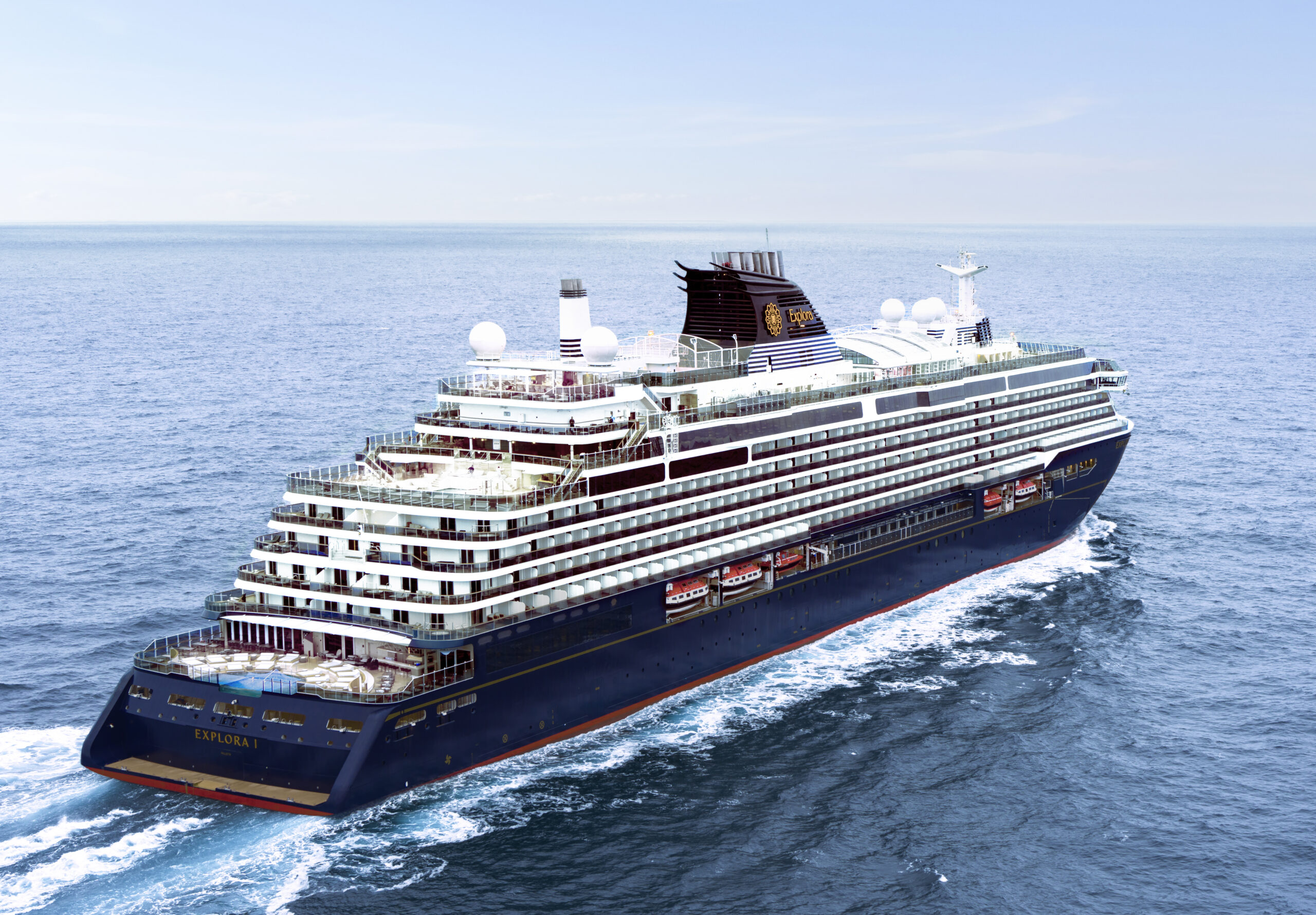
Small enough to operate fascinating port-intensive itineraries, but with the space for dining options, comfortable accommodation and more, sister ships Insignia, Nautica, Regatta and Sirena are for many the perfect size.
These four boutique style sister ships carry just 684 guests
apiece, with a comfortable, relaxed country house style and plenty
of intimate corners. We love the alternative restaurants – Oceania
is rightly renowned for great food – and the pretty little library
up on deck 10.
Miami is a pulsating modern city, a cultural crossroads where Cuban émigrés rub shoulders with affluent New Yorkers topping up on winter sun, and where you're just as likely to hear Spanish or Caribbean patois being spoken as you are English. Downtown Miami is a destination in its own right, with a host of world class galleries including the fantastic MOCA (Museum of Contemporary Art), but it's still Miami Beach that draws the biggest crowds. The Art Deco district around South Beach is very much back in vogue, with new restaurants, bars and luxury developments sprouting up all over the place.
King’s Wharf is the port of choice for the larger cruise ships that visit Bermuda, originally built as a base for the British Navy. Attractions in the immediate vicinity include the National Museum of Bermuda and the Arts Centre, and you don’t have to travel far to find one of Bermuda's beautiful pink sand beaches.
Ponta Delgada is the capital of São Miguel, the largest and most populous island of the Azores. Founded in the 15th century, the city is home to elegant architecture and some excellent restaurants, though the main attraction is the tranquility and natural beauty of the surrounding countryside.
Funchal, Madeira’s bustling capital, tumbles down a dramatic hillside towards a beautiful sweeping bay. Highlights include colourful markets, wine lodges and the spectacular cable car ride up to the village of Monte, home of the famous toboggan run.
Sovereignty of ‘The Rock’ has been a thorny issue ever since Gibraltar was ceded to Britain in 1713, though on the ground it’s clear where most locals’ sympathies lie. Gibraltar is often described as ‘more British than Britain’, a curious enclave of red postboxes, double decker buses and chip shops.
From the warren-like medieval streets of the Barri Gòtic to the fantastical modernist architecture of Antoni Gaudí, from the dizzy heights of Mount Tibidabo to the golden sands of Barceloneta, there’s never a dull moment in Barcelona.
Mallorca is renowned for its beaches, ranging from big, bustling resorts to small, secluded coves. The island interior offers ruggedly beautiful scenery and quaint little towns, while the charming capital, Palma, boasts an attractive old quarter dominated by the imposing Gothic cathedral.
Smaller than Mallorca and mellower than Ibiza, Menorca is rightly feted for its beautiful, unspoilt beaches. The laid back capital, Mahón, is set on the Mediterranean’s largest natural harbour, and the city’s striking Georgian architecture is a reminder of the 18th century British occupation of the island.
Sardinia’s capital is a fascinating patchwork of historical architecture and vertiginous streets, crowned by the old hilltop citadel of Il Castello. Explore the island’s history at the Museo Archeologico, where you can learn about Sardinia's ancient Nuragic civilisation.
Palermo is an acquired taste; noisy, chaotic and rather grimey in places. But there’s something quite intoxicating about the crumbling facades and the bustling markets, and the Arabesque style of many of the buildings hints at Sicily’s historical role as a stepping stone between Europe and North Africa.
Situated on the north eastern tip of Sicily, so close to the Italian mainland you can almost touch it, Messina is the busy main entry point to the island. The city was flattened by an earthquake in 1908, and again by Allied bombing in 1943, so few historical sights remain, although the cathedral is one of Sicily’s most impressive.
Corfu, known as Kerkyra in Greek, is a beautiful island of verdant hills and rocky coves, and away from the more crowded resorts it remains a sleepy and idyllic place. Don’t miss the picturesque Venetian architecture of Corfu Town, a UNESCO World Heritage Site.
Draped in vineyards and olive groves, the verdant Croatian island of Korcula is famous for its white wine and is said by some to be the birthplace of Marco Polo. The main settlement, Korcula Town, bears more than a passing resemblance to Dubrovnik, with a historic centre encircled by medieval walls and towers.
Venice is a city like no other, a marble maze of turquoise canals criss-crossed by beautiful bridges, overflowing with palaces, churches and charming little piazzas. No matter how many times you’ve seen it in photographs, that first glimpse of the Grand Canal will simply take your breath away.