From Palma de Mallorca to Santa Cruz de Tenerife · Mediterranean · 14 nights
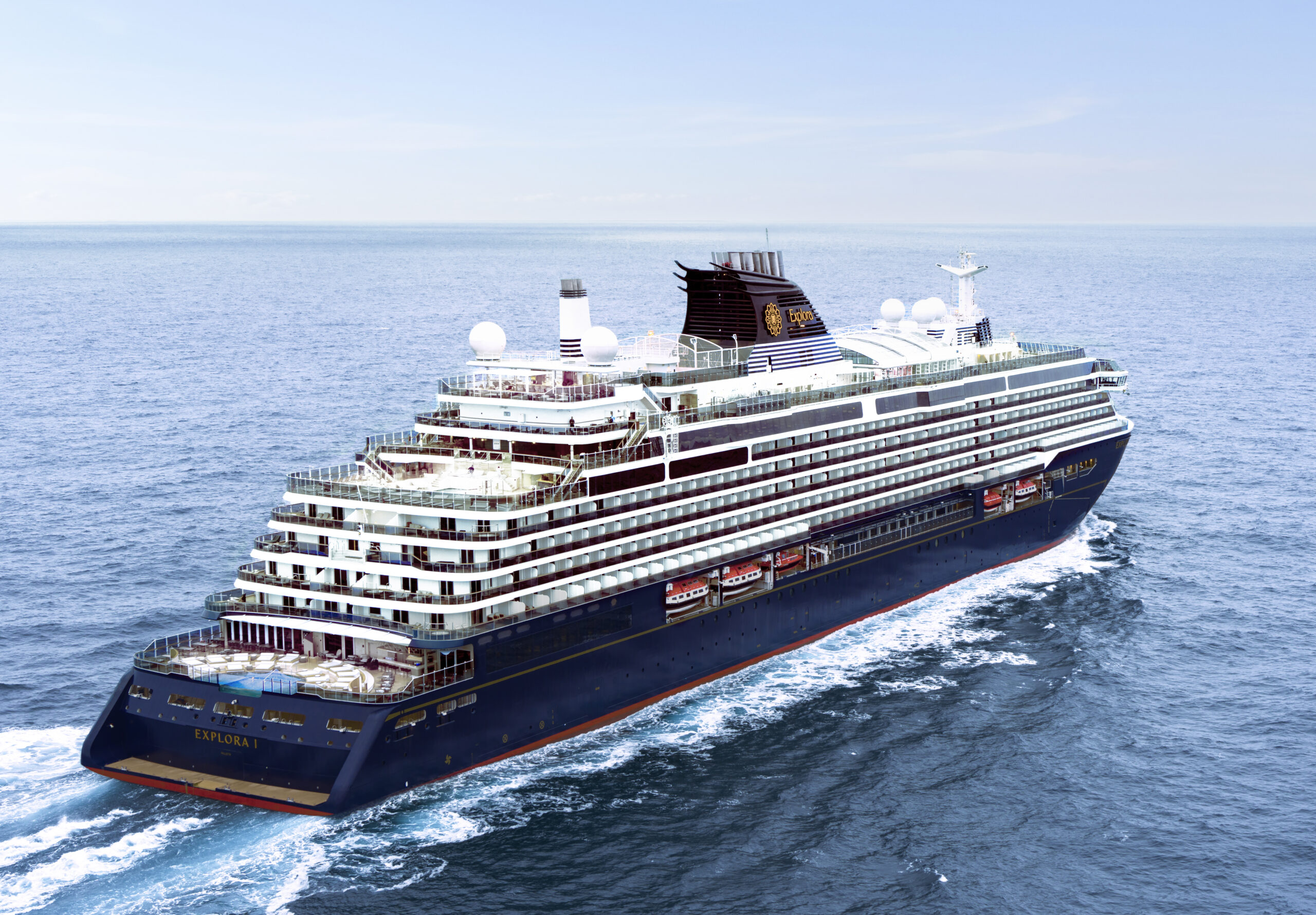
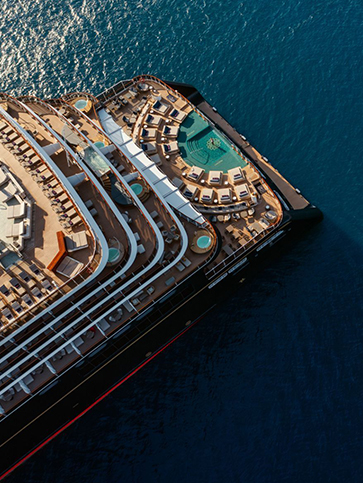
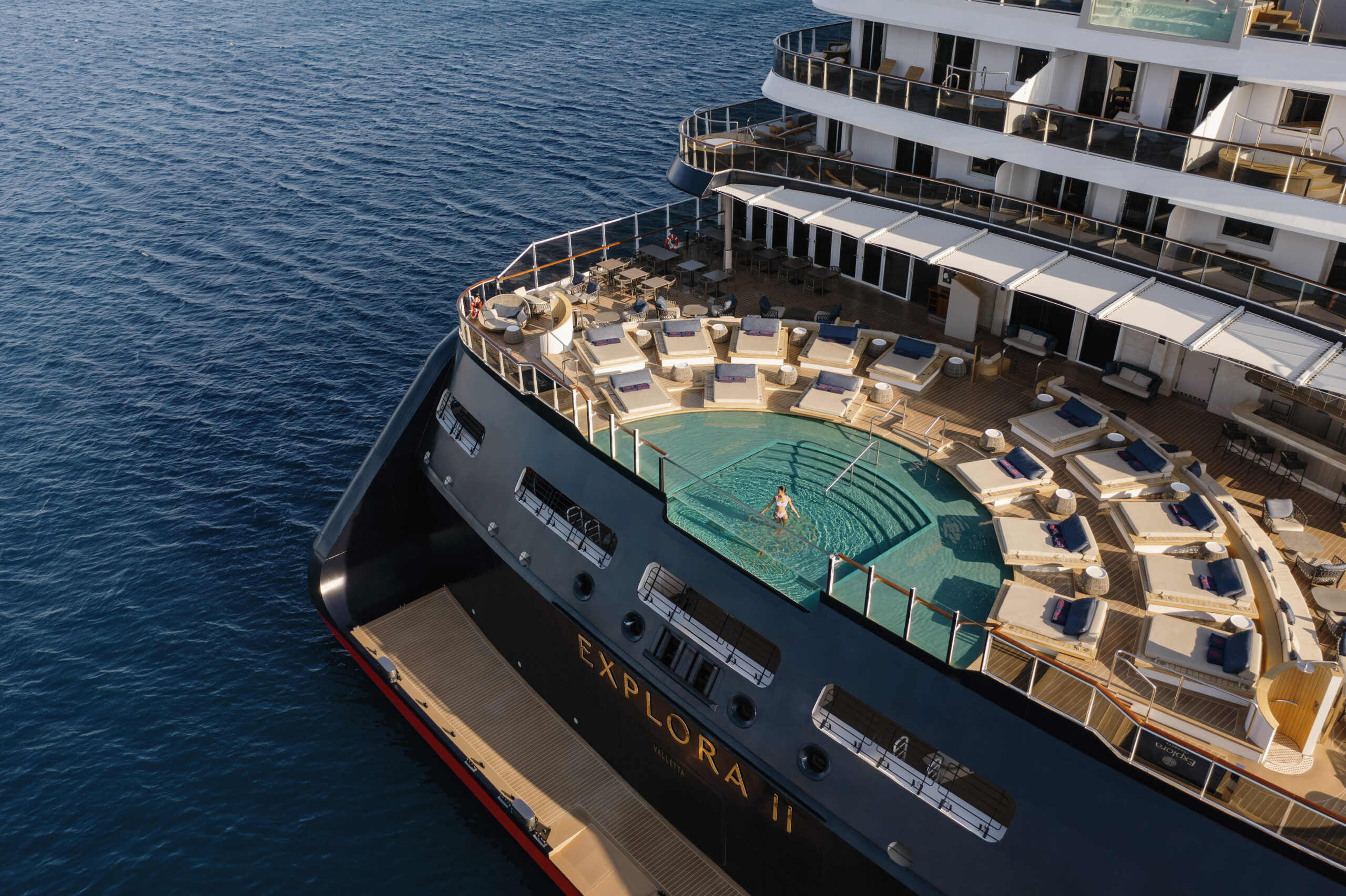
Widely acclaimed as the best ship in the world, Europa 2’s stylish Nordic décor, fantastic accommodation and great dining options make her a great choice
Europa 2 really is a ship with a difference, and you feel it
from the moment you step on board. Her beautiful light-flooded
interiors are fresh and inviting, and the feeling of space created
by innovative design is vastly refreshing. This dedication to
design is not, incidentally, confined to public areas: the elegant
suites themselves are a wonderful place to stay.
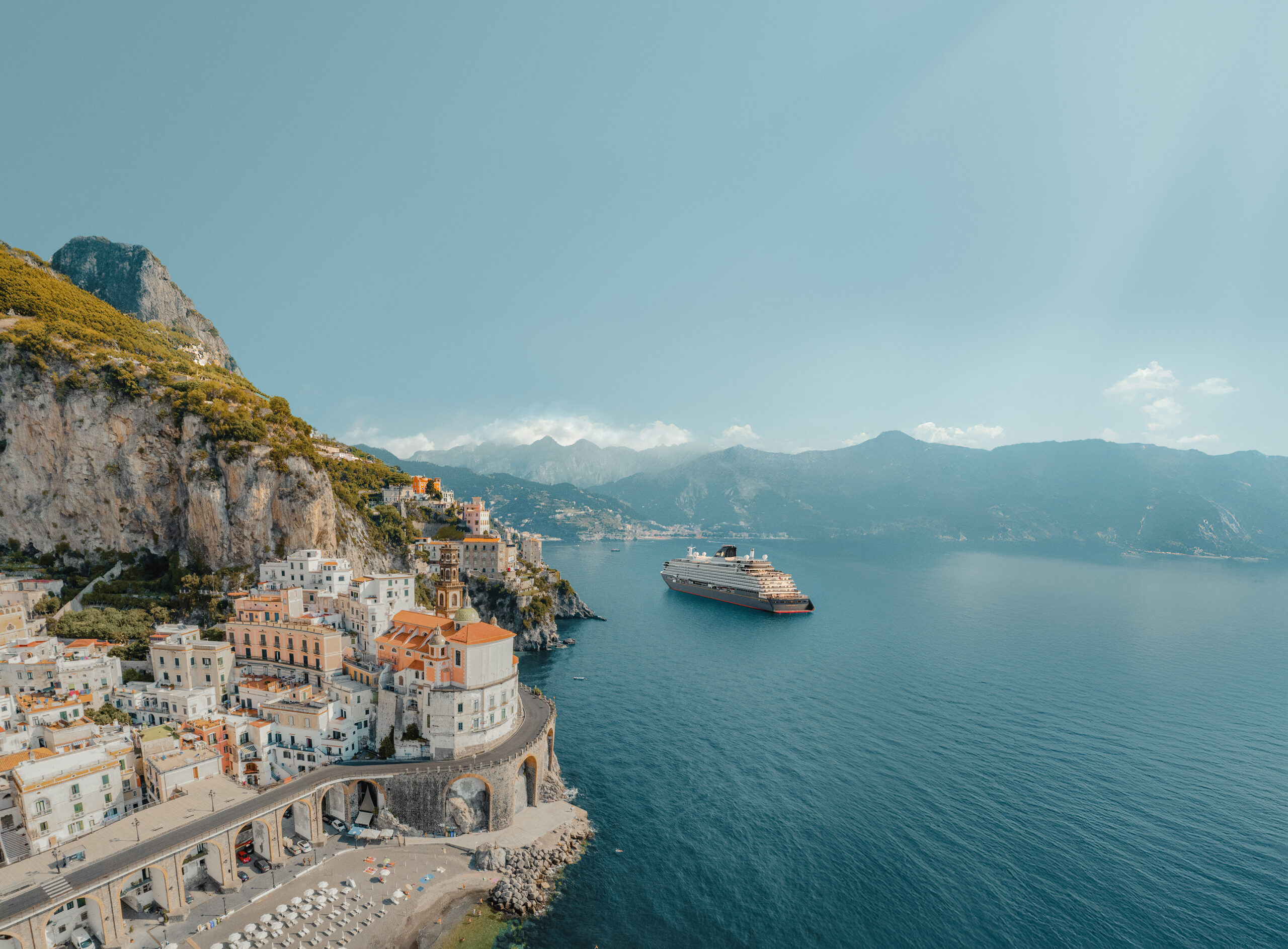
Mallorca is renowned for its beaches, ranging from big, bustling resorts to small, secluded coves. The island interior offers ruggedly beautiful scenery and quaint little towns, while the charming capital, Palma, boasts an attractive old quarter dominated by the imposing Gothic cathedral.
Smaller than Mallorca and mellower than Ibiza, Menorca is rightly feted for its beautiful, unspoilt beaches. The laid back capital, Mahón, is set on the Mediterranean’s largest natural harbour, and the city’s striking Georgian architecture is a reminder of the 18th century British occupation of the island.
From the warren-like medieval streets of the Barri Gòtic to the fantastical modernist architecture of Antoni Gaudí, from the dizzy heights of Mount Tibidabo to the golden sands of Barceloneta, there’s never a dull moment in Barcelona.
Although Ibiza is best known as a hedonistic party island, it’s easy to give the clubbers a swerve and discover the White Isle’s mellower side. The island boasts some spectacularly beautiful coastline, and the fortified Old Town (Dalt Vila) is UNESCO listed.
Málaga boasts plenty of chic restaurants and bars where you can ease into the rhythms of life in southern Spain, before exploring sights including the intriguing, unfinished Gothic cathedral, and a museum devoted to the city's most famous son, Pablo Picasso.
The crumbling, sun-baked seafront city of Cádiz is said to be the oldest continuously inhabited settlement in the western world, founded by the Phoenicians around 1100 BC. Although the city lacks any obvious landmarks, it’s rich in atmosphere, and plays host to one of Spain’s most colourful carnivals.
Portimão is a bustling fishing port and gateway to the Algarve, with a pleasant riverside promenade where the smell of sizzling sardines fills the air. The most popular attraction is Praia da Rocha just to the south, one of the Algarve’s loveliest beaches.
Funchal, Madeira’s bustling capital, tumbles down a dramatic hillside towards a beautiful sweeping bay. Highlights include colourful markets, wine lodges and the spectacular cable car ride up to the village of Monte, home of the famous toboggan run.
Said to have the world's most perfect climate, cosmopolitan Las Palmas is the capital of Gran Canaria and the largest city in the Canary Islands. The charming old quarter, La Vegueta, is where you'll find the city's most interesting colonial architecture, while beach fans should head for lovely Playa de las Canteras.
The lush volcanic island of La Palma is one of the Canary Islands’ best kept secrets, a place where tourism is still low key and the beautiful scenery is unspoilt by high rise developments. Don’t miss the colourful colonial architecture of the capital, Santa Cruz, reminiscent of the Spanish Caribbean.
Little La Gomera is the quietest of all the Canary Islands, still barely touched by tourism. The dramatic landscape of craggy volcanic peaks and misty laurel forest is staggeringly beautiful, and the diminutive capital, San Sebastián, is low key and laid back.
Situated on Tenerife’s north eastern shore, the island’s capital is a busy port that serves mostly as a gateway to the popular south west coast and the spectacular volcanic landscapes of the island’s interior.