From Singapore to Fort Lauderdale · Asia · 65 nights
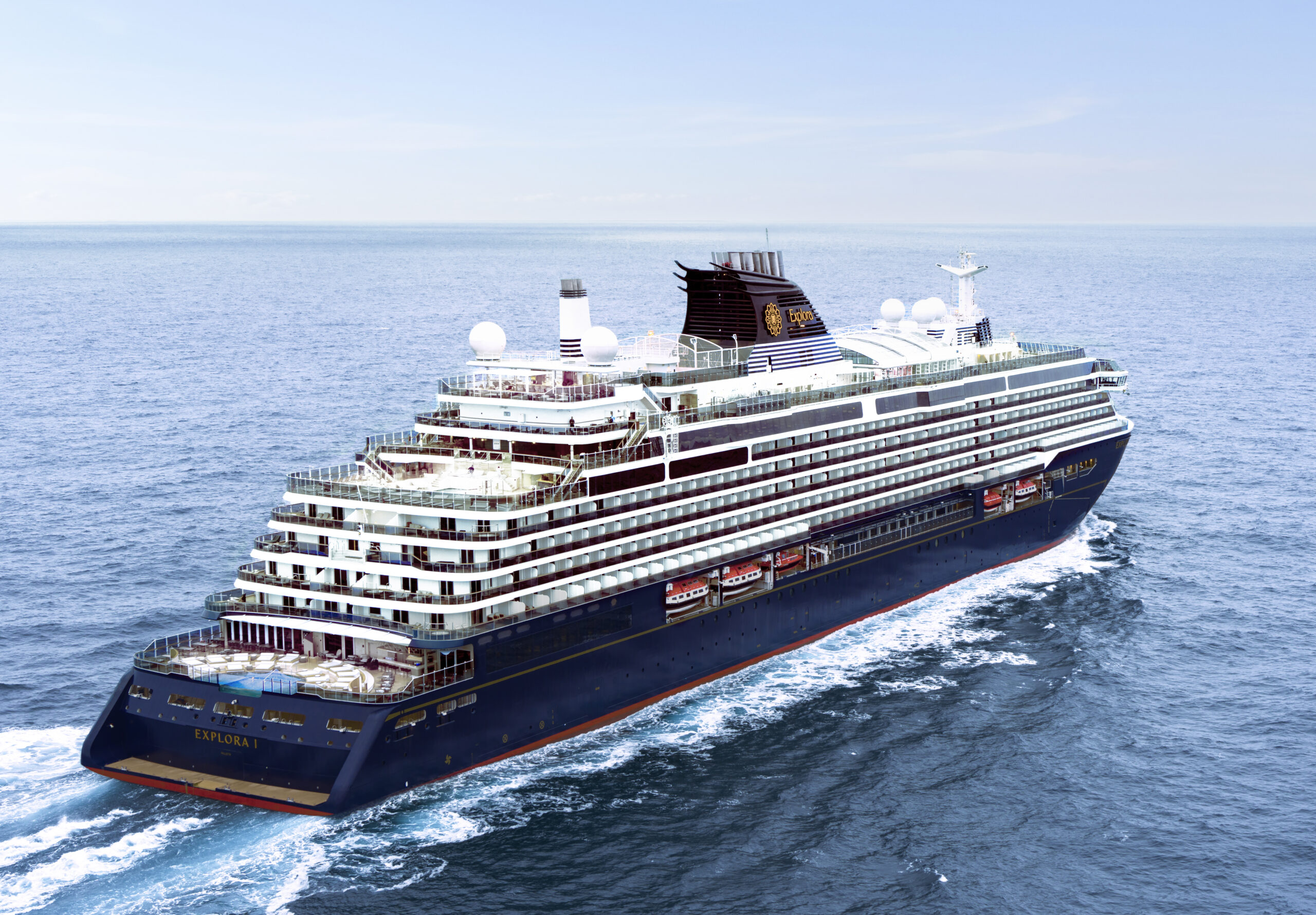
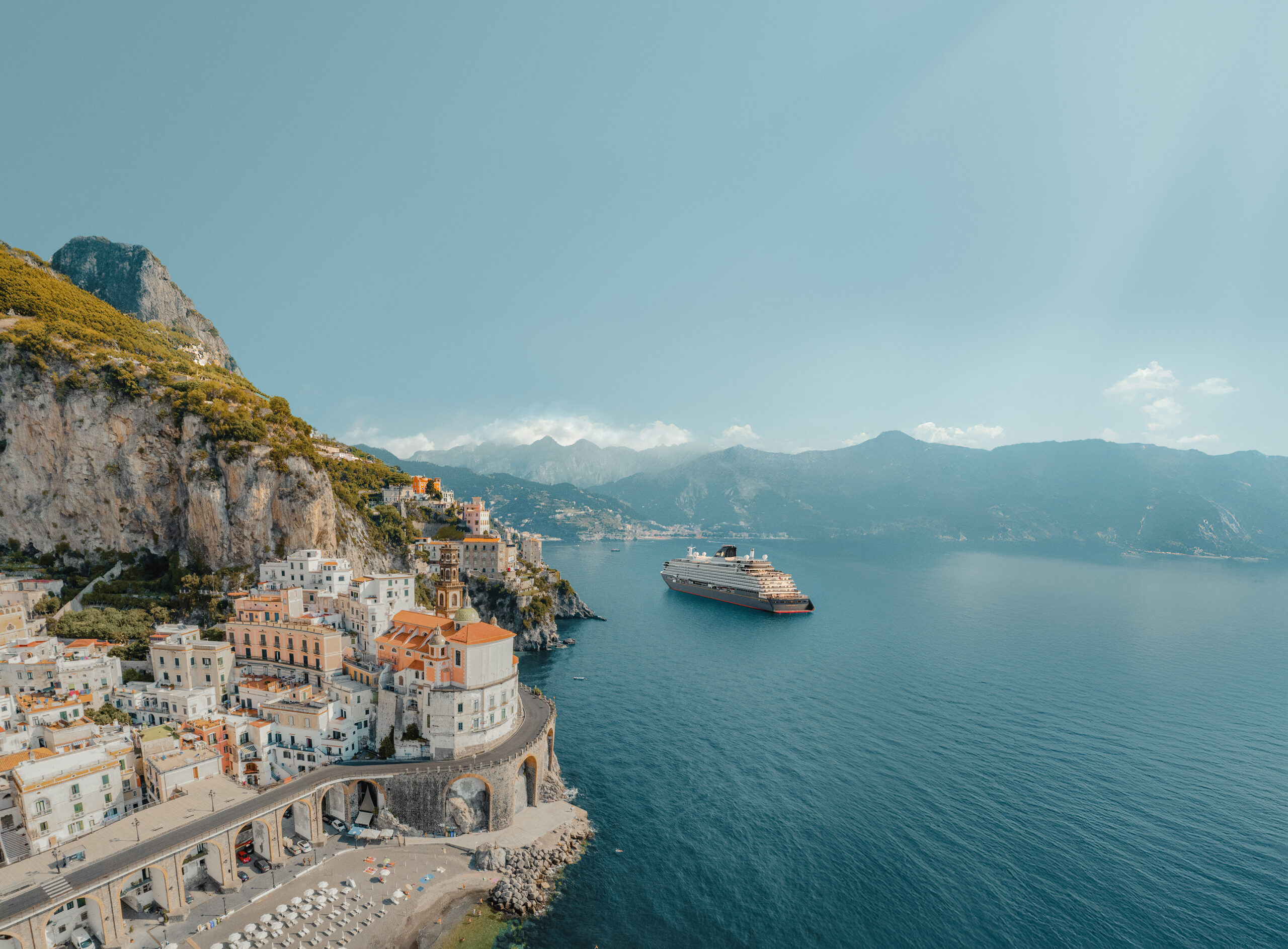
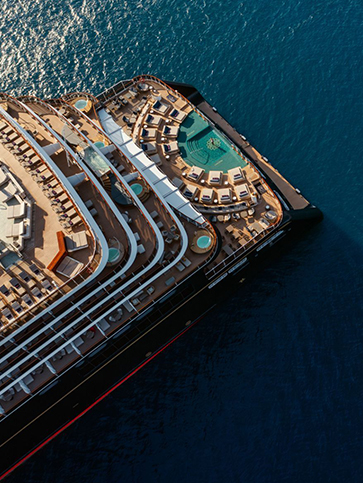
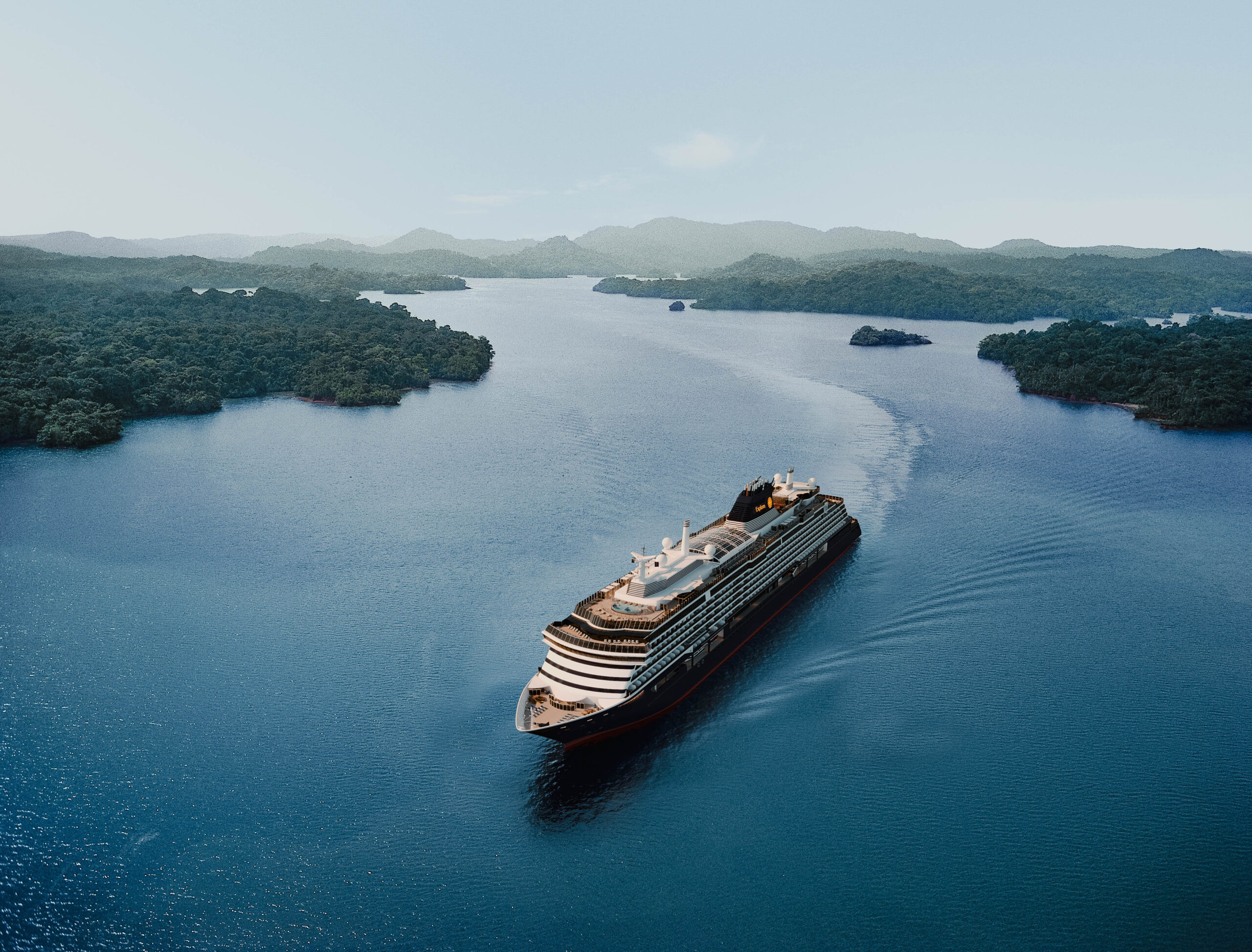
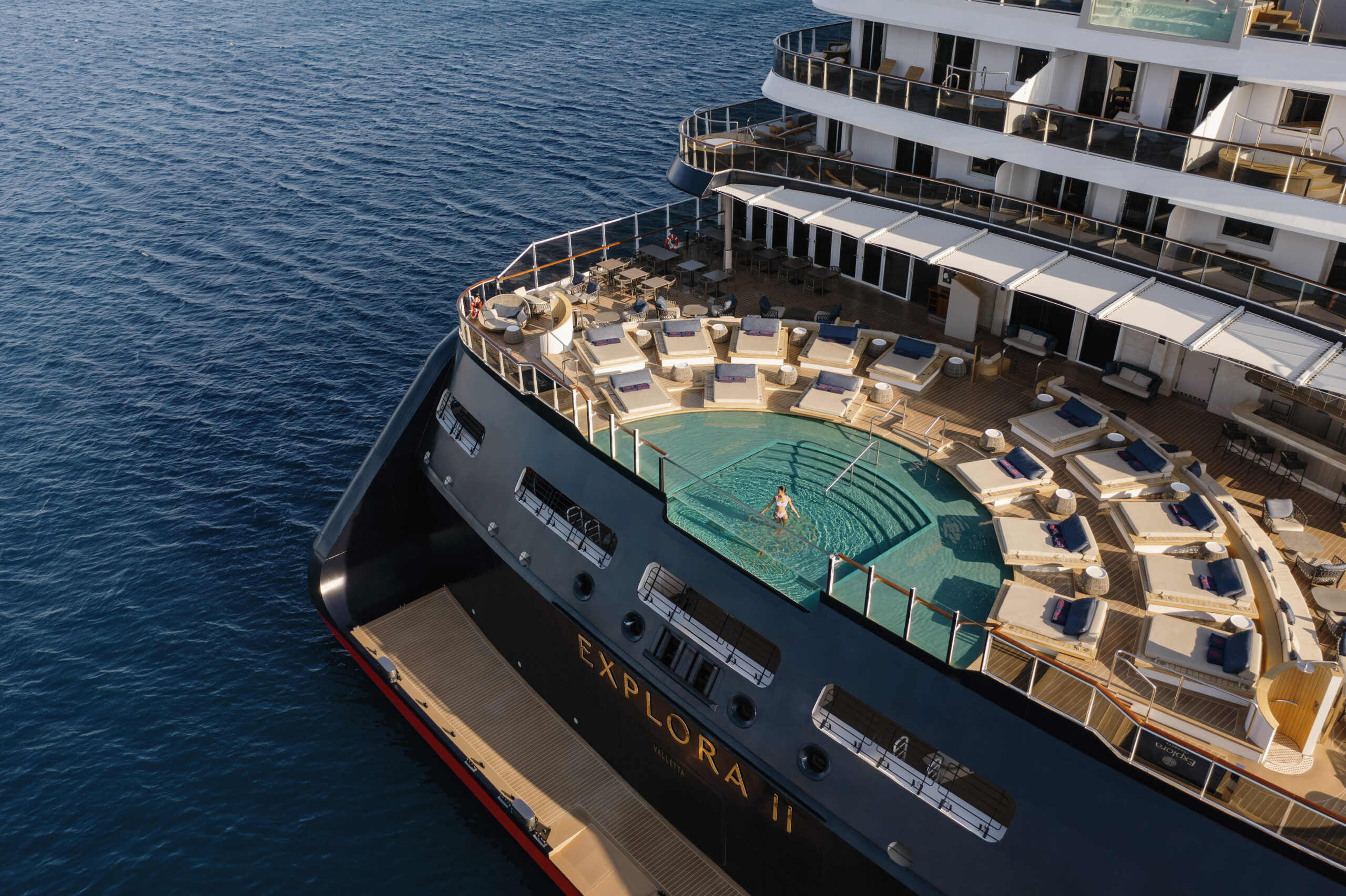
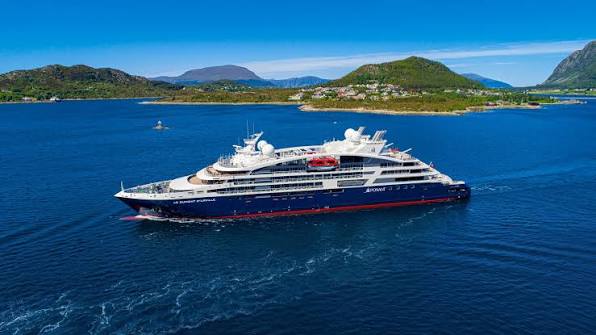
Crystal Symphony returned to the ultra-luxury cruise sector in 2023 – fully refurbished and enhanced and not to be missed.
The beloved Crystal Symphony, having been dutifully maintained
for the past three decades underwent an extensive refurbishment in
2023, reducing the guest capacity and enhancing the accommodations
onboard. Crystal signatures such as exceptional service and
world-class dining remain but the ship returned to service with a
new lease of life.
Singapore is one of the world's richest cities, with a standard of living to match, and in recent years it has moved on from its image as a sterile, overly officious nanny state to become one of the most dynamic and exciting cities in the region. Singapore's heritage as an important trading post means that there is a real cultural mix, with four official languages: English, Chinese, Malay and Tamil. Step away from the gleaming towers and you'll find yourself transported into another world amongst the intoxicating streets of Chinatown and Little India.
Malaysia’s capital is a hot and humid cultural melting pot, defined by its distinctive Malay, Chinese and Indian communities. The dazzling Petronas Towers are KL’s most recognisable landmark, while at street level you’ll find temples and mosques, elegant colonial buildings and bustling markets.
The Malaysian island of Penang is a fascinating blend of East and West, far more than just a beach destination. Lovely Georgetown, a UNESCO World Heritage Site, is home to British colonial architecture, crumbling Chinese shophouses and incense-perfumed temples.
As well as a plethora of luxury resorts, Phuket has a charming old town replete with pretty Sino-Portuguese architecture, and acts as a jump-off point for exploring nearby islands and coastline. Koh Phing Pan, better known as James Bond Island, and Ko Phi Phi are breathtakingly beautiful, as are the limestone formations that surround Krabi.
Originally established by the British as a penal colony, vibrant Port Blair is the biggest town in the Andaman Islands. You can learn about the colonial history of the islands at a handful of interesting museums, or you may prefer to head straight for one of the beautiful beaches.
Investment has poured into Hambantota since the city was devastated by the 2004 tsunami, and this is now one of South Asia’s biggest ports. Hambantota is a jumping off point for Yala National Park, famous for its leopards, and the less well known Bundala National Park, rich in birdlife including flamingos and storks.
Colombo may be a little chaotic, but there is plenty to recommend Sri Lanka's colourful capital. Faded colonial architecture and beautiful Buddhist temples hint at the city's considerable history, while the excellent restaurants, lively bars and characterful streets provide the perfect introduction to contemporary Sri Lankan culture.
Formerly known as Bombay, this amazing city is larger than life and packed to bursting with things to see and do. Here people of all religions and nationalities live cheek by jowl, thriving communities from all over the world with the foods, smells, languages and rituals maintained at top volume.
Khasab is the main town on the Musandam Peninsula, a rugged region of fjords and mountains that is sometimes known as the ‘Norway of the Middle East’. Dolphins can often be spotted off the coast, along with the pretty local dhow boats, while on land you can take a jeep safari and visit the 17th century Portuguese fort.
The UAE’s gleaming capital gives Dubai a run for its money in terms of extravagant excess, an ever-multiplying forest of skyscrapers looming over the golden sand and brilliant blue waters of the Gulf. Don’t miss the shining white Sheikh Zayed Grand Mosque, one of the world’s biggest.
Amazing high rise buildings, extensive air-conditioned shopping malls and extraordinary man-made tourist attractions (such as indoor ski-slopes) abound in the glamorous city of Dubai, home to some of the most glitzy and expensive hotels in the world.
Oman’s capital is low-rise and laid back, a far cry from the towering bling of Dubai and Abu Dhabi. Take a stroll along the waterfront Corniche promenade, soak up the sun on one of the excellent beaches, or explore the mosques and forts of the atmospheric old quarter.
Salalah is Oman’s second city, and the capital of the southern Dhofar region. Many visitors are surprised by the pleasant sub-tropical climate, which turns the city into an oasis of lush greenery during the ‘khareef’ (monsoon) season between June and September, and in many ways it’s more reminiscent of Zanzibar than Muscat.
The port city of Jeddah has long been a cultural crossroads, serving as the gateway to Mecca for pilgrims making the Hajj, and there's a cosmopolitan feel here that other Saudi cities lack. The old Al-Balad neighbourhood is home to the city’s most characterful buildings, while the buzzing Corniche promenade is a great spot for people watching.
Aqaba is Jordan’s principal beach resort, situated on the Red Sea coast close to the Israeli border. The main attraction in Aqaba itself is the incredible diving, though many visitors will choose to instead use the port as a jumping off point for the 'Rose City' of Petra and the desert landscapes of Wadi Rum.
Prepare to be amazed – the thin belt of greenery along the banks of the Nile in Upper Egypt gives Luxor a lush setting for an extraordinary collection of tombs, temple complexes and stone structures that hint at the magnificence of this former Ancient Egyptian capital.
Alexandria was one of the great cities of antiquity, founded by Alexander the Great in 331 BC and home to the Pharos lighthouse, one of the original Seven Wonders of the World. The Pharos is long gone and the city has lost some of its lustre, but there are still plenty of reminders of Alexandria’s glorious past scattered around.
The little seaside town of Katakolon, on the western coast of the Peloponnese, is the gateway to ancient Olympia, birthplace of the Games and the place where the Olympic flame begins its journey every four years. Make the most of your visit with a guided tour of the ruins, and don’t miss the treasures of the Archaeological Museum.
Founded by Greek colonists in 734 BC, Siracusa was once the largest city in the ancient world, surpassing even Athens in its splendour. Highlights include the island of Ortigia, where narrow streets are lined by beautiful Baroque architecture, and the impressive ruins at the Parco Archeologico della Neapolis on the Sicilian mainland.
Malta’s tiny capital, established by the Knights of St John, packs in an awful lot of history considering its diminutive size. The atmospheric old streets, bathed in Mediterranean sunshine, are full of attractive honey-golden buildings, along with an impressive selection of bars and restaurants.
Tunisia’s capital is a whirlwind of energy, the narrow lanes of the old medina packed with people and the roads noisy with traffic. The more orderly streets of the Ville Nouvelle are home to some handsome colonial buildings, while the ruins of ancient Carthage make for a fascinating day trip.
Situated on the western edge of Sicily, closer to Tunis than it is to Rome, the historic port of Trapani has a discernible North African feel to it. This was once an important medieval trading centre that linked Carthage and Venice, and the lovely old town is a great place to spend some time exploring.
Lipari is the largest of the Aeolian Islands, a volcanic archipelago to the north of Sicily. The main port is Lipari Town, a charming little harbour of pastel-coloured houses, fishing boats and enticing restaurants, overlooked by the imposing 13th century citadel.
The lovely town of Sorrento, draped across rugged cliffs overlooking the Bay of Naples, has been charming visitors since the days of the Grand Tour. The Renaissance palaces and many craft shops make Sorrento an attractive destination in its own right, and it’s also a jumping off point for Capri, Pompeii and the Amalfi Coast.
One of the world’s great cities, Rome continues to dazzle and delight visitors with a potent mix of architectural marvels, continent-defining history and buzzing nightlife. The Colosseum, the Vatican and the Forum are among the big ticket items, with the crowds to match, though in truth you will find history around almost every corner.
From the warren-like medieval streets of the Barri Gòtic to the fantastical modernist architecture of Antoni Gaudí, from the dizzy heights of Mount Tibidabo to the golden sands of Barceloneta, there’s never a dull moment in Barcelona.
Much more than just a gateway to the Costa Blanca, Alicante is an attractive and atmospheric city with plenty to recommend it. Founded by the Romans, then ruled by the Arabs for 500 years, the city has a rich history and a lovely old town, along with superb beaches and an excellent modern art museum.
The bustling port of Motril is less than an hour’s drive from Granada, last stronghold of the Moors in Spain and home to the famous Alhambra palace. The narrow streets of the Albayzín quarter are particularly evocative of the days of Al Andalus, and you can explore Granada’s Jewish heritage in the atmospheric Realejo district.
Ponta Delgada is the capital of São Miguel, the largest and most populous island of the Azores. Founded in the 15th century, the city is home to elegant architecture and some excellent restaurants, though the main attraction is the tranquility and natural beauty of the surrounding countryside.
Horta is the capital of the island of Faial, in the centre of the Azores archipelago. The harbour is a popular stop-off point for yachts crossing the Atlantic, and it’s also the base for whale watching trips and excursions to the spectacular Caldeira Cabeço Gordo volcanic crater.
King’s Wharf is the port of choice for the larger cruise ships that visit Bermuda, originally built as a base for the British Navy. Attractions in the immediate vicinity include the National Museum of Bermuda and the Arts Centre, and you don’t have to travel far to find one of Bermuda's beautiful pink sand beaches.
These days Fort Lauderdale is a sophisticated place awash with upmarket hotels and excellent restaurants. The glorious weather and swathes of golden beach are still a huge draw, but there are also plenty of cultural attractions, such as the Museum of Art and the Museum of Discovery and Science.