From Colón to Puntarenas · South America & Antarctica · 10 nights
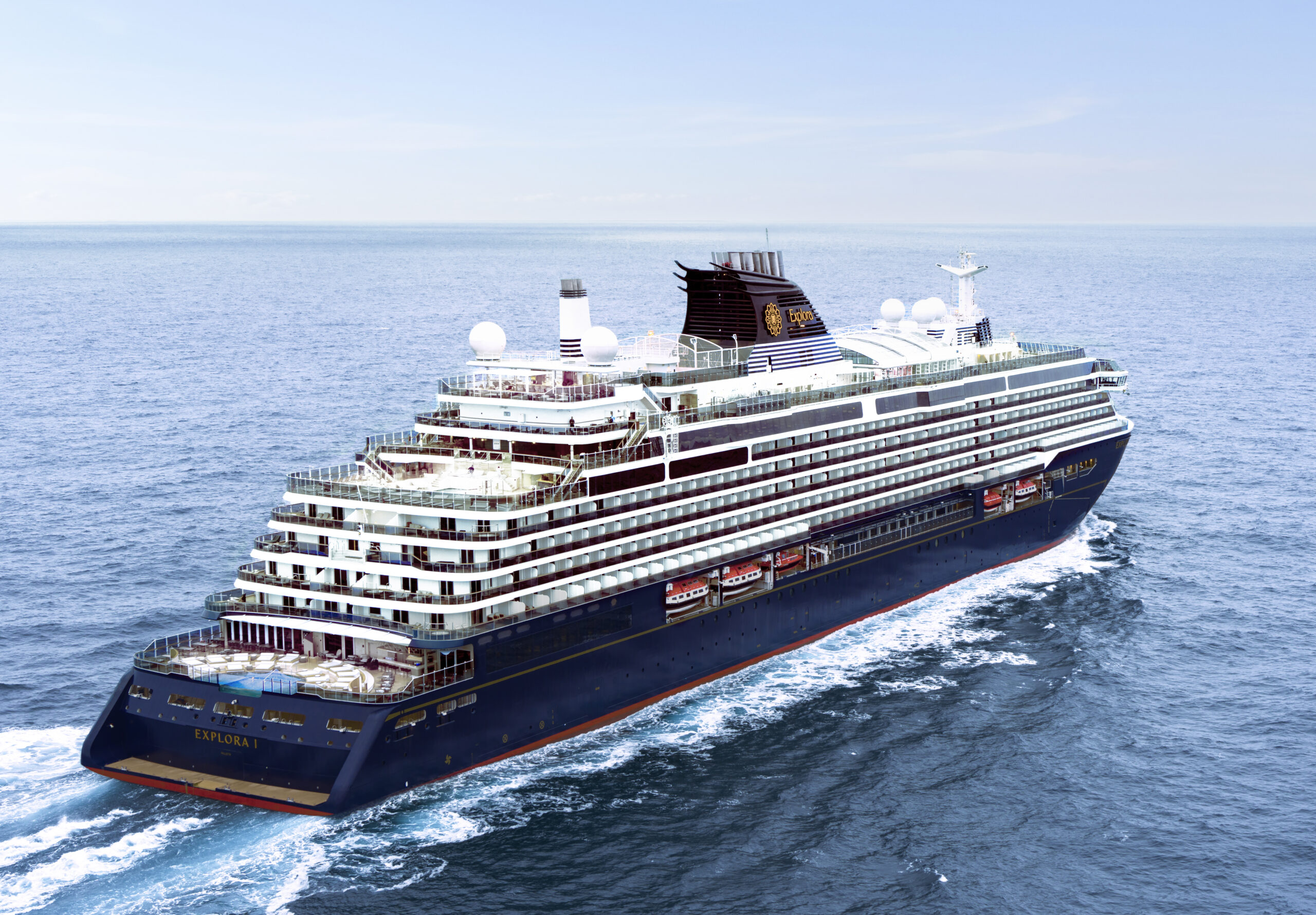
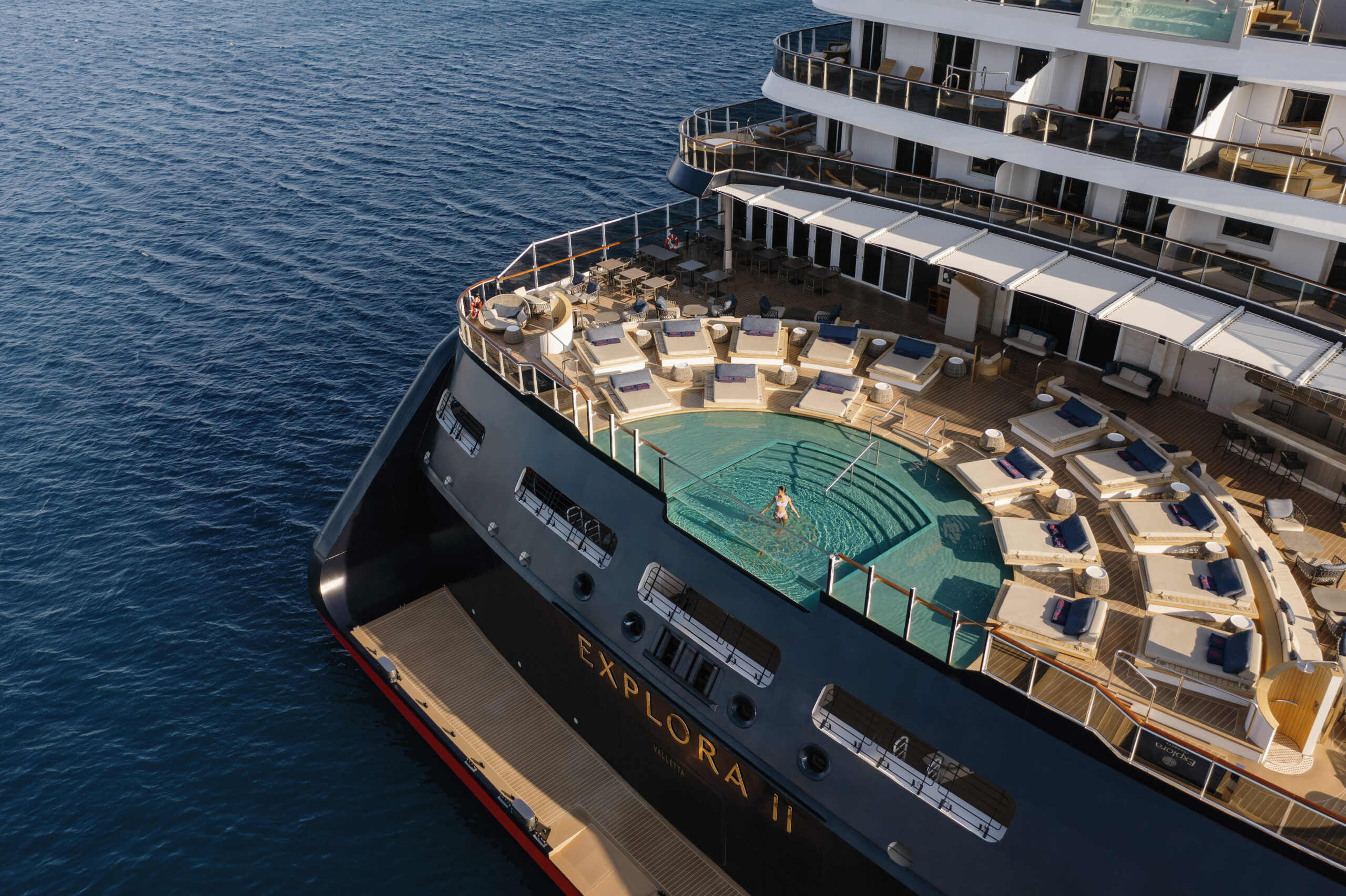
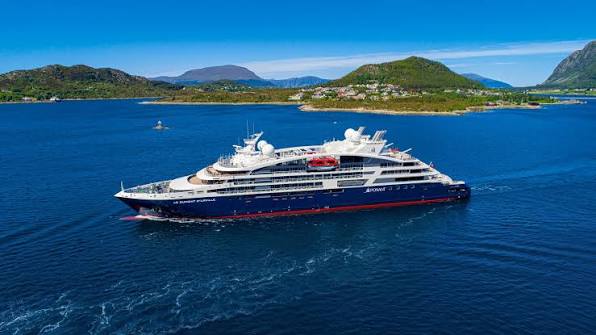
Sleek and stylish, Ponant’s wonderful Explorer yachts blend luxury and intimacy with a discreet elegance and tasteful décor.
Named after six of France’s most famous explorers, Le Champlain,
Le Lapérouse, Le Bougainville, Le Dumont d’Urville, Le Bellot and
Le Jacques Cartier offer exciting and adventurous itineraries in
the utmost comfort. Technologically advanced, with the latest in
environmentally friendly hardware, the new ships embody Ponant’s
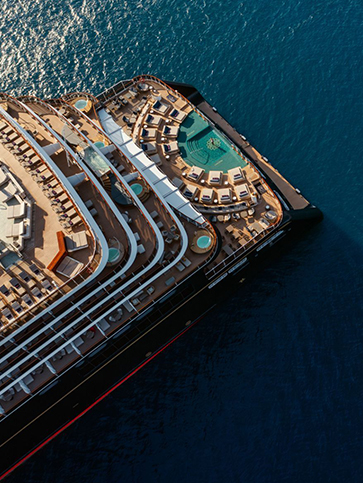
trademark élan and flair, with just 92 spacious rooms and suites, a
stylish pool deck and an intimate, refined onboard ambience.
Situated at the Atlantic entrance to the Panama Canal, Colón takes its name from Christopher Columbus, known in Spanish as Cristóbal Colón, although it's hard to imagine the famous explorer would find much reason to linger here nowadays. Once a thriving port, the city is now in a state of seemingly terminal decline, its colonial architecture crumbling and the modern city beset by social problems. It's not somewhere you will want to hang around for long, and serves merely as a gateway to the Canal, which will carry you to much nicer places.
Situated just off the coast of Panama, the idyllic San Blas islands are home to the Kuna Indians, who enjoy political autonomy from the mainland and have an unusual degree of control over tourism to their homeland. Visiting these simple island communities is a privilege, and an insight into an indigenous way of life unsullied by mass tourism.
The Pearl Islands archipelago is made up of more than 200 islands and islets off Panama’s Pacific coast, most of which are uninhabited and rich in bird and marine life. It’s a great place to go snorkelling or scuba diving, and whale watching tours operate between July and October.
The Darién Gap is the only break in the Pan-American Highway that runs from Alaska to Tierra del Fuego, a wild and untamed region of thick jungle. Although the region has a reputation for lawlessness, tourism is making inroads thanks to the jungle’s staggering biodiversity and the fascinating culture of the indigenous Emberá people.
Isla de Coiba is a former penal colony and was off-limits for many years, so around 80% of the island is still pristine rainforest. Turtles nest on the white sand beaches between April and October, and the densely forested interior is home to an incredible array of wildlife.
The Curú Wildlife Refuge is situated on Costa Rica’s lush Nicoya Peninsula, thick with primary forest and fringed by tiny coves and beaches. It’s a real haven for wildlife, where you might spy ocelots, anteaters or capuchin monkeys rustling about in the foliage.
Situated on a peculiarly shaped peninsula on the Gulf of Nicoya, Puntarenas is a popular weekend beach destination for residents of Costa Rica’s capital, San José. The port itself is not pretty, but the beachfront Paseo de los Turistas is a nice place to relax with a drink or enjoy a seafood lunch.