From San Diego to Vancouver · Asia · 139 nights
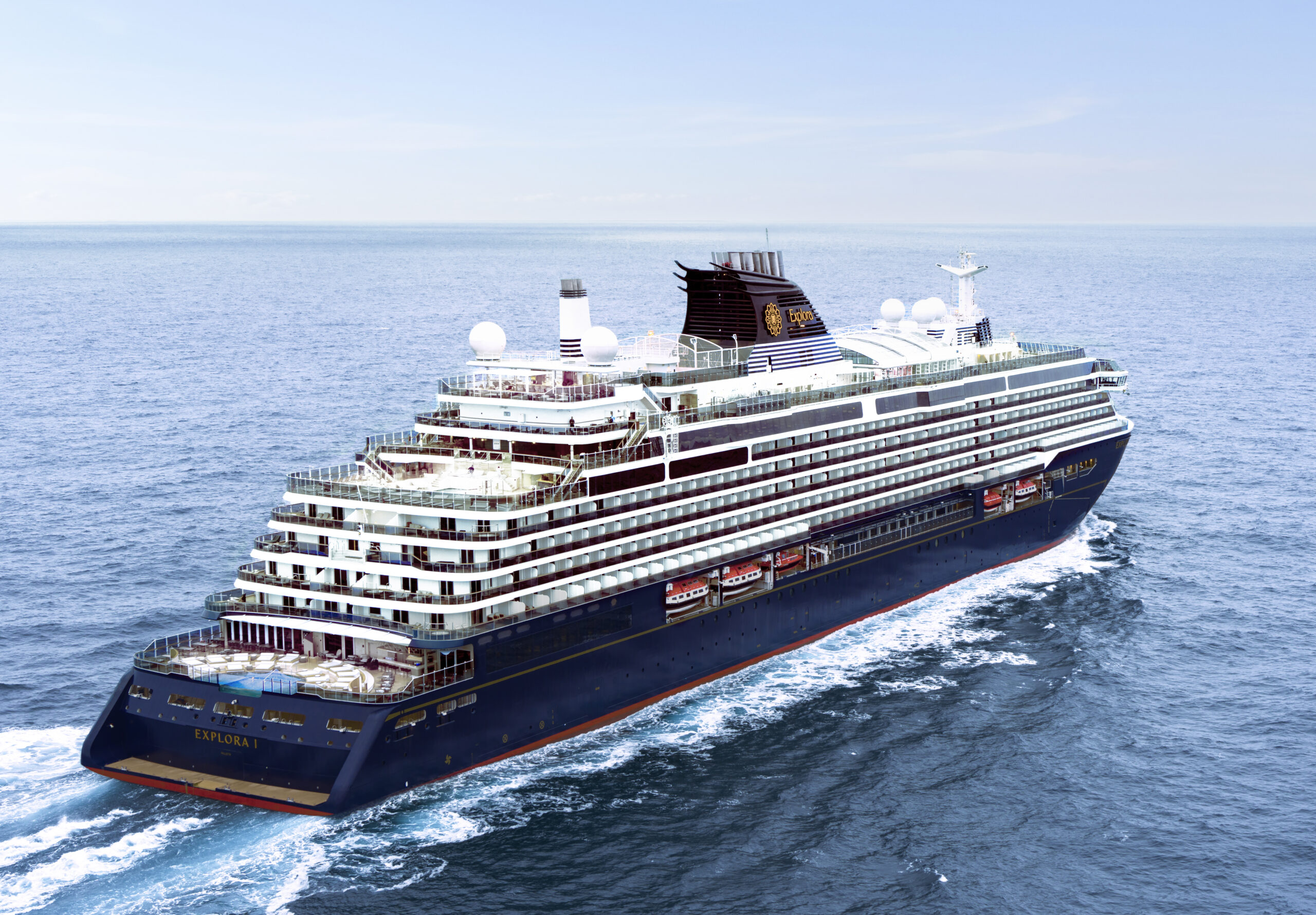
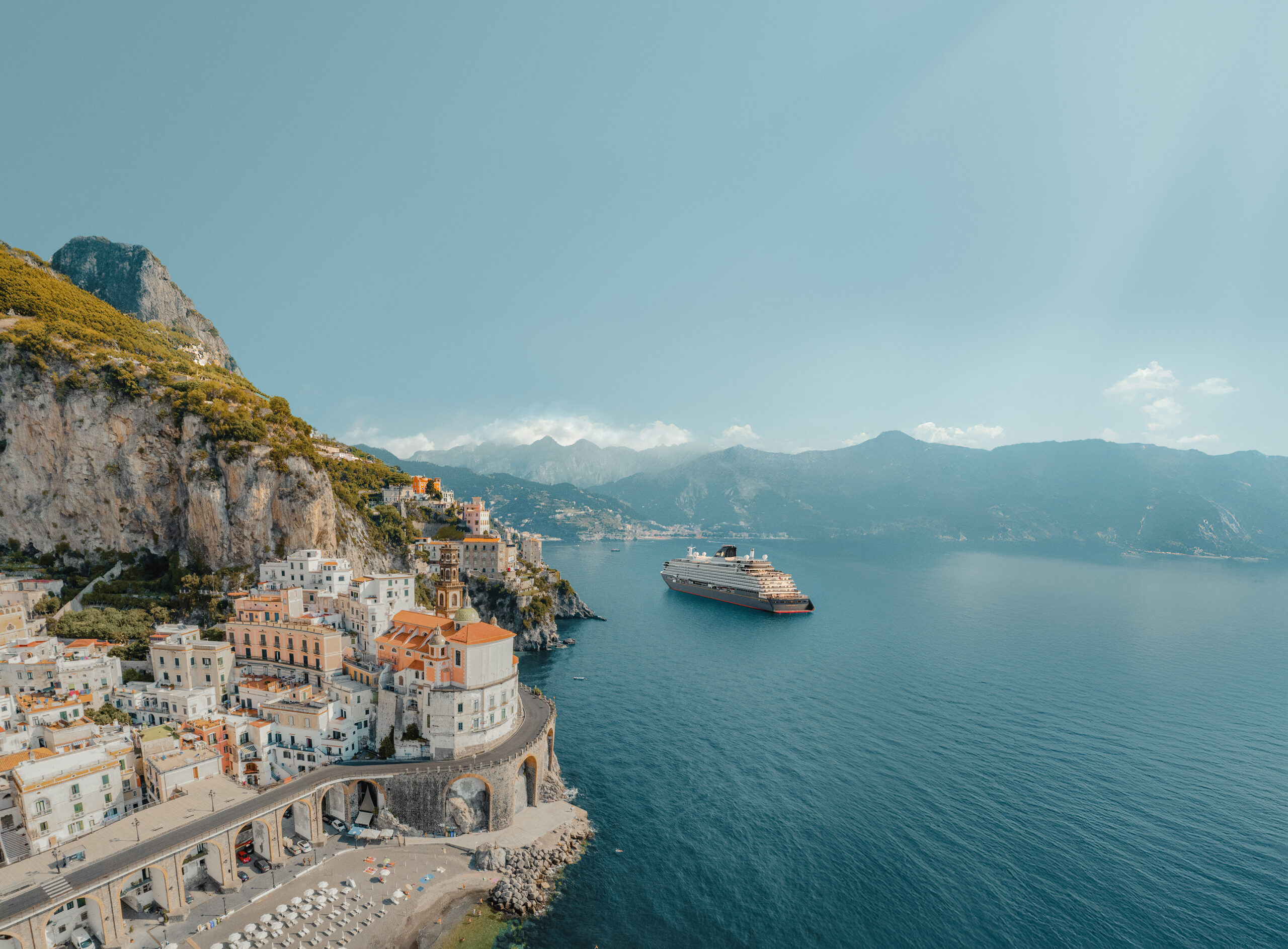
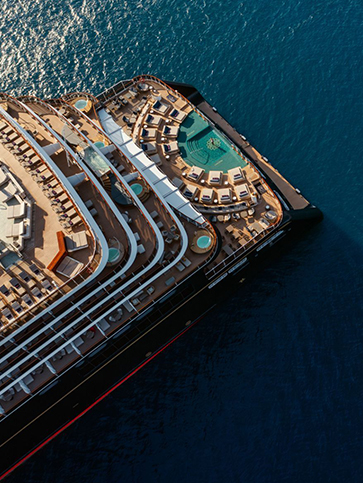
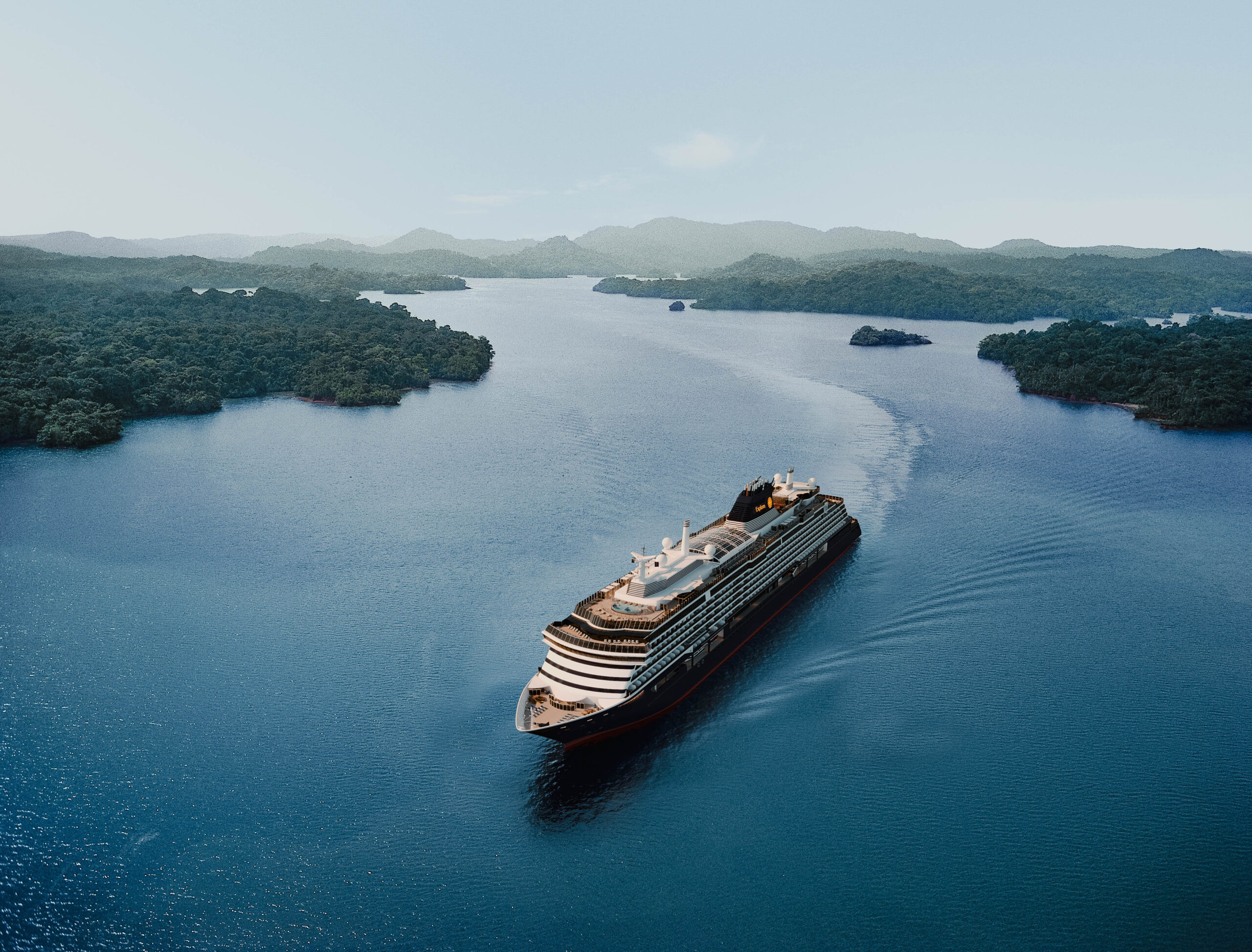
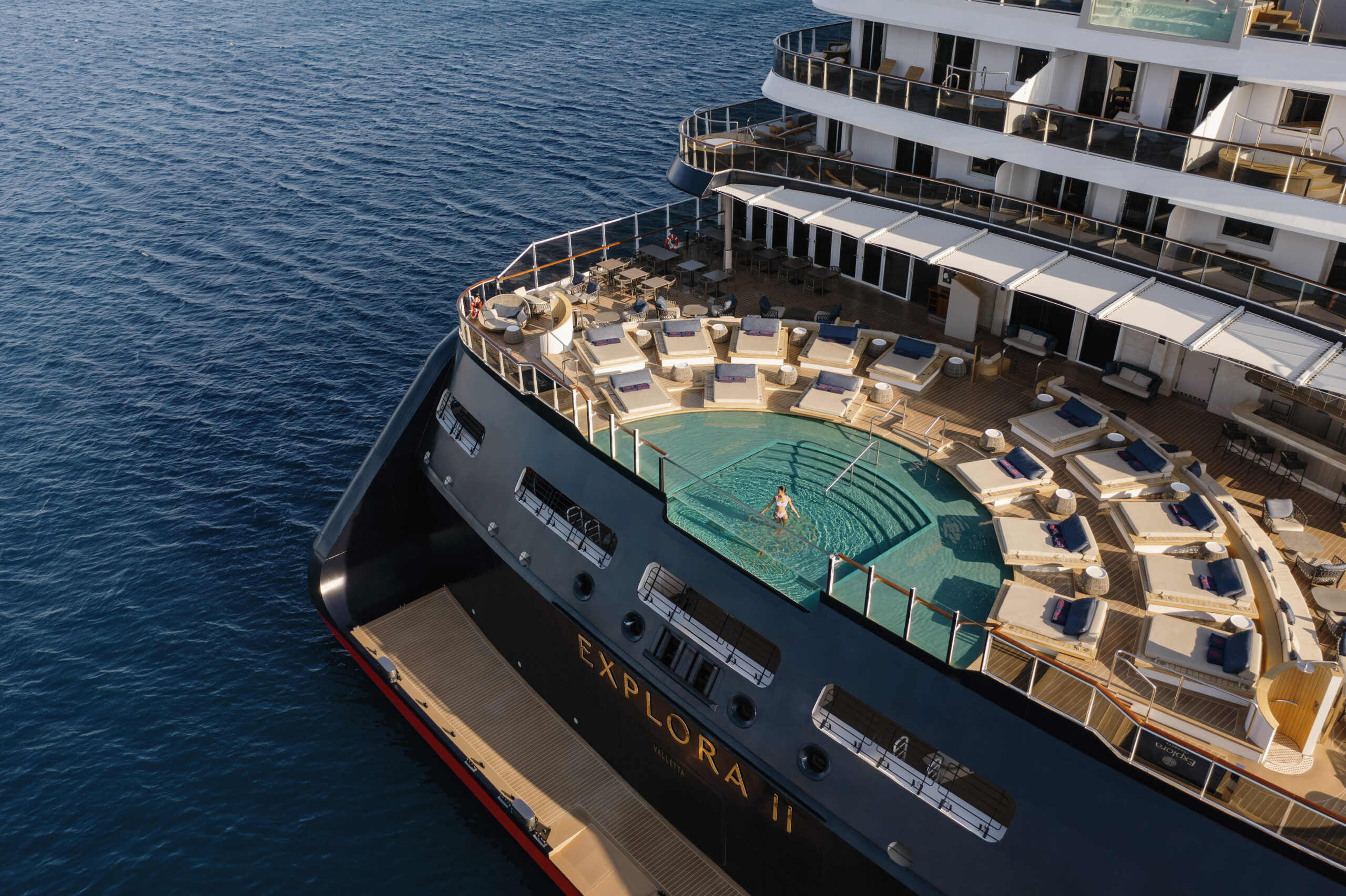
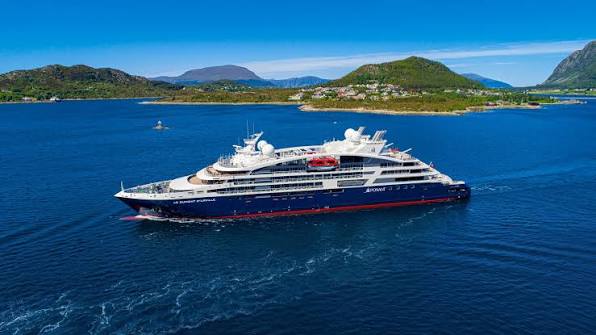
Arguably one of the finest ships at sea returned to the ultra-luxury cruise sector in 2023, completely refurbished and enhanced.
Following extensive refurbishment, Crystal Serenity has emerged
reinvigorated with contemporary, spacious accommodations and an
industry-leading space to guest ratio. The array of social areas,
wide-ranging entertainment and world-class dining options deliver
the ultimate in luxury cruising.
Laid-back, friendly and blessed with near-perfect weather all year round, San Diego is one of America's most likeable cities. Enjoy a stroll through Balboa Park, dotted with beautiful Spanish Renaissance-style architecture, take a whale watching trip along the coast, or sample the nightlife of the trendy Gaslamp Quarter. The swells of Mission Beach and Pacific Beach attract a surfer crowd, while the Old Town has a strong Hispanic influence thanks to the city's proximity to the Mexican border. There are also plenty of family-friendly attractions, including Legoland, SeaWorld and the famous San Diego Zoo.
The sister towns of Cabo San Lucas and San José del Cabo sit at the tip of Mexico’s Baja California peninsula. The towns themselves are mostly given over to luxury hotels and boisterous nightlife, but the surrounding landscape is characterised by arid arroyos, bristly cacti and rocky coastal outcrops.
Mazatlán is one of the most popular beach resorts on the Pacific coast of Mexico, and tourists tend to congregate in the Zona Dorada, where the majority of the hotels are concentrated. The old town is much more interesting, however, with elegantly faded colonial architecture and a vibrant cultural scene.
The resort town of Puerto Vallarta, on Mexico’s Pacific coast, has bags of charm in spite of its popularity. Spend some time exploring the pretty old town, with its cobbled streets and quirky boutiques, or relax on the beach. Humpback whales breed out in the bay during the winter months, and dolphins can be spotted year round.
A cruise call at Acajutla is a rare opportunity to explore the tiny Central American nation of El Salvador. Popular excursions include the Mayan ruins at Tazumal, scuba diving off beautiful Los Cabanos beach, or a trip to the Izalco volcano, where you can peer down into the dormant caldera.
Situated on a peculiarly shaped peninsula on the Gulf of Nicoya, Puntarenas is a popular weekend beach destination for residents of Costa Rica’s capital, San José. The port itself is not pretty, but the beachfront Paseo de los Turistas is a nice place to relax with a drink or enjoy a seafood lunch.
The Ecuadorian port of Manta is known as the “tuna capital of the world”, and you’ll see plenty of fishing boats as you arrive. The beach is a popular destination for local tourists, but you may find that the nearby town of Montecristi, home of the Panama hat, makes for a more interesting excursion.
Guayaquil is Ecuador’s largest city and most important commercial centre, and acts as the gateway to the Pacific coast and the wildlife haven of the Galapagos Islands. It’s a busy, buzzing sort of place, centred around the pleasant riverfront Malecón promenade.
Salaverry is the nearest port to Trujillo, northern Peru’s most important city. Located amongst the verdant Andean foothills, Trujillo is home to a host of beautiful colonial buildings, and is also known for the spectacular nearby ruins of Chan Chan, the largest pre-Columbian city in South America.
Peru’s underrated capital enjoys a fine setting on the Pacific coast, and the handsome colonial-era buildings surrounding the Plaza de Armas give clues to Lima’s distinguished history; for three centuries this was the capital of the Spanish Americas, when the city grew rich on the back of plundered Inca gold.
The enigmatic moai statues of Rapa Nui (Easter Island) remain one of the world’s most intriguing archaeological mysteries. Descendants of the Polynesian settlers who carved them still live here, though these days the island belongs to Chile, despite being separated from the mainland by over 2,000 miles of Pacific Ocean.
The remote South Pacific island of Pitcairn was settled by a party of British sailors and Tahitians following the famous mutiny on the HMS Bounty in 1789, and their descendants still live on the island. The tiny capital, Adamstown, has a population of around 50 people.
The Fakarava atoll surrounds a deep lagoon in the west of the Tuamotu island group, scarcely populated and home to a host of rare wildlife. The entire atoll has been declared a UNESCO biosphere reserve, and the shallow coastal waters make for excellent snorkelling.
The Rangiroa atoll is one of the biggest in the world, a ring of over 400 motu (islets) surrounding a vast lagoon. This stunning area is a popular destination for divers and snorkellers, and the waters are home to marine life including sea turtles, bottlenose dolphins, hammerhead sharks and manta rays.
Papeete is the capital of French Polynesia, situated on the northwest coast of Tahiti. The port is not the most magical spot, so we advise venturing forth to luxuriate in the turquoise lagoons, relax on the white sand beaches fringed with palm trees, and explore the rugged mountain peaks.
Mo’orea is one of the real highlights of the South Pacific, a picture perfect landscape of jagged green mountains and dazzling cobalt bays. The warm waters of the lagoon are perfect for a host of watersports, while the lush island interior can be easily explored by scooter or bicycle.
Raiatea, the second largest of the Society Islands, played a vital role in the development of Polynesian culture; it was from this island that settlers departed for Hawaii and New Zealand over a millennium ago. The island feels wilder than Tahiti, with steep, jungle-covered mountains, cascading waterfalls and ancient Polynesian temples.
Bora Bora is the very definition of idyllic, a diminutive Polynesian island dominated by rainforest-clad volcanic peaks, overlooking an electric blue lagoon ringed by coral reefs. The beaches and over-water bungalows are particularly popular with honeymooners, and the clear waters of the lagoon are perfect for snorkelling.
The little fishing town of Pago Pago is the capital of American Samoa, a rarely visited but utterly enchanting archipelago in the South Pacific. Pago Pago sits on a beautiful natural bay on the island of Tutuila, a lush and mountainous place where Polynesian traditions remain strong.
Apia is the capital of Samoa, situated on the north coast of the island of Upolu. Highlights include the colourful markets and Robert Louis Stevenson's former house, now a museum, though you may just want to use the city as a jumping off point for the beautiful beaches located further along the coast.
Suva is Fiji’s bustling capital, situated on the southeast coast of Viti Levu on a fine natural harbour. This is one of the more attractive port cities in the South Pacific, with a handsome core of colonial buildings that hark back to the days when Fiji was an outpost of the British Empire. The colourful wooden buildings of Cumming Street are particularly pretty.
Lautoka is Fiji’s second largest city, known as the ‘Sugar City’ due to its important role in the local sugarcane industry. The waterfront area is pleasant enough, but we’d recommend using Lautoka as a jumping off point to visit some of the smaller surrounding islands, or the forests and waterfalls of the interior.
Espiritu Santo is the largest of Vanuatu’s islands, home to the famous Champagne Beach, a stunning stretch of perfect white sand on the east coast. The beach is named after a bizarre natural phenomenon, in which gas escaping from volcanic rocks on the sea floor causes the water to bubble and fizz at low tide.
Situated on a magnificent natural harbour, Port Vila is the sleepy and seductive capital of Vanuatu. This friendly town is the perfect introduction to this intriguing Pacific island nation, with colourful markets, a unique Melanesian culture and some jaw-dropping nearby beaches.
Mystery Island, or Inyeug as it is known locally, is a small uninhabited island at the southern edge of the Vanuatu archipelago. There are no roads, no electricity and no hotels here, just idyllic white sands and tranquil tropical waters that are perfect for swimming and snorkelling.
Lifou is the largest and most populous of the Loyalty Islands, part of the French overseas territory of New Caledonia. This friendly little island is everything you would expect from the South Pacific, with gorgeous beaches, superb snorkelling and a jungle-swathed interior dotted with fragrant vanilla plantations.
Nouméa is the capital of New Caledonia, a French overseas territory in the South Pacific. The city is cosmopolitan and sophisticated, home to lovely little bistros and chic boutiques, providing quite a contrast to the rugged landscapes of the surrounding countryside.
The beautiful Bay of Islands is scattered with some 150 undeveloped islands, an idyllic landscape of bright skies, secluded beaches and clear blue waters. The bay was also the site of the first permanent British settlement in New Zealand, and it was here that the Treaty of Waitangi was signed in 1840 between the British Crown and the Maori chiefs.
Auckland offers a buzzing waterfront and a vibrant arts scene, and provides a fascinating introduction to New Zealand’s proud cultural heritage. The centre is home to excellent shopping and a number of fantastic restaurants, and to the west is the city's oldest wine region.
Tauranga is the largest city on the Bay of Plenty, and is said to be one of the sunniest spots in the whole of New Zealand. There’s a real boom town feel here, with new restaurants, bars and hotels opening all the time, and neighbouring Mount Maunganui is a popular beach destination.
When Napier was destroyed by an earthquake in 1931 the city was rebuilt entirely in the Art Deco style, making this a fascinating architectural time capsule. It’s a lovely, sunny seaside city, and a visit to the surrounding Hawke’s Bay wine region makes for an enjoyable day trip.
New Zealand’s cosmopolitan capital is arguably the country’s most likeable city. Hemmed in by forest-clad hills, Wellington is compact and easily walkable, with a lovely waterfront area where you’ll find the must-see Te Papa national museum. The city is also renowned for its strong winds, so make sure you hold on to your hat!
A garden city where punts glide down the Avon River, you’d be forgiven for thinking you were still in the UK when arriving into Christchurch, New Zealand’s most English of cities.
Visitors to Dunedin are amazed by the extraordinary Victorian and Edwardian buildings dating back to the gold rush, which bring to mind the city's Scottish roots - not least when the sound of the pipes echoes through the streets.
Culturally sophisticated and fashionably hip, Melbourne combines edgy street art with gold rush era architecture while offering excellent restaurants and top museums. If you have time, check out some of Victoria's other attractions, including the beautiful 12 Apostles and the excellent wines of the Yarra Valley.
One or our favourite cities in the world, we love pretty much everything about Sydney. Offering outdoor living at its best, the city is known for the excellent beaches but offers so much more, including a thriving and varied food scene inspired by Asian and European flavours.
The port of Newcastle, just to the north of Sydney, is the second oldest city in Australia. Historically associated with convicts and coal mining, Newcastle is reinventing itself as a hip post-industrial city, with plenty of cool bars, restaurants and cultural attractions. It’s also the gateway to the Hunter Valley, one of Australia’s most famous wine regions.
Brisbane has plenty of shopping malls and, with great weather, a fantastic café culture. Amongst the steel and glass skyscrapers are some interesting historic buildings, and with plenty surrounding the city there’s enough on offer to make for an interesting short stay.
The lively town of Airlie Beach is backpacker central, and serves as a transport hub for the many offshore attractions of the east coast. From here you can take a trip out to snorkel on the Great Barrier Reef, or visit the stunning tropical beaches of the nearby Whitsunday Islands.
Cairns is a buzzing tourist hub, gateway to the Great Barrier Reef and the Daintree Rainforest. A snorkelling trip out to the reef is the most obvious excursion to take here, but other options include riding the Skyrail cableway over the rainforest canopy or swimming in the croc-free saltwater lagoon.
Alotau is the capital of Milne Bay province, on the remote eastern tip of mainland Papua New Guinea. Milne Bay was the scene of heavy fighting during the Second World War, and today you can dive amongst the wreckage left behind. Alotau also serves as a base for visiting the nearby islands, including the fascinating Trobriand archipelago.
Named after the British naval officer Sir Fairfax Moresby, Papua New Guinea’s capital is the biggest city in the South Pacific. It’s a gritty place that has its fair share of problems, but it’s also home to some interesting sights, including the striking Parliament Haus building and the National Botanical Gardens.
More of a large town than a city, Darwin is less about what’s contained within the city limits and more about the huge expanse of wild landscape that’s outside it. Closer to Jakarta than Sydney, the city really does feel remote in its tropical perch.
Komodo Island is situated within an area of spectacular natural beauty, home to the famous Komodo dragon. The stunning beaches are tinged with pink thanks to the high concentration of red coral just offshore, and the waters draw intrepid divers from all over the world.
The sweltering city of Semarang, on the north coast of Java, is an intriguing mish-mash of Chinese, Islamic and Dutch colonial influences. We recommend escaping the heat with a trip up into the mountains to visit a coffee plantation, or joining an excursion to the extraordinary temple complex at Borobudur.
Singapore’s heritage as an important trading post means that there is a real cultural mix, with four official languages: English, Chinese, Malay and Tamil. Step away from the gleaming towers and you’ll find yourself transported into another world amongst the intoxicating streets of Chinatown and Little India.
Attracting everyone from budget backpackers to ostentatious oligarchs, Koh Samui is one of Thailand’s most popular islands. It’s no surprise, given the truly stunning beaches, but the more developed areas such as Chaweng have lost a lot of their charm, so head for the quieter south and west if you can.
Thailand’s sprawling capital is an assault on the senses, an invigorating blend of tradition and modernity. Soaring skyscrapers, air-conditioned shopping malls and an efficient public transport system combine with shimmering golden temples, ancient palaces, floating markets and at times gridlocked rush hour traffic.
Ko Kut (also known as Koh Kood), is one of Thailand’s prettiest islands, with powder-soft sands reminiscent of the Maldives, crystal clear waters and beautiful waterfalls. Kayaking and snorkelling are the main activities here, along with relaxing on the beach and enjoying the incredible views.
Saigon, as it was known then, was the capital of the South during the Vietnam War, and American-style capitalism has been embraced more enthusiastically here than in the North, with a clutch of shining skyscrapers standing as testament to Vietnam’s surging economic growth.
Muara is the main port of Brunei Darussalam, a tiny Islamic sultanate on the northern coast of Borneo. The sultan’s wealth is legendary, as is his sprawling 300-acre palace, although the capital city, Bandar Seri Begawan, is a surprisingly understated and likeable place, with an intriguing mix of Malay, Chinese and indigenous cultures.
Kota Kinabalu is the gateway to the Malaysian state of Sabah and makes for an excellent base, whether you’re planning on scaling the commanding heights of Mount Kinabalu, exploring the islands and turquoise waters of Tunku Abdul Rahman Marine Park, or embarking on a trip into the jungle to encounter Borneo’s fantastic wildlife.
The little island of Boracay is home to some of the world’s most beautiful beaches, including the aptly named White Beach. If sunbathing doesn’t appeal then there are plenty of more active pursuits on offer, including diving, kiteboarding and windsurfing, or you can take a trip out on the water on one of the pretty ‘paraw’ boats.
Manila is a sprawling, chaotic conglomeration of soaring skyscrapers, faded colonial facades and ramshackle slums, and it’s certainly not everyone’s cup of tea. But if you have the stamina and an inquisitive nature, there is plenty to be enjoyed in the Philippines’ boisterous capital.
Hong Kong is a striking mix of ancient and modern, Chinese and British, and there is a lot more to the city than just skyscrapers and high finance. It's also a fantastic destination for foodies, a melting pot of culinary influences from around Asia and beyond.
Xiamen is one of China’s most liveable cities, perched on an island next to the Taiwan Strait. One of the most popular activities here is a trip across to the much smaller and traffic-free island of Gulangyu, renowned for its beaches, gardens and crumbling colonial architecture built by European traders.
Booming Shanghai has long been China’s most outward-looking, cosmopolitan city, as evidenced by the fascinating mixture of European and Asian architecture. The Bund, a riverfront promenade flanked by grand colonial era buildings, is the city's most famous thoroughfare, while the Pudong financial district lights up the city skyline at night with its futuristic towers.
Busan is South Korea’s second biggest city and one of the world’s busiest container ports, but it’s an easygoing place with a discernibly different character to Seoul. Haeundae beach is a popular summer holiday destination for Koreans, while the pungent Jagalchi market sells every type of fish and sea creature imaginable.
On 6 August 1945 the world witnessed the terrifying power of nuclear weapons for the first time, unleashed on the unsuspecting Japanese city of Hiroshima. The modern city's sobering Peace Memorial Park commemorates that fateful day, which left more than 140,000 dead.
Steam rises over the spa town of Beppu, home to numerous onsen (hot springs) and the surreal red waters of the macabre-sounding ‘blood pond hell’. Beppu is also close to Mount Aso, the largest active volcano in Japan, and the ancient temples of the Kunisaki Peninsula.
Nagoya is Japan’s fourth largest city, though it remains well off the radar of most tourists, overshadowed by nearby Tokyo and Kyoto. The city is an important manufacturing hub, home to companies including Toyota and Lexus, and sights include a fascinating railway museum featuring maglev and ‘shinkansen’ bullet trains.
In a state of constant renewal and forever looking to the future, densely populated Tokyo is a dazzling introduction to Japan and its utterly unique culture. With more neon than Las Vegas and more Michelin stars than Paris, it’s a real assault on the senses.
The city of Hitachinaka is situated on the east coast of Japan’s main island, Honshu, in an area known for its long sandy beaches and busy fishing ports. Don’t miss the famous Hitachi Seaside Park, which lights up with pale blue nemophilia flowers during the spring and crimson kochia bushes in autumn.
Sendai is the largest city in the Tohoku region, founded in the 16th century by the powerful samurai lord Date Masamune. His legacy lives on in the ruins of Sendai Castle, heavily damaged by Allied bombing during the Second World War. The city also plays host to the colourful Tanabata Matsuri festival every summer.
Situated at the southern tip of Hokkaido, Hakodate was one of the first Japanese ports to open up to international trade in the 19th century, and a scattering of European-style buildings remain. Take a ride on the historic streetcar, tuck into delicious seafood or enjoy a revitalising dip in an onsen (hot spring).
The city of Aomori, at the northern tip of Honshu island, is best known for its summer Nebuta Matsuri festival, which lights up the streets every August. There is still plenty to see during the rest of the year, including elegant Hirosaki Castle, pretty Lake Towada and the Seiryu-ji Temple, home of the largest Buddha statue in Japan.
The misty fishing port of Kushiro, on the east coast of Hokkaido, is the gateway to the protected marshlands of Kushiro Mitsugen National Park. These extensive wetlands are the only place in Japan where you can still find the endangered Japanese crane, a graceful bird with a distinctive red crown.
Kodiak is known as Alaska’s ‘Emerald Isle’ thanks to the lush green countryside, a landscape crisscrossed by gushing salmon-filled streams that provides a home to around 3,000 Kodiak bears, the world’s largest. Ships dock in Kodiak city, an important fishing port with a fascinating Russian heritage.
The tiny city of Seward, home to just 3,000 people, enjoys a spectacular setting on the edge of Resurrection Bay, on Alaska’s southern coast. Surrounded by the mountains and forests of the Kenai Fjords National Park, it’s a great base for exploring the Harding Ice Field and the stunning scenery of the Kenai Peninsula.
Situated at the northern end of the Inside Passage, Skagway is an impressively well preserved former gold rush town, with a charming historic centre that’s easy to explore on foot. Popular activities include hiking to the pristine Lower Dewey Lake and the scenic train ride along the old gold rush route.
The port at Icy Strait Point was created to ensure that indigenous communities benefit from cruise tourism in Alaska, and the facility is owned by the local Tlingit people. Here you can learn about Alaska’s native culture and enjoy guided nature walks, whale watching trips or shopping for local crafts.
Sitka was founded by Russian fur traders in 1799 as the city of New Archangel, and there is still a discernible Russian influence here, including the distinctive St Michael’s Orthodox Cathedral. The town also enjoys spectacular natural surroundings, facing the Pacific Ocean and dramatic Mount Edgecumbe.
Back in its 19th century heyday Wrangell was a lawless gold rush town, and it's still a little rough around the edges, but it's also a very welcoming place, ideal for exploring the surrounding Alaskan wilderness. Take a trip to the nearby Anan Wildlife Observatory for the chance to see black and brown bears at close proximity.
Cosmopolitan Vancouver is a city that rewards exploration, an eminently liveable place and an easy gateway to the natural beauty of British Columbia. The culinary scene here is a particular draw, with seafood galore and some fantastic Asian restaurants.