From San Cristóbal Island to San Cristóbal Island · South America & Antarctica · 7 nights
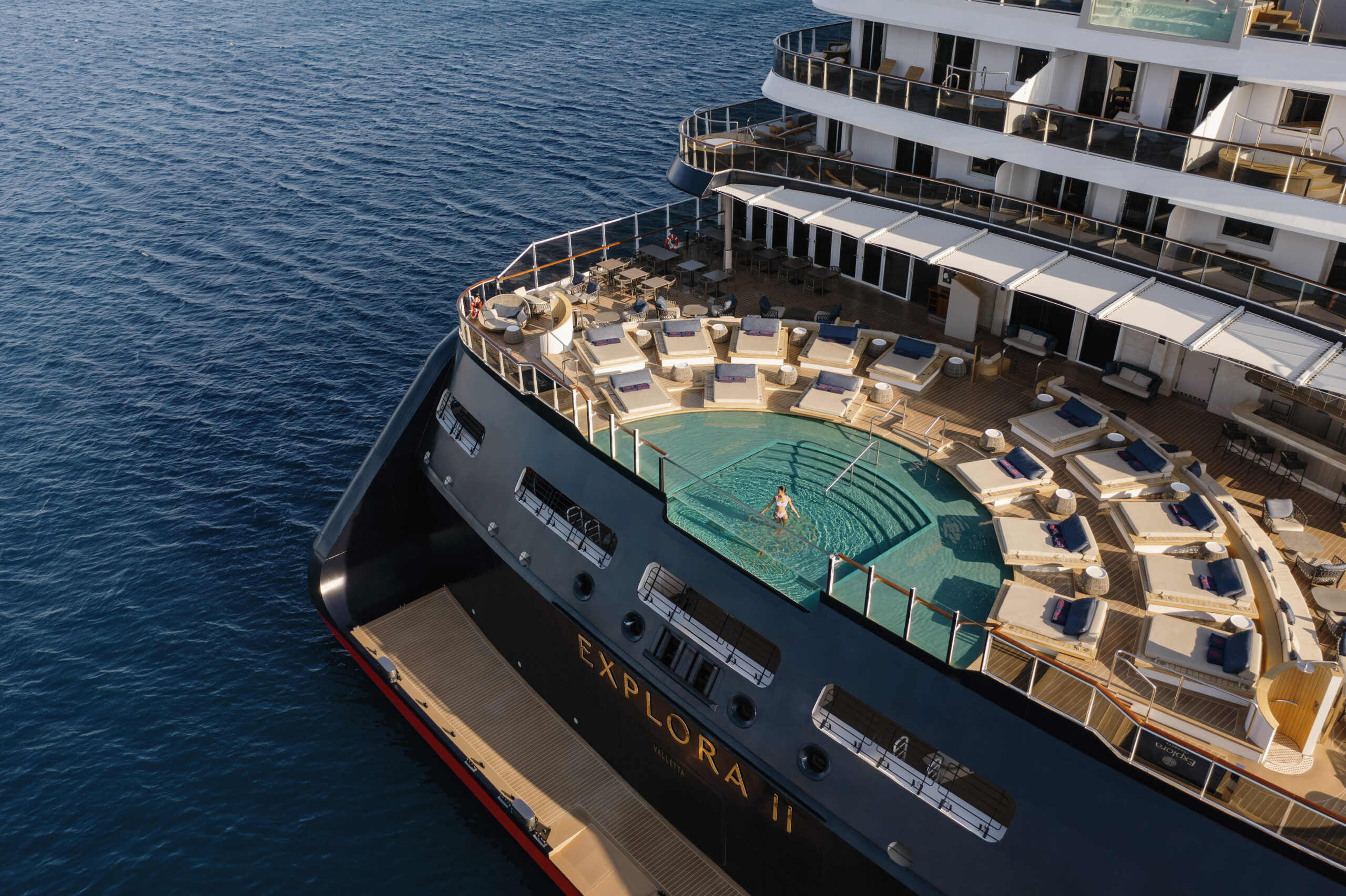
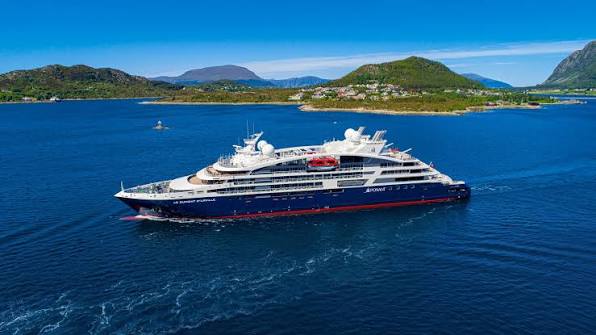
Silversea’s stunning Silver Origin is the most luxurious ship in the Galapagos, purpose-built for this unique environment.
The intimate 100-guest Silver Origin gives you a supremely
comfortable home from home, as you explore the varied islands of
the Galapagos by zodiac and kayak. Learn more about the
archipelago’s flora and fauna at the Basecamp, with its amazing
interactive wall, socialise over cocktails at the Explorer Lounge,
and cosy up around the outdoor firepit after dinner.
San Cristóbal is the most easterly of the Galapagos islands, home to the provincial capital and second largest human settlement in the archipelago, Puerto Baquerizo Moreno. The fantastic wildlife includes fur seals, boobies and the endangered Chatham frigatebird.
The iconic twin lava towers of Kicker Rock sit just off the coast of San Cristóbal, and if you’re lucky with the weather you’ll be treated to a spectacular sunset here. The island is known as Roca León Dormido in Spanish, as the rocks resemble a sleeping lion when viewed from the south.
The summit of Bartolomé Island offers outstanding views of some of the Galapagos archipelago’s most spectacular volcanic scenery, including the much-photographed Pinnacle Rock. The island is also home to penguins, sea lions and turtles, with some great snorkelling spots just offshore.
Punta Vicente Roca is one of the best snorkelling locations off the coast of Isabela, and the waters at the base of the cliffs teem with life, including sea turtles, sea lions and Galapagos penguins. There are also caves where you can see birds including brown noddies and flightless cormorants.
Punta Espinoza is home to the largest colony of marine iguanas in the Galapagos, and you will see them draped across the black lava rocks sunning themselves during the day. Other species on Fernandina Island include Sally Lightfoot crabs, sea lions and the rare flightless cormorant.
Caleta Tagus is a sheltered cove on the western shore of Isabela, a safe harbour for many sailors over the years, and a great spot for snorkelling and kayaking. You can also take a hike up a path lined with palo santo trees for spectacular views of Isabela’s volcanic landscape.
Bahia Elizabeth, on the west coast of Isabela, is an incredible wildlife spot. As your zodiac cruises amongst the islets studding the bay you can expect to see blue-footed boobies, flightless cormorants and Galapagos penguins, while the mangroves beyond are home to sea turtles, rays, pelicans and even sharks.
Flamingos, cormorants and sea turtles can all be found around Floreana, and the island also has an interesting human history. This is the site of the famous Galapagos ‘post office’, a barrel where sailors would place letters to be transported home by passing ships.
The name is slightly misleading, as you won't find any cormorants here! Instead you'll discover a wonderful white sand beach where turtles and stingrays swim in the shallows, and a brackish lagoon where vivid pink American flamingos nest.
Los Gemelos, the ‘twins’, are two huge sinkholes up in the lush highlands of Santa Cruz island. Birds including Darwin finches and mockingbirds can be spotted amongst the foliage, and the nearby Rancho El Manzanillo is the best place on the island to see giant tortoises in the wild.
Puerto Ayora is the largest town in the Galapagos, on the south coast of Santa Cruz island. From here you can visit the lush highlands where giant tortoises roam free, and you can learn more about tortoise conservation at the Charles Darwin Research Station.
The aptly named Cerro Dragón, or ‘Dragon Hill’, is known for its population of land iguanas. These creatures were very nearly wiped out by feral dogs in the 1970s, but the conservation efforts of the Charles Darwin Foundation and the Galapagos National Park have been very successful in protecting the iguanas and growing their numbers.
San Cristóbal is the most easterly of the Galapagos islands, home to the provincial capital and second largest human settlement in the archipelago, Puerto Baquerizo Moreno. The fantastic wildlife includes fur seals, boobies and the endangered Chatham frigatebird.