From Rio de Janeiro to Bridgetown · South America & Antarctica · 20 nights
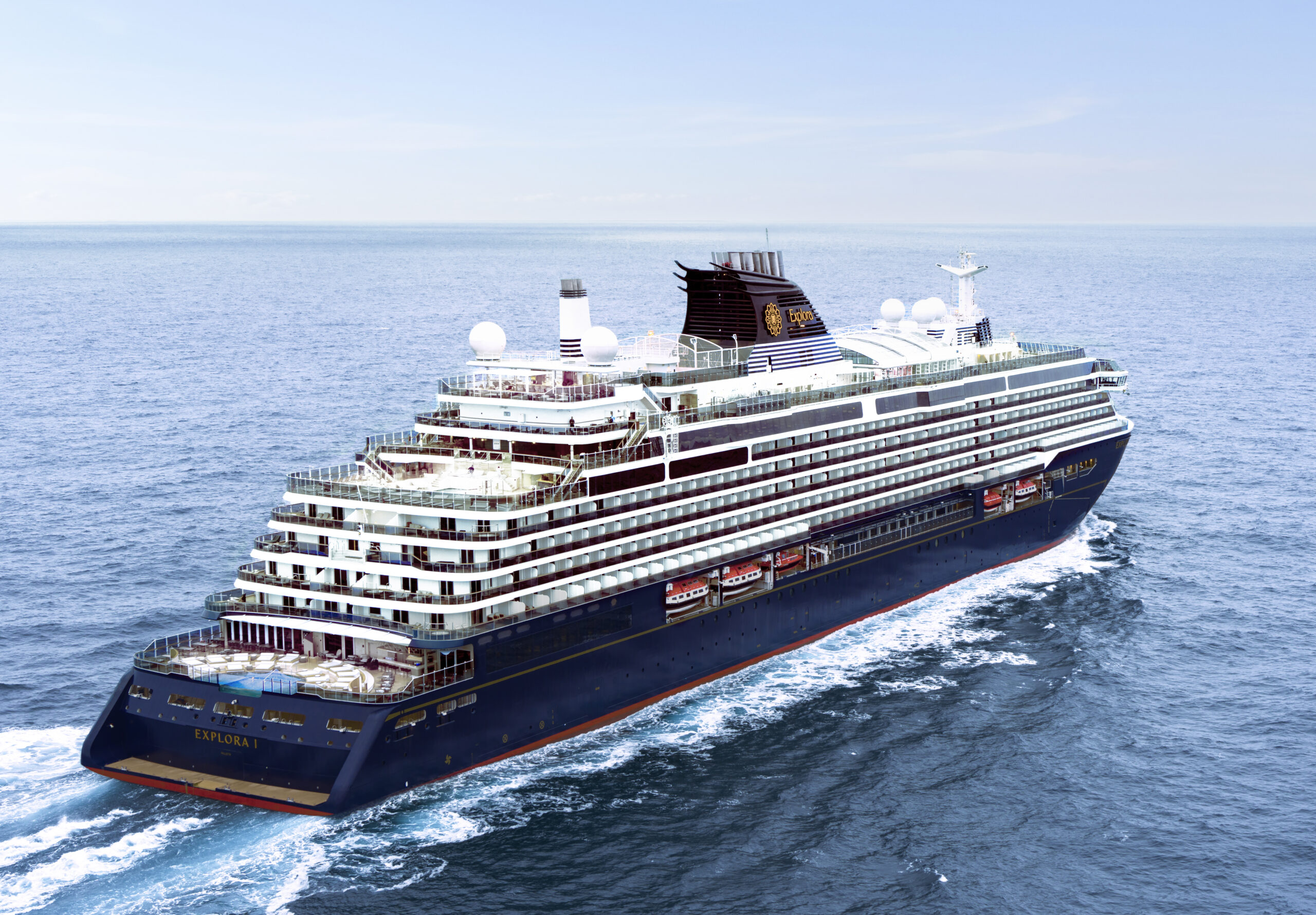
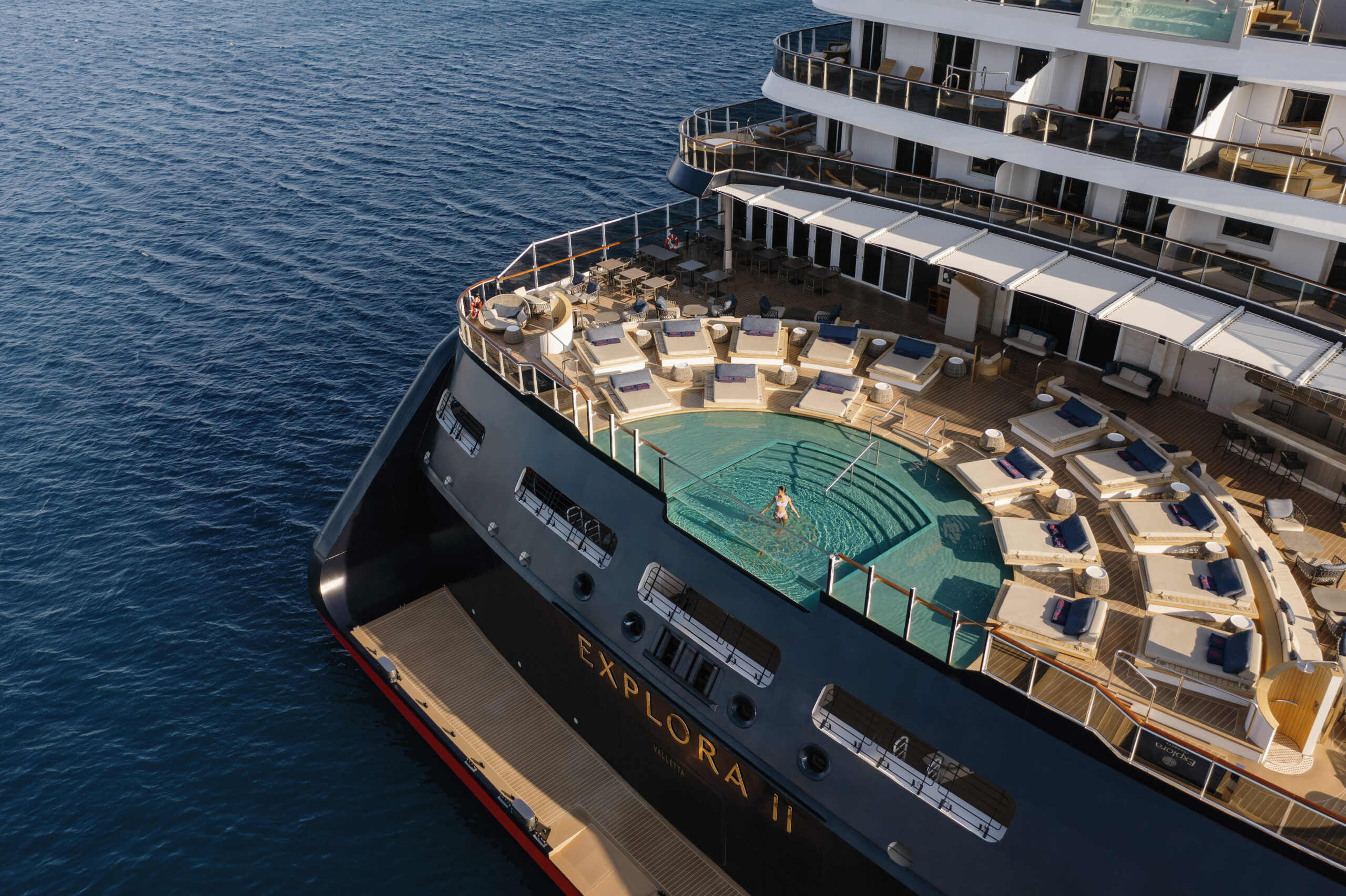
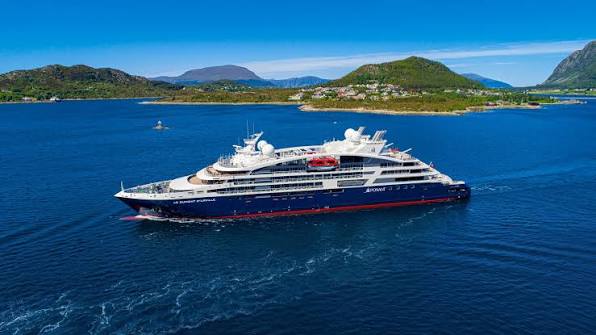
Silver Nova and Silver Ray reflect an exciting evolution of the Silversea product, featuring hybrid technology, sumptuous suites and the largest capacity of any Silversea ship to date.
The Nova Class ships use a trio of power sources, with dual fuel
engines that use LNG as their main fuel, battery technology and
fuel cells which will allow the ships to operate emissions-free
while in port – an industry first. Butler service is included for
every suite and you can expect spacious accommodation, including
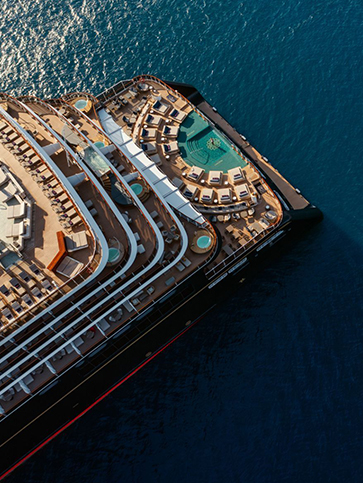
aft suites with panoramic 270-degree views, plus an outstanding
array of dining options.
The carnival capital of the world, Rio de Janeiro needs little introduction. We can think of few cities in the world that are able to compete when it comes to location: hugging the beautiful sandy shore and surrounded by jungle-clad islands and mountains, including the iconic Corcovado, the setting for Brazil's most vibrant city is simply breathtaking. Strut your stuff on Copacabana beach, shimmy to the rhythms of samba and bossa nova, or just drink in the view from the feet of Christ the Redeemer - Rio is truly a destination to be savoured.
Colourful Salvador is Brazil’s third biggest city and a vibrant centre for Afro-Brazilian culture, with frequent festivals that fill the streets with music and dancing. The historic core of the old city is the biggest tourist magnet, where elegant, brightly hued colonial buildings line the cobbled streets.
Situated on Brazil’s northeastern coast, the sprawling city of Fortaleza is best known for its beaches and nightlife, and it’s also a major seaport. There isn’t a huge amount in the way of sights, though the Mercado Central is good for shopping and there are some nice beach bars along the Praia do Futuro.
Bisected by the Equator, the city of Macapá commands a strategic position on the northern side of the Amazon estuary, and is the site of an impressive 18th century Portuguese fort. There is also a pleasant riverfront area cooled by ocean breezes, and the surrounding region is rich in birdlife.
Santarém is situated at the ‘Wedding of the Waters’, where the Amazon and Tapajós rivers meet. A former rubber boom town, the city is now a focus for the controversial soybean industry. Activities on offer nearby include canoeing, wildlife walks and day trips to the laid back town of Alter do Chão.
The tiny village of Boca da Valéria, with its picturesque little church and wooden stilt houses, is home to a remote indigenous community, at the point where the Valéria and Amazon rivers meet. The villagers are used to welcoming cruise ship visitors, but stepping ashore here is still a memorable experience.
Manaus is a remarkable place, a sweltering, steamy city in the heart of the Brazilian rainforest. Situated near the confluence of the Rio Negro and Amazon rivers, surrounded by thick jungle, the city is a major port in spite of its location some 1,000 miles from the sea.
The little island town of Parintins is famous for its annual Boi Bumbá festival, the biggest folk celebration in Brazil after Rio Carnival. Cruise ship visitors are usually met by Bumbá dancers at the port, and it’s a great place to get a feel for everyday life in the Amazon region.
Bisected by the Equator, the city of Macapá commands a strategic position on the northern side of the Amazon estuary, and is the site of an impressive 18th century Portuguese fort. There is also a pleasant riverfront area cooled by ocean breezes, and the surrounding region is rich in birdlife.
There’s more to Barbados than just beaches; the delightful architecture of the old garrison in Bridgetown, the capital, is fully deserving of its UNESCO World Heritage status, and the island interior is littered with old sugar plantations and natural wonders such as Harrison’s Cave.