From Hong Kong to Yokohama (Tokyo) · Asia · 19 nights
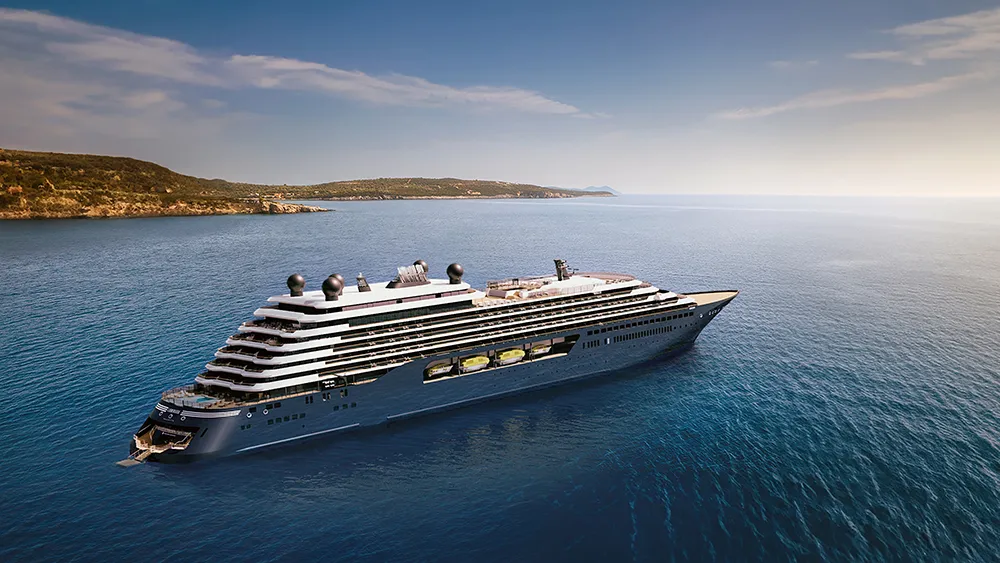
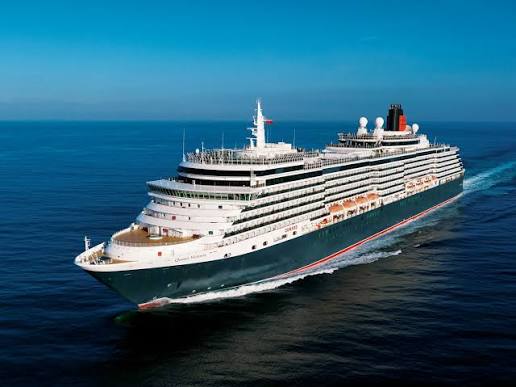
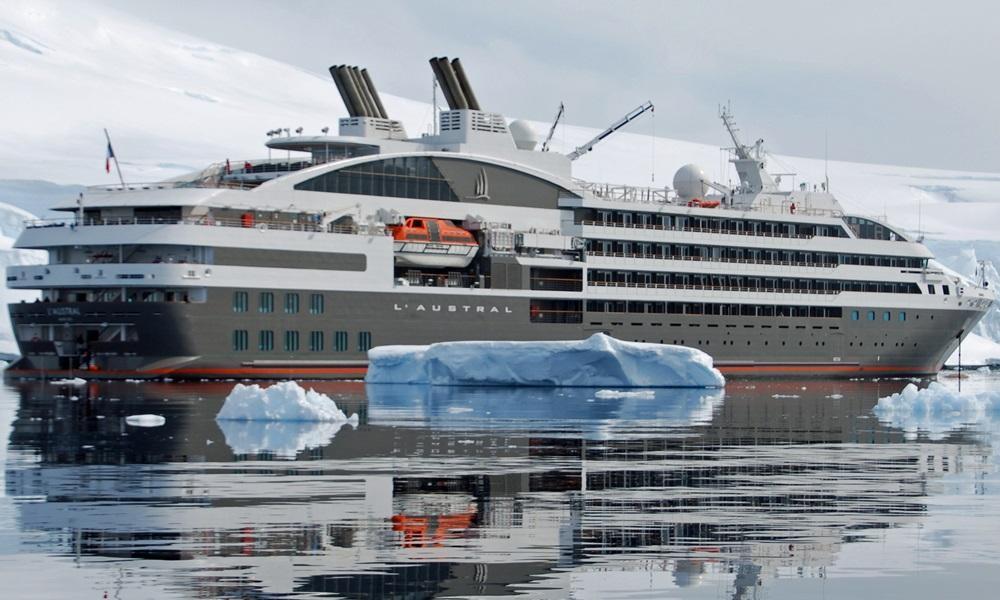
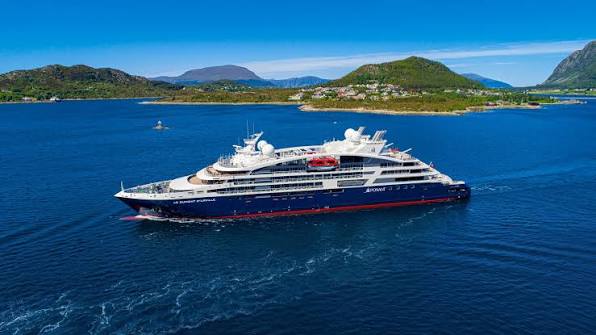
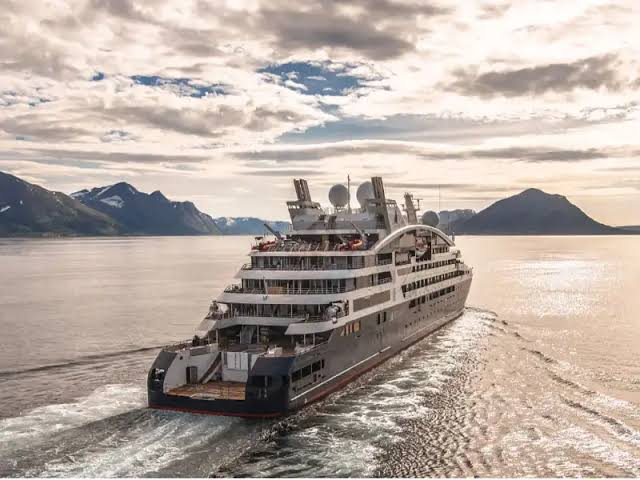
Part of Hapag-Lloyd Cruises’ award-winning fleet, MS Europa will operate bilingually in German and English beginning in January 2026, opening a whole host of exciting voyages for the English-speaking market and offering a laid-back small ship cruising experience.
MS Europa, like the rest of the Hapag-Lloyd Cruises fleet, is
awarded five stars year after year by Insight Guides Cruising &
Cruise Ships, formally the Berlitz Cruise Guide, and offers a
relaxed and stylish ambience on board. From January 2026, MS Europa
will operate bilingually, in German and English, opening up plenty
of exciting itineraries for our discerning guests.
Hong Kong is a fantastic place to begin or end a cruise, a striking mix of ancient and modern, Chinese and British, and there is a lot more to the city than just skyscrapers and high finance. On Hong Kong Island itself you'll find the bustling financial centre of Central district, the more traditionally Chinese Western district and the shops of Causeway Bay, while on the mainland Kowloon Peninsula the district of Tsim Sha Tsui is where most of Hong Kong's best hotels are located, and the atmospheric markets of Mong Kok are just to the north.
Xiamen is one of China’s most liveable cities, perched on an island next to the Taiwan Strait. One of the most popular activities here is a trip across to the much smaller and traffic-free island of Gulangyu, renowned for its beaches, gardens and crumbling colonial architecture built by European traders.
Booming Shanghai has long been China’s most outward-looking, cosmopolitan city, as evidenced by the fascinating mixture of European and Asian architecture. The Bund, a riverfront promenade flanked by grand colonial era buildings, is the city's most famous thoroughfare, while the Pudong financial district lights up the city skyline at night with its futuristic towers.
Home to 11 million people and an astonishing six UNESCO World Heritage Sites, Beijing is an exhilarating introduction to China’s distinctive history, society and culture. Feast your eyes on the majestic Forbidden City and the Summer Palace, along with spectacular modern architecture such as the iconic Bird's Nest Stadium.
Busan is South Korea’s second biggest city and one of the world’s busiest container ports, but it’s an easygoing place with a discernibly different character to Seoul. Haeundae beach is a popular summer holiday destination for Koreans, while the pungent Jagalchi market sells every type of fish and sea creature imaginable.
Fukuoka is the largest city on the southern island of Kyushu, and has long been an important centre for trade due to its proximity to the Asian mainland, closer to Seoul than it is to Tokyo. It’s a friendly, sunny place, and the city was created by a merger of two towns: Fukuoka, the old castle town, and Hakata, the former merchant district.
On 6 August 1945 the world witnessed the terrifying power of nuclear weapons for the first time, unleashed on the unsuspecting Japanese city of Hiroshima. The modern city's sobering Peace Memorial Park commemorates that fateful day, which left more than 140,000 dead.
The port of Tamano is an important centre for shipbuilding and fishing, but the city also has an arty side, with some eye-catching sculptures scattered about. Local points of interest include Miyama Park, with its elegant English garden, and Shibukawa Beach, a popular spot for watersports.
Small in size and cosmopolitan in its outlook, Kobe is a thoroughly pleasant city with a long and distinguished history as one of Japan’s main trading ports. Kobe’s past as a commercial hub is reflected in its architecture, with a number of unusually European-looking houses, as well as a charming, if slightly touristy, Chinatown.
In a state of constant renewal and forever looking to the future, densely populated Tokyo is a dazzling introduction to Japan and its utterly unique culture. With more neon than Las Vegas and more Michelin stars than Paris, it’s a real assault on the senses.