From Bucharest to Budapest · Europe (River) · 7 nights
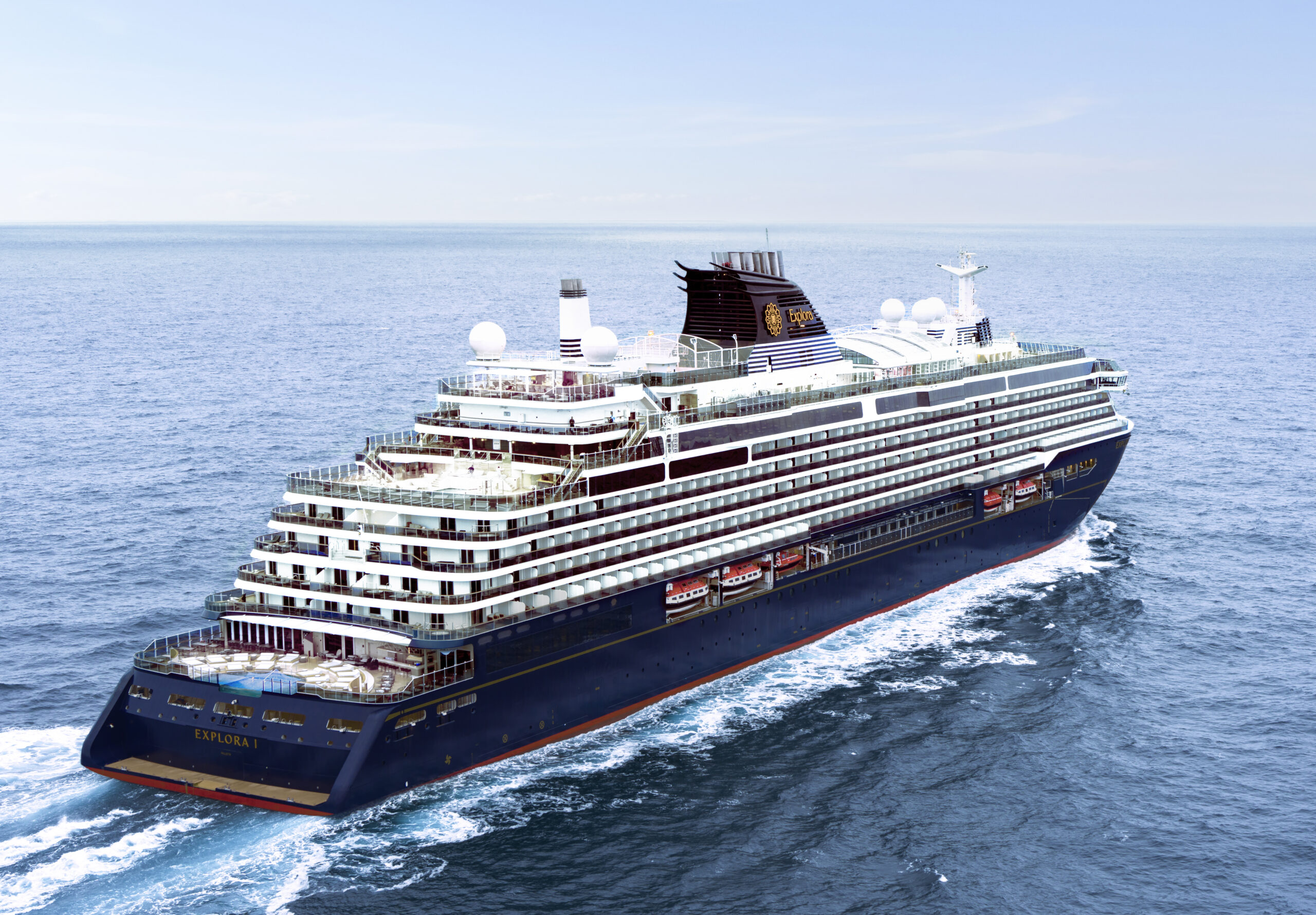
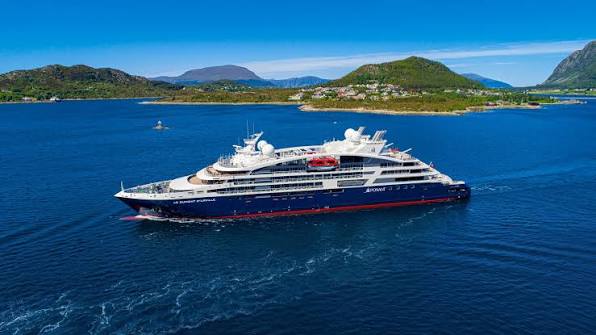
Viking’s award winning Longships are the success story of river cruising with sleek Scandinavian design and innovative engineering.
Viking Longships have led the way in the expansion of the river
cruise industry. With understated interiors, comfortable staterooms
and suites, a great main restaurant and excellent terrace offering
a lovely spot for a casual meal al fresco, they operate on Viking’s
most popular itineraries and consistently deliver to Viking’s ever
increasing clientele.
Once known as the 'Paris of the East', it's fair to say that modern Bucharest bears some pretty ugly architectural scars from the 22-year dictatorship of the late Nicolae Ceau?escu. Of all the concrete monstrosities bequeathed by Ceau?escu, the enormous Palace of Parliament is both the most grotesque and the most fascinating, a monument to one man's staggering vanity. Looks aren't everything though, and Romania's capital has emerged from the ashes of communism as a feisty, dynamic city with some lovely parks, interesting museums and a lively nightlife.
The Bulgarian city of Ruse (also written ‘Rousse’) sits on the right bank of the Danube just opposite the Romanian city of Giurgiu, and is one of the country’s most attractive cities. Sometimes known as ‘Little Vienna’, thanks to the plethora of Neo-Baroque and Neo-Rococo architecture, it’s a highlight of any cruise along this stretch of the Danube.
The riverside town of Vidin is situated in the north west corner of Bulgaria, close to the border with Romania and Serbia. The architectural highlight is the magnificently well preserved Baba Vida fortress, and the town is also home to a mosque, a synagogue and several churches.
Belgrade has been invaded and occupied dozens of times over the centuries, a fact that's reflected in the mish-mash of architectural styles, from Ottoman and Art Nouveau to grim relics of the communist era. But Belgrade is also a city with real soul, emerging from a difficult recent history as one of Europe’s most exciting capitals.
Osijek is the capital of Slavonia, a region of eastern Croatia that is hemmed in on three sides by Hungary, Serbia and Bosnia. Tourists are thin on the ground compared to the Dalmatian Coast, yet Osijek is an elegant and cosmopolitan city surrounded by beautiful countryside.
Kalocsa is known for its paprika, the ‘red gold’, used to flavour Hungary’s national dish, goulash. Look out for garlands of paprika hanging from the walls of local houses. The town is also famous for its beautiful embroidery, and excursions may take you out into the grassy steppe of the Puszta region.
Budapest is one of Eastern Europe’s most appealing cities, a vibrant and welcoming capital that straddles the Danube. The history of Budapest has been somewhat turbulent, but plenty of beautiful buildings survive, including the imposing Parliament and iconic St Stephen’s Basilica.