From Miami to Lima (Callao) · South America & Antarctica · 14 nights
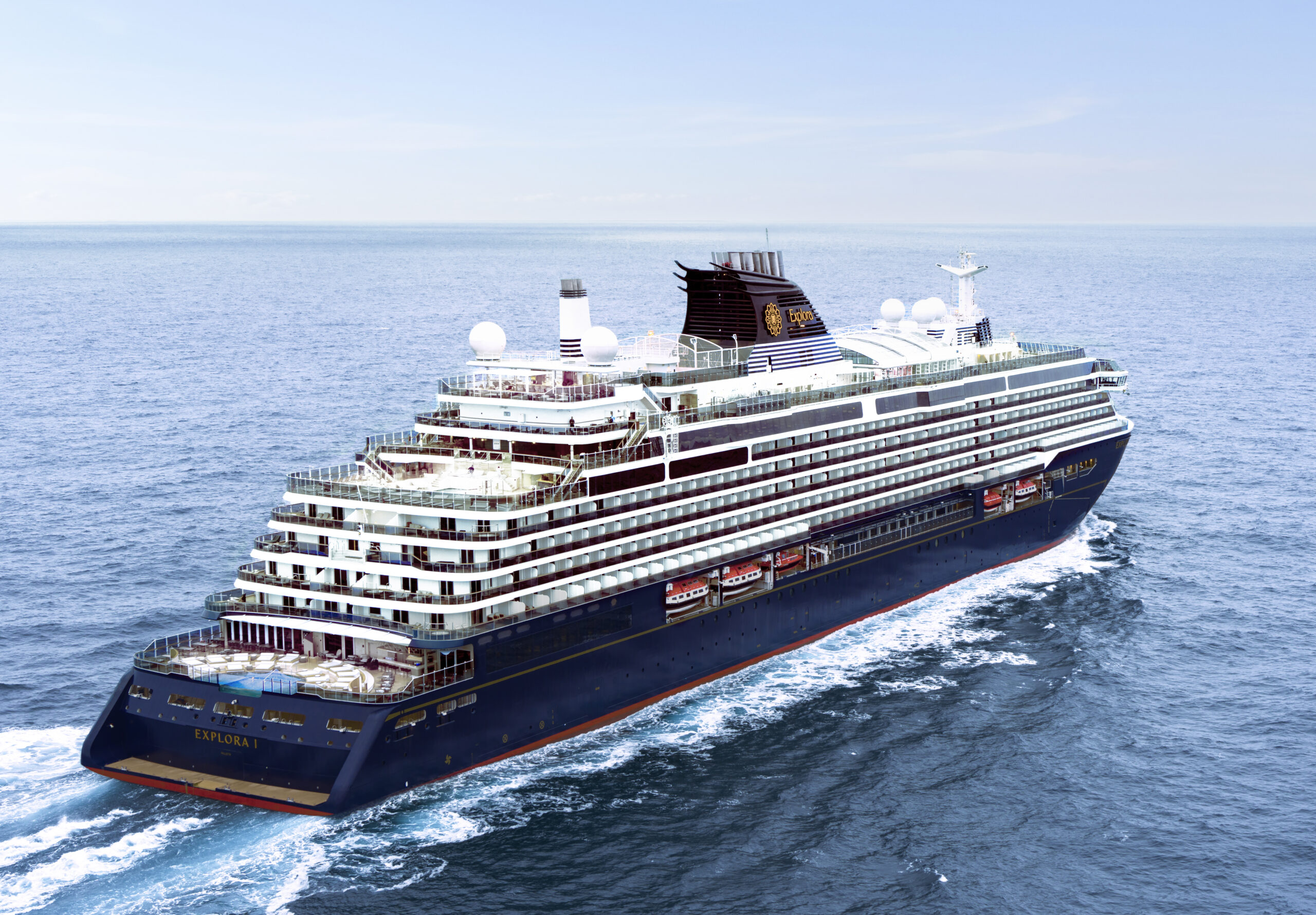
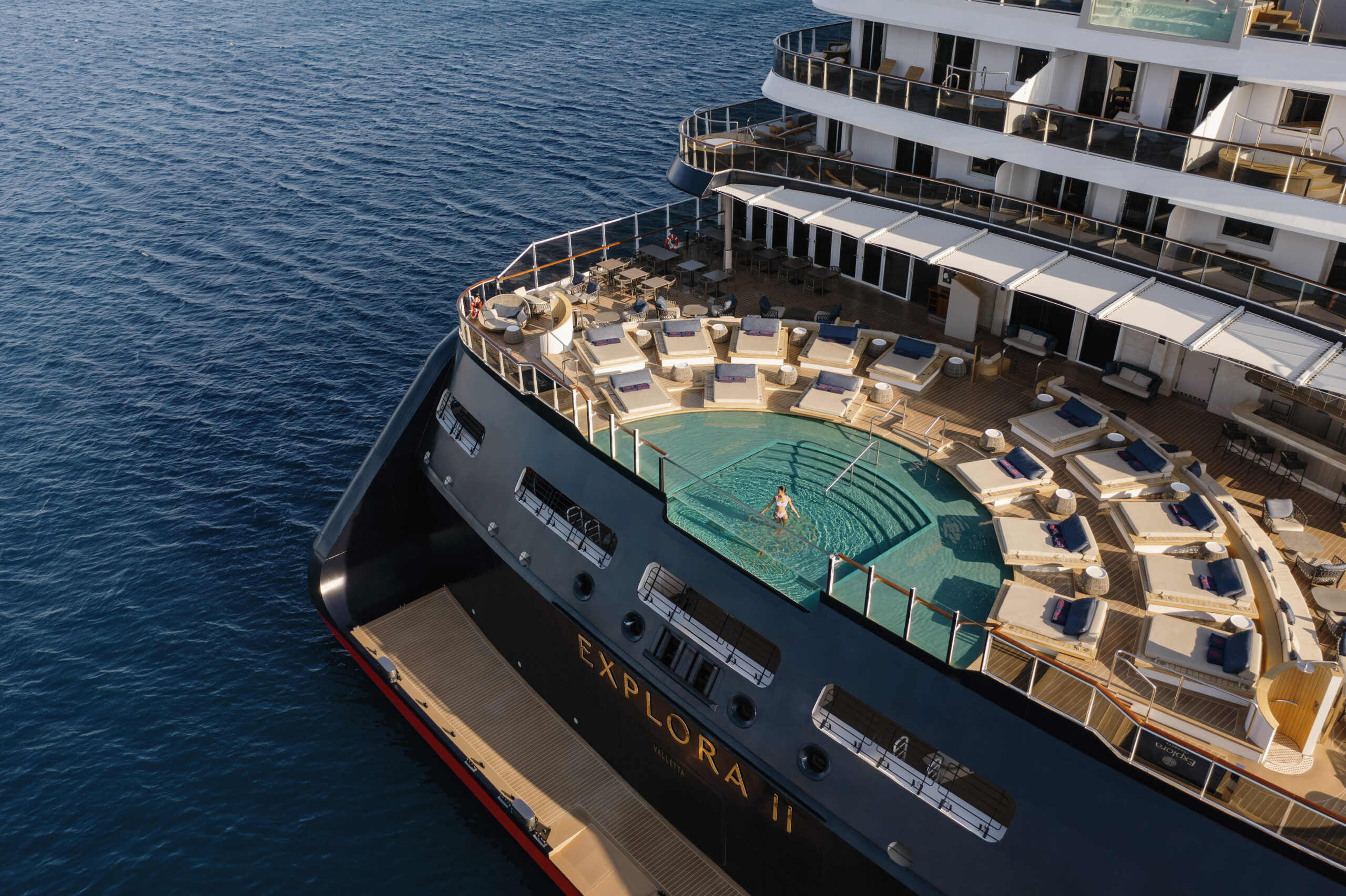
Small enough to operate fascinating port-intensive itineraries, but with the space for dining options, comfortable accommodation and more, sister ships Insignia, Nautica, Regatta and Sirena are for many the perfect size.
These four boutique style sister ships carry just 684 guests
apiece, with a comfortable, relaxed country house style and plenty
of intimate corners. We love the alternative restaurants – Oceania
is rightly renowned for great food – and the pretty little library
up on deck 10.
Miami is a pulsating modern city, a cultural crossroads where Cuban émigrés rub shoulders with affluent New Yorkers topping up on winter sun, and where you're just as likely to hear Spanish or Caribbean patois being spoken as you are English. Downtown Miami is a destination in its own right, with a host of world class galleries including the fantastic MOCA (Museum of Contemporary Art), but it's still Miami Beach that draws the biggest crowds. The Art Deco district around South Beach is very much back in vogue, with new restaurants, bars and luxury developments sprouting up all over the place.
Far more than just an offshore tax haven, Grand Cayman boasts the staggeringly beautiful white sands of Seven Mile Beach and some fantastic snorkelling in crystal clear waters. The capital, George Town, is a compact and friendly place, home to some interesting architecture and a suspiciously large number of registered companies.
Ocho Rios sits on a lovely stretch of coastline, blessed with classically Caribbean beaches and a lush forested interior. There isn’t a huge amount to do other than relax by the beach, but nearby attractions include Dunn’s River Falls, James Bond Beach and the Mystic Mountain rainforest adventure park.
Situated on Colombia’s Caribbean coast, Santa Marta is the oldest surviving Spanish colonial city in South America. The modern city lacks some of the charm of nearby Cartagena, but tourism has come on leaps and bounds in recent years, with a number of ambitious regeneration projects and a host of new restaurants and bars.
Cartagena was founded by Spanish conquistadors in 1533, and the beautifully preserved centre is a real highlight of Colombia’s Caribbean coast. The walled old town, the Ciudad Amurallada, is a camera-friendly collection of cobbled streets and colourful, colonial-era buildings.
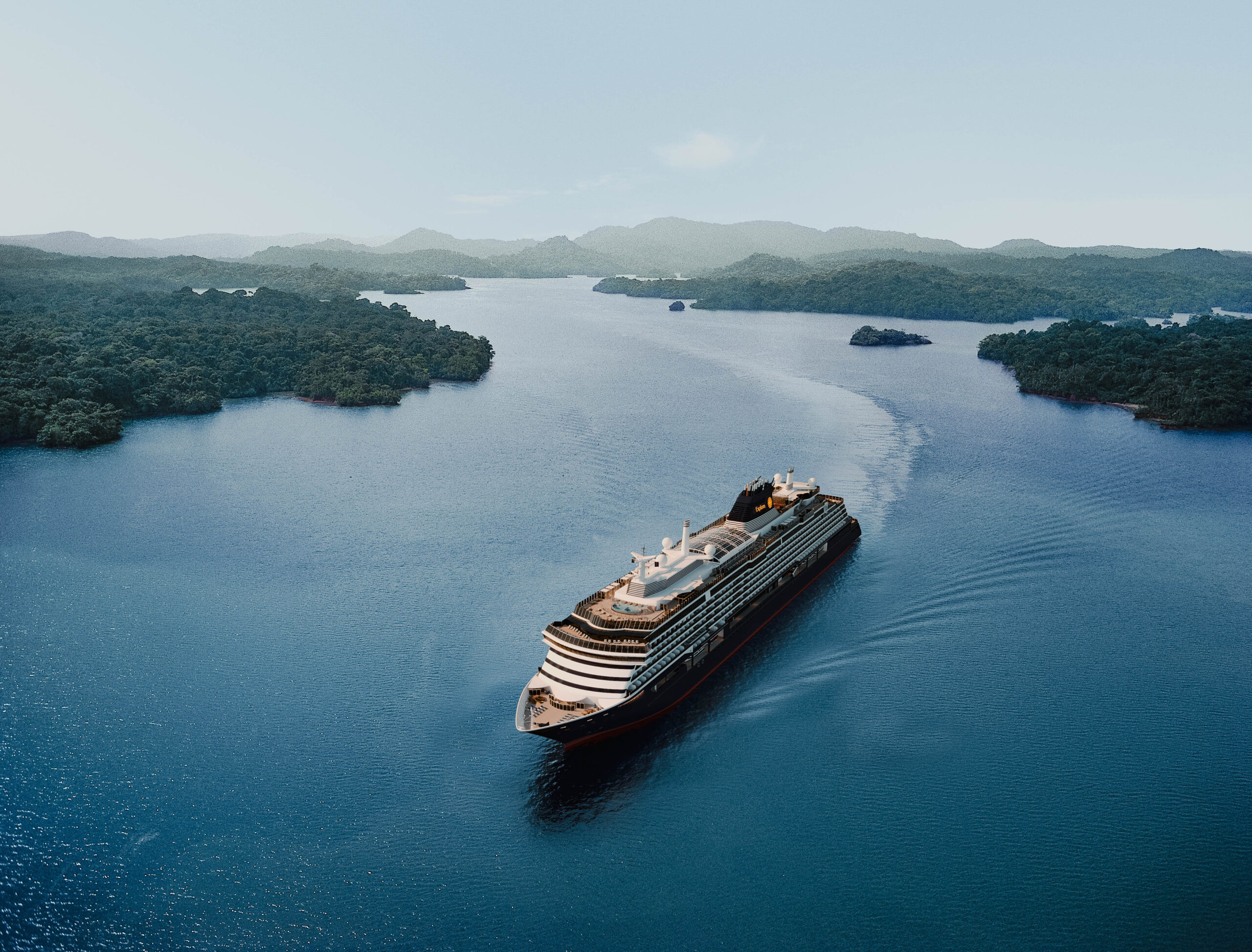
Situated at the Atlantic entrance to the Panama Canal, Colón is not somewhere you will want to hang around for long, and serves merely as a gateway to the Canal, which will carry you to much nicer places.
The Ecuadorian port of Manta is known as the “tuna capital of the world”, and you’ll see plenty of fishing boats as you arrive. The beach is a popular destination for local tourists, but you may find that the nearby town of Montecristi, home of the Panama hat, makes for a more interesting excursion.
Salaverry is the nearest port to Trujillo, northern Peru’s most important city. Located amongst the verdant Andean foothills, Trujillo is home to a host of beautiful colonial buildings, and is also known for the spectacular nearby ruins of Chan Chan, the largest pre-Columbian city in South America.
Peru’s underrated capital enjoys a fine setting on the Pacific coast, and the handsome colonial-era buildings surrounding the Plaza de Armas give clues to Lima’s distinguished history; for three centuries this was the capital of the Spanish Americas, when the city grew rich on the back of plundered Inca gold.