From Ho Chi Minh City to Kuala Lumpur (Port Kelang) · Asia · 13 nights
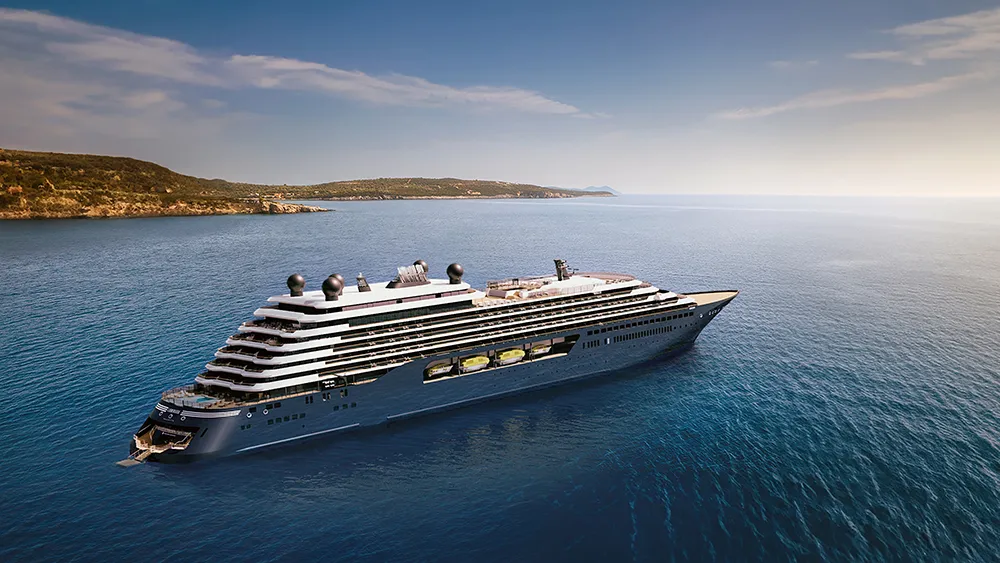
Part of Hapag-Lloyd Cruises’ award-winning fleet, MS Europa will operate bilingually in German and English beginning in January 2026, opening a whole host of exciting voyages for the English-speaking market and offering a laid-back small ship cruising experience.
MS Europa, like the rest of the Hapag-Lloyd Cruises fleet, is
awarded five stars year after year by Insight Guides Cruising &
Cruise Ships, formally the Berlitz Cruise Guide, and offers a
relaxed and stylish ambience on board. From January 2026, MS Europa
will operate bilingually, in German and English, opening up plenty
of exciting itineraries for our discerning guests.
Still often referred to by its old name, Saigon, this is Vietnam's busiest city. Saigon was the capital of the South during the Vietnam War, and American-style capitalism has been embraced more enthusiastically here than in the North, with a clutch of shining skyscrapers standing as testament to Vietnam's surging economic growth. You can learn more about the city's turbulent recent history at the Reunification Palace and the War Remnants Museum, shop for souvenirs at the colourful markets, or take a trip out of the city to the fascinating (and claustrophobic) Cu Chi Tunnels.
The once sleepy backwater of Kompong Som, renamed after the former king Norodom Sihanouk, is the rising star of the Cambodian coast’s burgeoning tourist industry. Here you’ll find beautiful sandy beaches and a string of laid back islands that are still largely undeveloped.
Ko Kut (also known as Koh Kood), is one of Thailand’s prettiest islands, with powder-soft sands reminiscent of the Maldives, crystal clear waters and beautiful waterfalls. Kayaking and snorkelling are the main activities here, along with relaxing on the beach and enjoying the incredible views.
Thailand’s sprawling capital is an assault on the senses, an invigorating blend of tradition and modernity. Soaring skyscrapers, air-conditioned shopping malls and an efficient public transport system combine with shimmering golden temples, ancient palaces, floating markets and at times gridlocked rush hour traffic.
Attracting everyone from budget backpackers to ostentatious oligarchs, Koh Samui is one of Thailand’s most popular islands. It’s no surprise, given the truly stunning beaches, but the more developed areas such as Chaweng have lost a lot of their charm, so head for the quieter south and west if you can.
Singapore’s heritage as an important trading post means that there is a real cultural mix, with four official languages: English, Chinese, Malay and Tamil. Step away from the gleaming towers and you’ll find yourself transported into another world amongst the intoxicating streets of Chinatown and Little India.
The port of Malacca has a rich multicultural heritage, a product of its history as an important trading hub. Over the years the Arabs, Portuguese, Dutch and British all held sway here, which is reflected today in the city’s eclectic architecture and unique cuisine.
Malaysia’s capital is a hot and humid cultural melting pot, defined by its distinctive Malay, Chinese and Indian communities. The dazzling Petronas Towers are KL’s most recognisable landmark, while at street level you’ll find temples and mosques, elegant colonial buildings and bustling markets.