From Hamburg to Hamburg · Northern Europe · 14 nights
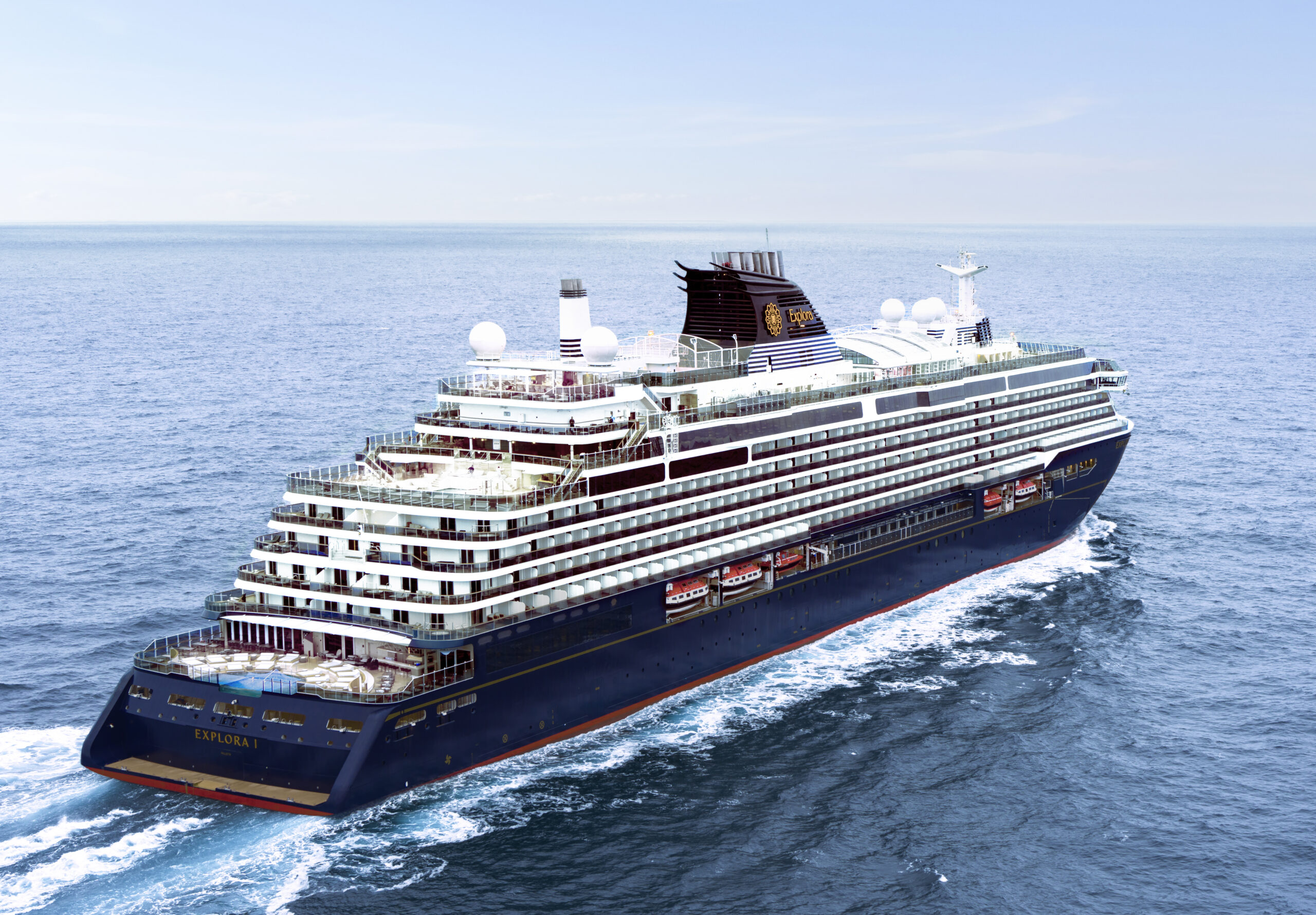
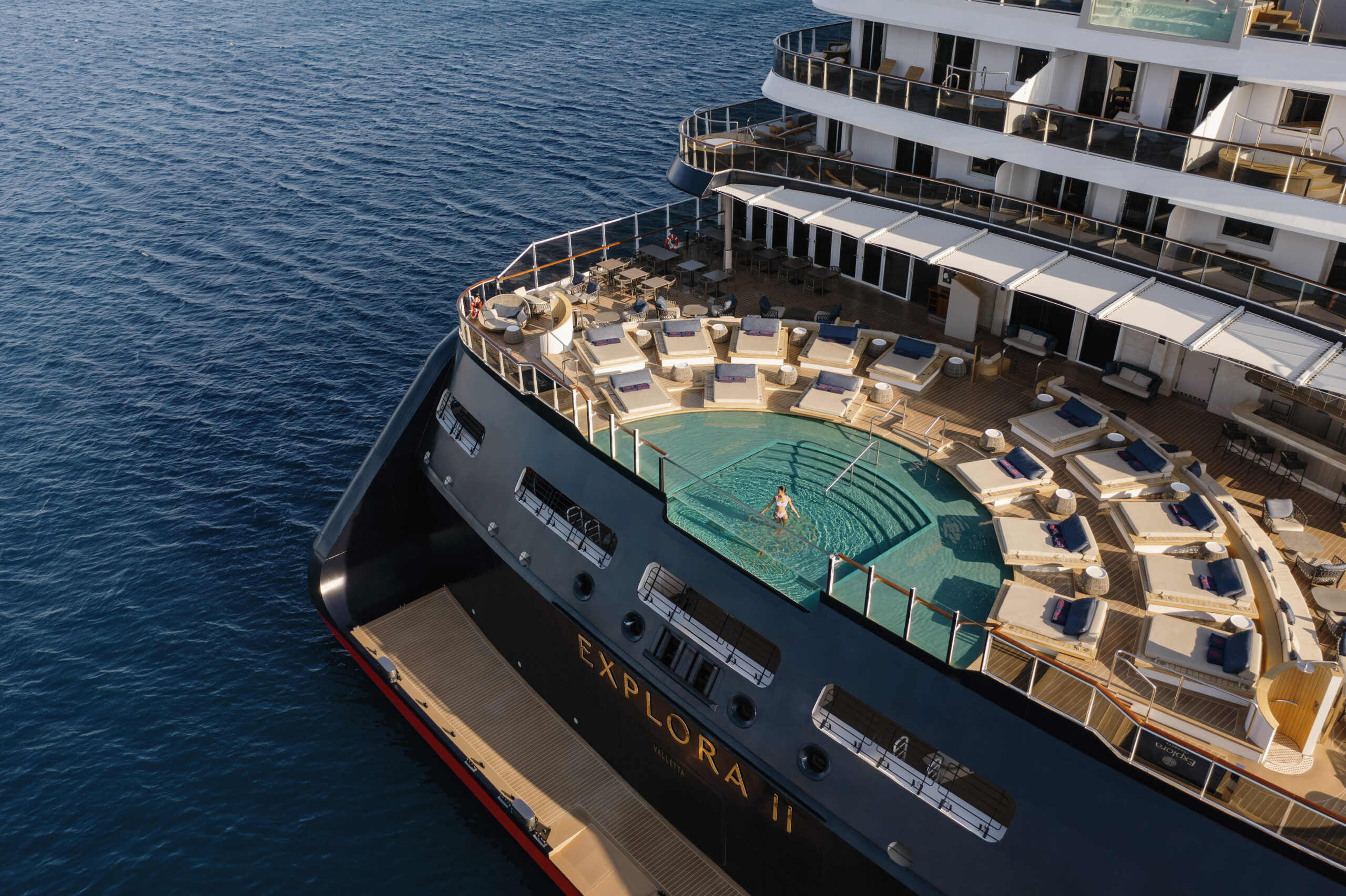
Widely acclaimed as the best ship in the world, Europa 2’s stylish Nordic décor, fantastic accommodation and great dining options make her a great choice
Europa 2 really is a ship with a difference, and you feel it
from the moment you step on board. Her beautiful light-flooded
interiors are fresh and inviting, and the feeling of space created
by innovative design is vastly refreshing. This dedication to
design is not, incidentally, confined to public areas: the elegant
suites themselves are a wonderful place to stay.
Known locally as 'the gateway to the world', the port of Hamburg has a rich maritime history. Of course the city has its seedy side, as characterised by the old red light district around the Reeperbahn, but it's also a vibrant, progressive city with some excellent museums, galleries and theatres.
Stavanger originally grew rich from its fishing industry, though these days it’s Norway’s oil boom that is powering the city’s economic growth. In spite of this modern gold rush the historic centre of Stavanger retains its charm, and the spectacular Lysefjord is within easy reach of the city.
Skjolden sits at the head of the Sognefjord, the largest fjord in Norway and the second longest in the world. This tiny village is a slice of authentic Norway, with little in the way of souvenir shops; the main attraction is the beautiful, unspoilt mountain scenery.
The city of Molde, at the mouth of the Romsdalfjord in north west Norway, is known for its temperate climate, fertile soil and annual jazz festival. Head up to the Varden viewpoint for a stunning panoramic view over the snow-dusted peaks of the Romsdal mountain range.
Situated halfway up the coast of Norway on a narrow peninsula, the little town of Brønnøysund is a pleasant place to stroll the streets and enjoy a drink in a cosy pub. The town’s centrepiece is the neo-Gothic Brønnøy Church, while just offshore are the UNESCO-listed Vega Islands.
Leknes is the gateway to the Lofoten islands, home to some of the most stunning scenery in all of Norway, and sailing through the archipelago is a wonderful experience. Fishing is still the main source of income for most of the picturesque wooden villages that are dotted along the nearby coast.
The port of Honningsvåg is the gateway to Europe’s most northerly point, the North Cape, and enjoys 24-hour daylight in summer. Aside from tourism, fishing is the major industry in this part of Norway, and the region is also said to be inhabited by trolls.
Tromso’s location well within the Arctic Circle means the summer months are lit by the Midnight Sun, a compensation for long dark winters. Explore the streets with their multi-coloured wooden houses, see the amazing architecture of the Arctic cathedral, or take the cable car up to Mount Storsteinen for a fantastic view.
When Ålesund was destroyed by fire in 1904, the German Kaiser Wilhelm II agreed to foot the bill to rebuild it. The result was the stunning Art Nouveau architecture that you see today, which blends elements of the German 'Jugendstil' with Viking flourishes.
The Geirangerfjord is arguably the most spectacular fjord in all of Norway, a sinuous ten mile stretch of sheer mountain walls and tumbling waterfalls. The village of Geiranger itself sits at one end of the fjord, and in summer the population swells with an influx of visitors to this beautiful region.
Beautiful Bergen, Norway’s former capital, is a perfect city to explore on foot. Bryggen – the old Hanseatic wharf, and a UNESCO World Heritage site – still has the old harbour timber buildings, whilst other attractions include the funicular up Mount Floyen and the busy fish market.
Known locally as ‘the gateway to the world’, the port of Hamburg has a rich maritime history. Of course the city has its seedy side, as characterised by the old red light district around the Reeperbahn, but it’s also a vibrant, progressive city with some excellent museums, galleries and theatres.