From Monte Carlo to Rome (Civitavecchia) · Mediterranean · 10 nights
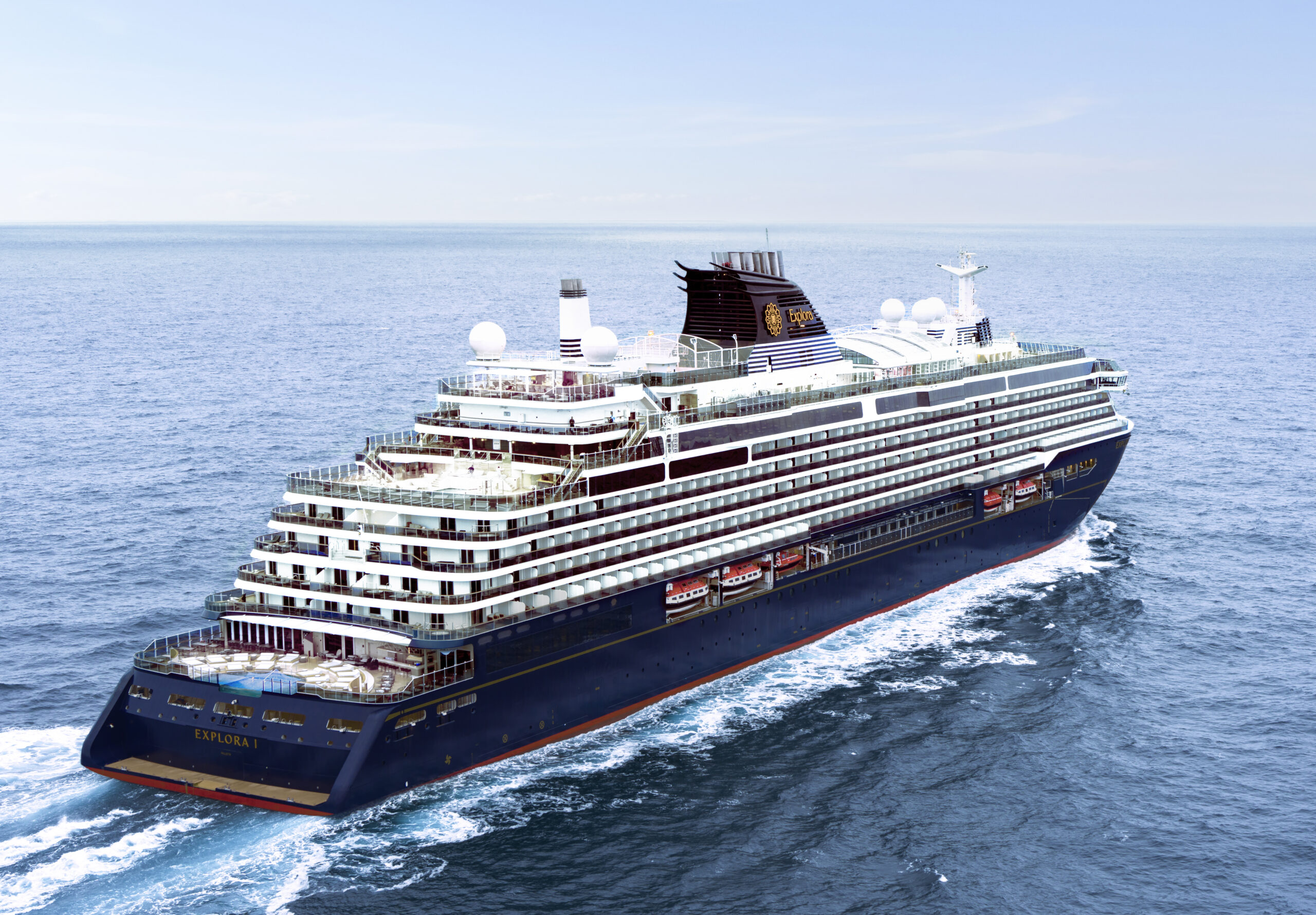
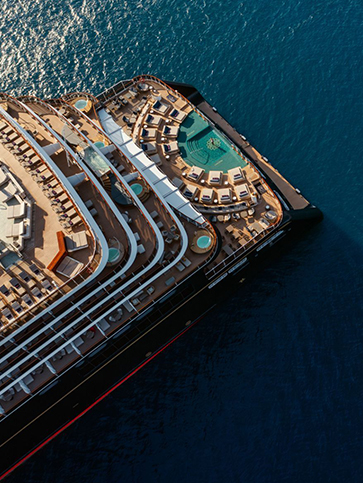
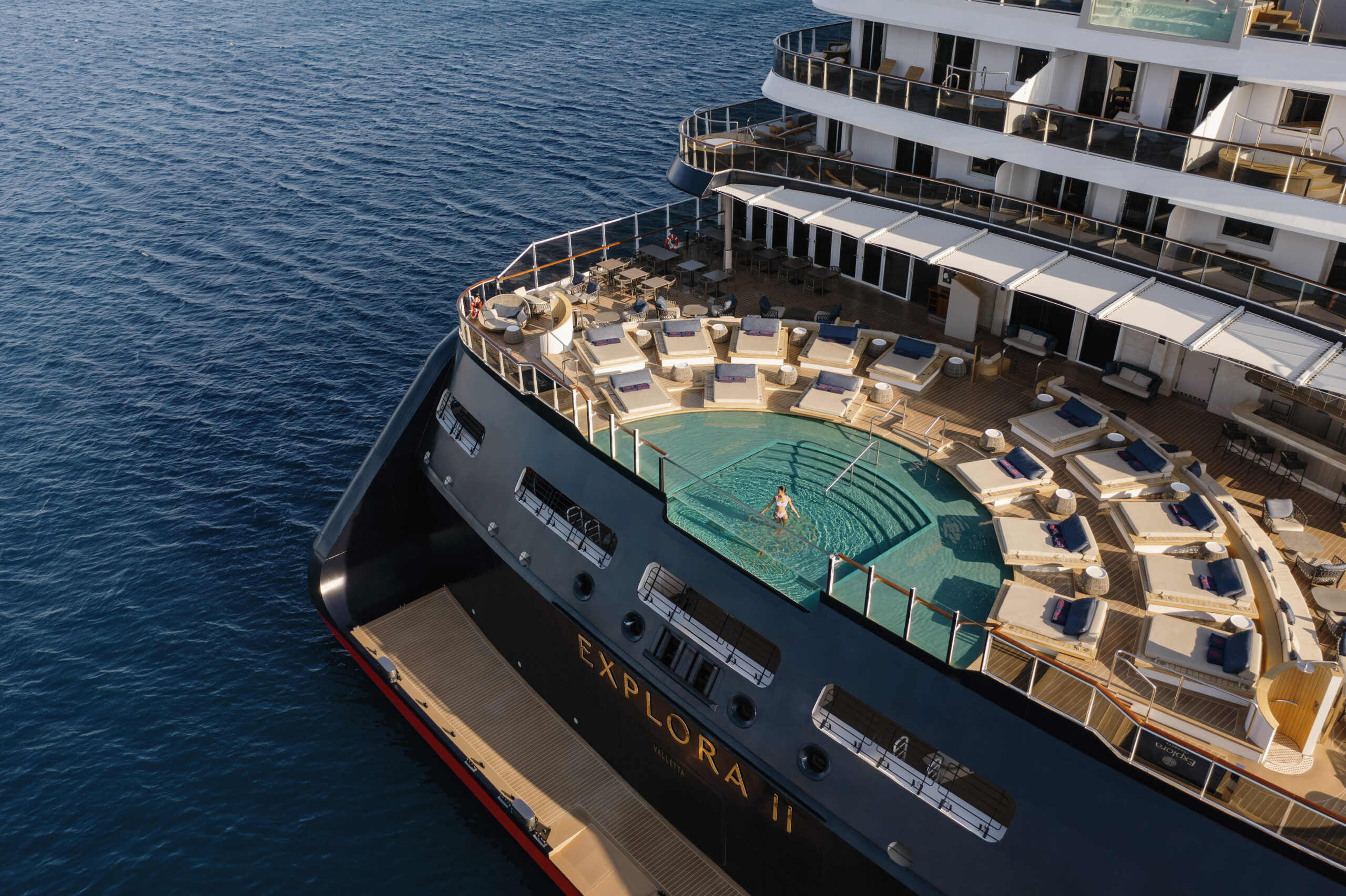
Silver Nova and Silver Ray reflect an exciting evolution of the Silversea product, featuring hybrid technology, sumptuous suites and the largest capacity of any Silversea ship to date.
The Nova Class ships use a trio of power sources, with dual fuel
engines that use LNG as their main fuel, battery technology and
fuel cells which will allow the ships to operate emissions-free
while in port – an industry first. Butler service is included for
every suite and you can expect spacious accommodation, including
aft suites with panoramic 270-degree views, plus an outstanding
array of dining options.
Renowned for its casino, its Grand Prix and its oligarch-friendly tax policies, Monte Carlo is glamour and hedonism personified, with a price tag to match. Wedged between Italy and France on the Côte d'Azur, this little principality enjoys a lovely setting, the villas and penthouses tumbling down the hillside towards the sweeping blue expanse of the Mediterranean. Most visitors won't feel the need (or be able to afford) to stay more than a day or two, but the Prince's Palace and the Oceanographic Museum are both well worth a visit. Enter the casino at your own risk...
Toulon is not the sort of place you would expect to find on the Côte d’Azur, a gritty port city that’s home to France’s most important naval base. It’s not completely without charm, however, and for some travellers it may come as a breath of fresh air after the glitz of the Riviera. For the best view, take the cable car to the top of Le Faron mountain.
The attractive, oceanfront capital of Corsica was the birthplace of the island’s most famous son, Napoleon Bonaparte. You can find out more about the emperor at his childhood home, the Maison Bonaparte, which is now a museum.
Porto Santo Stefano sits on the slopes of Monte Argentario, a promontory connected to the Tuscan coast by three slender spits of land. The port was subjected to frequent pirate raids until the Spanish fortified it in the 16th century, and the fortress still looms over the harbour.
The island of Elba, just off the Tuscan coast, is where Napoleon Bonaparte was famously forced to live in exile between 1814-15. It’s hard to feel too sorry for him, though; the views from his plush Villa dei Mulini, situated high above the town of Portoferraio, are quite spectacular.
The faded port town of Livorno serves as a gateway to Tuscany’s star attractions. Wonderful Florence, the cradle of the Renaissance, is resplendent with beautiful architecture and unrivalled artistic treasures, while nearby Pisa is of course famous for its precarious Leaning Tower.
This tiny village on the Ligurian coast must be one of the most photographed spots in Italy, and no wonder; brightly coloured houses cling to the hillside overlooking a delightfully picturesque little harbour, where fishing boats gently bob alongside luxury yachts.
Situated on the western edge of Sicily, closer to Tunis than it is to Rome, the historic port of Trapani has a discernible North African feel to it. This was once an important medieval trading centre that linked Carthage and Venice, and the lovely old town is a great place to spend some time exploring.
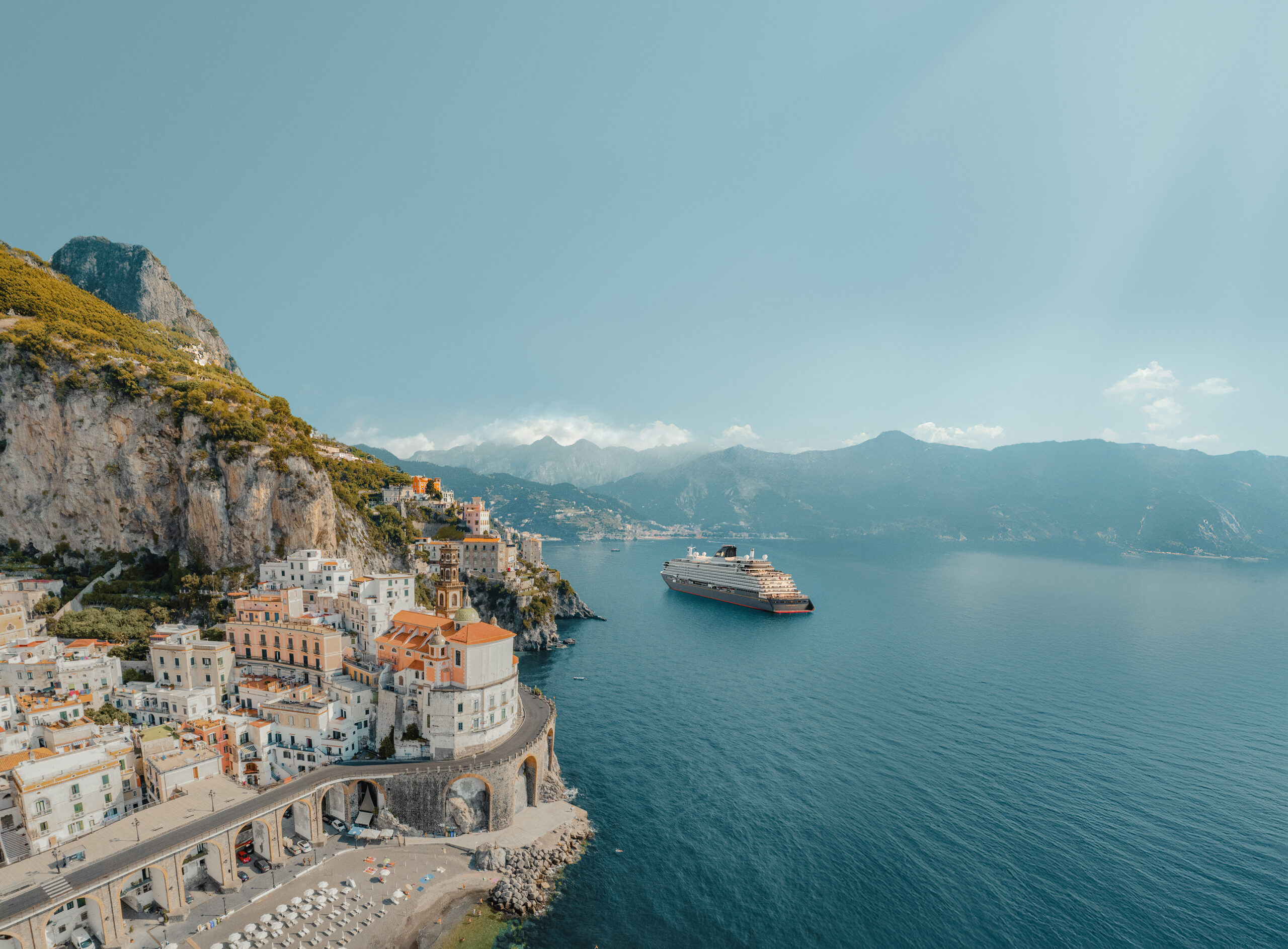
The UNESCO World Heritage-listed centre of Naples rewards exploration, and in addition to the many cultural treasures waiting to be unearthed Neapolitans are rightly proud of their food; this is where you’ll find the best pizza in Italy. The city also acts as a gateway to the fascinating remains of Pompeii and Herculaneum, and the beautiful Amalfi coast.
One of the world’s great cities, Rome continues to dazzle and delight visitors with a potent mix of architectural marvels, continent-defining history and buzzing nightlife. The Colosseum, the Vatican and the Forum are among the big ticket items, with the crowds to match, though in truth you will find history around almost every corner.