
From Lisbon to Barcelona · Mediterranean · 49 nights
From Lisbon to Barcelona
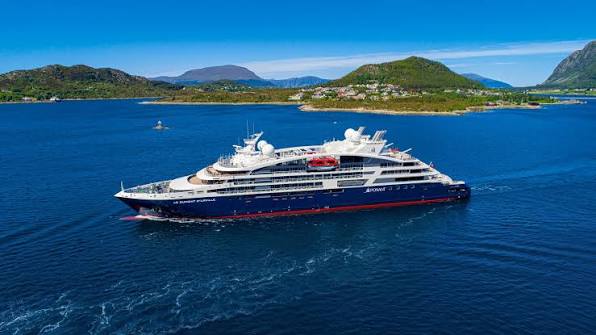
Azamara Journey, Quest, Pursuit and Onward are excellent small ships that offer a welcoming and relaxed club-like atmosphere.
Azamara’s fleet of small ships are focused on providing
destination immersion by spending as much time in port as possible
with itineraries designed to include overnight stays and late
evening departures. Enjoy more time to discover the local culture
and when back on board relax and enjoy a vibrant array of
inclusions.
The roots of historic Lisbon's fame lie in its strategic position on the edge of the Atlantic and the fact it offers one of the world's greatest natural harbours. No surprise therefore that it became the home of the world's most famous explorers such as Vasco da Gama, Magellan and Prince Henry the Navigator. Built on seven hills, we always find Lisbon to be soulful, captivating and picturesque, with architecture which reflects its status as a great port.
Portimão is a bustling fishing port and gateway to the Algarve, with a pleasant riverside promenade where the smell of sizzling sardines fills the air. The most popular attraction is Praia da Rocha just to the south, one of the Algarve’s loveliest beaches.
Seville is a wonderful destination, a sophisticated and sun-kissed city on the banks of the Guadalquivir river. It’s a treat for all the senses, from the smell of orange blossom to the heart-tugging sounds of flamenco, and the highlight of the calendar is undoubtedly Semana Santa, when a spectacular Easter parade fills the streets.
Sovereignty of ‘The Rock’ has been a thorny issue ever since Gibraltar was ceded to Britain in 1713, though on the ground it’s clear where most locals’ sympathies lie. Gibraltar is often described as ‘more British than Britain’, a curious enclave of red postboxes, double decker buses and chip shops.
The Spanish enclave of Ceuta occupies a small peninsula on the north coast of Morocco, a slightly surreal island of European culture. The painstakingly restored medieval city walls date back over 1,000 years, and the pretty Plaza de África is home to some of Ceuta’s most elegant buildings.
Málaga boasts plenty of chic restaurants and bars where you can ease into the rhythms of life in southern Spain, before exploring sights including the intriguing, unfinished Gothic cathedral, and a museum devoted to the city's most famous son, Pablo Picasso.
Cartagena was founded by the Carthaginians around 227 BC, who named it after their home city in North Africa. These days the city is best known for its well-preserved Roman theatre, which was remarkably only discovered in 1987, in spite of its location in the centre of town.
The streets of Algiers have so many stories to tell. Broad boulevards and elegant villas are legacies of the French colonial period, while the atmospheric Casbah, a UNESCO World Heritage Site, is the city’s Islamic heart. Algeria has been through some difficult times in recent years, but the people are warm, friendly and keen to welcome tourists.
Tunisia’s capital is a whirlwind of energy, the narrow lanes of the old medina packed with people and the roads noisy with traffic. The more orderly streets of the Ville Nouvelle are home to some handsome colonial buildings, while the ruins of ancient Carthage make for a fascinating day trip.
Malta’s tiny capital, established by the Knights of St John, packs in an awful lot of history considering its diminutive size. The atmospheric old streets, bathed in Mediterranean sunshine, are full of attractive honey-golden buildings, along with an impressive selection of bars and restaurants.
Founded by Greek colonists in 734 BC, Siracusa was once the largest city in the ancient world, surpassing even Athens in its splendour. Highlights include the island of Ortigia, where narrow streets are lined by beautiful Baroque architecture, and the impressive ruins at the Parco Archeologico della Neapolis on the Sicilian mainland.
Athens is a city awash with historical and cultural significance, but it's much more than an open air museum; this is a dynamic, bustling metropolis, and a place where history is still very much unfolding.
Çanakkale occupies a key strategic location guarding the Dardanelles, at the meeting point of the Aegean and the Sea of Marmara. This region of Turkey is full of historical interest, including the battlefields of the disastrous Gallipoli campaign and the ruins of ancient Troy.
Istanbul is the place where East meets West, where Asia Minor reaches out across the Bosphorus and almost touches Europe, and the city remains a bristling, bustling cultural melting pot, the skyline dotted with magnificent minarets and domes.
Kavala has a rich history dating back nearly 3,000 years, and was known in antiquity as Neapolis. Many of the city’s most interesting sights were built by the Ottomans, including the aqueduct of Suleyman the Magnificent and the beautiful Imaret, a former religious school.
Greece’s bustling second city has a rich history, shaped by Roman, Byzantine and Ottoman rule, and was once home to a large Jewish community. Sadly many of Thessaloniki’s historic buildings were destroyed by a fire in 1917, but the famous White Tower survives, along with the city’s vibrant, multicultural spirit.
The bustling port of Volos sits on the site of the ancient city of Iolkos, the mythological home of Jason and the Argonauts. The modern city has plenty of interesting museums and churches, along with a pleasant waterfront lined with restaurants.
Athens is a city awash with historical and cultural significance, but it's much more than an open air museum; this is a dynamic, bustling metropolis, and a place where history is still very much unfolding.
Crete’s bustling capital is a modern and cosmopolitan city, where the island’s rich history isn’t immediately apparent. Take a closer look, however, and you’ll find a fantastic archaeological museum, along with remnants of Venetian fortifications and a lively seafront promenade, with plenty of nice outdoor cafés.
Alexandria was one of the great cities of antiquity, founded by Alexander the Great in 331 BC and home to the Pharos lighthouse, one of the original Seven Wonders of the World. The Pharos is long gone and the city has lost some of its lustre, but there are still plenty of reminders of Alexandria’s glorious past scattered around.
The buzzing city of Limassol is southern Cyprus’ main port, an important commercial hub that overflows with bars, restaurants and tavernas. It’s also home to a pleasant old town and medieval castle, and serves as an excellent base for exploring the nearby Troodos mountains.
Alanya has a reputation as a brash resort town, but there are still remnants of its fascinating history. This was a key bastion of the Seljuk Turks as they spread west into Anatolia, and you can visit the fortress and walls that they built to defend the city. Other sights include the Kizil Kule, an octagonal 13th-century tower by the harbour.
Antalya is the biggest and busiest city on the Turkish Riviera, though there’s more to this place than just roasting on a beach. The historic Kaleiçi district is full of lovingly restored Ottoman mansions, and top attractions include the superb collection of classical treasures at the Antalya Museum, with pieces from the nearby archaeological sites of Perge and Aspendos.
Sun-kissed Rhodes, the largest of the Dodecanese islands, is steeped in history; the medieval heart of Rhodes Town was once home to the crusading Knights of St John, and later fell to the Ottoman sultan Suleiman the Magnificent. The hillside village of Lindos, with its pretty whitewashed houses, is another highlight.
Athens is a city awash with historical and cultural significance, but it's much more than an open air museum; this is a dynamic, bustling metropolis, and a place where history is still very much unfolding.
Chania, Crete’s second city, is an alluring blend of architectural styles. The jumble of streets that make up the Venetian old town are remarkably intact, and there are plenty of reminders too of the two centuries of Ottoman rule, such as the imposing harbourfront Mosque of the Janissaries.
The little seaside town of Katakolon, on the western coast of the Peloponnese, is the gateway to ancient Olympia, birthplace of the Games and the place where the Olympic flame begins its journey every four years. Make the most of your visit with a guided tour of the ruins, and don’t miss the treasures of the Archaeological Museum.
Founded by Greek colonists in 734 BC, Siracusa was once the largest city in the ancient world, surpassing even Athens in its splendour. Highlights include the island of Ortigia, where narrow streets are lined by beautiful Baroque architecture, and the impressive ruins at the Parco Archeologico della Neapolis on the Sicilian mainland.
Busy, noisy and a little bit scruffy, Catania is Sicily’s second city, poised perilously in the shadow of Mount Etna. In recent years gentrification has taken hold, and the city’s many beautiful palazzi and baroque churches have been restored to their former glory. Eating out here is also a real treat.
Salerno is the capital of the Campania region, an attractive city at the eastern end of the Amalfi Coast. The historic centre and beautiful seafront promenade are well worth exploring, and the ruins at nearby Paestum make for an interesting day trip.
One of the world’s great cities, Rome continues to dazzle and delight visitors with a potent mix of architectural marvels, continent-defining history and buzzing nightlife. The Colosseum, the Vatican and the Forum are among the big ticket items, with the crowds to match, though in truth you will find history around almost every corner.
The faded port town of Livorno serves as a gateway to Tuscany’s star attractions. Wonderful Florence, the cradle of the Renaissance, is resplendent with beautiful architecture and unrivalled artistic treasures, while nearby Pisa is of course famous for its precarious Leaning Tower.
Nice enjoys a marvellous setting on one of the most glorious stretches of the Côte d’Azur, the sweeping Bay of Angels, so it’s no wonder that tourists have been flocking here since the 19th century.
The rumbustious port of Marseille often gets a bad press, but the city has been transformed in recent years, with a host of new cultural attractions. The vibrant Vieux Port remains at the heart of life in Marseille, however, and is the best place to begin your exploration of the city’s many historic sights.
The bustling fishing village of Palamós is one of the loveliest spots on the Costa Brava, surrounded by beautiful beaches and rugged coves. You can also use your stop here as a jumping off point for exploring nearby medieval villages, the historic city of Girona or the fantastic Salvador Dalí museum in Figueres.
From the warren-like medieval streets of the Barri Gòtic to the fantastical modernist architecture of Antoni Gaudí, from the dizzy heights of Mount Tibidabo to the golden sands of Barceloneta, there’s never a dull moment in Barcelona.