From Fusina to Rome (Civitavecchia) · Mediterranean · 11 nights
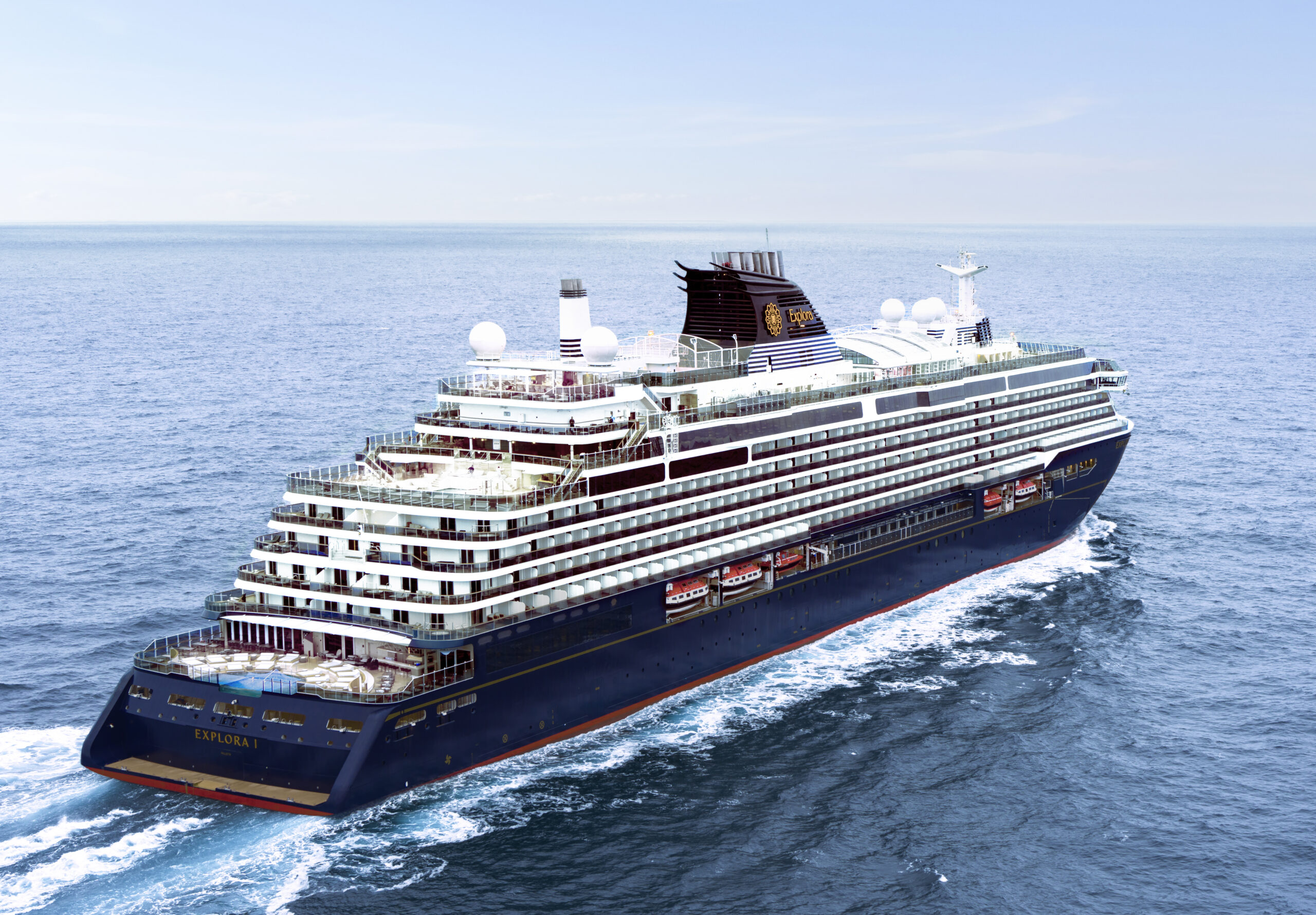
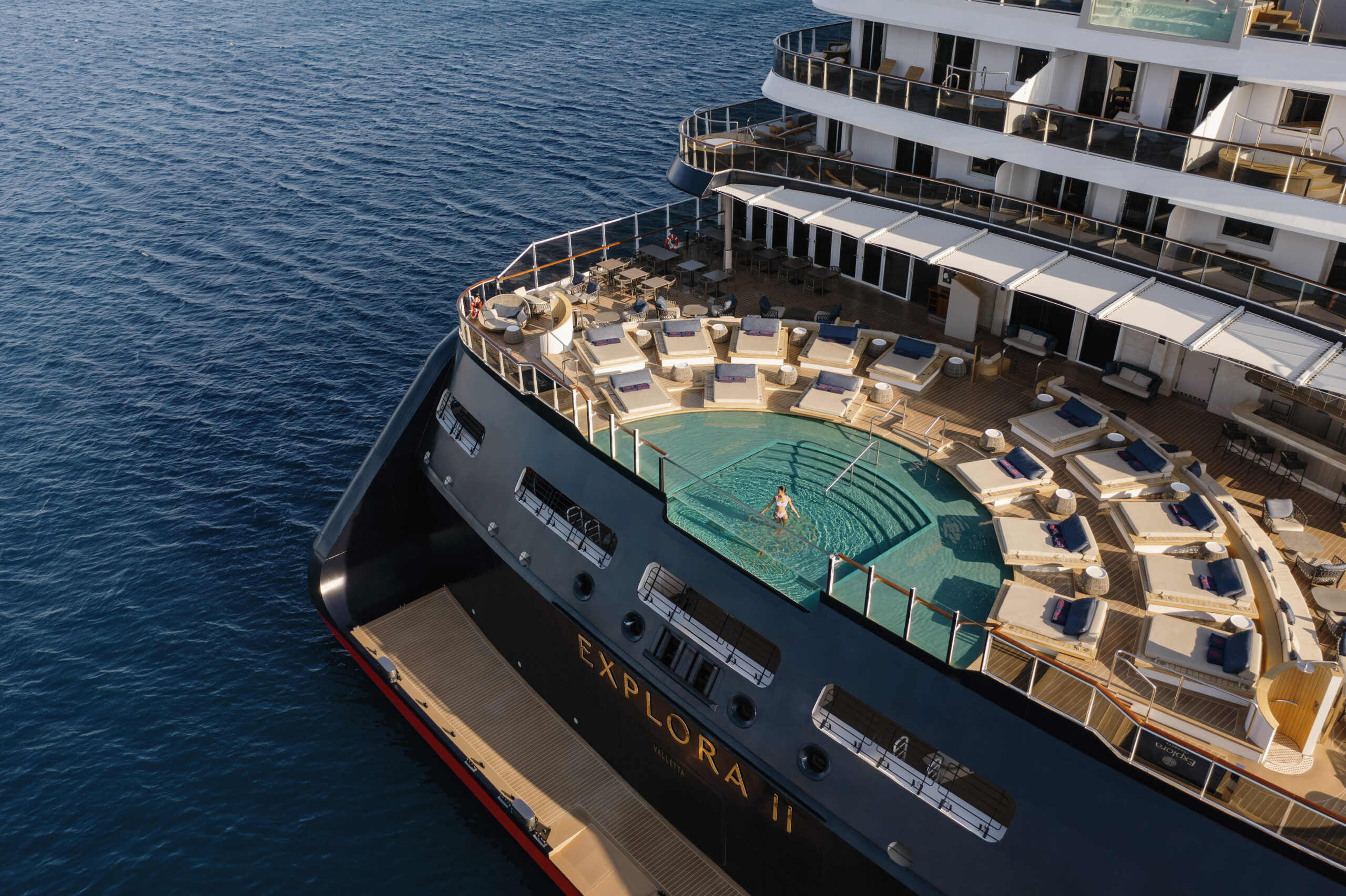
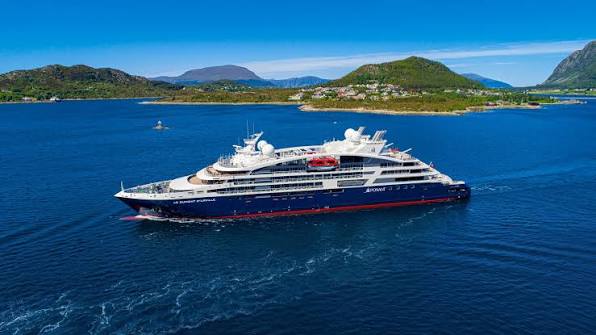
Azamara Journey, Quest, Pursuit and Onward are excellent small ships that offer a welcoming and relaxed club-like atmosphere.
Azamara’s fleet of small ships are focused on providing
destination immersion by spending as much time in port as possible
with itineraries designed to include overnight stays and late
evening departures. Enjoy more time to discover the local culture
and when back on board relax and enjoy a vibrant array of
inclusions.
Fusina is on the mainland just across the Venetian Lagoon from Venice and is a common embarkation and disembarkation port for those ships who can no longer call into the heart of the city. Convenient for the airport but offering little else in the immediate vicinity, it is in striking distance of Venice by water taxi and the treasures of Venice are well worth the journey, with highlights including the architectural marvels of St. Marks Basilica and Doge's Palace, the bustling Rialto Market or the quieter local neighbourhoods of Giudecca or Cannaregio. If you're extending your stay it is best to do so on one of Venice's islands to be close to the sights rather than in Fusina for the convenience of the port.
Ravenna is a must-visit for art and history lovers, with an impressive array of UNESCO-listed historic buildings decorated with beautiful Byzantine mosaics. The city is also home to Dante’s tomb, and you’re within easy reach of Bologna, Ferrara and San Marino.
Beyond Ancona’s gritty and somewhat unappealing port you’ll find a surprisingly attractive old town, with impressive Roman ruins and Renaissance palazzi. Ancona is also the gateway to Le Marche and the charming UNESCO-listed town of Urbino, birthplace of the artist Raphael.
Kotor sits at the head of a beautiful, fjord-like bay, hemmed in by glowering mountains. The compact, walled old town is Montenegro’s star attraction, a warren of little alleyways and shady squares that is often described as a ‘mini Dubrovnik’.
The Calabrian city of Crotone was once an important Greek colony, home to the mathematician Pythagoras, and some ruins still survive at Capo Colonna, to the south of the modern city. Another popular excursion is a visit to the fishing village of Le Castella, where a fairytale castle sits on an island at the end of a narrow causeway.
Founded by Greek colonists in 734 BC, Siracusa was once the largest city in the ancient world, surpassing even Athens in its splendour. Highlights include the island of Ortigia, where narrow streets are lined by beautiful Baroque architecture, and the impressive ruins at the Parco Archeologico della Neapolis on the Sicilian mainland.
Situated on the western edge of Sicily, closer to Tunis than it is to Rome, the historic port of Trapani has a discernible North African feel to it. This was once an important medieval trading centre that linked Carthage and Venice, and the lovely old town is a great place to spend some time exploring.
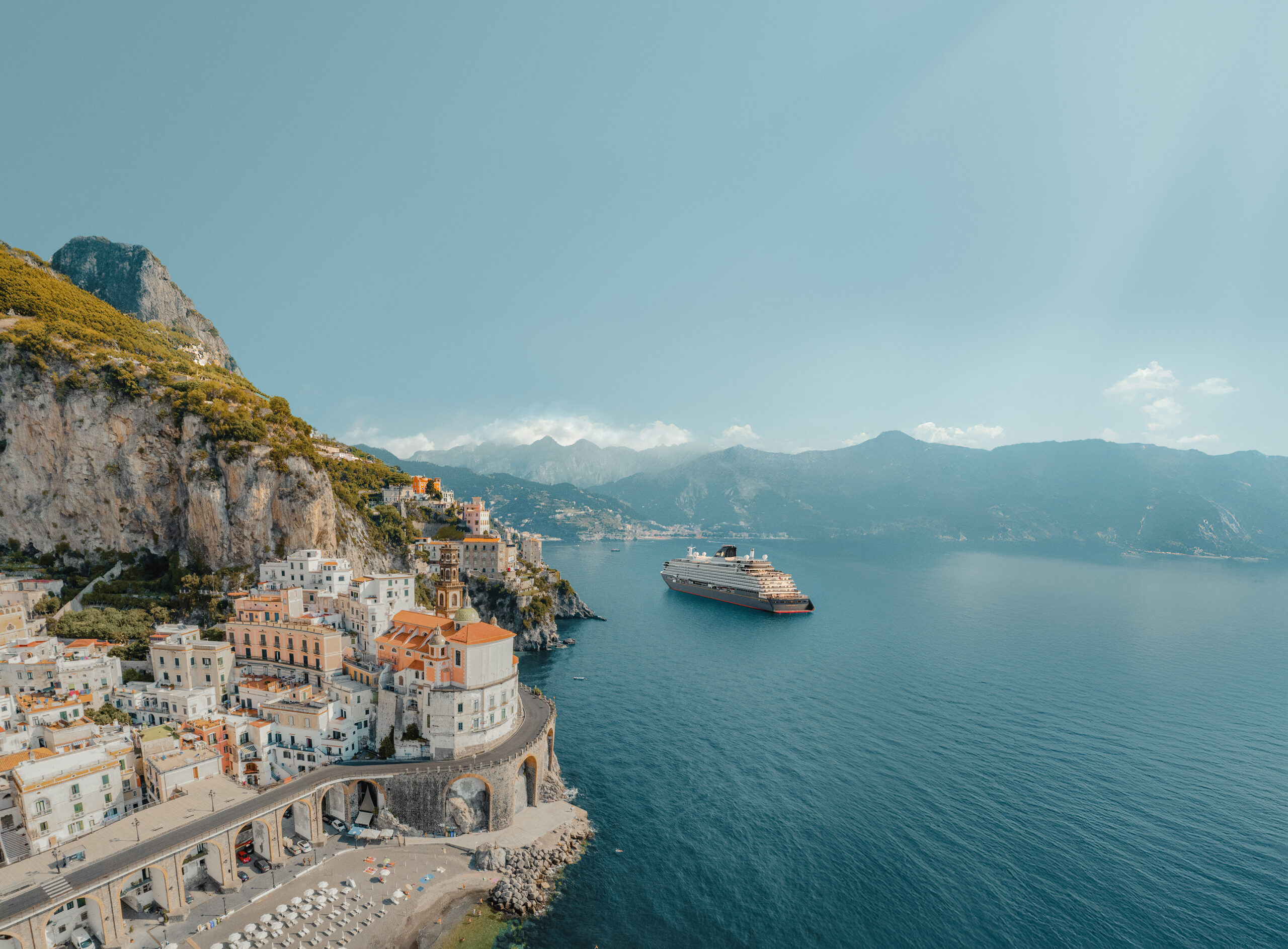
The picturesque little town of Amalfi was once a major Mediterranean naval power, but a devastating earthquake in 1343 cut the city down in its prime and destroyed most of its historic buildings. These days, of course, Amalfi is best known for the eponymous stretch of stunning coastline on which it sits.
The lovely town of Sorrento, draped across rugged cliffs overlooking the Bay of Naples, has been charming visitors since the days of the Grand Tour. The Renaissance palaces and many craft shops make Sorrento an attractive destination in its own right, and it’s also a jumping off point for Capri, Pompeii and the Amalfi Coast.
One of the world’s great cities, Rome continues to dazzle and delight visitors with a potent mix of architectural marvels, continent-defining history and buzzing nightlife. The Colosseum, the Vatican and the Forum are among the big ticket items, with the crowds to match, though in truth you will find history around almost every corner.