From Nice to Venice · Mediterranean · 17 nights
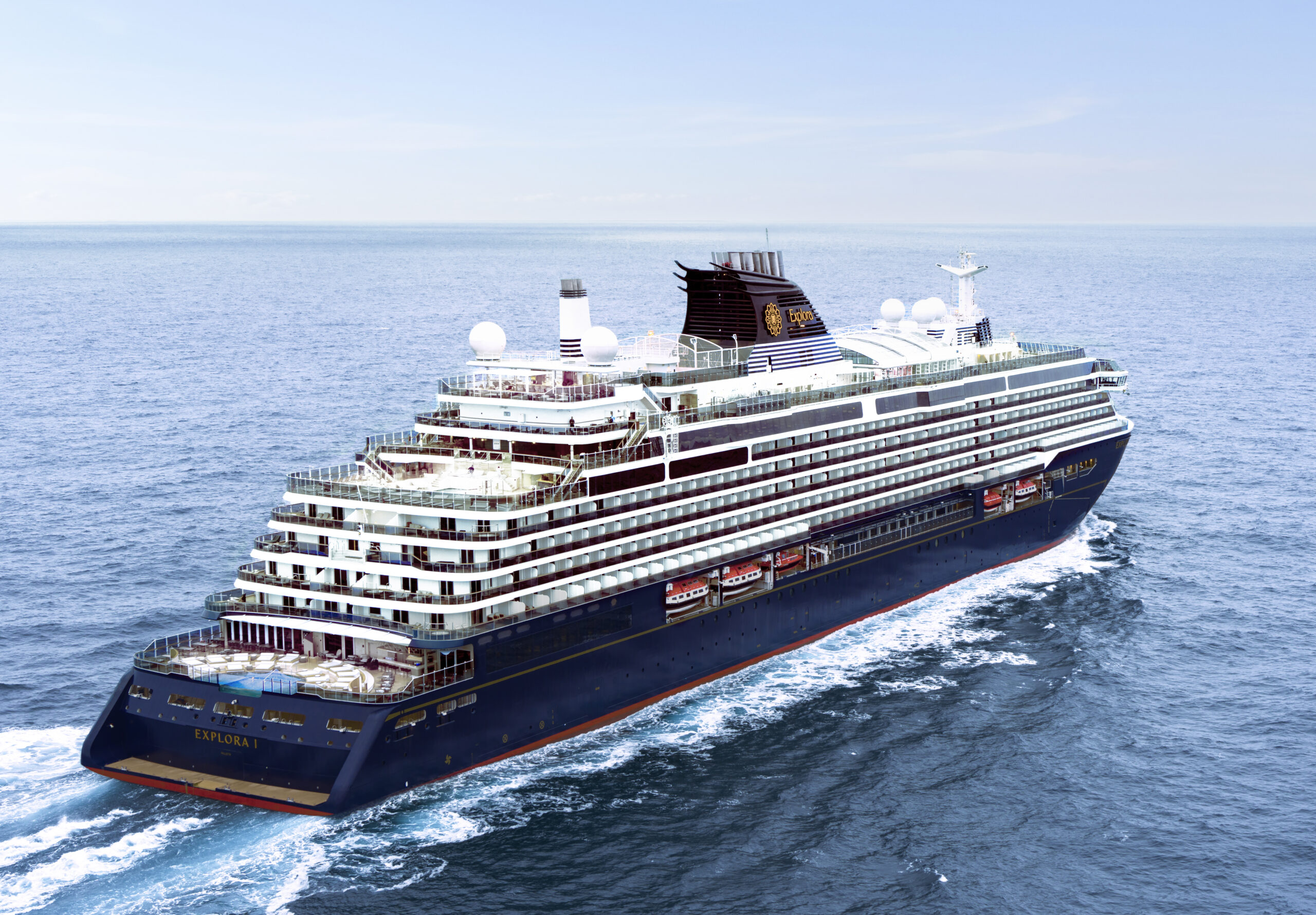
Azamara Journey, Quest, Pursuit and Onward are excellent small ships that offer a welcoming and relaxed club-like atmosphere.
Azamara’s fleet of small ships are focused on providing
destination immersion by spending as much time in port as possible
with itineraries designed to include overnight stays and late
evening departures. Enjoy more time to discover the local culture
and when back on board relax and enjoy a vibrant array of
inclusions.
Nice enjoys a marvellous setting on one of the most glorious stretches of the Côte d'Azur, the sweeping Bay of Angels, so it's no wonder that tourists have been flocking here since the 19th century. A stroll along the waterfront Promenade des Anglais, flanked by palm trees on one side and the dazzling blue of the Mediterranean on the other, is the quintessential Niçois experience, and one we'll never tire of. Do try and make some time to explore the old town as well though; it's a maze of wonderfully winding streets, some of which may be barely wide enough to squeeze through after that hearty seafood lunch!
Genoa has a legendary seafaring heritage, and was once a powerful maritime republic. However, the city’s most famous son, Christopher Columbus, was spurned by the Genoese elite when he came looking for funds for his expedition, and his discoveries for the Spanish Crown ironically played no small part in Genoa’s downfall.
This tiny village on the Ligurian coast must be one of the most photographed spots in Italy, and no wonder; brightly coloured houses cling to the hillside overlooking a delightfully picturesque little harbour, where fishing boats gently bob alongside luxury yachts.
The colourful facades along Portovenere’s UNESCO-listed harbourfront make this one of the most picturesque villages on the Ligurian coast, and it has often been described as the ‘sixth town’ of the Cinque Terre. Wandering the narrow alleyways is a delight, and it’s worth the climb to the impressive hilltop Castle Doria.
The faded port town of Livorno serves as a gateway to Tuscany’s star attractions. Wonderful Florence, the cradle of the Renaissance, is resplendent with beautiful architecture and unrivalled artistic treasures, while nearby Pisa is of course famous for its precarious Leaning Tower.
The island of Elba, just off the Tuscan coast, is where Napoleon Bonaparte was famously forced to live in exile between 1814-15. It’s hard to feel too sorry for him, though; the views from his plush Villa dei Mulini, situated high above the town of Portoferraio, are quite spectacular.
Situated on the northeastern coast of Sardinia, Olbia is a busy port city that serves mostly as a gateway to the beautiful Costa Smeralda. The compact historic centre has some pleasant places to eat, drink and shop if you feel like exploring, or you may prefer to head straight for the beach.
Porto Santo Stefano sits on the slopes of Monte Argentario, a promontory connected to the Tuscan coast by three slender spits of land. The port was subjected to frequent pirate raids until the Spanish fortified it in the 16th century, and the fortress still looms over the harbour.
One of the world’s great cities, Rome continues to dazzle and delight visitors with a potent mix of architectural marvels, continent-defining history and buzzing nightlife. The Colosseum, the Vatican and the Forum are among the big ticket items, with the crowds to match, though in truth you will find history around almost every corner.
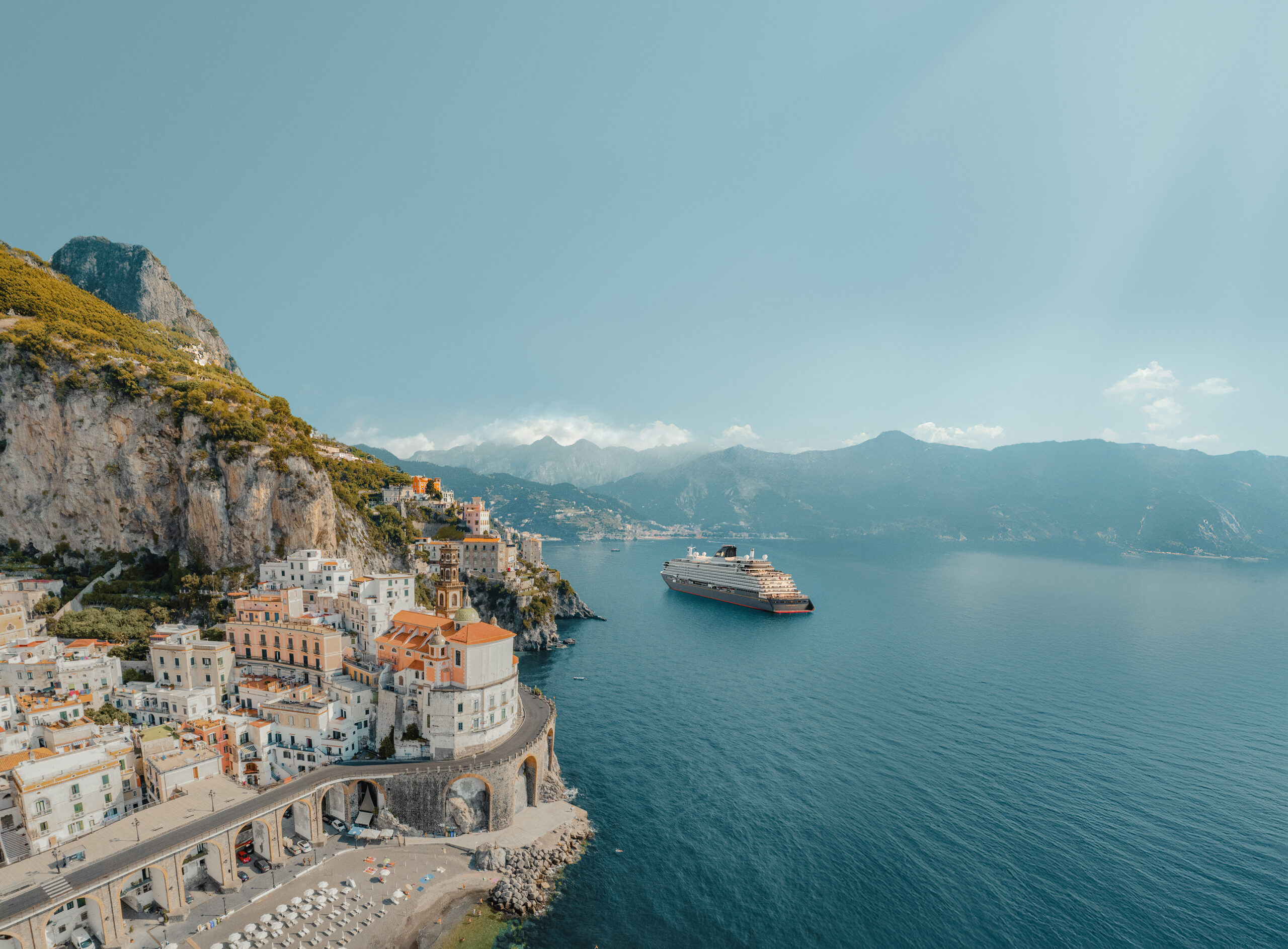
The lovely town of Sorrento, draped across rugged cliffs overlooking the Bay of Naples, has been charming visitors since the days of the Grand Tour. The Renaissance palaces and many craft shops make Sorrento an attractive destination in its own right, and it’s also a jumping off point for Capri, Pompeii and the Amalfi Coast.
Salerno is the capital of the Campania region, an attractive city at the eastern end of the Amalfi Coast. The historic centre and beautiful seafront promenade are well worth exploring, and the ruins at nearby Paestum make for an interesting day trip.
Busy, noisy and a little bit scruffy, Catania is Sicily’s second city, poised perilously in the shadow of Mount Etna. In recent years gentrification has taken hold, and the city’s many beautiful palazzi and baroque churches have been restored to their former glory. Eating out here is also a real treat.
The Calabrian city of Crotone was once an important Greek colony, home to the mathematician Pythagoras, and some ruins still survive at Capo Colonna, to the south of the modern city. Another popular excursion is a visit to the fishing village of Le Castella, where a fairytale castle sits on an island at the end of a narrow causeway.
Kotor sits at the head of a beautiful, fjord-like bay, hemmed in by glowering mountains. The compact, walled old town is Montenegro’s star attraction, a warren of little alleyways and shady squares that is often described as a ‘mini Dubrovnik’.
Venice is a city like no other, a marble maze of turquoise canals criss-crossed by beautiful bridges, overflowing with palaces, churches and charming little piazzas. No matter how many times you’ve seen it in photographs, that first glimpse of the Grand Canal will simply take your breath away.