From Miami to Colón · Caribbean · 14 nights
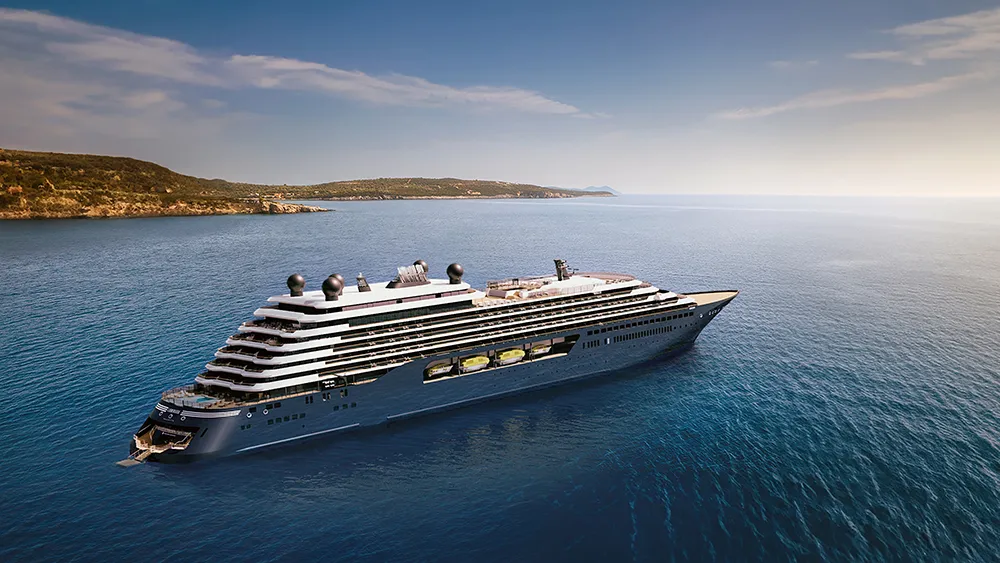
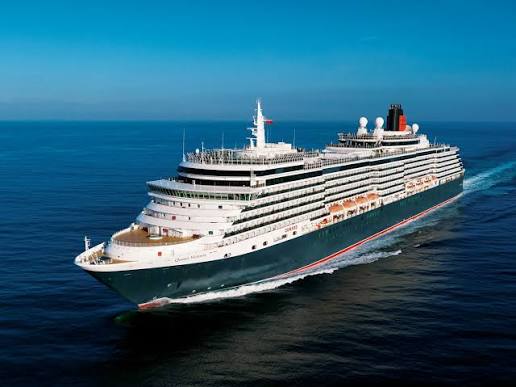
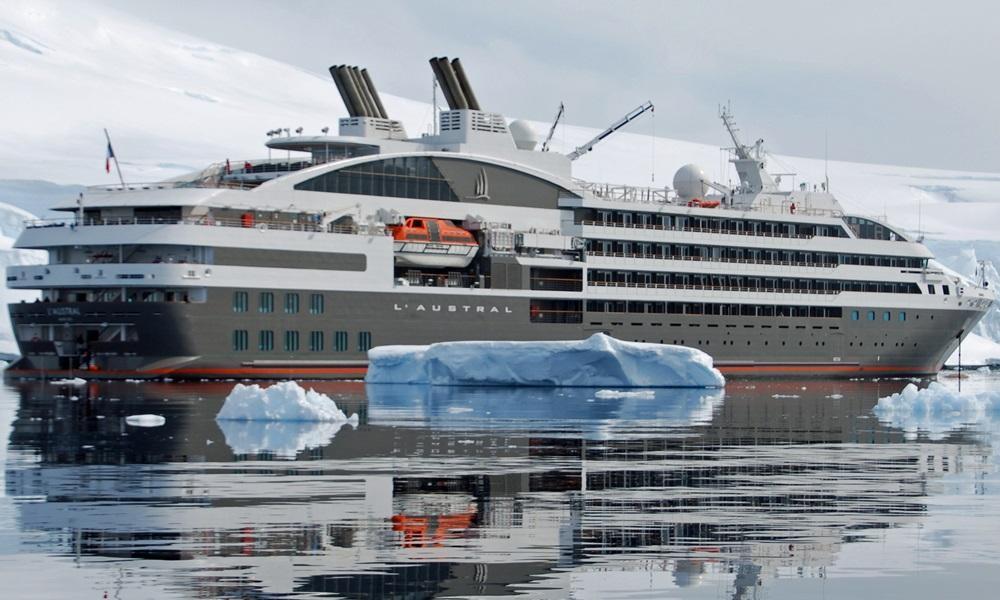
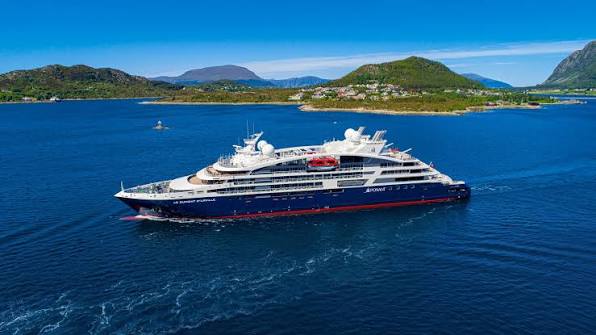
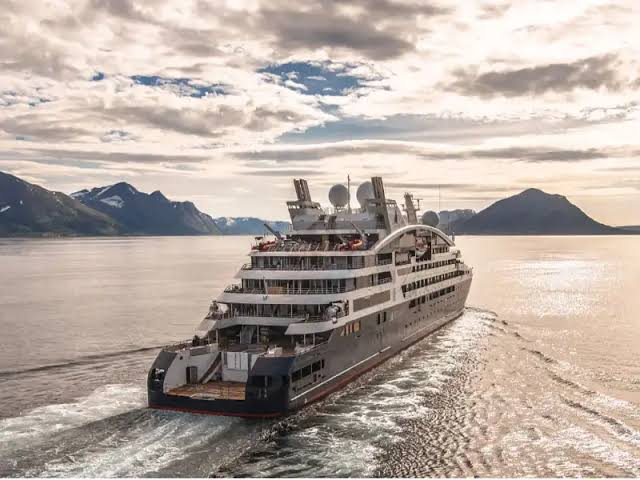
Part of Hapag-Lloyd Cruises’ award-winning fleet, MS Europa will operate bilingually in German and English beginning in January 2026, opening a whole host of exciting voyages for the English-speaking market and offering a laid-back small ship cruising experience.
MS Europa, like the rest of the Hapag-Lloyd Cruises fleet, is
awarded five stars year after year by Insight Guides Cruising &
Cruise Ships, formally the Berlitz Cruise Guide, and offers a
relaxed and stylish ambience on board. From January 2026, MS Europa
will operate bilingually, in German and English, opening up plenty
of exciting itineraries for our discerning guests.
Miami is a pulsating modern city, a cultural crossroads where Cuban émigrés rub shoulders with affluent New Yorkers topping up on winter sun, and where you're just as likely to hear Spanish or Caribbean patois being spoken as you are English. Downtown Miami is a destination in its own right, with a host of world class galleries including the fantastic MOCA (Museum of Contemporary Art), but it's still Miami Beach that draws the biggest crowds. The Art Deco district around South Beach is very much back in vogue, with new restaurants, bars and luxury developments sprouting up all over the place.
Grand Turk is the capital of the Turks and Caicos, a collection of sleepy and spectacularly beautiful coral islands to the east of the Bahamas. The pristine white sands and turquoise waters are the main attraction, and the extensive barrier reef makes this a popular destination for divers in the know.
Gustavia is the chic and petite capital of Saint Barths, a tiny French Caribbean island that’s renowned as a haunt of the rich and the famous. You can certainly live well here if you’ve got the means, with an array of gourmet restaurants and luxury boutiques aimed squarely at the A-list. The beautiful beaches, on the other hand, are free and open to all.
Antigua is famously home to 365 beaches - one for every day of the year - and there is an undeniable allure to the many white sand coves dotted along the coast. The capital, St John's, is worth a look, but if you've got time to visit the south coast you'll find historic Nelson's Dockyard a lot more interesting.
Situated just to the west of the Tobago Cays, Mayreau is a tiny, barely inhabited island that can only be reached by boat. There is very little to do, which is the main attraction for those lucky few who wash up here; the palm-fringed beaches and gently lapping waters are the Caribbean island idyll par excellence.
Browse the markets of charming St George’s, fragrant with the scent of cinnamon and nutmeg, and you’ll soon understand why Grenada is known as the ‘isle of spice’. This is one of the Caribbean’s most enchanting islands, fringed by gorgeous beaches and largely unsullied by mass market tourism.
The quiet, cactus-covered Dutch Caribbean island of Bonaire is internationally renowned for its diving, ringed by spectacular coral reefs that teem with life. The capital, Kralendijk, is home to some pretty colonial architecture, and the island is also known for its flamingos and pink sand beaches.
Cartagena was founded by Spanish conquistadors in 1533, and the beautifully preserved centre is a real highlight of Colombia’s Caribbean coast. The walled old town, the Ciudad Amurallada, is a camera-friendly collection of cobbled streets and colourful, colonial-era buildings.
Situated just off the coast of Panama, the idyllic San Blas islands are home to the Kuna Indians, who enjoy political autonomy from the mainland and have an unusual degree of control over tourism to their homeland. Visiting these simple island communities is a privilege, and an insight into an indigenous way of life unsullied by mass tourism.
Situated at the Atlantic entrance to the Panama Canal, Colón is not somewhere you will want to hang around for long, and serves merely as a gateway to the Canal, which will carry you to much nicer places.