From Palma de Mallorca to Venice · Mediterranean · 12 nights
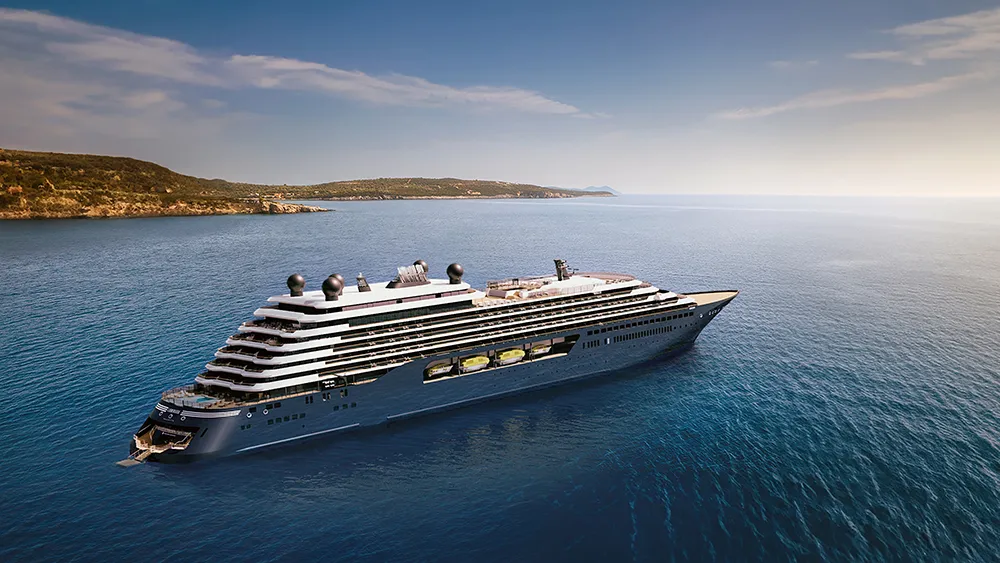
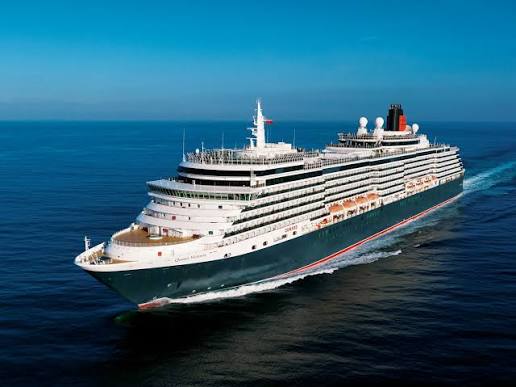
Part of Hapag-Lloyd Cruises’ award-winning fleet, MS Europa will operate bilingually in German and English beginning in January 2026, opening a whole host of exciting voyages for the English-speaking market and offering a laid-back small ship cruising experience.
MS Europa, like the rest of the Hapag-Lloyd Cruises fleet, is
awarded five stars year after year by Insight Guides Cruising &
Cruise Ships, formally the Berlitz Cruise Guide, and offers a
relaxed and stylish ambience on board. From January 2026, MS Europa
will operate bilingually, in German and English, opening up plenty
of exciting itineraries for our discerning guests.
Mallorca is renowned for its beaches, ranging from big, bustling resorts to small, secluded coves. The island interior offers ruggedly beautiful scenery and quaint little towns, while the charming capital, Palma, boasts an attractive old quarter dominated by the imposing Gothic cathedral.
The attractive, oceanfront capital of Corsica was the birthplace of the island’s most famous son, Napoleon Bonaparte. You can find out more about the emperor at his childhood home, the Maison Bonaparte, which is now a museum.
Situated on the north eastern tip of Sicily, so close to the Italian mainland you can almost touch it, Messina is the busy main entry point to the island. The city was flattened by an earthquake in 1908, and again by Allied bombing in 1943, so few historical sights remain, although the cathedral is one of Sicily’s most impressive.
We never fail to be moved when we see the terracotta roofs and honey-golden walls of Dubrovnik, and a stroll around the perfectly preserved old town is a highlight of any visit to the Dalmatian coast. Make sure you take the time to walk around the walls and soak up the marvellous sea views.
Draped in vineyards and olive groves, the verdant Croatian island of Korcula is famous for its white wine and is said by some to be the birthplace of Marco Polo. The main settlement, Korcula Town, bears more than a passing resemblance to Dubrovnik, with a historic centre encircled by medieval walls and towers.
Set on a tiny island off the Dalmatian coast, and connected to the mainland by a bridge, Trogir is small but perfectly formed. The town’s appeal lies in its beautiful UNESCO-listed architecture, the legacy of the Venetians who ruled here for almost 400 years.
Almost encircled by the territory of neighbouring Slovenia, the Adriatic port of Trieste has always stood slightly apart from the rest of Italy, and the city’s former status as a free port under Austrian rule is reflected in the handsome Habsburg architecture.
Pretty little Piran grew rich thanks to the salt trade, and thrived under both the Venetian Republic and the Austro-Hungarian empire. The well-preserved old town is the highlight of Slovenia’s short stretch of coastline, set on a small peninsula jutting out into the Adriatic.
Venice is a city like no other, a marble maze of turquoise canals criss-crossed by beautiful bridges, overflowing with palaces, churches and charming little piazzas. No matter how many times you’ve seen it in photographs, that first glimpse of the Grand Canal will simply take your breath away.