From Kobe to Benoa (Bali) · Asia · 25 nights
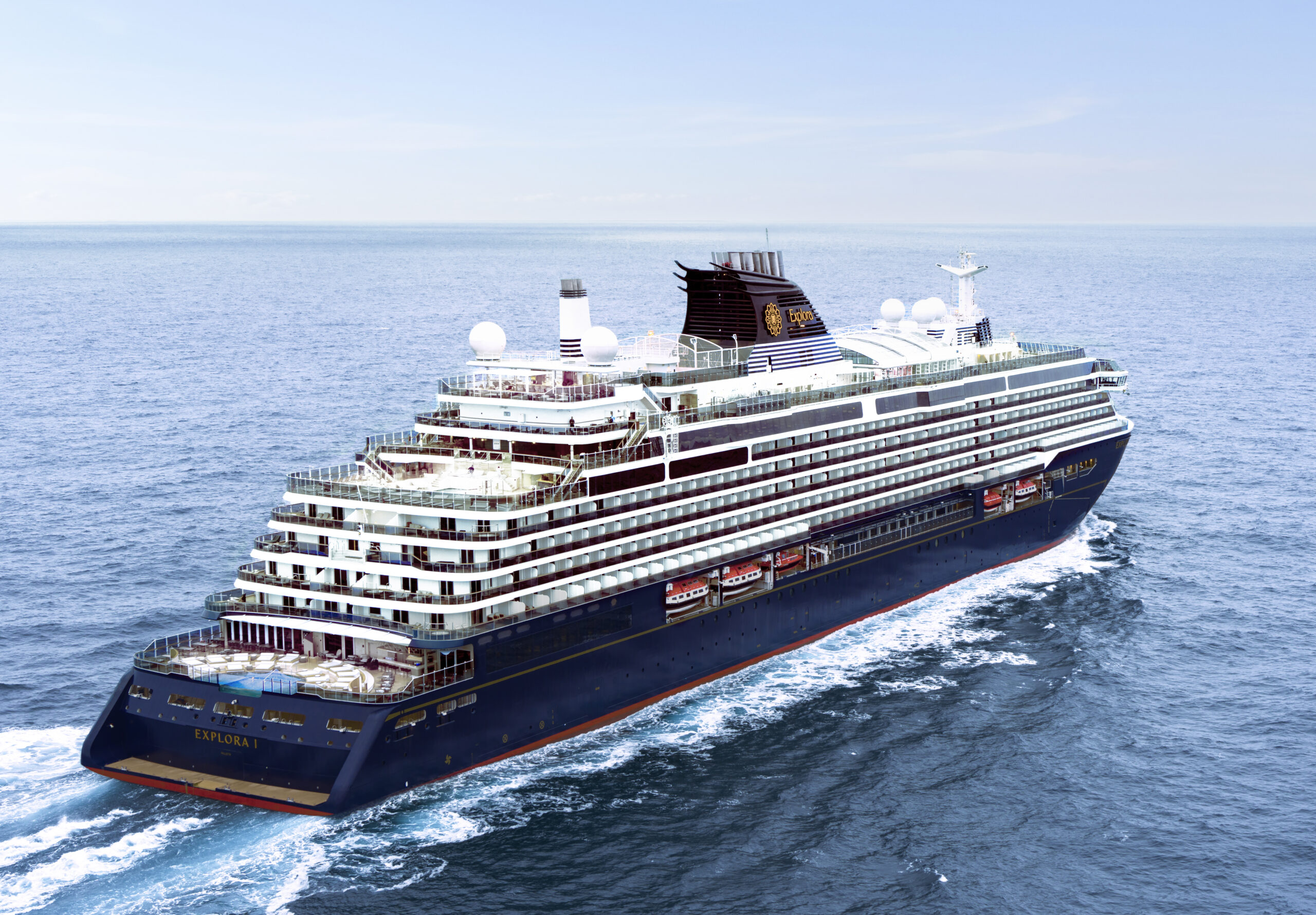
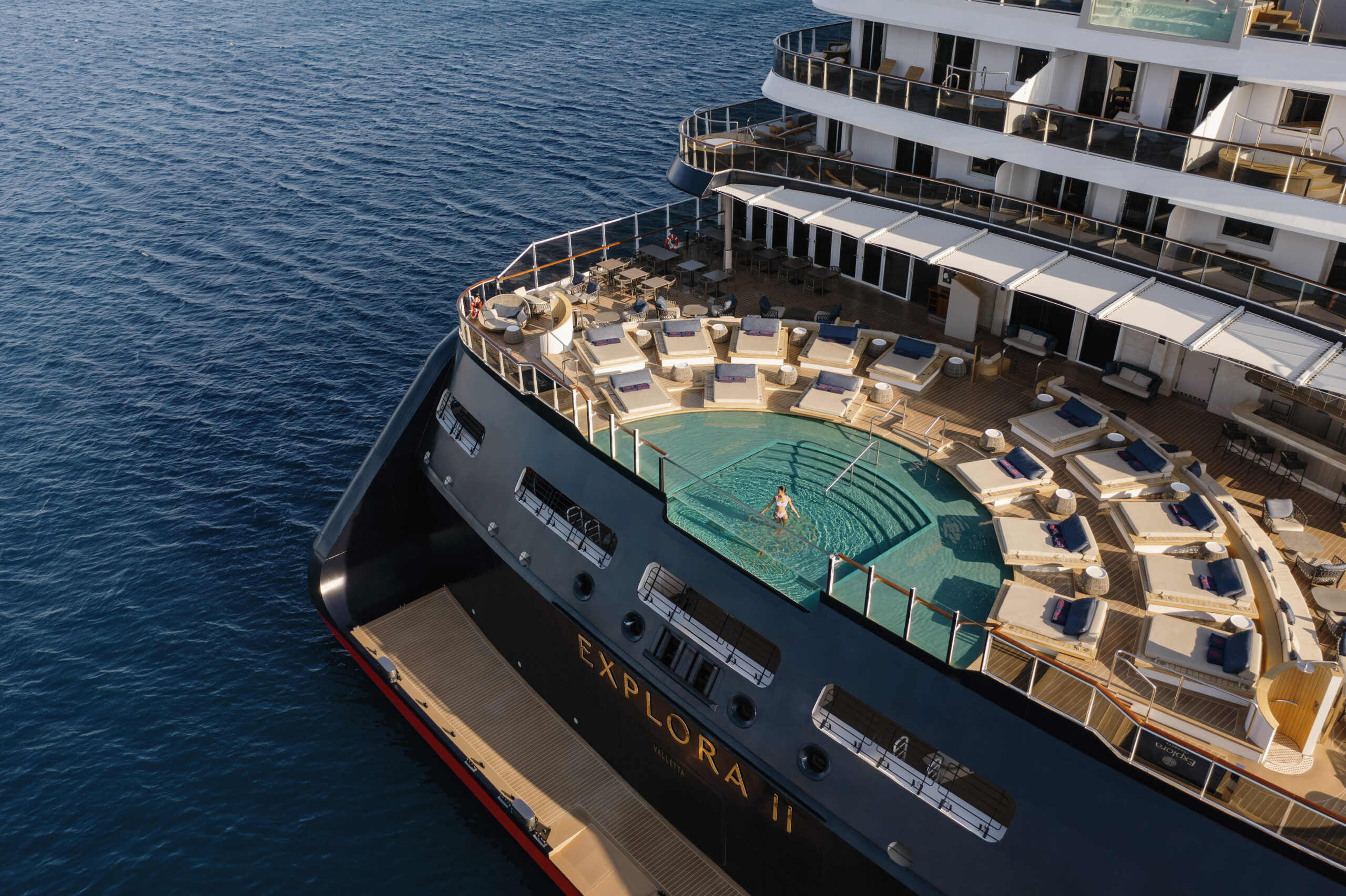
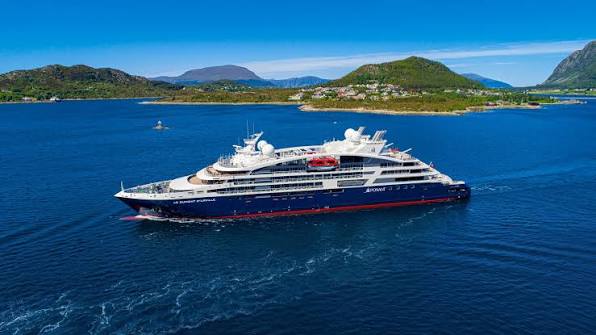
When luxury goes exploring, you are on a Regent ship. Intimate and inviting, the comfortable Seven Seas Navigator is the perfect size.
Just 496 guests enjoy space, comfort and great value on board
this, the smallest of the Regent Seven Seas ships. With spacious
accommodation, a relaxed and unpretentious style and good dining
choices, the most all-inclusive of all luxury cruise lines is
perhaps the perfect choice for laid-back travellers.
Small in size and cosmopolitan in its outlook, Kobe is a thoroughly pleasant city with a long and distinguished history as one of Japan's main trading ports. Kobe's past as a commercial hub is reflected in its architecture, with a number of unusually European-looking houses, as well as a charming, if slightly touristy, Chinatown. Kobe is overlooked by Mount Rokko, and you can take a cable car to the top for marvellous views. The city is also an important centre for sake production, so it's a great place to sample Japan's most famous tipple.
The small, laid back city of Kochi is situated on the south coast of Shikoku island, an important place of pilgrimage for Japanese Buddhists. Three of the 88 temples on the pilgrimage route are in Kochi, and the city is also known for its elegant 17th century hilltop castle.
Naha is the capital of Okinawa prefecture, a subtropical region of southern Japan with its own distinct culture. The city is a bustling commercial centre despite being flattened during the Second World War, and the architectural highlight is the elegant Shuri Castle, a UNESCO World Heritage Site.
Keelung is a fairly unremarkable port city close to Taipei, Taiwan’s capital. Taipei draws on an interesting mix of Chinese, Japanese and Western influences, and is home to attractive temples, a burgeoning street food scene and Taipei 101, which was the world's tallest building until it was eclipsed by Dubai's Burj Khalifa in 2010.
Manila is a sprawling, chaotic conglomeration of soaring skyscrapers, faded colonial facades and ramshackle slums, and it’s certainly not everyone’s cup of tea. But if you have the stamina and an inquisitive nature, there is plenty to be enjoyed in the Philippines’ boisterous capital.
Kota Kinabalu is the gateway to the Malaysian state of Sabah and makes for an excellent base, whether you’re planning on scaling the commanding heights of Mount Kinabalu, exploring the islands and turquoise waters of Tunku Abdul Rahman Marine Park, or embarking on a trip into the jungle to encounter Borneo’s fantastic wildlife.
Singapore’s heritage as an important trading post means that there is a real cultural mix, with four official languages: English, Chinese, Malay and Tamil. Step away from the gleaming towers and you’ll find yourself transported into another world amongst the intoxicating streets of Chinatown and Little India.
Malaysia’s capital is a hot and humid cultural melting pot, defined by its distinctive Malay, Chinese and Indian communities. The dazzling Petronas Towers are KL’s most recognisable landmark, while at street level you’ll find temples and mosques, elegant colonial buildings and bustling markets.
The Malaysian island of Penang is a fascinating blend of East and West, far more than just a beach destination. Lovely Georgetown, a UNESCO World Heritage Site, is home to British colonial architecture, crumbling Chinese shophouses and incense-perfumed temples.
As well as a plethora of luxury resorts, Phuket has a charming old town replete with pretty Sino-Portuguese architecture, and acts as a jump-off point for exploring nearby islands and coastline. Koh Phing Pan, better known as James Bond Island, and Ko Phi Phi are breathtakingly beautiful, as are the limestone formations that surround Krabi.
Laid-back Langkawi boasts some of Malaysia’s finest beaches, and it’s a place where the traditional kampung (village) way of life survives in spite of the island’s development as a tourist destination. It’s also a popular spot for snorkelling and scuba diving thanks to the clarity of the surrounding waters.
Indonesia’s capital is noisy, chaotic and choked with some of the worst traffic in Asia, a sprawling megacity that’s home to over 10 million people. If you can get past all of that then Jakarta has plenty to offer, with the country’s best museums and restaurants, an atmospheric old harbour and a rich mix of cultures from all over the Indonesian archipelago.
The sweltering city of Semarang, on the north coast of Java, is an intriguing mish-mash of Chinese, Islamic and Dutch colonial influences. We recommend escaping the heat with a trip up into the mountains to visit a coffee plantation, or joining an excursion to the extraordinary temple complex at Borobudur.
Surabaya, situated on the northeast coast of Java, is Indonesia’s second largest city and the place where the country’s struggle for independence began. The warren-like Arab Quarter is worth exploring, though many visitors use the city as a base for visiting nearby Mount Bromo.
The beaches, spectacular volcanic scenery and lush green rice terraces lend Bali a natural beauty that seems to dovetail perfectly with the island’s distinct Hindu culture, which adorns the landscape with stunning temples.