From Reykjavik to Oslo · Northern Europe · 36 nights
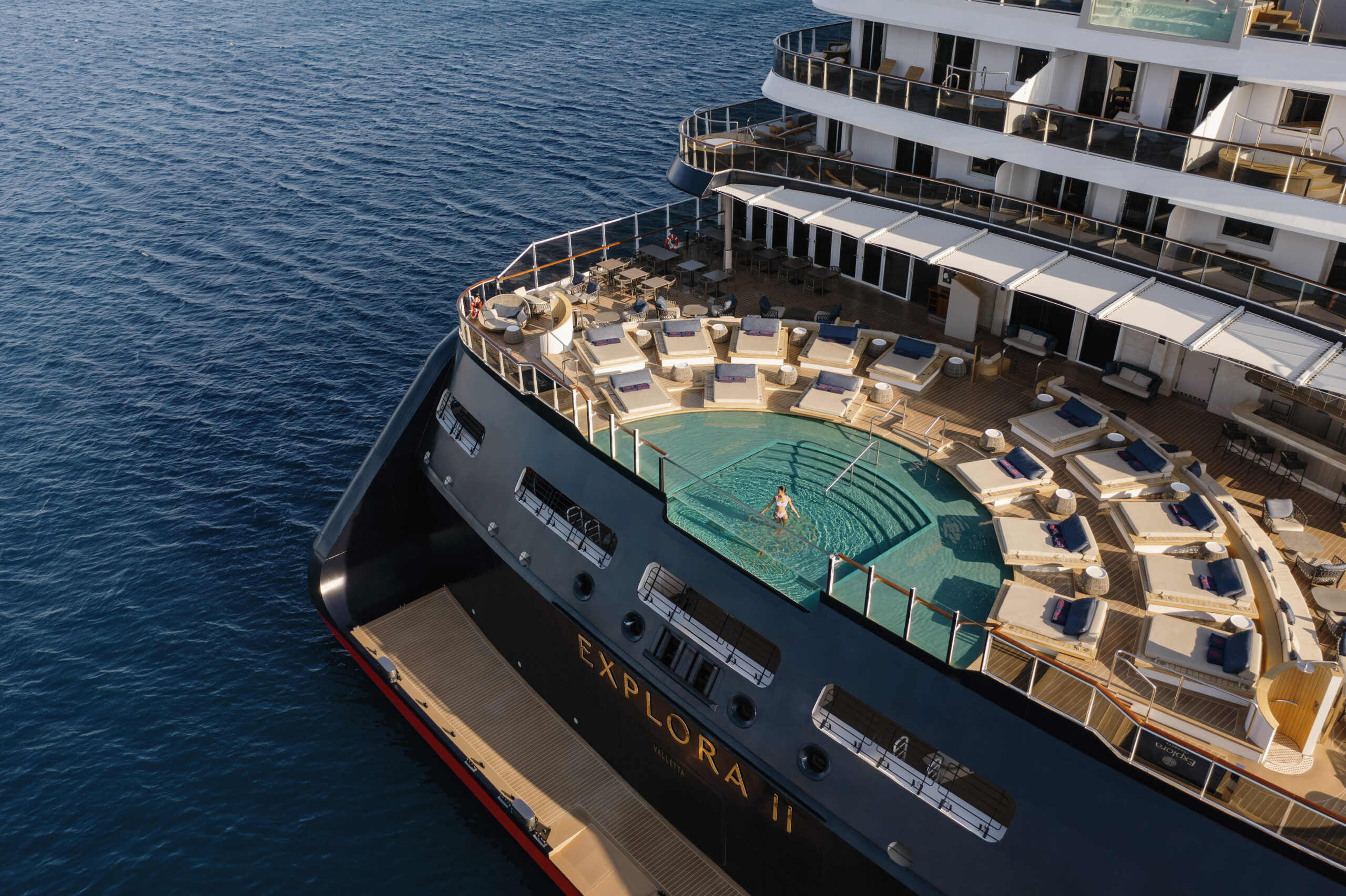
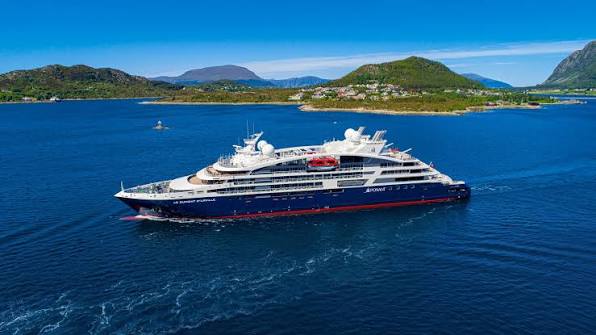
Small enough to operate fascinating port-intensive itineraries, but with the space for dining options, comfortable accommodation and more, sister ships Insignia, Nautica, Regatta and Sirena are for many the perfect size.
These four boutique style sister ships carry just 684 guests
apiece, with a comfortable, relaxed country house style and plenty
of intimate corners. We love the alternative restaurants – Oceania
is rightly renowned for great food – and the pretty little library
up on deck 10.
Capital of Iceland and gateway to this extraordinary volcanic island, modern Reykjavik is home to an impressive collection of interesting attractions and places of historic significance. Visit the impressive Hallgrímskirkja church, relax in a thermal pool, potter around the old harbour, and with 24 hour daylight in the summer months, you can play golf at midnight, or choose the perfect place to view the midnight sun such as the lighthouse at Grotta or on the waterfront by Sólfar - the Sun Voyager sculpture. If you're like us, you will find travelling out of Reykjavik by land or sea to be unforgettable.
Heimaey is the largest of the Westman Islands, just off the south west coast of the Icelandic mainland. The jagged landscape is a reminder of the island’s volcanic origins; the most recent eruption, back in 1973, created the volcano now known as Eldfell, which looms over the island.
Tórshavn, named after the Norse god Thor, is one of the world’s smallest capitals, with a population of just 20,000. The brightly coloured facades and turfed roofs lend the harbour an attractive, storybook quality, and the narrow streets are home to some atmospheric pubs and cafés.
Djúpivogur is a little fishing village on the east coast of Iceland, at the mouth of a steep fjord, and has recently joined the ‘slow city’ movement, the first place in Iceland to do so. A popular excursion is the boat trip across to Papey island, where you’ll find thousands of seabirds and Iceland’s oldest wooden church
This little fishing village enjoys a fine setting amongst Iceland’s Eastfjords, looking out across the water towards the dramatic Hólmatindur mountain. Life here has always been shaped by the sea, and you can learn more about Eskifjörður’s history at the interesting Maritime Museum.
Akureyri is Iceland’s second city, though with just 18,000 inhabitants it’s really more of a small town. Situated on the north coast at the head of Iceland’s largest fjord, it’s a cute and quirky place that also serves as a base from which to explore the bubbling mud pools and lunar landscapes around Lake Mývatn.
Ísafjörður is the largest town in Iceland’s wild Westfjords, dramatically located on a spit of sand hemmed in by mountains on three sides. The town itself is fairly low key, and the main attraction is exploring the surrounding landscapes, such as the spectacular Hornstrandir Peninsula.
The little fishing town of Grundarfjörður enjoys a picturesque setting on the Snæfellsnes Peninsula, surrounded by dramatic volcanic peaks and gushing waterfalls. The nearby Snæfellsjökull volcano, capped by a glacier, was made famous by Jules Verne in ‘Journey to the Centre of the Earth’.
Capital of Iceland and gateway to this extraordinary volcanic island, modern Reykjavík is home to an impressive collection of interesting attractions and places of historic significance. Visit the impressive Hallgrímskirkja church, relax in a thermal pool, potter around the old harbour, and enjoy 24 hour daylight in the summer months.
The flat, windswept Orkney Islands, just off the northeast coast of Scotland, have a distinctive Scandinavian heritage that’s discernible in everything from the unusual place names to the ancient Norse architecture of the capital, Kirkwall. Don’t miss the Ring of Brodgar, a fascinating Neolithic stone circle.
The pretty fishing town of Ullapool is a popular gateway to both the Highlands and the Western Isles, bustling with visitors during the summer. There is an excellent museum with exhibits on crofting, fishing and emigration, while just offshore the uninhabited Summer Isles are home to seabirds, dolphins and porpoises.
Killybegs is a bustling fishing port on the Donegal coast, and you’ll see both local and international vessels filling the harbour. The village has some nice pubs worth visiting, and the surrounding countryside is typified by beautiful coastal scenery such as the dramatic Slieve League cliffs.
Galway is known as the ‘city of festivals’, home to a cosmopolitan mix of artists, musicians and students. Buskers and folk bands provide the soundtrack as you explore the city’s fantastic pubs and pedestrianised streets, and Galway is also a useful base for visiting sights such as the Cliffs of Moher and Connemara National Park.
The beautiful Dingle Peninsula reaches out into the crashing Atlantic surf, culminating in the westernmost point on the Irish mainland. The peninsula’s buzzing ‘capital’, Dingle town, is a charming little place full of lively pubs, colourful shopfronts and toe-tapping traditional Irish music.
Bantry Bay is one of the most picturesque spots on County Cork’s west coast, sandwiched between the Beara and Sheep’s Head peninsulas. Local highlights include the 18th-century Bantry House, with its elegant gardens and intriguing links to the United Irishmen Rebellion of 1798.
The attractive town of Cobh is situated on an island in Cork Harbour, one of the largest natural harbours in the world. It’s a colourful place with an interesting history; Cobh was the main exit point for thousands who fled Ireland during the famine years, and it was also the final port of call for the ill-fated Titanic.
Southampton is the UK’s leading port. Bustling modern cruise terminals, as well as wharfs and commercial harbours, line the waterfront, whilst the city itself is a fascinating mix of ancient and modern, with a picturesque old town, the original city walls still standing, and super-modern shopping centres and office complexes
Rosendal is famous for the Barony, an historic manor house and Renaissance garden that was home to some of Norway’s most distinguished nobles between 1655 and 1927. Rosendal is also near to the beautiful Hardangerfjord and Folgefonna National Park.
The Nordfjord is one of Norway’s longest fjords, with more than 60 miles of towering mountains, gushing waterfalls and glittering glaciers. This part of Norway is a region of superlatives, home to both Europe’s deepest lake, Hornindalsvatnet, and mainland Europe’s largest glacier, the spectacular Jostedalsbreen.
When Ålesund was destroyed by fire in 1904, the German Kaiser Wilhelm II agreed to foot the bill to rebuild it. The result was the stunning Art Nouveau architecture that you see today, which blends elements of the German 'Jugendstil' with Viking flourishes.
The city of Molde, at the mouth of the Romsdalfjord in north west Norway, is known for its temperate climate, fertile soil and annual jazz festival. Head up to the Varden viewpoint for a stunning panoramic view over the snow-dusted peaks of the Romsdal mountain range.
Spread over several islands on an impressive natural harbour, Kristiansund is intimately connected to the sea, and is famous for its 'klipfish' - a dish of dry, salted cod. The city was badly damaged by fire during the war, and was rebuilt in a distinctive, multi-coloured style.
The little town of Måløy is a major fishing port, on the sheltered eastern side of Vågsøy island. Nearby sights include the Kannesteinen rock, sculpted by the sea into a bizarre mushroom-like shape, while further afield is the Jostedalsbreen National Park, home to continental Europe’s largest glacier.
Stavanger originally grew rich from its fishing industry, though these days it’s Norway’s oil boom that is powering the city’s economic growth. In spite of this modern gold rush the historic centre of Stavanger retains its charm, and the spectacular Lysefjord is within easy reach of the city.
Wonderful Copenhagen is the perfect city to explore on foot, by bicycle or by water. Visit the bustling wharf at Nyhavn, enjoy the palaces, galleries and museums, wander through the amazing Tivoli Gardens, and if you have time, make the most of Copenhagen’s gastronomic revolution.
The intriguing city of Oslo, Norway’s capital, has so much to offer, from the open air Norwegian Folk Museum to the amazing Vigeland sculpture park, and from the Holmenkollen Ski Museum to the Munch Museum’s collection of memorable paintings. History, art and culture are what defines this lovely city.