From Hong Kong to Tokyo · Asia · 11 nights
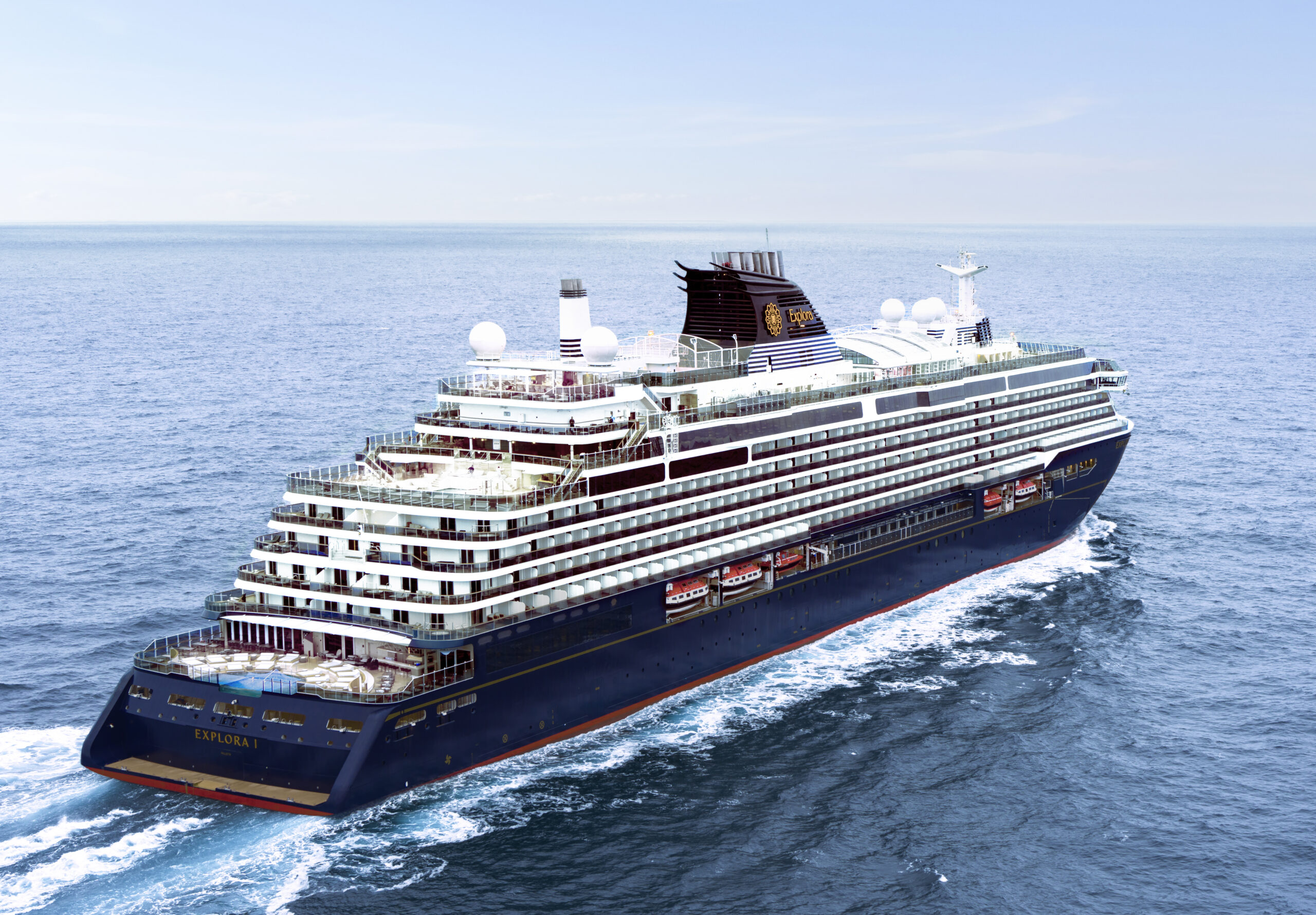
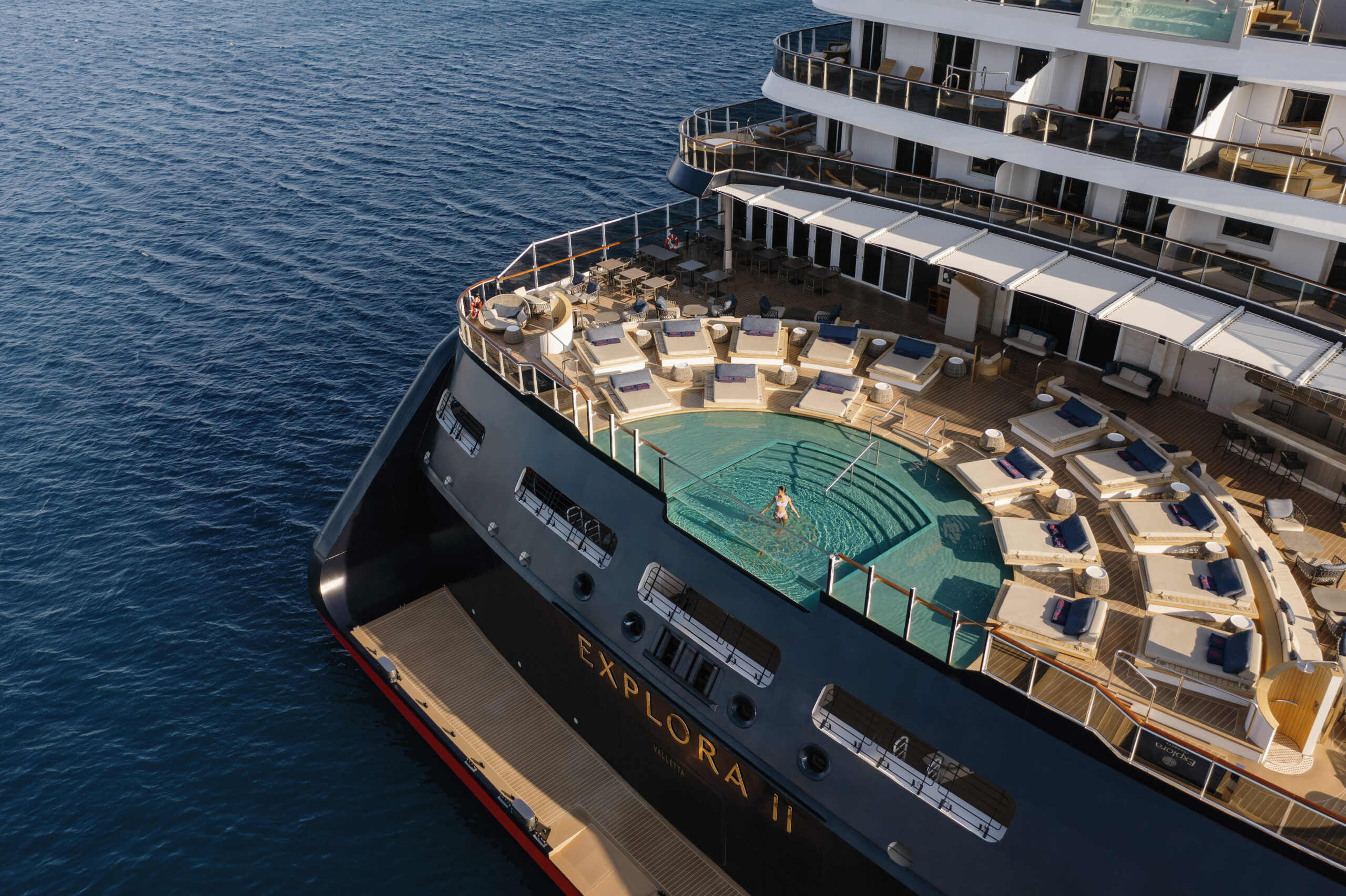
The second and third yachts from Ritz-Carlton, Ilma and Luminara, offer all-terrace suite accommodation and luxurious surrounds for 450 guests.
These ships are almost double the size of Ritz-Carlton’s first
yacht Evrima, offering more space per guest than any other ship.
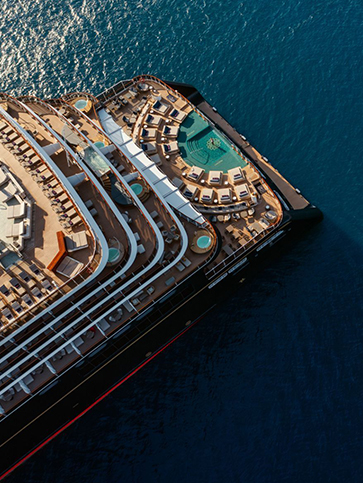
Onboard it is all about the yachting lifestyle with stylish suites
and public areas, a diverse choice of dining including alfresco
options, and a marina for direct access to the ocean.
Hong Kong is a fantastic place to begin or end a cruise, a striking mix of ancient and modern, Chinese and British, and there is a lot more to the city than just skyscrapers and high finance. On Hong Kong Island itself you'll find the bustling financial centre of Central district, the more traditionally Chinese Western district and the shops of Causeway Bay, while on the mainland Kowloon Peninsula the district of Tsim Sha Tsui is where most of Hong Kong's best hotels are located, and the atmospheric markets of Mong Kok are just to the north.
Kaohsiung is Taiwan’s second largest city and one of the world’s largest container ports, situated on the south west coast of the island. Formerly a rather grim industrial centre, the city has been transformed in recent years, with new parks, cafés, galleries and museums popping up all over the place.
The Taiwanese capital draws on an interesting mix of Chinese, Japanese and Western influences, and is home to attractive temples, a burgeoning street food scene and Taipei 101, which was the world's tallest building until it was eclipsed by Dubai's Burj Khalifa in 2010.
Ishigaki is the most developed of the Yaeyama islands, an idyllic tropical archipelago located closer to Taiwan than mainland Japan. The offshore coral reefs make this a popular spot for diving and snorkelling, while the jungle interior offers some great hiking opportunities.
Naha is the capital of Okinawa prefecture, a subtropical region of southern Japan with its own distinct culture. The city is a bustling commercial centre despite being flattened during the Second World War, and the architectural highlight is the elegant Shuri Castle, a UNESCO World Heritage Site.
The island of Amami-Oshima is rich in flora and fauna thanks to a mild subtropical climate, and a number of whale species can be spotted in the surrounding waters during the winter. The island also has some lovely white sand beaches, and is known for producing high quality hand-made silk.
Three days after Hiroshima was flattened by an atomic bomb, Nagasaki suffered the same horrifying fate. The reconstruction of both cities has been quite extraordinary; Nagasaki today is a vibrant, cosmopolitan place, with a fascinating history that goes back a lot further than 1945.
Osaka, Japan’s third largest city, is a pulsating commercial hub, famous for its food, and the cityscape rivals Tokyo for neon-lit futurism. If you need respite from the urban sprawl seek out Osaka Castle and the surrounding Nishinomaru Garden, a particularly pretty spot during the cherry blossom season.
In a state of constant renewal and forever looking to the future, densely populated Tokyo is a dazzling introduction to Japan and its utterly unique culture. With more neon than Las Vegas and more Michelin stars than Paris, it’s a real assault on the senses.