From Istanbul to Athens (Piraeus) · Mediterranean · 10 nights
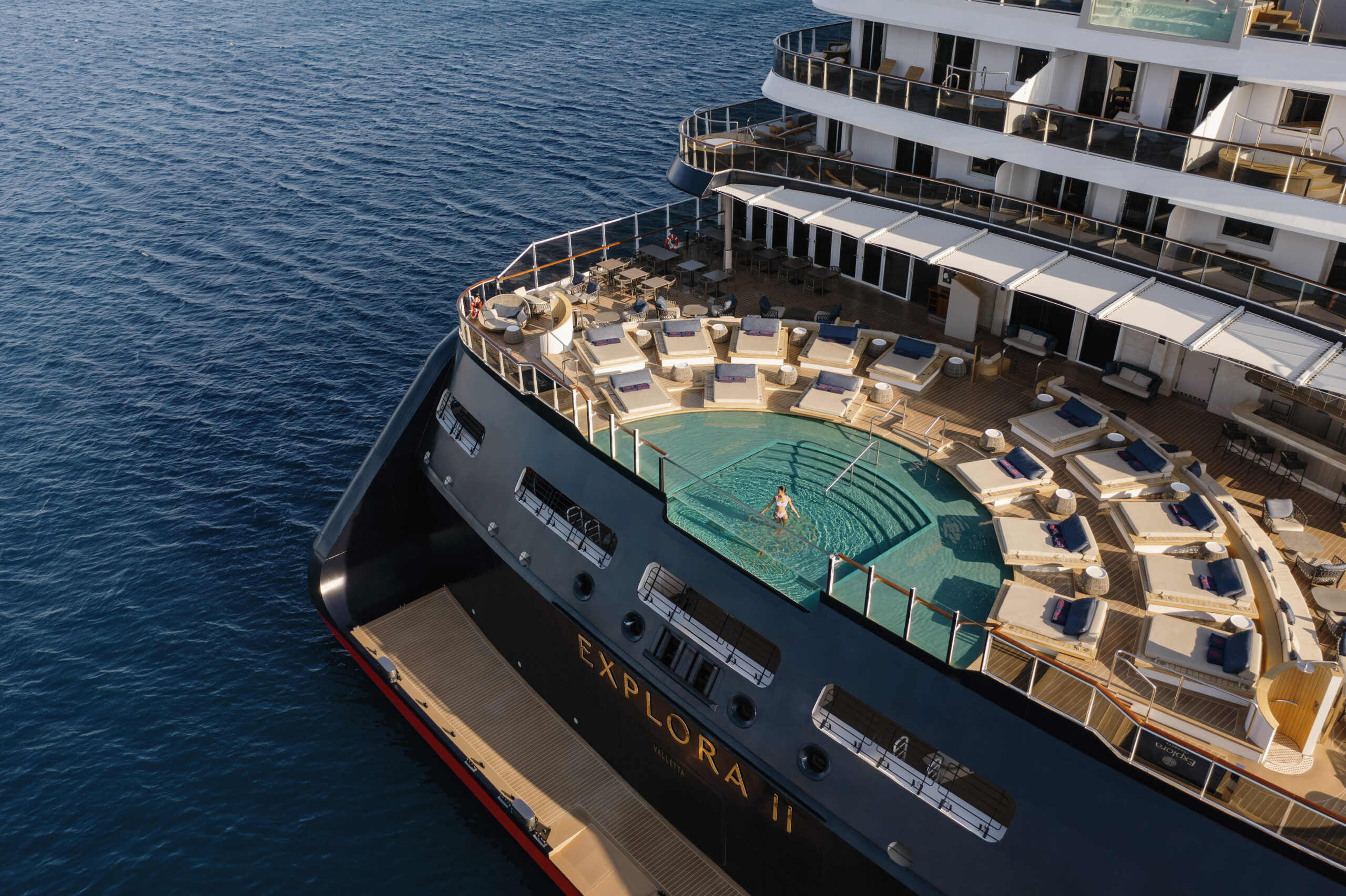
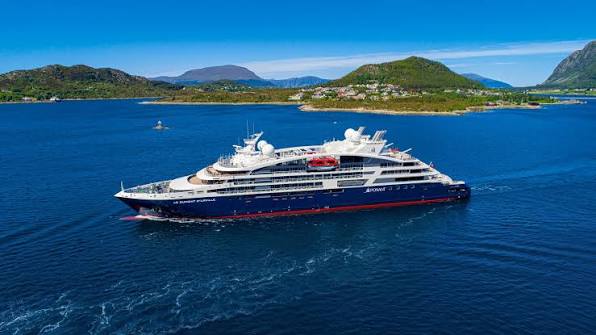
Small enough to operate fascinating port-intensive itineraries, but with the space for dining options, comfortable accommodation and more, sister ships Insignia, Nautica, Regatta and Sirena are for many the perfect size.
These four boutique style sister ships carry just 684 guests
apiece, with a comfortable, relaxed country house style and plenty
of intimate corners. We love the alternative restaurants – Oceania
is rightly renowned for great food – and the pretty little library
up on deck 10.
This is one of those destinations that really does live up to the hype! Istanbul is the place where East meets West, where Asia Minor reaches out across the Bosphorus and almost touches Europe. In its earlier incarnation as Constantinople, the city was the eastern bastion of the Byzantine Empire, holding out for centuries before finally capitulating to the Ottomans in 1453, and it remains a bristling, bustling cultural melting pot, the skyline dotted with magnificent minarets and domes.
Çanakkale occupies a key strategic location guarding the Dardanelles, at the meeting point of the Aegean and the Sea of Marmara. This region of Turkey is full of historical interest, including the battlefields of the disastrous Gallipoli campaign and the ruins of ancient Troy.
Kavala has a rich history dating back nearly 3,000 years, and was known in antiquity as Neapolis. Many of the city’s most interesting sights were built by the Ottomans, including the aqueduct of Suleyman the Magnificent and the beautiful Imaret, a former religious school.
Greece’s bustling second city has a rich history, shaped by Roman, Byzantine and Ottoman rule, and was once home to a large Jewish community. Sadly many of Thessaloniki’s historic buildings were destroyed by a fire in 1917, but the famous White Tower survives, along with the city’s vibrant, multicultural spirit.
Lesvos is the third largest of the Greek islands, with a landscape ranging from arid plains and rocky outcrops to lush olive groves, forested mountains and sandy beaches. Highlights include the beautiful harbour at Molyvos and the ruined Byzantine fortress that overlooks Mytilini, the island’s lively capital.
The Turkish port of Kusadasi is the gateway to Ephesus, one of the most spectacular archaeological sites in the Eastern Mediterranean. This was the Roman capital of Asia Minor, and the remains constitute the most complete classical city in Europe.
Sun-kissed Rhodes, the largest of the Dodecanese islands, is steeped in history; the medieval heart of Rhodes Town was once home to the crusading Knights of St John, and later fell to the Ottoman sultan Suleiman the Magnificent. The hillside village of Lindos, with its pretty whitewashed houses, is another highlight.
Crete’s bustling capital is a modern and cosmopolitan city, where the island’s rich history isn’t immediately apparent. Take a closer look, however, and you’ll find a fantastic archaeological museum, along with remnants of Venetian fortifications and a lively seafront promenade, with plenty of nice outdoor cafés.
The volcanic island of Santorini (known officially as Thira) is one of the most spectacularly beautiful in the Mediterranean. The pretty village of Oia, with its whitewashed houses and windmills tumbling down the hillside, is particularly photogenic.
Glamorous Mykonos is the most popular of the Cyclades islands, well known as a haunt of the rich and the famous. It’s also the gateway to the nearby island of Delos, home to one of the most important archaeological sites in Greece.
Athens is a city awash with historical and cultural significance, but it's much more than an open air museum; this is a dynamic, bustling metropolis, and a place where history is still very much unfolding.