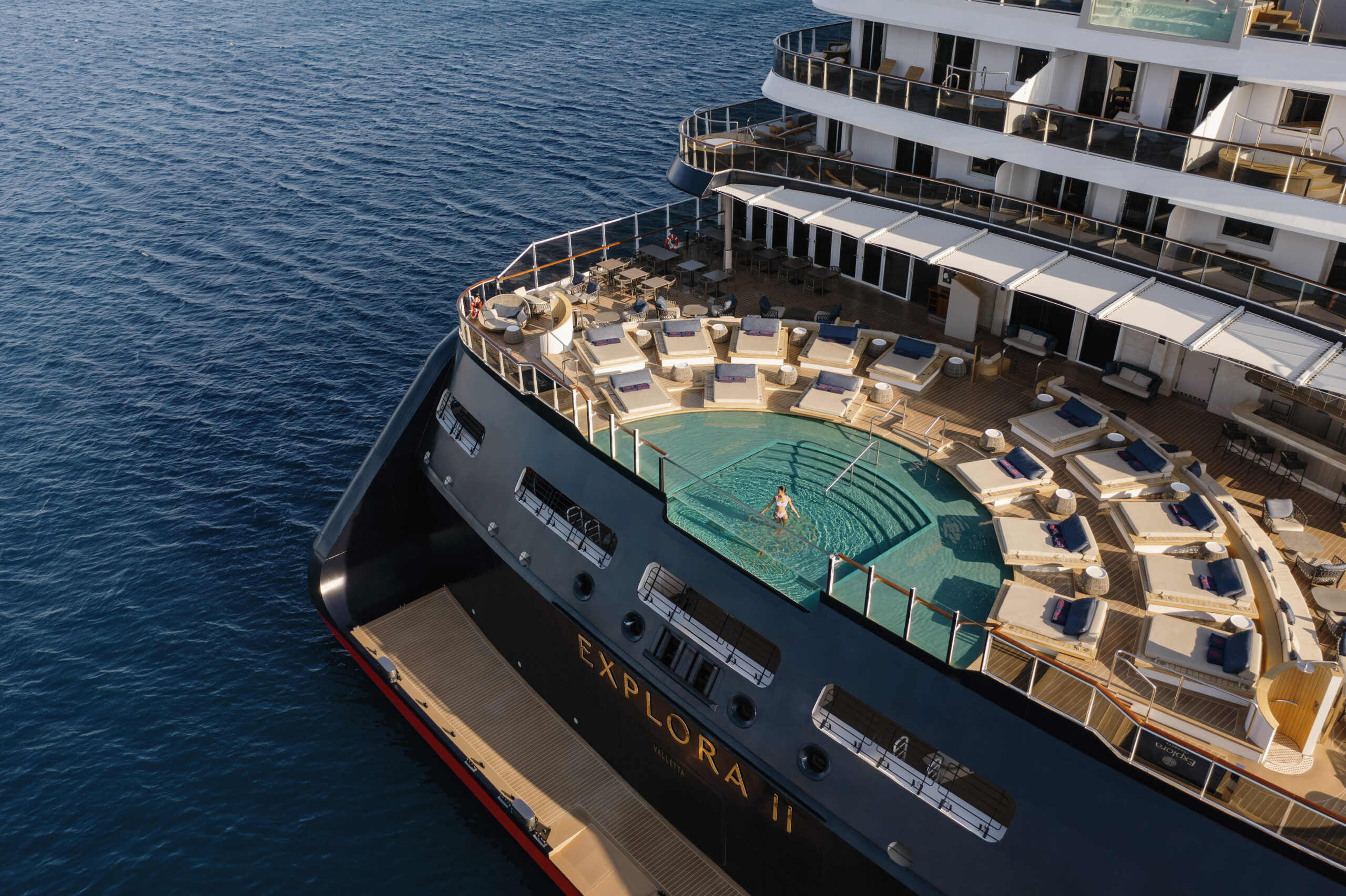
From Venice to Athens (Piraeus) · Mediterranean · 24 nights
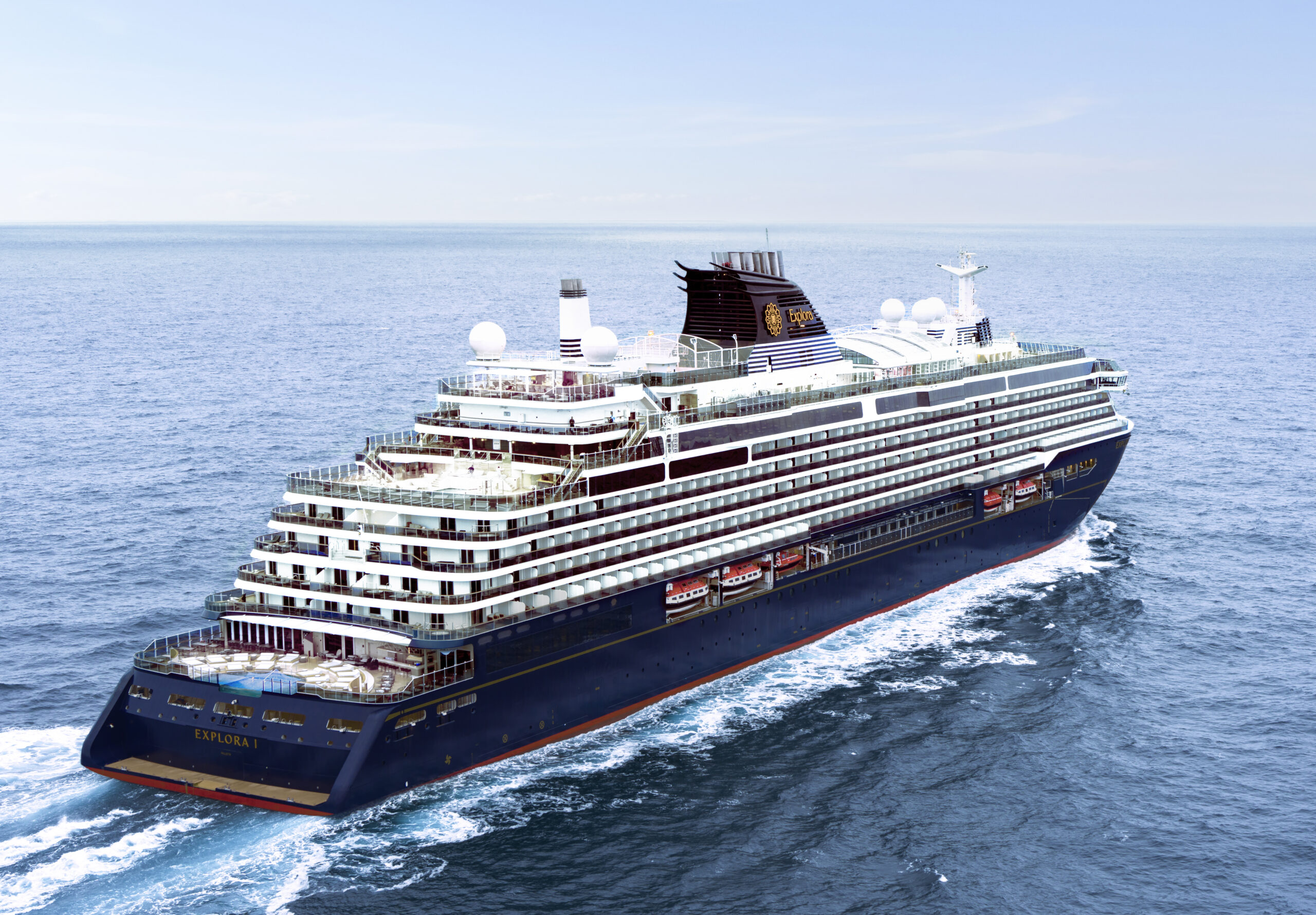
Azamara Journey, Quest, Pursuit and Onward are excellent small ships that offer a welcoming and relaxed club-like atmosphere.
Azamara’s fleet of small ships are focused on providing
destination immersion by spending as much time in port as possible
with itineraries designed to include overnight stays and late
evening departures. Enjoy more time to discover the local culture
and when back on board relax and enjoy a vibrant array of
inclusions.
Venice is a city like no other, a marble maze of turquoise canals criss-crossed by beautiful bridges, overflowing with palaces, churches and charming little piazzas. No matter how many times you've seen it in photographs, that first glimpse of the Grand Canal will simply take your breath away; it hardly seems credible that such an eye-popping scene could exist outside of a Canaletto painting. Of course Venice is a city that draws big crowds, especially in summer, but don't let this put you off; even the busiest areas are never more than a few steps from a quiet courtyard or a secluded square.
The largest town on Slovenia’s sliver of Adriatic coastline, Koper has an attractive medieval centre and some impressive Venetian architecture. There is also a sizeable Italian community here, reflected in the bilingual road signs, and it's a short drive across the border to the former Habsburg city of Trieste.
Rovinj is undoubtedly the highlight of the Istrian coast, a picturesque medieval fishing port with a strong Italian influence discernible in everything from the elegant architecture to the bilingual street signs. A day trip to one of the nearby islands also makes for an enjoyable excursion.
Croatia’s second city enjoys a dramatic setting, hugging a sweeping bay against a backdrop of sheer grey mountains. Split's labyrinthine old town is contained within the remarkable Roman ruins of Diocletian’s Palace, a UNESCO World Heritage Site, and spills out onto the buzzing seafront Riva promenade.
Kotor sits at the head of a beautiful, fjord-like bay, hemmed in by glowering mountains. The compact, walled old town is Montenegro’s star attraction, a warren of little alleyways and shady squares that is often described as a ‘mini Dubrovnik’.
Corfu, known as Kerkyra in Greek, is a beautiful island of verdant hills and rocky coves, and away from the more crowded resorts it remains a sleepy and idyllic place. Don’t miss the picturesque Venetian architecture of Corfu Town, a UNESCO World Heritage Site.
Rugged Kefalonia is the largest of the Ionian islands, and remains unspoilt by tourism despite earning fame as the setting for ‘Captain Corelli’s Mandolin’. The island rewards exploration, with some splendid beaches and lovely little villages, and the vineyards here produce some excellent wines.
The port of Itea, situated on the Greek mainland to the west of Athens, is the gateway to the magnificent ruins of Delphi. The spectacular cliffside setting at the foot of Mount Parnassos adds to the drama of this holiest of Ancient Greek sites, home to a famous oracle in antiquity.
The little seaside town of Katakolon, on the western coast of the Peloponnese, is the gateway to ancient Olympia, birthplace of the Games and the place where the Olympic flame begins its journey every four years. Make the most of your visit with a guided tour of the ruins, and don’t miss the treasures of the Archaeological Museum.
Chania, Crete’s second city, is an alluring blend of architectural styles. The jumble of streets that make up the Venetian old town are remarkably intact, and there are plenty of reminders too of the two centuries of Ottoman rule, such as the imposing harbourfront Mosque of the Janissaries.
Athens is a city awash with historical and cultural significance, but it's much more than an open air museum; this is a dynamic, bustling metropolis, and a place where history is still very much unfolding.
The beautiful Byzantine town of Monemvasia is dramatically located on a steep chunk of rock, originally a coastal headland until an earthquake in AD 375 turned it into an island. Nowadays access is via a narrow causeway, and the pretty streets of the medieval citadel are home to more churches than people.
Syros is one of the smallest of the Cyclades islands, though it’s also the administrative capital of the archipelago. Not many cruise ships call here, so you’ll find the beaches are much less crowded than other islands, and the main town, Ermoupoli, is home to a fascinating mix of architectural styles.
The bustling port of Volos sits on the site of the ancient city of Iolkos, the mythological home of Jason and the Argonauts. The modern city has plenty of interesting museums and churches, along with a pleasant waterfront lined with restaurants.
Greece’s bustling second city has a rich history, shaped by Roman, Byzantine and Ottoman rule, and was once home to a large Jewish community. Sadly many of Thessaloniki’s historic buildings were destroyed by a fire in 1917, but the famous White Tower survives, along with the city’s vibrant, multicultural spirit.
Kavala has a rich history dating back nearly 3,000 years, and was known in antiquity as Neapolis. Many of the city’s most interesting sights were built by the Ottomans, including the aqueduct of Suleyman the Magnificent and the beautiful Imaret, a former religious school.
Istanbul is the place where East meets West, where Asia Minor reaches out across the Bosphorus and almost touches Europe, and the city remains a bristling, bustling cultural melting pot, the skyline dotted with magnificent minarets and domes.
Çanakkale occupies a key strategic location guarding the Dardanelles, at the meeting point of the Aegean and the Sea of Marmara. This region of Turkey is full of historical interest, including the battlefields of the disastrous Gallipoli campaign and the ruins of ancient Troy.
Sun-kissed Rhodes, the largest of the Dodecanese islands, is steeped in history; the medieval heart of Rhodes Town was once home to the crusading Knights of St John, and later fell to the Ottoman sultan Suleiman the Magnificent. The hillside village of Lindos, with its pretty whitewashed houses, is another highlight.
The charming port of Agios Nikolaos, on the north east coast of Crete, offers a beguiling blend of characterful tavernas, lively bars and designer boutiques. The town is centred around little Lake Voulismeni, and nearby attractions include some lovely beaches and the Minoan ruins at Gournia.
The volcanic island of Santorini (known officially as Thira) is one of the most spectacularly beautiful in the Mediterranean. The pretty village of Oia, with its whitewashed houses and windmills tumbling down the hillside, is particularly photogenic.
Glamorous Mykonos is the most popular of the Cyclades islands, well known as a haunt of the rich and the famous. It’s also the gateway to the nearby island of Delos, home to one of the most important archaeological sites in Greece.
Athens is a city awash with historical and cultural significance, but it's much more than an open air museum; this is a dynamic, bustling metropolis, and a place where history is still very much unfolding.