From Athens (Piraeus) to Nice · Mediterranean · 21 nights
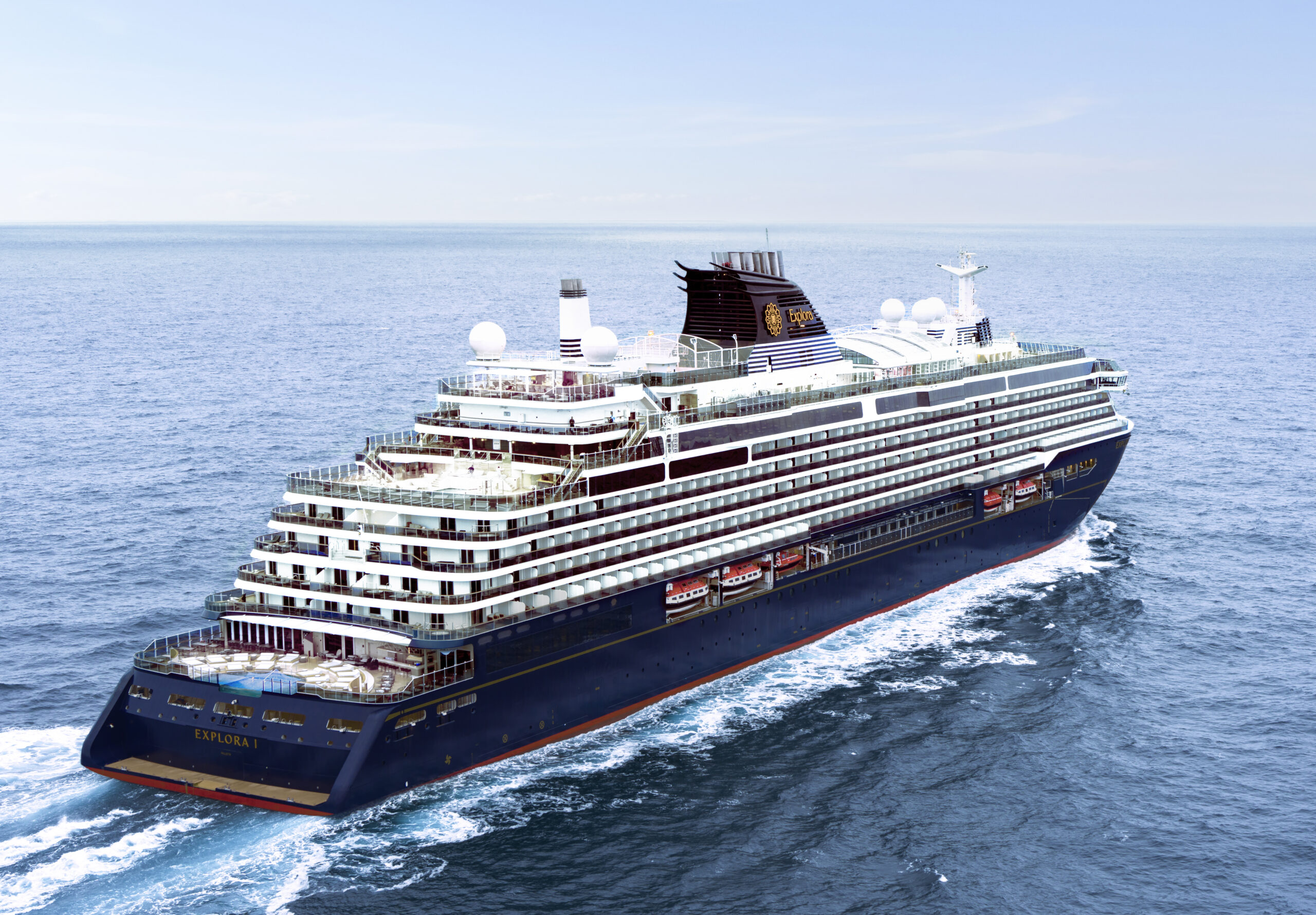
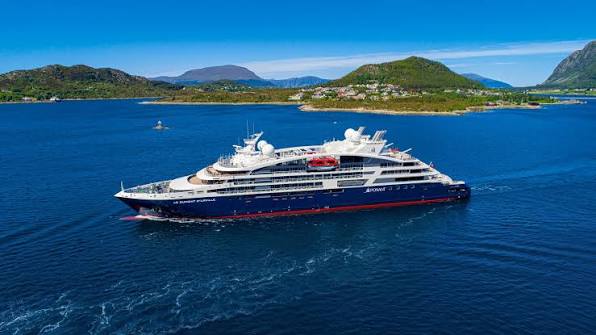
Azamara Journey, Quest, Pursuit and Onward are excellent small ships that offer a welcoming and relaxed club-like atmosphere.
Azamara’s fleet of small ships are focused on providing
destination immersion by spending as much time in port as possible
with itineraries designed to include overnight stays and late
evening departures. Enjoy more time to discover the local culture
and when back on board relax and enjoy a vibrant array of
inclusions.
Athens is a city awash with historical and cultural significance. Towering over the city are the gleaming columns of the Parthenon, surely one of the most iconic sights in the whole of Europe. And yet Athens is much more than an open air museum; this is a dynamic, bustling metropolis, and a place where history is still very much unfolding. For all its faults, the Greek capital possesses an energy and an optimism that are manifest in everything from the burgeoning art scene to the restaurants and bars that continue to pop up on a regular basis.
Syros is one of the smallest of the Cyclades islands, though it’s also the administrative capital of the archipelago. Not many cruise ships call here, so you’ll find the beaches are much less crowded than other islands, and the main town, Ermoupoli, is home to a fascinating mix of architectural styles.
Greece’s bustling second city has a rich history, shaped by Roman, Byzantine and Ottoman rule, and was once home to a large Jewish community. Sadly many of Thessaloniki’s historic buildings were destroyed by a fire in 1917, but the famous White Tower survives, along with the city’s vibrant, multicultural spirit.
The bustling port of Volos sits on the site of the ancient city of Iolkos, the mythological home of Jason and the Argonauts. The modern city has plenty of interesting museums and churches, along with a pleasant waterfront lined with restaurants.
Glamorous Mykonos is the most popular of the Cyclades islands, well known as a haunt of the rich and the famous. It’s also the gateway to the nearby island of Delos, home to one of the most important archaeological sites in Greece.
The resort town of Cesme is situated at the western tip of mainland Turkey on the Aegean coast, renowned for its sandy beaches and crystal clear water. The town is well-equipped for tourists, with smart shops, restaurants and thermal spas, and the impressive Genoese castle merits a visit.
The beautiful Byzantine town of Monemvasia is dramatically located on a steep chunk of rock, originally a coastal headland until an earthquake in AD 375 turned it into an island. Nowadays access is via a narrow causeway, and the pretty streets of the medieval citadel are home to more churches than people.
Zakynthos (also known by its Italian name, Zante) remains one of the most beautiful Ionian islands, in spite of rampant overdevelopment along the southern and eastern coasts. Head off the beaten track and you’ll find forest-darkened mountains, sheltered white sand beaches and caves half-flooded with dazzlingly blue water.
Corfu, known as Kerkyra in Greek, is a beautiful island of verdant hills and rocky coves, and away from the more crowded resorts it remains a sleepy and idyllic place. Don’t miss the picturesque Venetian architecture of Corfu Town, a UNESCO World Heritage Site.
Fusina is on the mainland just across the Venetian Lagoon from Venice and is a common embarkation and disembarkation port for those ships who can no longer call into the heart of the city. Convenient for the airport but offering little else in the immediate vicinity, it is in striking distance of Venice by water taxi and the treasures of Venice are well worth the journey.
The largest town on Slovenia’s sliver of Adriatic coastline, Koper has an attractive medieval centre and some impressive Venetian architecture. There is also a sizeable Italian community here, reflected in the bilingual road signs, and it's a short drive across the border to the former Habsburg city of Trieste.
Pula is a busy commercial port on the Istrian coast, best known for its impressive Roman remains. The imposing Roman amphitheatre in the centre of town is impossible to miss, and the Habsburg emperors also contributed some handsome architecture during the 19th century.
Located on the quieter northern stretch of Croatia’s Dalmatian coast, the walled port city of Zadar is an intriguing blend of old and new, where Roman ruins and psychedelic modern art installations sit alongside one another.
Croatia’s second city enjoys a dramatic setting, hugging a sweeping bay against a backdrop of sheer grey mountains. Split's labyrinthine old town is contained within the remarkable Roman ruins of Diocletian’s Palace, a UNESCO World Heritage Site, and spills out onto the buzzing seafront Riva promenade.
We never fail to be moved when we see the terracotta roofs and honey-golden walls of Dubrovnik, and a stroll around the perfectly preserved old town is a highlight of any visit to the Dalmatian coast. Make sure you take the time to walk around the walls and soak up the marvellous sea views.
Kotor sits at the head of a beautiful, fjord-like bay, hemmed in by glowering mountains. The compact, walled old town is Montenegro’s star attraction, a warren of little alleyways and shady squares that is often described as a ‘mini Dubrovnik’.
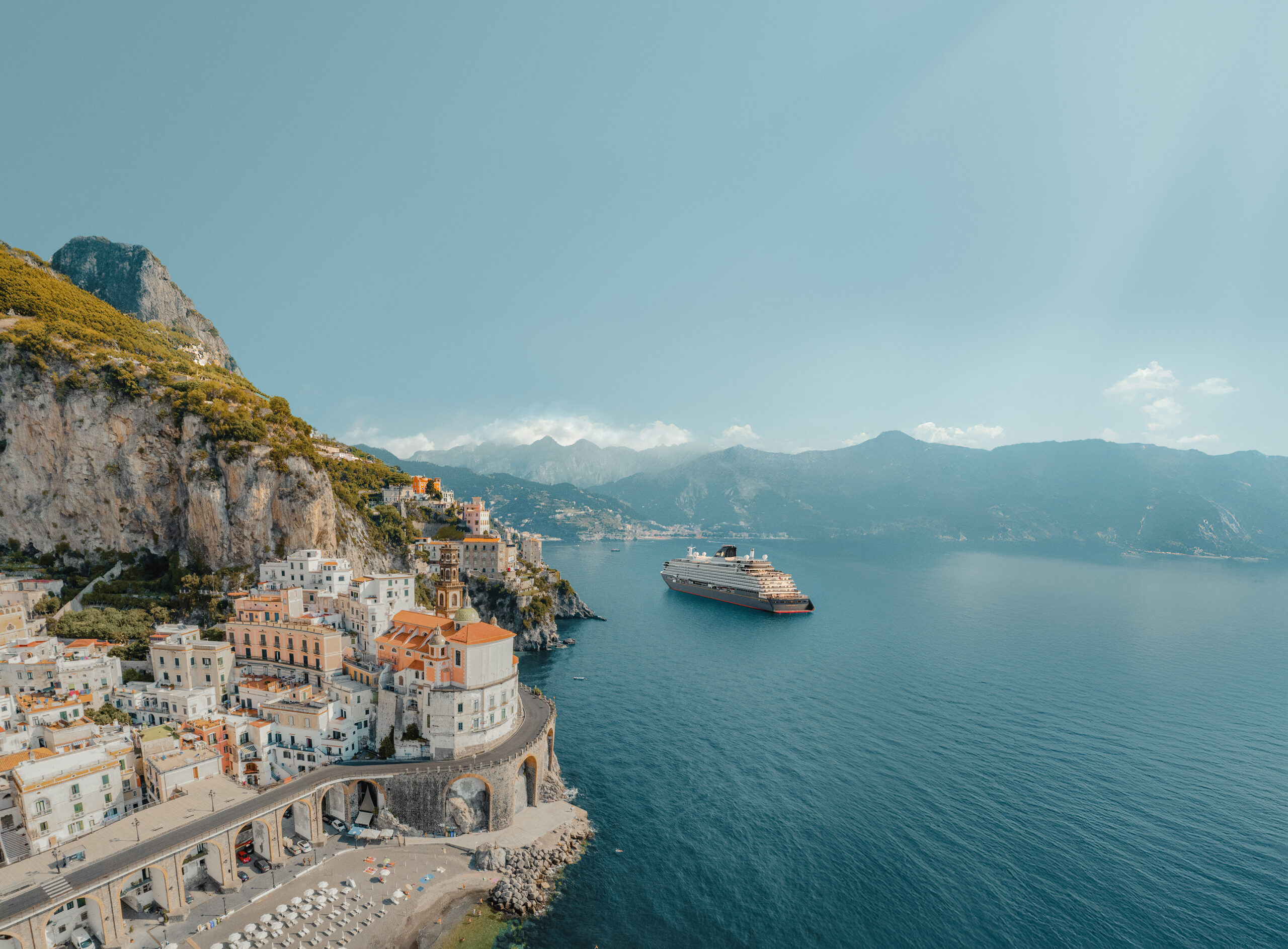
The lovely town of Sorrento, draped across rugged cliffs overlooking the Bay of Naples, has been charming visitors since the days of the Grand Tour. The Renaissance palaces and many craft shops make Sorrento an attractive destination in its own right, and it’s also a jumping off point for Capri, Pompeii and the Amalfi Coast.
One of the world’s great cities, Rome continues to dazzle and delight visitors with a potent mix of architectural marvels, continent-defining history and buzzing nightlife. The Colosseum, the Vatican and the Forum are among the big ticket items, with the crowds to match, though in truth you will find history around almost every corner.
The colourful facades along Portovenere’s UNESCO-listed harbourfront make this one of the most picturesque villages on the Ligurian coast, and it has often been described as the ‘sixth town’ of the Cinque Terre. Wandering the narrow alleyways is a delight, and it’s worth the climb to the impressive hilltop Castle Doria.
Nice enjoys a marvellous setting on one of the most glorious stretches of the Côte d’Azur, the sweeping Bay of Angels, so it’s no wonder that tourists have been flocking here since the 19th century.