From Reykjavik to New York · North America · 54 nights
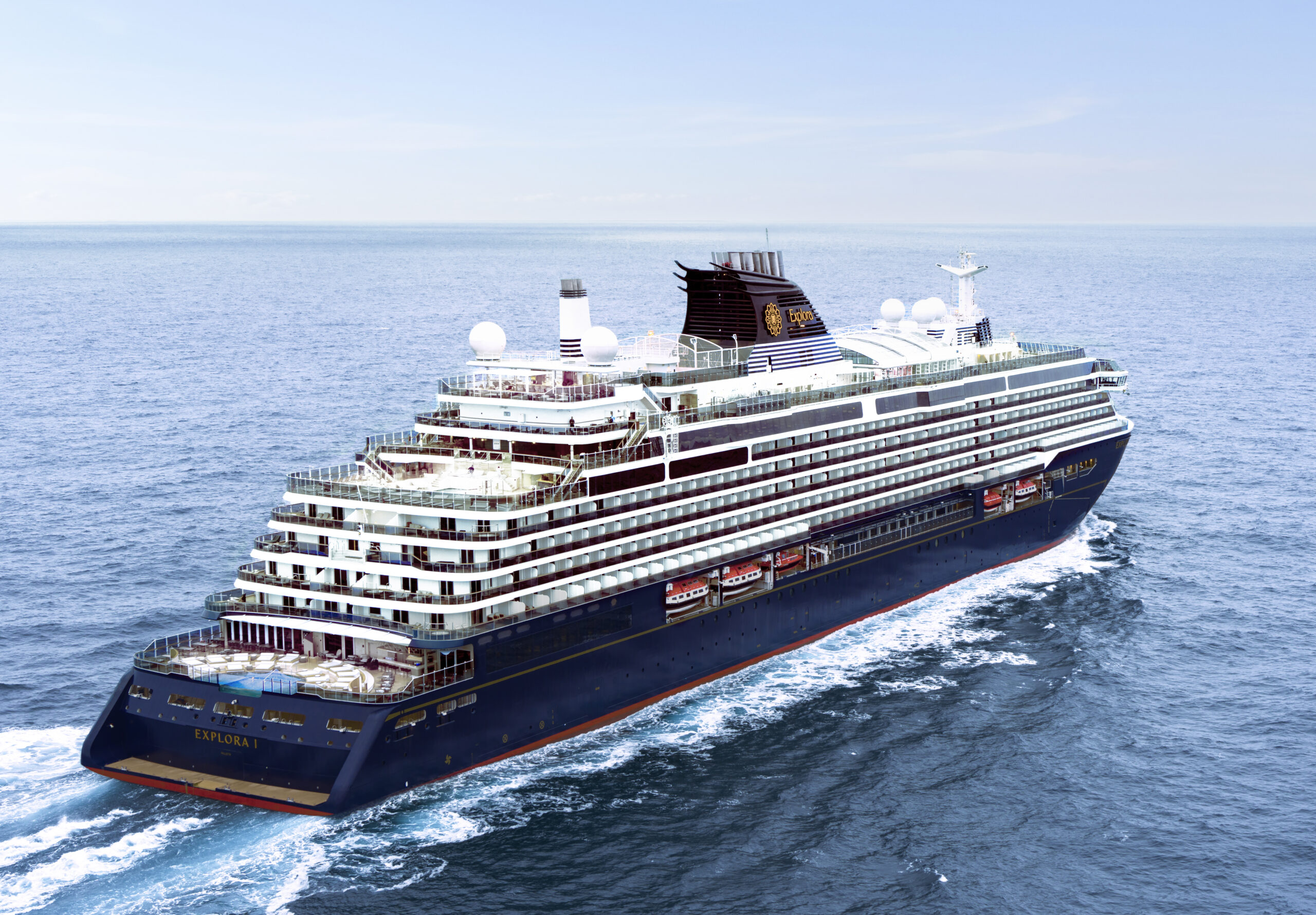
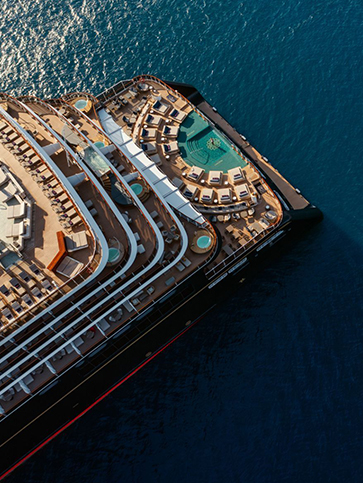
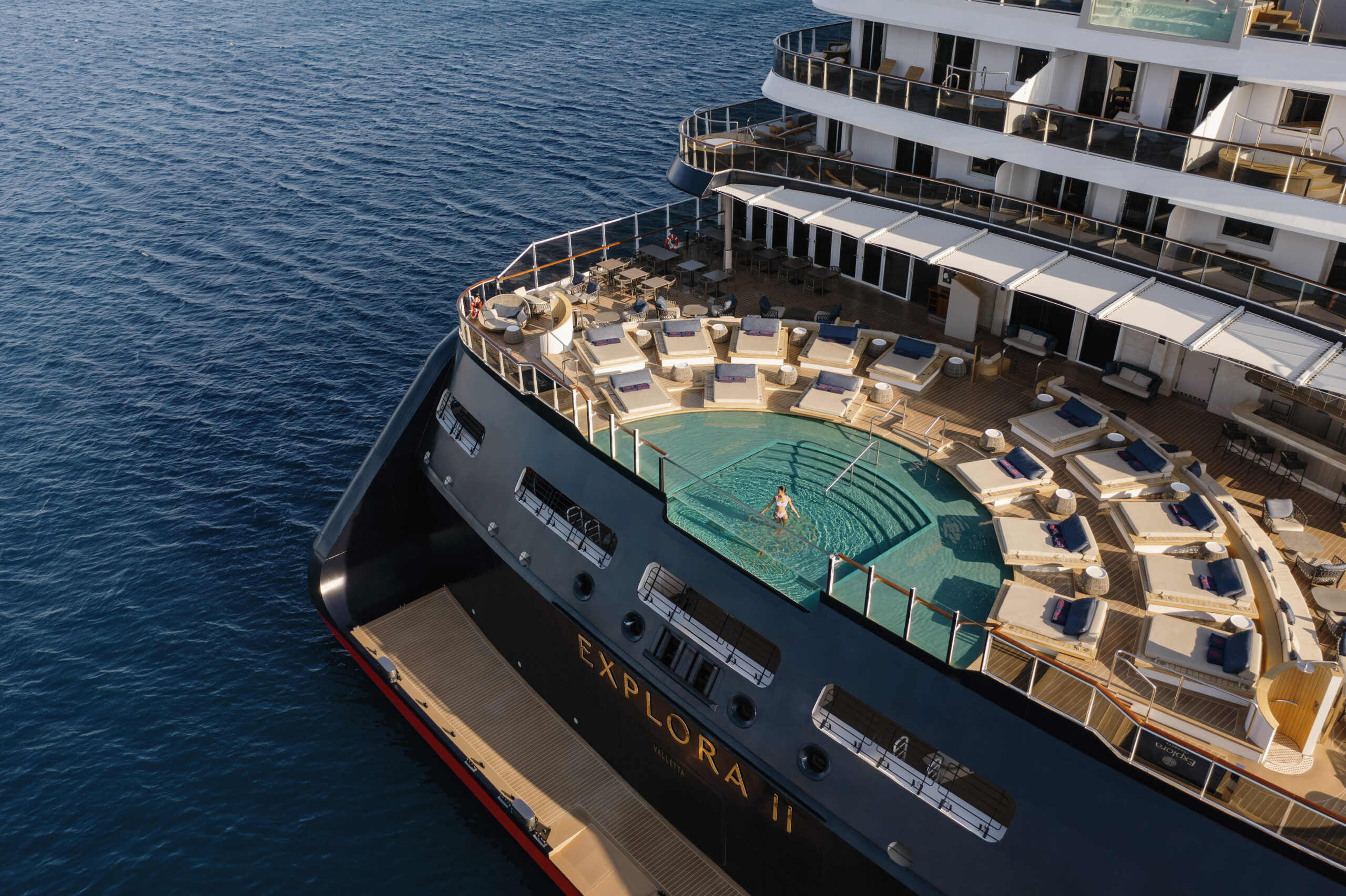
Designed to provide an unrivalled level of luxury yet immersive global exploration, Scenic Eclipse has it all.
Scenic have gone all out to create the most luxurious, most
technologically advanced and most exciting expedition ship ever
built. We couldn’t have been more excited about the advances that
this ship represented when she launched in 2019, offering
enhancements to already thrilling itineraries.
Capital of Iceland and gateway to this extraordinary volcanic island, modern Reykjavik is home to an impressive collection of interesting attractions and places of historic significance. Visit the impressive Hallgrímskirkja church, relax in a thermal pool, potter around the old harbour, and with 24 hour daylight in the summer months, you can play golf at midnight, or choose the perfect place to view the midnight sun such as the lighthouse at Grotta or on the waterfront by Sólfar - the Sun Voyager sculpture. If you're like us, you will find travelling out of Reykjavik by land or sea to be unforgettable.
The island of Flatey lives up to its name, flat and almost devoid of hills, its colourful cottages only inhabited during the summer months. The nutrient-rich waters along the coast support a healthy population of birds including Atlantic puffins, Arctic terns, eider ducks, red-necked phalaropes and snow buntings.
The little island of Vigur is a haven for seabirds during the summer months, when thousands of Atlantic puffins, Arctic terns and black guillemots gather here. The island is also home to a single family-owned sheep farm, a 200-year-old rowing boat and Iceland’s last surviving windmill, built in 1840.
This deep fjord cuts into the northern coast of Iceland, in a tranquil region known for its horse breeding; indeed, horses outnumber humans here! There are three islands in the fjord, including the steep-sided Drangey, home to large numbers of puffins, guillemots, auks and other seabirds.
The east coast settlement of Ittoqqortoormiit is one of the most remote in Greenland, a collection of brightly coloured wooden buildings that is home to around 450 people. The town is situated between the Northeast Greenland National Park and the dramatic Scoresbysund, the world’s longest fjord system.
The Nordfjord is one of Norway’s longest fjords, with more than 60 miles of towering mountains, gushing waterfalls and glittering glaciers. This part of Norway is a region of superlatives, home to both Europe’s deepest lake, Hornindalsvatnet, and mainland Europe’s largest glacier, the spectacular Jostedalsbreen.
The little fishing town of Grundarfjörður enjoys a picturesque setting on the Snæfellsnes Peninsula, surrounded by dramatic volcanic peaks and gushing waterfalls. The nearby Snæfellsjökull volcano, capped by a glacier, was made famous by Jules Verne in ‘Journey to the Centre of the Earth’.
Capital of Iceland and gateway to this extraordinary volcanic island, modern Reykjavík is home to an impressive collection of interesting attractions and places of historic significance. Visit the impressive Hallgrímskirkja church, relax in a thermal pool, potter around the old harbour, and enjoy 24 hour daylight in the summer months.
Ísafjörður is the largest town in Iceland’s wild Westfjords, dramatically located on a spit of sand hemmed in by mountains on three sides. The town itself is fairly low key, and the main attraction is exploring the surrounding landscapes, such as the spectacular Hornstrandir Peninsula.
The uninhabited island of Skjoldungen is situated on Greenland’s rugged east coast, between the Northern and Southern Skjoldungenfjord. Here you’ll find a starkly beautiful landscape of snow-capped mountains, steep valley sides and icebergs in crystalline shades of white and blue.
The spectacular Prince Christian Sound provides a protected passage for ships rounding the southern tip of Greenland, at times narrowing to just 1,500 feet across. Waterfalls cascade down the rugged mountain sides, and you can often spot whales and seals amongst the icebergs.
Greenland’s capital and largest town, Nuuk is positively cosmopolitan compared to the rest of this remote and isolated country. The setting amongst mountains and fjords is striking, and attractions include the Greenland National Museum and the picturesque Old Harbour.
Disko Bay is one of Greenland’s most spectacular sights, where calving glaciers send huge icebergs floating out across the water. These bergs can be several kilometres in length, and are sculpted into weird and wonderful shapes by the weather. Whatever you do, don’t forget your camera!
The spectacular Ilulissat ice fjord is a UNESCO World Heritage Site, and it's the source of the many icebergs that float out across Disko Bay. The town of Ilulissat itself is Greenland’s third largest settlement, and activities on offer here include dog sledding and whale watching.
Founded in 1941 as a US Air Force base, Kangerlussuaq is home to Greenland’s main airport and a place that most visitors to the country will pass through at some point. The town also offers easy access to the magnificent Greenland Ice Cap, and the surrounding countryside is a great place to see the Northern Lights.
The name Sisimiut means ‘the people living in a place where there are fox dens’, though these days the town is better known for being Greenland’s northernmost year-round ice-free port. Around 25 miles north of the Arctic Circle, it’s a common stop for ships making the journey north to Disko Bay.
The spectacular Ilulissat ice fjord is a UNESCO World Heritage Site, and it's the source of the many icebergs that float out across Disko Bay. The town of Ilulissat itself is Greenland’s third largest settlement, and activities on offer here include dog sledding and whale watching.
The Arctic city of Iqaluit is the capital of Nunavut, Canada’s northernmost territory. It’s a surprisingly cosmopolitan place given its isolation and polar climate, and is an important centre for contemporary Inuit culture; make sure you check out the fascinating Nunatta Sunakkutaangit Museum.
Situated on the shores of Hudson Bay, Churchill is known as the ‘polar bear capital of the world’, though peak viewing season is in October and November when the bay begins to freeze, making it unsuitable for cruise ships. A summer visit brings its own remarkable wildlife spectacle, as thousands of beluga whales congregate here between June and September.
St Anthony sits right at the tip of Newfoundland’s Great Northern Peninsula, first settled by French and Basque fishermen in the 16th century. Off the coast you can see whales and icebergs that have drifted here from Greenland, while nearby attractions on land include the fascinating Norse site of L’Anse aux Meadows.
Newfoundland’s capital is a laid back city with an arty vibe, situated on a dramatic harbour. The hilly streets lined with colourful row houses make for a great photo opportunity, and the downtown area is full of history, as well as some excellent pubs and a thriving folk music scene.
The natural harbour at Halifax is the second largest in the world after Sydney, and this charming city has a proud maritime heritage. Take a stroll along the historic waterfront, delve into the vibrant arts scene or explore the beautiful coastal scenery of Nova Scotia.
The Big Apple is one of the world’s most iconic, cosmopolitan cities, a place that everyone should visit at least once in their lifetime. From the lofty heights of the Manhattan skyscrapers to the hipster hangouts of resurgent Brooklyn, New York City buzzes with energy and excitement, and there’s never been a better time to visit.