From Sydney to Cape Town · Australia & New Zealand · 69 nights
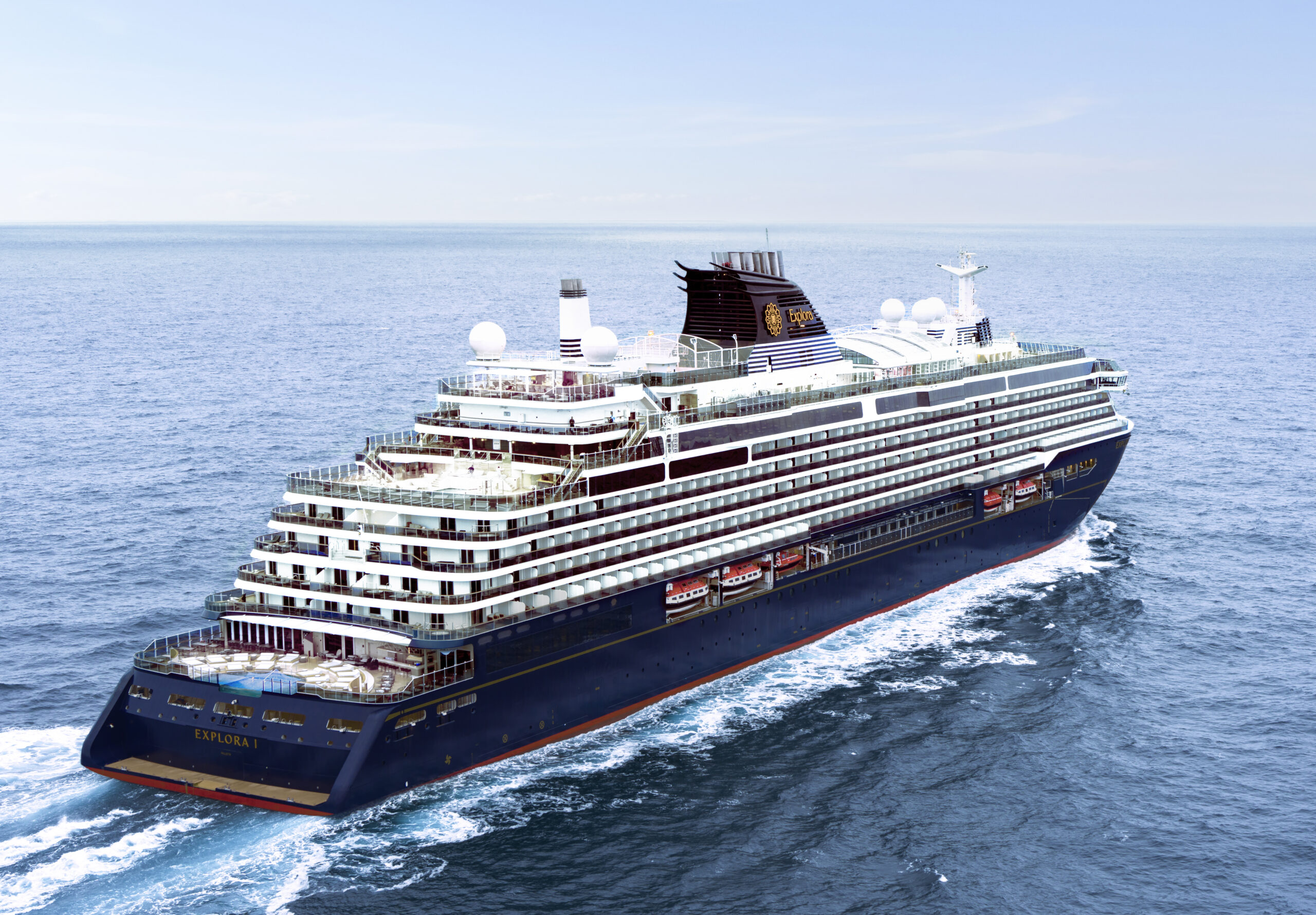
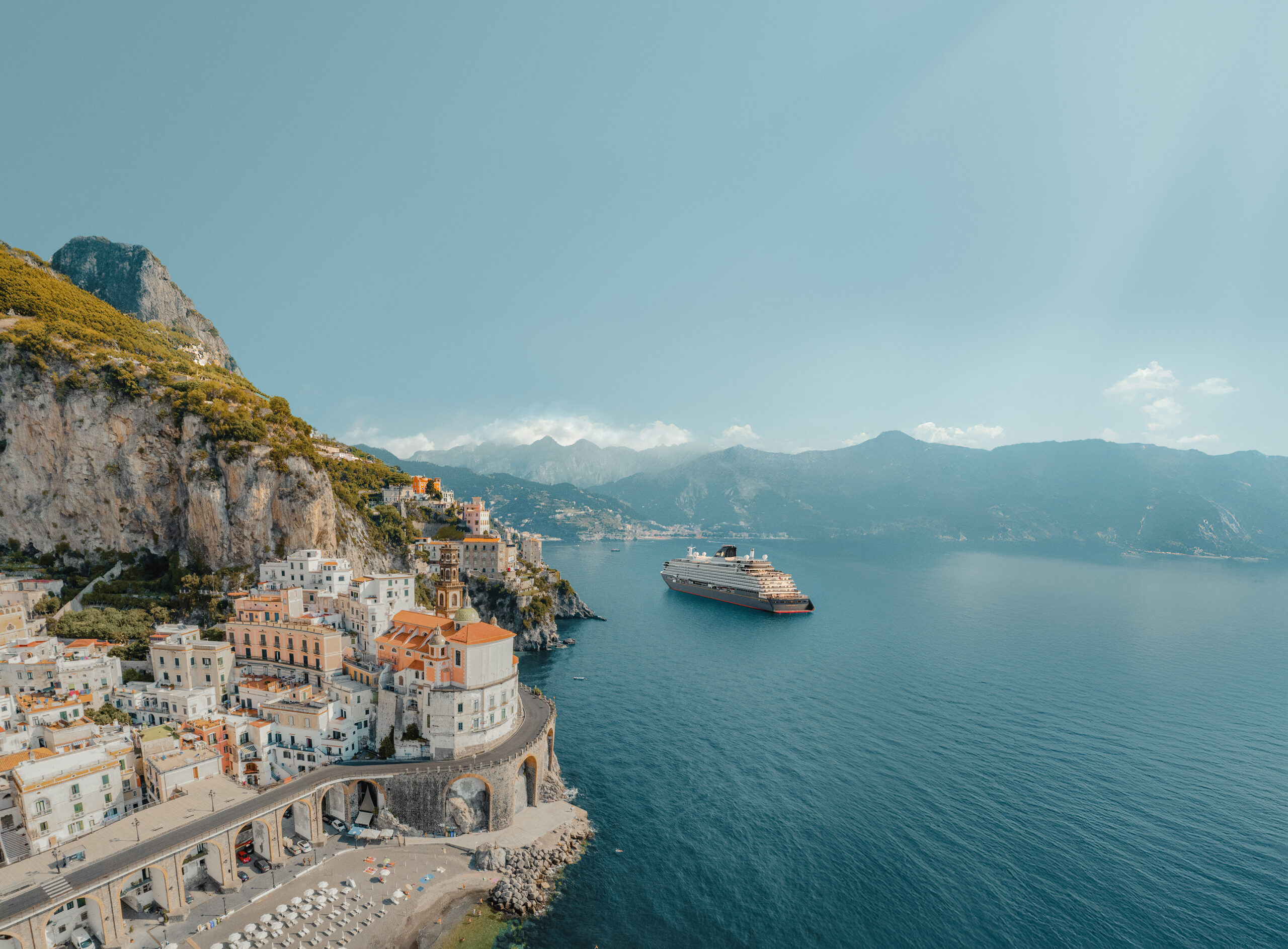
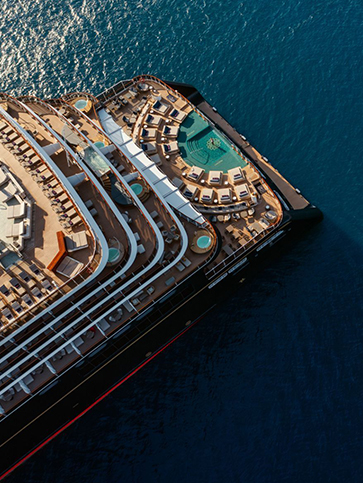
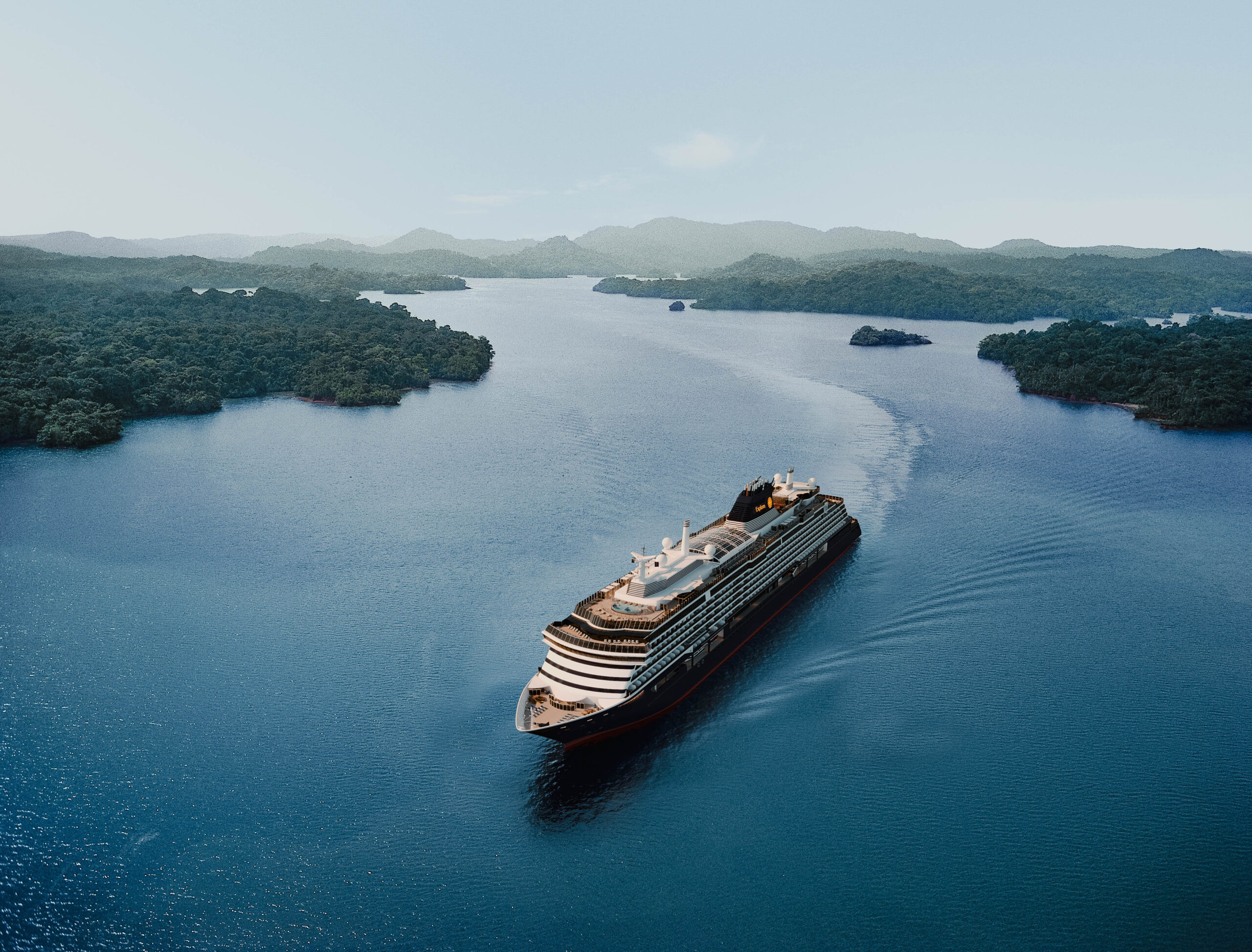
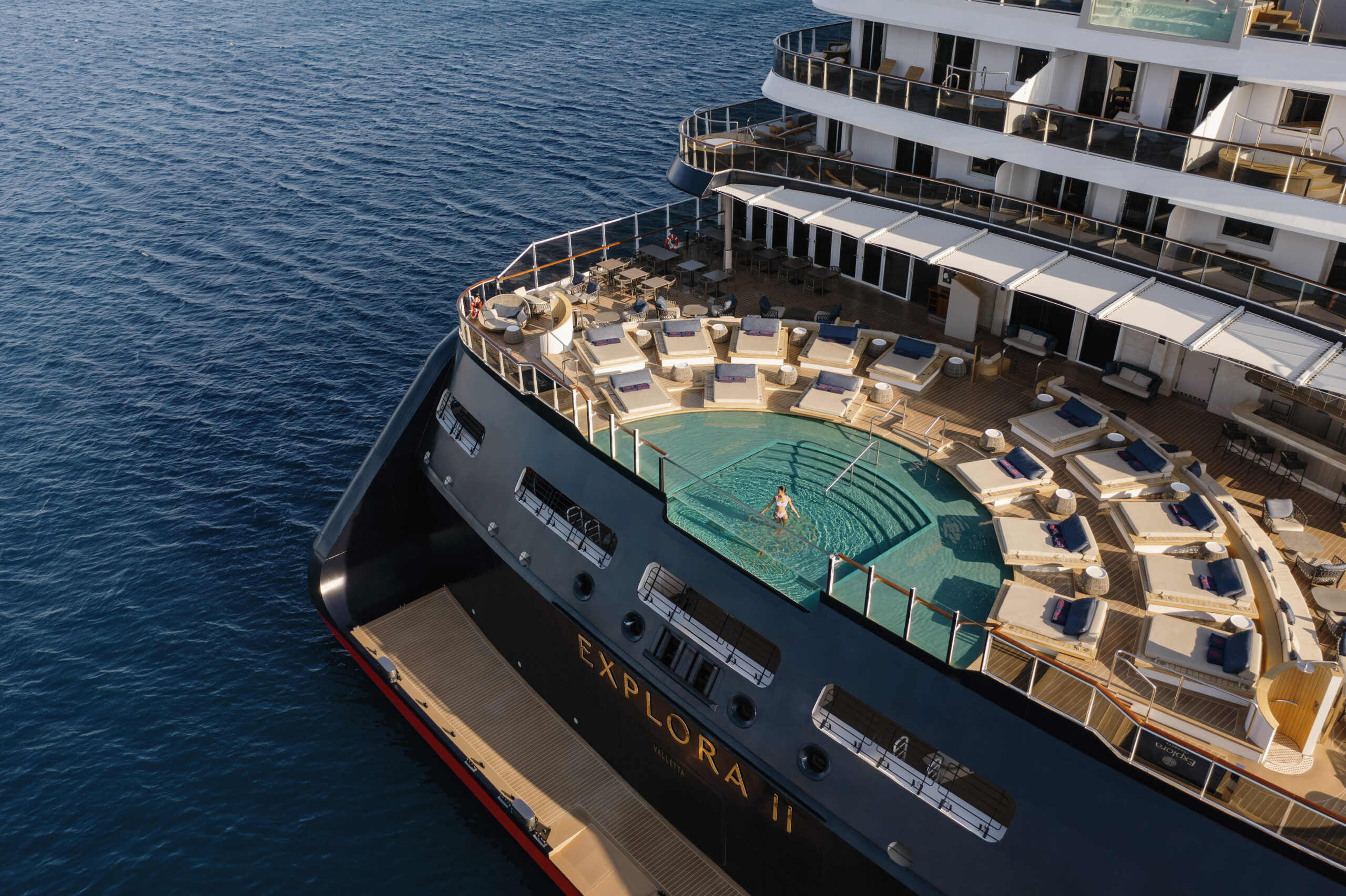
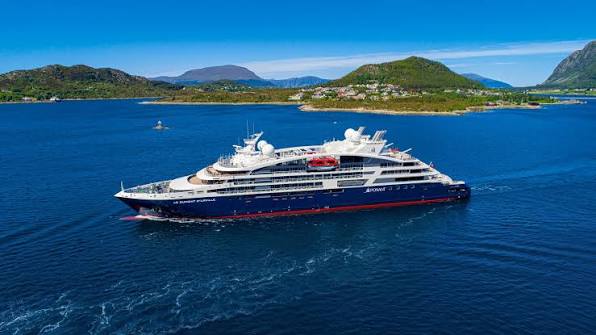
When luxury goes exploring, you are on a Regent ship. The first-ever all suite, all veranda ship, Seven Seas Mariner is the perfect balance of wonderfully luxurious yet delightfully laid-back.
Just 700 guests enjoy the perfect balance of space and intimacy.
With plenty of comfort and great value for money, the Mariner
offers everything you could wish for: spacious accommodation, a
relaxed and unpretentious style and loads of good dining choices.
The most all-inclusive of all luxury lines.
One of our favourite cities in the world, we love pretty much everything about Sydney. Offering outdoor living at its best, the city is known for the excellent beaches but offers so much more, including a thriving and varied food scene inspired by Asian and European flavours. Walk through the Royal Botanic Gardens and admire the amazing views of the Harbour Bridge and Opera House from Mrs Macquarie's Chair, enjoy the cafés and bars in The Rocks district, walk across the top of the Harbour Bridge (or enjoy the easier option of a view from the top of one of the stone towers) or just relax on the beach.
Tasmania’s capital has been revitalised in recent years with a slew of new museums, restaurant openings and festivals. Hobart’s highlights include the provocative Museum of Old and New Art (MONA), the lively waterfront and a thriving foodie and craft beer scene.
Visitors to Dunedin are amazed by the extraordinary Victorian and Edwardian buildings dating back to the gold rush, which bring to mind the city's Scottish roots - not least when the sound of the pipes echoes through the streets.
Situated halfway between Christchurch and Dunedin on the east coast of the South Island, the pleasant town of Timaru has a well-preserved Edwardian centre, some interesting museums and galleries, a good range of shops and a nice coastal park along Caroline Bay.
A garden city where punts glide down the Avon River, you’d be forgiven for thinking you were still in the UK when arriving into Christchurch, New Zealand’s most English of cities. Lyttelton is just over 7 miles away; originally established as a landing point for Christchurch-bound seafarers, it serves the same purpose for visitors today.
The pleasant little town of Picton, situated on a sheltered bay at the north eastern tip of the South Island, is the arrival point for ferries arriving from Wellington, and serves as the gateway to the stunning flooded river valleys of the Marlborough Sounds.
New Zealand’s cosmopolitan capital is arguably the country’s most likeable city. Hemmed in by forest-clad hills, Wellington is compact and easily walkable, with a lovely waterfront area where you’ll find the must-see Te Papa national museum. The city is also renowned for its strong winds, so make sure you hold on to your hat!
When Napier was destroyed by an earthquake in 1931 the city was rebuilt entirely in the Art Deco style, making this a fascinating architectural time capsule. It’s a lovely, sunny seaside city, and a visit to the surrounding Hawke’s Bay wine region makes for an enjoyable day trip.
Gisborne is the first city on earth to greet the sun each morning, and it’s also a popular destination for foodies and wine lovers, known as the unofficial ‘Chardonnay capital of New Zealand’. This is a great place to enjoy some beach time, learn about Maori culture or grab a surfboard and catch some waves.
Tauranga is the largest city on the Bay of Plenty, and is said to be one of the sunniest spots in the whole of New Zealand. There’s a real boom town feel here, with new restaurants, bars and hotels opening all the time, and neighbouring Mount Maunganui is a popular beach destination.
Auckland offers a buzzing waterfront and a vibrant arts scene, and provides a fascinating introduction to New Zealand’s proud cultural heritage. The centre is home to excellent shopping and a number of fantastic restaurants, and to the west is the city's oldest wine region.
Brisbane has plenty of shopping malls and, with great weather, a fantastic café culture. Amongst the steel and glass skyscrapers are some interesting historic buildings, and with plenty surrounding the city there’s enough on offer to make for an interesting short stay.
The lively town of Airlie Beach is backpacker central, and serves as a transport hub for the many offshore attractions of the east coast. From here you can take a trip out to snorkel on the Great Barrier Reef, or visit the stunning tropical beaches of the nearby Whitsunday Islands.
Cairns is a buzzing tourist hub, gateway to the Great Barrier Reef and the Daintree Rainforest. A snorkelling trip out to the reef is the most obvious excursion to take here, but other options include riding the Skyrail cableway over the rainforest canopy or swimming in the croc-free saltwater lagoon.
Cooktown is a small place with a big history, named after Captain James Cook, who beached his ship the ‘Endeavour’ here in 1770 after it was damaged on a nearby reef. It’s a remote and sleepy town, and the seafront statue of Captain Cook is the main sight worth seeing.
More of a large town than a city, Darwin is less about what’s contained within the city limits and more about the huge expanse of wild landscape that’s outside it. Closer to Jakarta than Sydney, the city really does feel remote in its tropical perch.
Komodo Island is situated within an area of spectacular natural beauty, home to the famous Komodo dragon. The stunning beaches are tinged with pink thanks to the high concentration of red coral just offshore, and the waters draw intrepid divers from all over the world.
Quieter and less developed than neighbouring Bali, the island of Lombok is an appealing alternative. To the north, the landscape is dominated by the huge crater of Gunung Rinjani, while the south and west coasts are home to some stunning beaches.
The beaches, spectacular volcanic scenery and lush green rice terraces lend Bali a natural beauty that seems to dovetail perfectly with the island’s distinct Hindu culture, which adorns the landscape with stunning temples.
Celukan Bawang is the main port in northern Bali, with quite a different feel to the more touristy parts of the island. Here you can see the magnificent Bugis schooners of Sulawesi, and nearby sights include the former Balinese capital of Singaraja, the wildlife sanctuary of West Bali National Park and the black sand Lovina Beach.
Surabaya, situated on the northeast coast of Java, is Indonesia’s second largest city and the place where the country’s struggle for independence began. The warren-like Arab Quarter is worth exploring, though many visitors use the city as a base for visiting nearby Mount Bromo.
The sweltering city of Semarang, on the north coast of Java, is an intriguing mish-mash of Chinese, Islamic and Dutch colonial influences. We recommend escaping the heat with a trip up into the mountains to visit a coffee plantation, or joining an excursion to the extraordinary temple complex at Borobudur.
Indonesia’s capital is noisy, chaotic and choked with some of the worst traffic in Asia, a sprawling megacity that’s home to over 10 million people. If you can get past all of that then Jakarta has plenty to offer, with the country’s best museums and restaurants, an atmospheric old harbour and a rich mix of cultures from all over the Indonesian archipelago.
Singapore’s heritage as an important trading post means that there is a real cultural mix, with four official languages: English, Chinese, Malay and Tamil. Step away from the gleaming towers and you’ll find yourself transported into another world amongst the intoxicating streets of Chinatown and Little India.
Malaysia’s capital is a hot and humid cultural melting pot, defined by its distinctive Malay, Chinese and Indian communities. The dazzling Petronas Towers are KL’s most recognisable landmark, while at street level you’ll find temples and mosques, elegant colonial buildings and bustling markets.
The Malaysian island of Penang is a fascinating blend of East and West, far more than just a beach destination. Lovely Georgetown, a UNESCO World Heritage Site, is home to British colonial architecture, crumbling Chinese shophouses and incense-perfumed temples.
As well as a plethora of luxury resorts, Phuket has a charming old town replete with pretty Sino-Portuguese architecture, and acts as a jump-off point for exploring nearby islands and coastline. Koh Phing Pan, better known as James Bond Island, and Ko Phi Phi are breathtakingly beautiful, as are the limestone formations that surround Krabi.
Colombo may be a little chaotic, but there is plenty to recommend Sri Lanka's colourful capital. Faded colonial architecture and beautiful Buddhist temples hint at the city's considerable history, while the excellent restaurants, lively bars and characterful streets provide the perfect introduction to contemporary Sri Lankan culture.
The low-lying reef-protected atolls of the Maldives, set in the crystal clear turquoise waters of the Indian Ocean, are the perfect place to relax and unwind. A great choice for a honeymoon or romantic getaway, the Maldives also appeal to active travellers who love watersports, snorkelling and diving.
Mahé is the largest island in the Seychelles, home to the diminutive capital, Victoria, and 90% of the country’s population. It’s the quintessential tropical paradise, a sun-drenched landscape of granite mountains, lush jungle and heavenly white sand beaches.
Antsiranana, sometimes known by its old name of Diego Suarez, sits at the northern tip of Madagascar on a beautiful natural bay. It’s a pleasant city with pretty colonial architecture, and worthwhile day trips include the lush Montagne d’Ambre National Park and the red laterite rock formations of Tsingy Rouge Park.
The lovely island of Mauritius in the Indian Ocean is striking in the contrasts between its mountainous backdrop and beautiful white sand beaches. The capital Port Louis, on the northwest coast, dates back to 1735 and is a busy administrative centre, packed with office workers during the day.
The Indian Ocean island of Réunion is home to an intoxicating cultural mix of French, African and Asian influences. The lush landscape of spectacular lakes and rugged mountains has been shaped by volcanic activity, and the smouldering Piton de la Fournaise is one of the world’s most active volcanoes.
The island of Nosy Be, just off the northeast coast of Madagascar, remains a laid back locale in spite of its popularity as a tourist destination. The beaches are the main attraction for most visitors, along with the colourful chameleons and tiny frogs hiding in the Lokobe wildlife reserve.
Durban is a real melting pot; not only does the city feel more authentically African than Cape Town, it’s also home to a large Indian community that lends the city a distinctly Asian flavour. The lovely waterfront promenade was revamped for the 2010 World Cup, and the beach is a popular destination for domestic tourists.
Port Elizabeth is home to some nice beaches and a handful of interesting buildings, but it is perhaps not the most exciting city on the Sunshine Coast. There are plenty of things to see and do in the surrounding area, however, and we highly recommend a day trip to the fantastic Addo Elephant Park.
The sunny city of Mossel Bay is on South Africa’s famous Garden Route, situated roughly halfway between Cape Town and Port Elizabeth. The city has a pleasant seafront promenade and there are some lovely beaches nearby, along with whale and dolphin watching hotspots and game reserves.
Cape Town is a magical, multicultural city where Africa meets a European-style cosmopolitan atmosphere, creating a vibrant melting pot of cultures and religions. With flat-topped Table Mountain soaring above the city, beautiful natural landscapes, and gardens within the city, you never feel far from nature here.