From Barcelona to Ijmuiden · Northern Europe · 101 nights
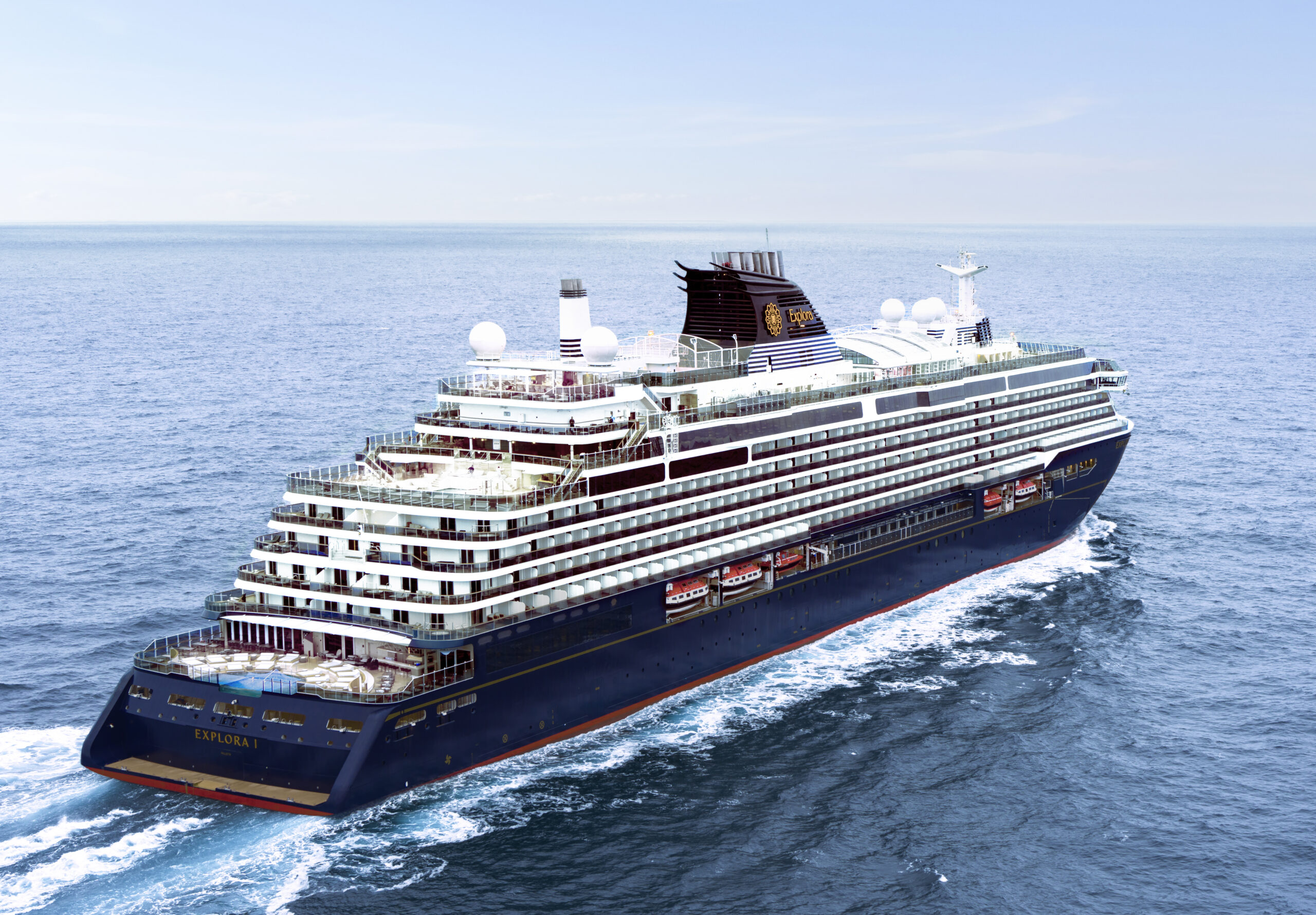
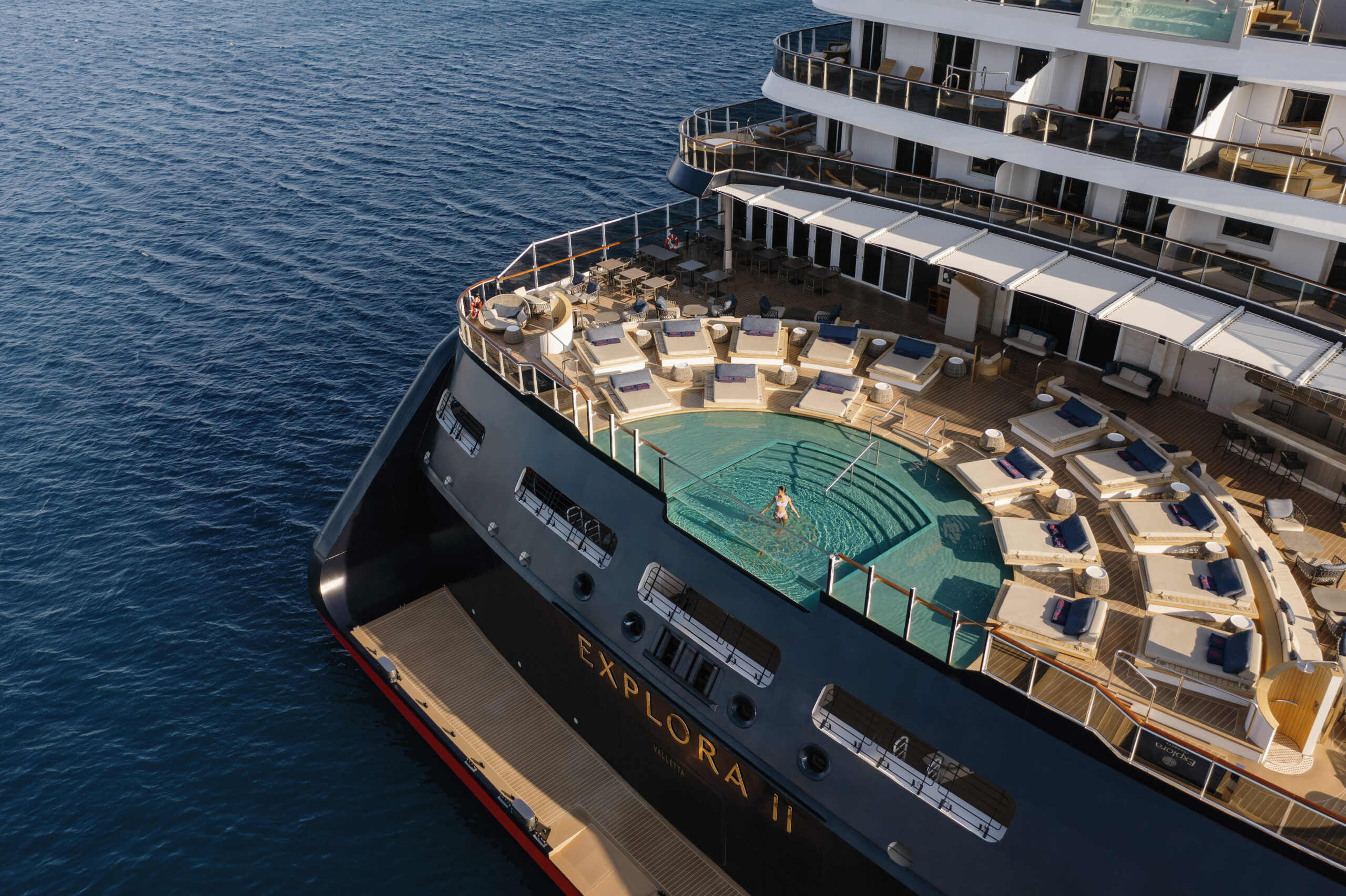
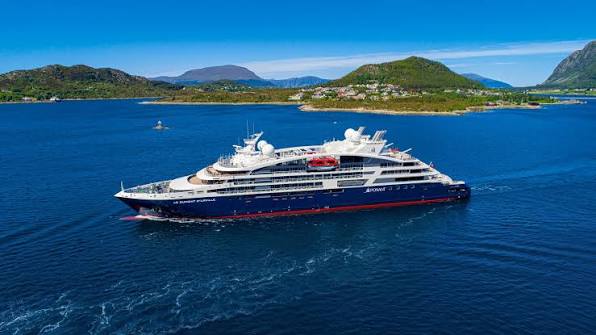
When luxury goes exploring, you are on a Regent ship. The first-ever all suite, all veranda ship, Seven Seas Mariner is the perfect balance of wonderfully luxurious yet delightfully laid-back.
Just 700 guests enjoy the perfect balance of space and intimacy.
With plenty of comfort and great value for money, the Mariner
offers everything you could wish for: spacious accommodation, a
relaxed and unpretentious style and loads of good dining choices.
The most all-inclusive of all luxury lines.
Barcelona, the cosmopolitan capital of Catalonia, is one of our favourite ports of call. From the warren-like medieval streets of the Barri Gòtic to the fantastical modernist architecture of Antoni Gaudí, from the dizzy heights of Mount Tibidabo to the golden sands of Barceloneta, there's never a dull moment in this most beguiling of cities. Take a stroll along the Ramblas, soak up the wonderful art of Picasso and Miró, or experience the electrifying atmosphere of a match at the Camp Nou. Barcelona is truly a city with something for everyone.
The bustling fishing village of Palamós is one of the loveliest spots on the Costa Brava, surrounded by beautiful beaches and rugged coves. You can also use your stop here as a jumping off point for exploring nearby medieval villages, the historic city of Girona or the fantastic Salvador Dalí museum in Figueres.
The down-to-earth port of Sète, sandwiched between the Mediterranean and the Etang de Thau lagoon, is a working town rather than a tourist hotspot, though the canals and colourful buildings have a certain charm. It’s also a great spot for a seafood lunch, and a visit to the nearby citadel of Carcassonne is a popular excursion.
Spain’s third city is a dazzling destination that combines historic architecture, cutting edge design and an inviting stretch of beach. Don’t miss the futuristic City of Arts and Sciences, designed by local architect Santiago Calatrava, or the old riverbed, now a delightful park.
Much more than just a gateway to the Costa Blanca, Alicante is an attractive and atmospheric city with plenty to recommend it. Founded by the Romans, then ruled by the Arabs for 500 years, the city has a rich history and a lovely old town, along with superb beaches and an excellent modern art museum.
Situated on the sunniest stretch of the Andalusian coast, Almeria is little visited by tourists, but the narrow streets of the old town contain some intriguing Mudejar-style architecture. The surrounding landscape is almost lunar in appearance, and has served as the backdrop for many films, from spaghetti westerns to 'Lawrence of Arabia'.
Sovereignty of ‘The Rock’ has been a thorny issue ever since Gibraltar was ceded to Britain in 1713, though on the ground it’s clear where most locals’ sympathies lie. Gibraltar is often described as ‘more British than Britain’, a curious enclave of red postboxes, double decker buses and chip shops.
The crumbling, sun-baked seafront city of Cádiz is said to be the oldest continuously inhabited settlement in the western world, founded by the Phoenicians around 1100 BC. Although the city lacks any obvious landmarks, it’s rich in atmosphere, and plays host to one of Spain’s most colourful carnivals.
Spread across steep hillsides that overlook the Rio Tejo, Lisbon’s colourful cityscape includes Gothic cathedrals, majestic monasteries and quaint museums. But for many the best times will be had wandering the narrow lanes of Lisbon’s lovely backstreets, with their great local food, wine and music.
Blessed with a dramatic setting on the steep banks of the river Douro, Portugal’s second city is currently enjoying something of a renaissance, and is best known as the home of the country’s most famous export, port wine.
Vigo is the biggest city in Galicia, Spain’s verdant northwest corner. The city itself is a busy fishing port with limited tourist appeal, but it’s a great base for striking out into the countryside, visiting the lovely Cíes Islands just offshore or joining the pilgrims in Santiago de Compostela, 60 miles to the north.
La Coruña is the largest city in Galicia, a beautiful region of lush green countryside and wild, windswept beaches. Historical sights of note include the Tower of Hercules, a UNESCO-listed Roman lighthouse, and the city is also home to some great seafood restaurants.
It’s not so long ago that Bilbao was a grim and unappealing place, scarred by heavy industry, but the Basque Country’s biggest city has reinvented itself as a cultural hub since the opening of the shimmering Guggenheim Museum in 1997.
Bordeaux sits at the centre of the world's most famous wine region, and is home to a beguiling blend of beautiful buildings, sophisticated gastronomy and high culture. It's a marvellous place to spend some time, whether it's a day sampling wines, an evening at the opera or a night on the tiles.
La Rochelle is an attractive seaside town of elegant limestone facades and agreeable weather, known as La Ville Blanche (the ‘White City’). The heart of the city is the atmospheric Vieux Port, guarded by three imposing towers which offer excellent views of the harbour and nearby islands.
This pretty little town sits at the mouth of the Fowey river on the south coast of Cornwall, and was once home to the writer Daphne du Maurier. Explore the historic streets, take the short ferry ride across to the old fishing village of Polruan or visit the fantastic Eden Project, just a 20-minute drive away.
Saint-Malo grew rich off the back of maritime trade and its plundering corsairs, a seafaring heritage that is still proudly on display today. It’s great fun getting lost in the streets of the walled old town, and the famous medieval abbey of Mont Saint-Michel is an easy day-trip.
Situated just 14 miles off the coast of Normandy, the sunny island of Jersey blends British seaside charm with a discernible French influence. The bustling capital, St Helier, is the perfect base for exploring the island’s beautiful beaches, wartime fortifications and superb seafood restaurants.
Le Havre was more or less flattened during World War II, which makes the city’s UNESCO World Heritage status all the more remarkable. Rebuilt by the Belgian architect Auguste Perret, Le Havre is now characterised by a striking modernist style; don’t miss the towering, concrete Église St-Joseph.
Southampton is the UK’s leading port. Bustling modern cruise terminals, as well as wharfs and commercial harbours, line the waterfront, whilst the city itself is a fascinating mix of ancient and modern, with a picturesque old town, the original city walls still standing, and super-modern shopping centres and office complexes
Waterford is Ireland’s oldest city, over 1,000 years old, with a fascinating Viking and Norman heritage that is still discernible in the narrow streets of the ‘Viking Triangle’. The city is also famous as the home of Waterford crystal, and the glass-making industry here dates back to the late 18th century.
The city of Dublin has something for everyone with great shopping, beautiful Georgian architecture, lovely parks, galleries and museums. Everywhere you go you will be bowled away by the jovial Irish welcome. Don’t miss the chance to sample a local pint of Guinness.
Disagreements over the correct name for Northern Ireland’s second city date back to 1613, and are unlikely to be resolved any time soon, so let’s focus instead on what the city has to offer. Highlights include the 17th century city walls, a vibrant live music scene and a city centre rejuvenated by Derry’s stint as UK Capital of Culture in 2013. (Greencastle is actually in the Republic, but it's a short drive south to Derry.)
Qaqortoq is southern Greenland’s largest town, though with just 3,000 inhabitants it’s hardly crowded. A trip to the nearby hot springs at Uunartoq is recommended; relaxing in the 38°C water and watching icebergs drift across the bay is quite something.
Greenland’s capital and largest town, Nuuk is positively cosmopolitan compared to the rest of this remote and isolated country. The setting amongst mountains and fjords is striking, and attractions include the Greenland National Museum and the picturesque Old Harbour.
Paamiut is known for its warm community spirit and remarkable wildlife, home to the country’s largest population of white-tailed eagles. Here, ancient trails wind through dramatic landscapes dotted with colourful historic houses that recall a past shaped by whaling and fur trading, while nearby waters offer chances to spot whales.
Capital of Iceland and gateway to this extraordinary volcanic island, modern Reykjavík is home to an impressive collection of interesting attractions and places of historic significance. Visit the impressive Hallgrímskirkja church, relax in a thermal pool, potter around the old harbour, and enjoy 24 hour daylight in the summer months.
The little fishing town of Grundarfjörður enjoys a picturesque setting on the Snæfellsnes Peninsula, surrounded by dramatic volcanic peaks and gushing waterfalls. The nearby Snæfellsjökull volcano, capped by a glacier, was made famous by Jules Verne in ‘Journey to the Centre of the Earth’.
Ísafjörður is the largest town in Iceland’s wild Westfjords, dramatically located on a spit of sand hemmed in by mountains on three sides. The town itself is fairly low key, and the main attraction is exploring the surrounding landscapes, such as the spectacular Hornstrandir Peninsula.
Akureyri is Iceland’s second city, though with just 18,000 inhabitants it’s really more of a small town. Situated on the north coast at the head of Iceland’s largest fjord, it’s a cute and quirky place that also serves as a base from which to explore the bubbling mud pools and lunar landscapes around Lake Mývatn.
Seyðisfjörður is one of the highlights of Iceland’s Eastfjords, a cute collection of colourful houses at the head of a dramatic fjord. The backdrop of snowy mountains and cascading waterfalls makes this one of the most picturesque ports in Iceland, and the town is surprisingly cosmopolitan.
Lerwick is the only town of any size in the Shetland islands, and originally grew up around the herring trade. Highlights include the charming 18th century architecture along the waterfront and the informative Shetland Museum, which provides an excellent introduction to the history and culture of the islands.
Invergordon’s deep natural harbour makes it a popular jumping off point for the Scottish Highlands, and most cruise ship visitors will head inland on excursions to Loch Ness, Culloden battlefield or the nearby city of Inverness, capital of the Highlands.
Cosmopolitan Edinburgh, Scotland’s lovely capital, is located in spectacular countryside, always visible from the city centre. Striking architecture, lots to see and do, and great food mean that your time here will be very busy. And if your visit coincides with the Festival, you have a treat in store.
Southampton is the UK’s leading port. Bustling modern cruise terminals, as well as wharfs and commercial harbours, line the waterfront, whilst the city itself is a fascinating mix of ancient and modern, with a picturesque old town, the original city walls still standing, and super-modern shopping centres and office complexes
Stavanger originally grew rich from its fishing industry, though these days it’s Norway’s oil boom that is powering the city’s economic growth. In spite of this modern gold rush the historic centre of Stavanger retains its charm, and the spectacular Lysefjord is within easy reach of the city.
Beautiful Bergen, Norway’s former capital, is a perfect city to explore on foot. Bryggen – the old Hanseatic wharf, and a UNESCO World Heritage site – still has the old harbour timber buildings, whilst other attractions include the funicular up Mount Floyen and the busy fish market.
When Ålesund was destroyed by fire in 1904, the German Kaiser Wilhelm II agreed to foot the bill to rebuild it. The result was the stunning Art Nouveau architecture that you see today, which blends elements of the German 'Jugendstil' with Viking flourishes.
Trondheim’s wooden buildings look much as they would have done in the Middle Ages, rebuilt in the same style and layout throughout history. Here also Norway's national sanctuary, Nidaros Cathedral, was built over the grave of St. Olav, Norway's patron saint, with parts dating back to the 12th century.
The little town of Måløy is a major fishing port, on the sheltered eastern side of Vågsøy island. Nearby sights include the Kannesteinen rock, sculpted by the sea into a bizarre mushroom-like shape, while further afield is the Jostedalsbreen National Park, home to continental Europe’s largest glacier.
The Hardangerfjord region is rich in natural beauty, and is sometimes known as ‘Norway’s orchard’ on account of the many fruit farms growing apples, cherries, pears and plums. There are some fantastic hiking trails in the region, along with sights including the famous Trolltunga rock.
You might not expect to find a beach resort in Norway, but the sunny city of Kristiansand is where Norwegians go for a spot of fun by the seaside. There are plenty of family-friendly attractions, including a zoo, and it’s also a good base for exploring the pretty fishing villages of the south coast.
The intriguing city of Oslo, Norway’s capital, has so much to offer, from the open air Norwegian Folk Museum to the amazing Vigeland sculpture park, and from the Holmenkollen Ski Museum to the Munch Museum’s collection of memorable paintings. History, art and culture are what defines this lovely city.
Situated at the very northern tip of Jutland, Skagen is famed for its wonderful light and beautiful coastal scenery, which attracted many artists during the 19th century. Today it’s a popular destination for well-to-do Danes, drawn here by the beaches, charming architecture and spectacular sunsets.
The town of Lysekil is situated at the mouth of the Gullmarsfjord on the west coast of Sweden, on a coastline characterised by red granite cliffs and scattered islands. Highlights include the excellent Havets Hus aquarium and the charming streets of the compact Old Town, the Gamlestan
Wonderful Copenhagen is the perfect city to explore on foot, by bicycle or by water. Visit the bustling wharf at Nyhavn, enjoy the palaces, galleries and museums, wander through the amazing Tivoli Gardens, and if you have time, make the most of Copenhagen’s gastronomic revolution.
The old Hanseatic port of Rostock was heavily damaged in the Second World War, though attractive enclaves of historic architecture remain. The little village of Warnemünde, a suburb of Rostock, is home to one of the most appealing beaches on the Baltic coast. An excursion inland to Berlin is a popular option, though it's around 150 miles each way.
The Baltic port of Gdansk occupies an important place in 20th century history; the first shots of World War II were fired at the Westerplatte naval base, and it was amongst the shipyards of Gdansk that the Solidarity movement was born in the 1980s.
Klaipeda is Lithuania’s only major seaport, and served for a time as the capital of Prussia, when it was known as Memel. There is still a noticeable Germanic flavour to the architecture of the old town, and it’s only a short distance from both the spectacular dunes of the Curonian Spit and the lovely seaside town of Palanga.
Liepaja, Latvia’s third largest city, was a key naval base during both the Tsarist and Soviet eras, so the beautiful beach comes as something of a surprise. History buffs will enjoy exploring the old Karosta military district, while the city centre is home to some lovely art nouveau buildings and the impressive Holy Trinity Cathedral.
The buzzing city of Stockholm is the capital of Sweden. Many sights will delight; the busy waterfront, the cobbled streets in the Old Town, and the museums, palaces, gardens and galleries. And of course, just 20 minutes away, its archipelago of 30,000 islands offers a totally different experience.
Oulu is a likeable city centred around a lively market square, known for both its high-tech economy and for its lovely natural setting on the Gulf of Bothnia. The city centre is spread across several islands, with some great museums, restaurants and shops, as well as plenty of green space.
Situated on the west coast surrounded by thousands of islands, Turku is Finland’s oldest city and was once the nation’s capital. This history is still visible in the medieval castle and impressive cathedral, and the city’s large student population means that there is a vibrant cultural scene.
The historic harbour city of Tallinn in Estonia is really quite captivating. Just the perfect size to explore on foot, its medieval (and UNESCO listed) town centre, with its cobblestone streets and a busy Town Hall Square, is the perfect introduction to Estonia’s rich history.
Finland’s lovely capital Helsinki is a maritime city, with the sea on three sides and almost 100 kilometres of shoreline, as well as around 300 islands. Its contemporary architecture and focus on modern design sit surprisingly well alongside its four hundred year history.
Riga, Latvia’s charming capital, is a highlight of any Baltic itinerary. The compact Old Town delights with its winding lanes and elegant spires, and the city is also home to one of Europe’s most impressive ensembles of Art Nouveau architecture.
Liepaja, Latvia’s third largest city, was a key naval base during both the Tsarist and Soviet eras, so the beautiful beach comes as something of a surprise. History buffs will enjoy exploring the old Karosta military district, while the city centre is home to some lovely art nouveau buildings and the impressive Holy Trinity Cathedral.
The Baltic port of Gdansk occupies an important place in 20th century history; the first shots of World War II were fired at the Westerplatte naval base, and it was amongst the shipyards of Gdansk that the Solidarity movement was born in the 1980s.
The ruggedly handsome island of Bornholm lies way out in the Baltic, closer to Sweden and Poland than the Danish mainland. It’s the sunniest place in Denmark, known for its intriguing rundekirke (round churches), sleepy fishing villages, traditional smokehouses and fantastic foodie scene.
Aarhus is Denmark’s second largest city, but it’s also a compact and likeable place with a burgeoning cultural scene and a large student population. The combination of superb restaurants, attractive cobbled streets and excellent museums make Aarhus an unexpected highlight of any cruise around the Baltic.
Wonderful Copenhagen is the perfect city to explore on foot, by bicycle or by water. Visit the bustling wharf at Nyhavn, enjoy the palaces, galleries and museums, wander through the amazing Tivoli Gardens, and if you have time, make the most of Copenhagen’s gastronomic revolution.
The town of Lysekil is situated at the mouth of the Gullmarsfjord on the west coast of Sweden, on a coastline characterised by red granite cliffs and scattered islands. Highlights include the excellent Havets Hus aquarium and the charming streets of the compact Old Town, the Gamlestan
You might not expect to find a beach resort in Norway, but the sunny city of Kristiansand is where Norwegians go for a spot of fun by the seaside. There are plenty of family-friendly attractions, including a zoo, and it’s also a good base for exploring the pretty fishing villages of the south coast.
Rosendal is famous for the Barony, an historic manor house and Renaissance garden that was home to some of Norway’s most distinguished nobles between 1655 and 1927. Rosendal is also near to the beautiful Hardangerfjord and Folgefonna National Park.
The pretty village of Vik, on the southern shore of the Sognefjord, enjoys a wonderfully scenic setting. Highlights include the lovely Fridtjov Park, with its statue of Viking hero Fridtjov the Bold, and the 12th-century wooden Hopperstad Church, the oldest surviving stave church in Norway.
When Ålesund was destroyed by fire in 1904, the German Kaiser Wilhelm II agreed to foot the bill to rebuild it. The result was the stunning Art Nouveau architecture that you see today, which blends elements of the German 'Jugendstil' with Viking flourishes.
The flat, windswept Orkney Islands, just off the northeast coast of Scotland, have a distinctive Scandinavian heritage that’s discernible in everything from the unusual place names to the ancient Norse architecture of the capital, Kirkwall. Don’t miss the Ring of Brodgar, a fascinating Neolithic stone circle.
The ‘granite city’ of Aberdeen is flush with money from the North Sea oil boom, and boasts cultural attractions including the fascinating Maritime Museum and the Aberdeen Art Gallery. Head out into the countryside and you’ll find magnificent castles, wild mountain scenery and whisky distilleries aplenty.
IJmuiden's proximity to capital Amsterdam means many guests use this port town as a stopping off point, but look further afield and you'll find vast beaches with a plethora of wind and water sports on offer, as well as walking and cycling in the lovely National Park Zuid-Kennemerland. You can visit Old-IJmuiden to explore country estates and ancient ruins, with remnants of fortifications and underground bunkers, and see the largest sea lock in the world! Alternatively, Haarlem's lovely cafés, canals, cobbled streets and bars are only a 30-minute train journey away.