From Hong Kong to Tokyo · Asia · 61 nights
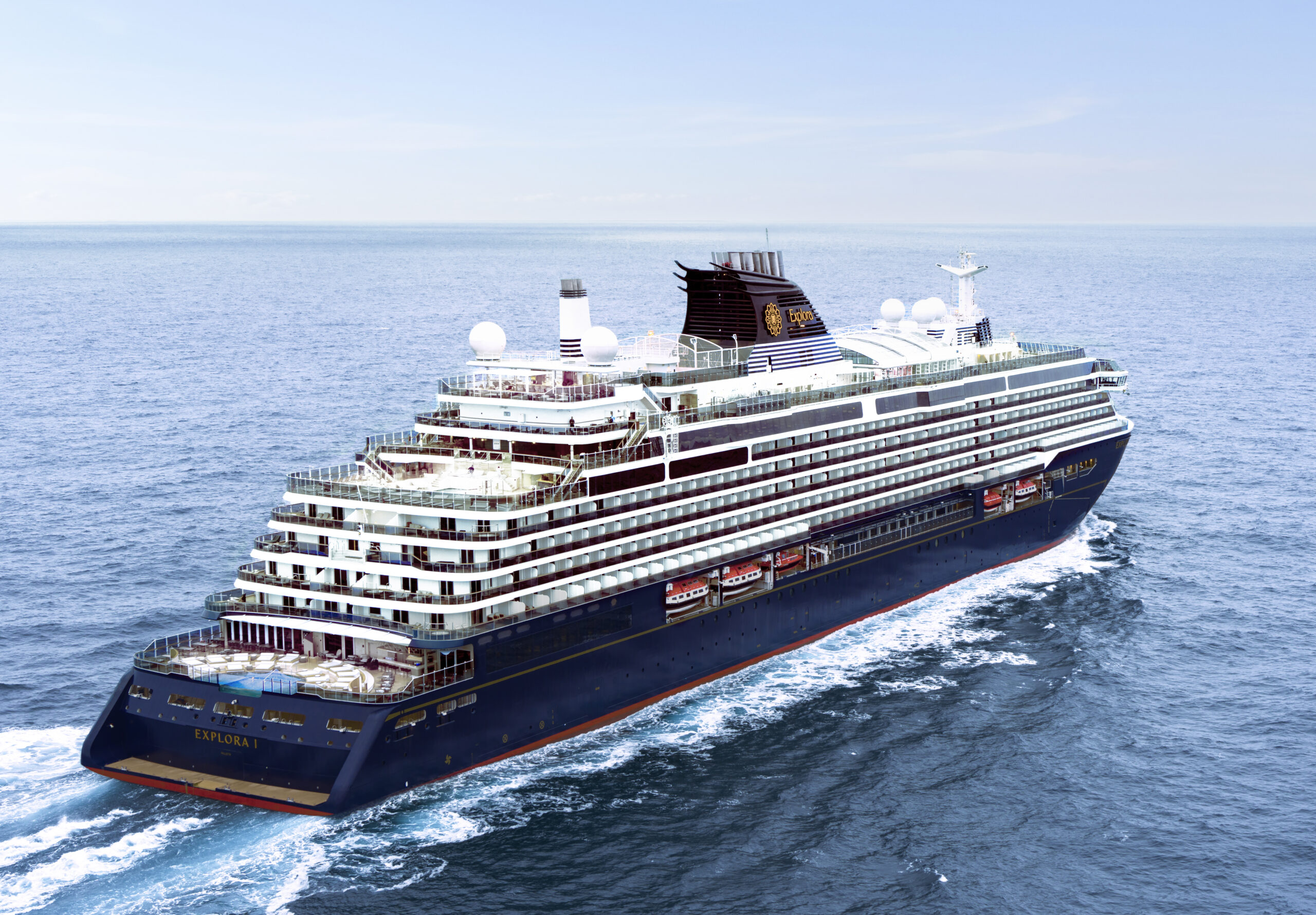
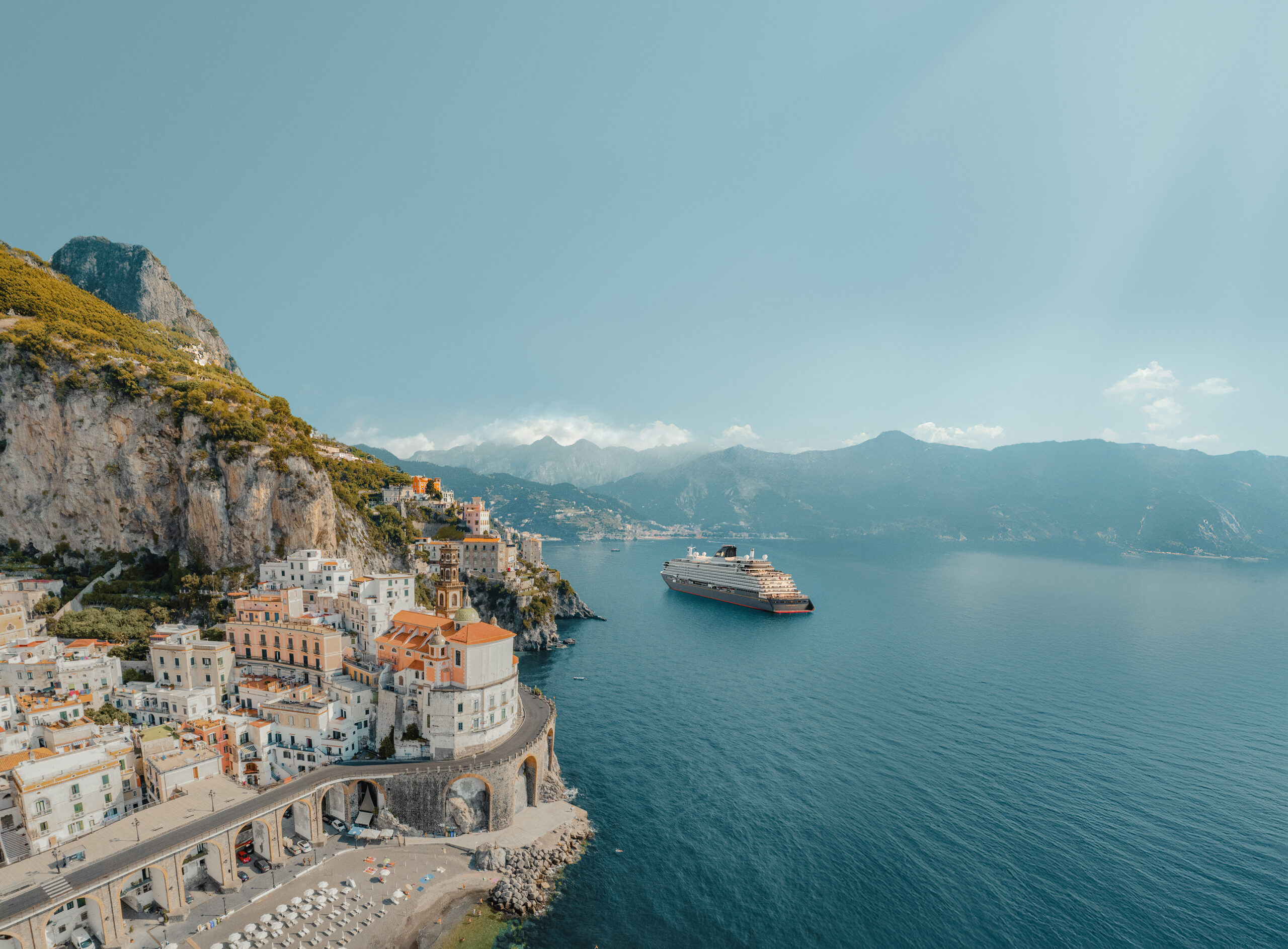
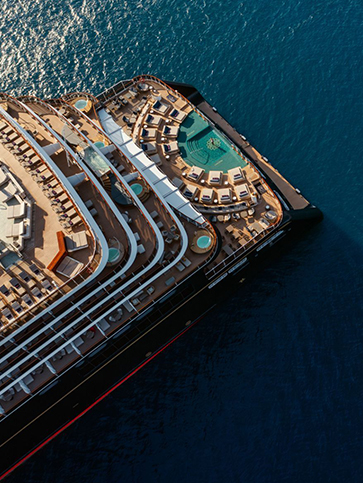
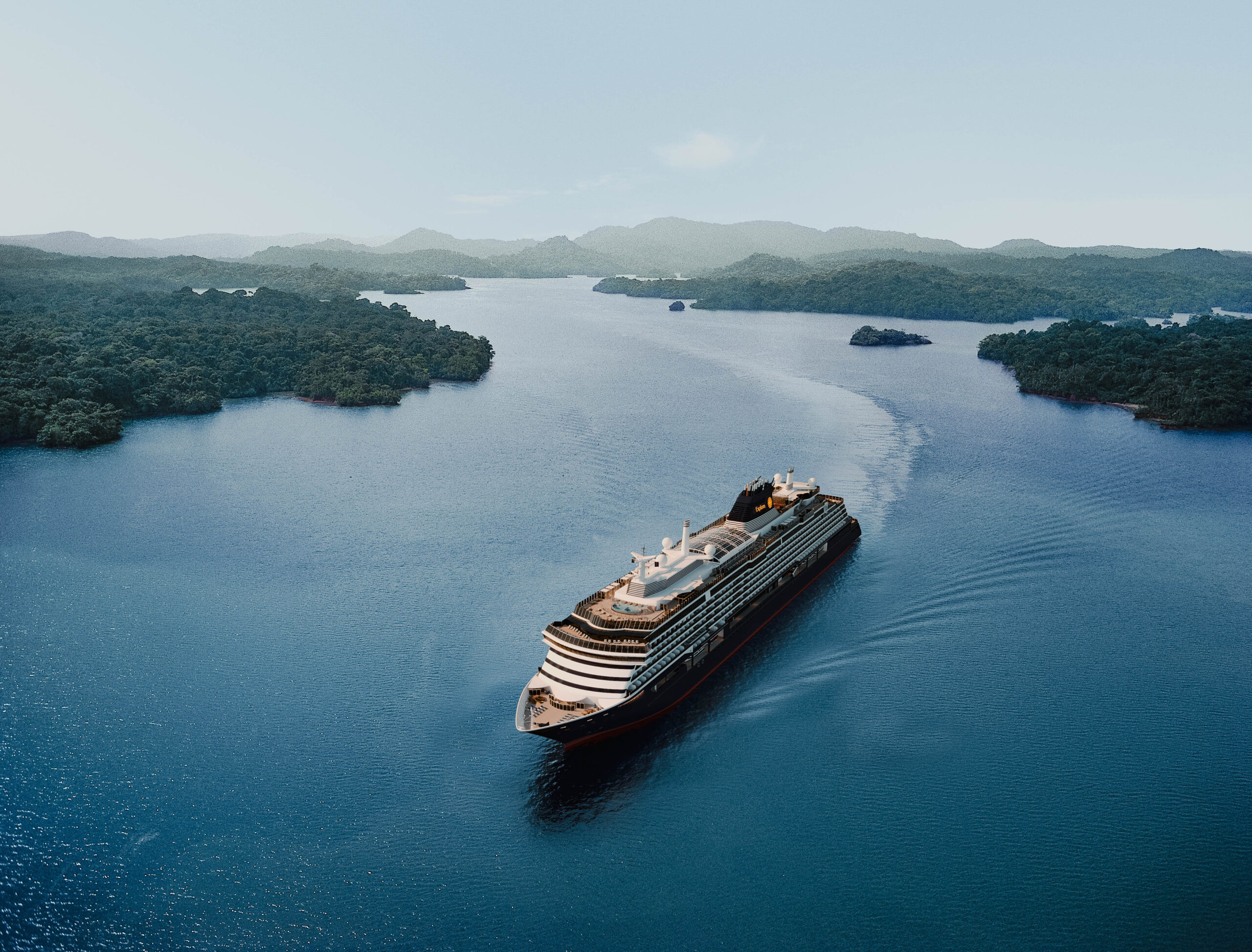
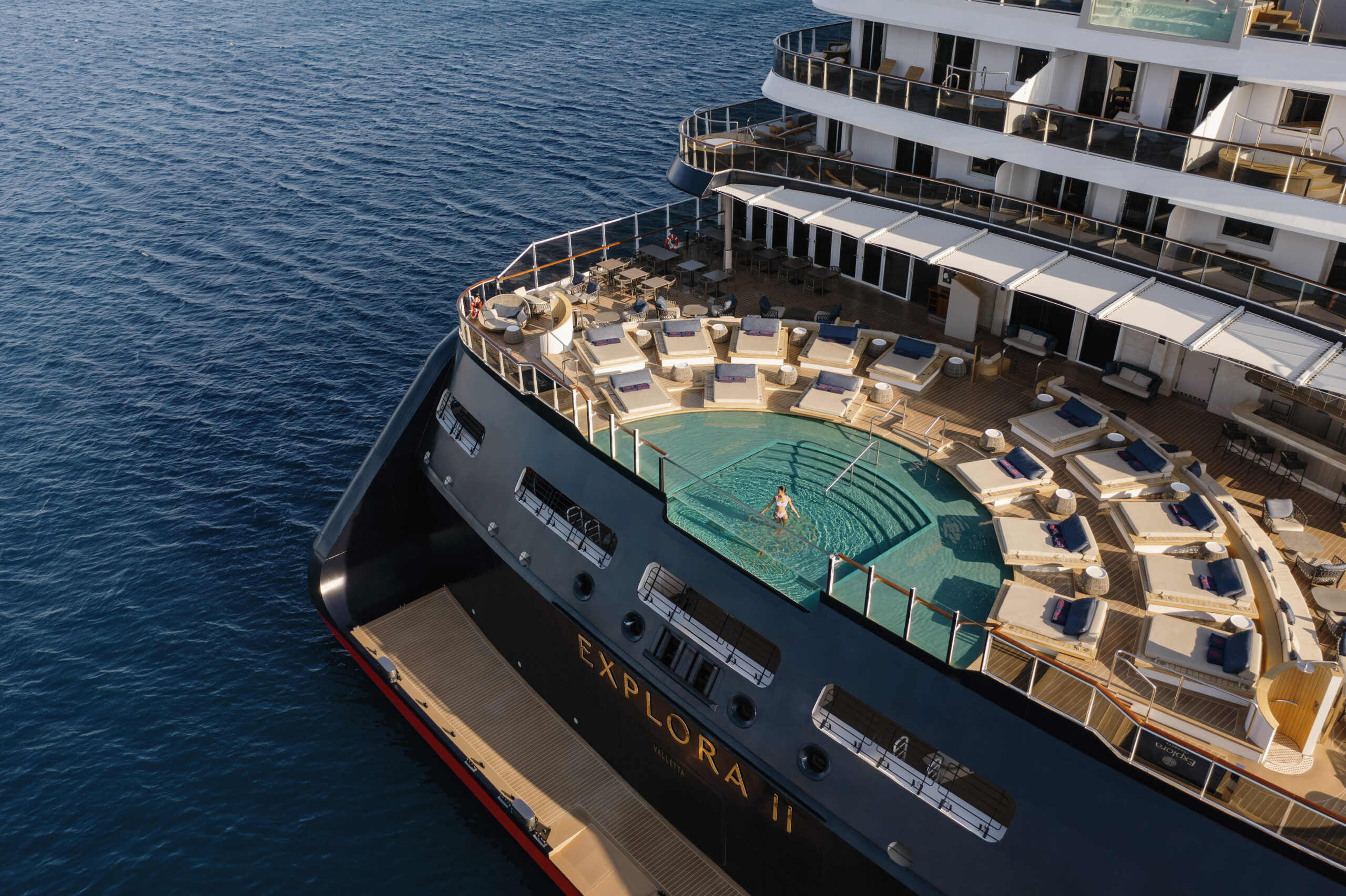
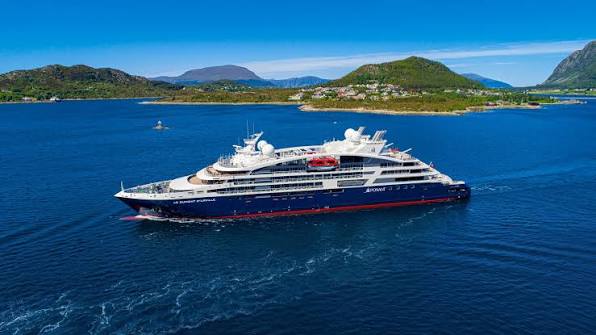
When luxury goes exploring, you are on a Regent ship. Seven Seas Explorer takes the Regent experience one step forward.
Just 746 guests enjoy the perfect balance of space and intimacy
on Seven Seas Explorer. With plenty of comfort and great value for
money, she steps up the classic Regent luxury offering with their
signature spacious accommodation, a relaxed and unpretentious style
and loads of good dining choices. The most all-inclusive of all
luxury lines.
Hong Kong is a fantastic place to begin or end a cruise, a striking mix of ancient and modern, Chinese and British, and there is a lot more to the city than just skyscrapers and high finance. On Hong Kong Island itself you'll find the bustling financial centre of Central district, the more traditionally Chinese Western district and the shops of Causeway Bay, while on the mainland Kowloon Peninsula the district of Tsim Sha Tsui is where most of Hong Kong's best hotels are located, and the atmospheric markets of Mong Kok are just to the north.
Manila is a sprawling, chaotic conglomeration of soaring skyscrapers, faded colonial facades and ramshackle slums, and it’s certainly not everyone’s cup of tea. But if you have the stamina and an inquisitive nature, there is plenty to be enjoyed in the Philippines’ boisterous capital.
Coron is the name of both the largest town on Busuanga Island, in Palawan province, and of a smaller island just offshore. This region is the ancestral home of the Tagbanua people, and the waters surrounding the islands offer some excellent diving, with numerous Japanese shipwrecks from the Second World War lurking on the seabed.
Puerto, as the locals call it, is the capital of Palawan province, founded by the Spanish in 1872. The city is the only major metropolis in this otherwise pristine and sparsely populated region, and the main attraction here is the spectacular Subterranean River National Park just to the north.
Indonesia’s capital is noisy, chaotic and choked with some of the worst traffic in Asia, a sprawling megacity that’s home to over 10 million people. If you can get past all of that then Jakarta has plenty to offer, with the country’s best museums and restaurants, an atmospheric old harbour and a rich mix of cultures from all over the Indonesian archipelago.
The sweltering city of Semarang, on the north coast of Java, is an intriguing mish-mash of Chinese, Islamic and Dutch colonial influences. We recommend escaping the heat with a trip up into the mountains to visit a coffee plantation, or joining an excursion to the extraordinary temple complex at Borobudur.
Surabaya, situated on the northeast coast of Java, is Indonesia’s second largest city and the place where the country’s struggle for independence began. The warren-like Arab Quarter is worth exploring, though many visitors use the city as a base for visiting nearby Mount Bromo.
Celukan Bawang is the main port in northern Bali, with quite a different feel to the more touristy parts of the island. Here you can see the magnificent Bugis schooners of Sulawesi, and nearby sights include the former Balinese capital of Singaraja, the wildlife sanctuary of West Bali National Park and the black sand Lovina Beach.
The beaches, spectacular volcanic scenery and lush green rice terraces lend Bali a natural beauty that seems to dovetail perfectly with the island’s distinct Hindu culture, which adorns the landscape with stunning temples.
Komodo Island is situated within an area of spectacular natural beauty, home to the famous Komodo dragon. The stunning beaches are tinged with pink thanks to the high concentration of red coral just offshore, and the waters draw intrepid divers from all over the world.
Quieter and less developed than neighbouring Bali, the island of Lombok is an appealing alternative. To the north, the landscape is dominated by the huge crater of Gunung Rinjani, while the south and west coasts are home to some stunning beaches.
The city of Probolinggo is located on the north coast of East Java, and is the jumping off point for excursions to Bromo-Tengger-Semeru National Park. The sight of smouldering Mount Bromo and Mount Semeru, looming over the fertile volcanic plains, is a highlight of any trip to Indonesia.
Malaysia’s capital is a hot and humid cultural melting pot, defined by its distinctive Malay, Chinese and Indian communities. The dazzling Petronas Towers are KL’s most recognisable landmark, while at street level you’ll find temples and mosques, elegant colonial buildings and bustling markets.
The Malaysian island of Penang is a fascinating blend of East and West, far more than just a beach destination. Lovely Georgetown, a UNESCO World Heritage Site, is home to British colonial architecture, crumbling Chinese shophouses and incense-perfumed temples.
As well as a plethora of luxury resorts, Phuket has a charming old town replete with pretty Sino-Portuguese architecture, and acts as a jump-off point for exploring nearby islands and coastline. Koh Phing Pan, better known as James Bond Island, and Ko Phi Phi are breathtakingly beautiful, as are the limestone formations that surround Krabi.
Laid-back Langkawi boasts some of Malaysia’s finest beaches, and it’s a place where the traditional kampung (village) way of life survives in spite of the island’s development as a tourist destination. It’s also a popular spot for snorkelling and scuba diving thanks to the clarity of the surrounding waters.
Singapore’s heritage as an important trading post means that there is a real cultural mix, with four official languages: English, Chinese, Malay and Tamil. Step away from the gleaming towers and you’ll find yourself transported into another world amongst the intoxicating streets of Chinatown and Little India.
Attracting everyone from budget backpackers to ostentatious oligarchs, Koh Samui is one of Thailand’s most popular islands. It’s no surprise, given the truly stunning beaches, but the more developed areas such as Chaweng have lost a lot of their charm, so head for the quieter south and west if you can.
Thailand’s sprawling capital is an assault on the senses, an invigorating blend of tradition and modernity. Soaring skyscrapers, air-conditioned shopping malls and an efficient public transport system combine with shimmering golden temples, ancient palaces, floating markets and at times gridlocked rush hour traffic.
Saigon, as it was known then, was the capital of the South during the Vietnam War, and American-style capitalism has been embraced more enthusiastically here than in the North, with a clutch of shining skyscrapers standing as testament to Vietnam’s surging economic growth.
Wander along the perfumed streets of Hanoi’s atmospheric Old Quarter and you could almost forgive yourself for thinking you’d travelled back in time, were it not for the beeping, buzzing morass of motorcycles zipping past.
Hong Kong is a striking mix of ancient and modern, Chinese and British, and there is a lot more to the city than just skyscrapers and high finance. It's also a fantastic destination for foodies, a melting pot of culinary influences from around Asia and beyond.
Keelung is a fairly unremarkable port city close to Taipei, Taiwan’s capital. Taipei draws on an interesting mix of Chinese, Japanese and Western influences, and is home to attractive temples, a burgeoning street food scene and Taipei 101, which was the world's tallest building until it was eclipsed by Dubai's Burj Khalifa in 2010.
Ishigaki is the most developed of the Yaeyama islands, an idyllic tropical archipelago located closer to Taiwan than mainland Japan. The offshore coral reefs make this a popular spot for diving and snorkelling, while the jungle interior offers some great hiking opportunities.
Booming Shanghai has long been China’s most outward-looking, cosmopolitan city, as evidenced by the fascinating mixture of European and Asian architecture. The Bund, a riverfront promenade flanked by grand colonial era buildings, is the city's most famous thoroughfare, while the Pudong financial district lights up the city skyline at night with its futuristic towers.
The friendly southern Japanese city of Kagoshima enjoys a balmy climate, and sits just across the bay from the very active Sakurajima volcano, which erupts so regularly that an ‘ash forecast’ is included in local weather reports.
Three days after Hiroshima was flattened by an atomic bomb, Nagasaki suffered the same horrifying fate. The reconstruction of both cities has been quite extraordinary; Nagasaki today is a vibrant, cosmopolitan place, with a fascinating history that goes back a lot further than 1945.
Incheon serves as a transport hub for Seoul, South Korea's captivating capital. Seoul is a dynamic metropolis where you can still find tea shops and temples amongst the skyscrapers and neon signs, and the culinary scene is superb, from street food to world class haute cuisine.
The semi-tropical island of Jeju is one of South Korea’s best kept secrets, a popular holiday destination for domestic travellers but little known outside of Asia. The craggy volcanic landscape, tangerine groves and beautiful beaches make this a lovely place to spend some time exploring.
Three days after Hiroshima was flattened by an atomic bomb, Nagasaki suffered the same horrifying fate. The reconstruction of both cities has been quite extraordinary; Nagasaki today is a vibrant, cosmopolitan place, with a fascinating history that goes back a lot further than 1945.
The friendly southern Japanese city of Kagoshima enjoys a balmy climate, and sits just across the bay from the very active Sakurajima volcano, which erupts so regularly that an ‘ash forecast’ is included in local weather reports.
Steam rises over the spa town of Beppu, home to numerous onsen (hot springs) and the surreal red waters of the macabre-sounding ‘blood pond hell’. Beppu is also close to Mount Aso, the largest active volcano in Japan, and the ancient temples of the Kunisaki Peninsula.
On 6 August 1945 the world witnessed the terrifying power of nuclear weapons for the first time, unleashed on the unsuspecting Japanese city of Hiroshima. The modern city's sobering Peace Memorial Park commemorates that fateful day, which left more than 140,000 dead.
The small, laid back city of Kochi is situated on the south coast of Shikoku island, an important place of pilgrimage for Japanese Buddhists. Three of the 88 temples on the pilgrimage route are in Kochi, and the city is also known for its elegant 17th century hilltop castle.
Osaka, Japan’s third largest city, is a pulsating commercial hub, famous for its food, and the cityscape rivals Tokyo for neon-lit futurism. If you need respite from the urban sprawl seek out Osaka Castle and the surrounding Nishinomaru Garden, a particularly pretty spot during the cherry blossom season.
Shimizu is one of the most spectacular ports in Japan, a sweeping bay in the shadow of the iconic Mount Fuji. You can spend some time admiring the views and wandering through peaceful pine groves, or visit the unique Shimizu Sushi Museum at the S-Pulse Dream Plaza shopping mall.
In a state of constant renewal and forever looking to the future, densely populated Tokyo is a dazzling introduction to Japan and its utterly unique culture. With more neon than Las Vegas and more Michelin stars than Paris, it’s a real assault on the senses.