From Southampton to Southampton · Mediterranean · 12 nights
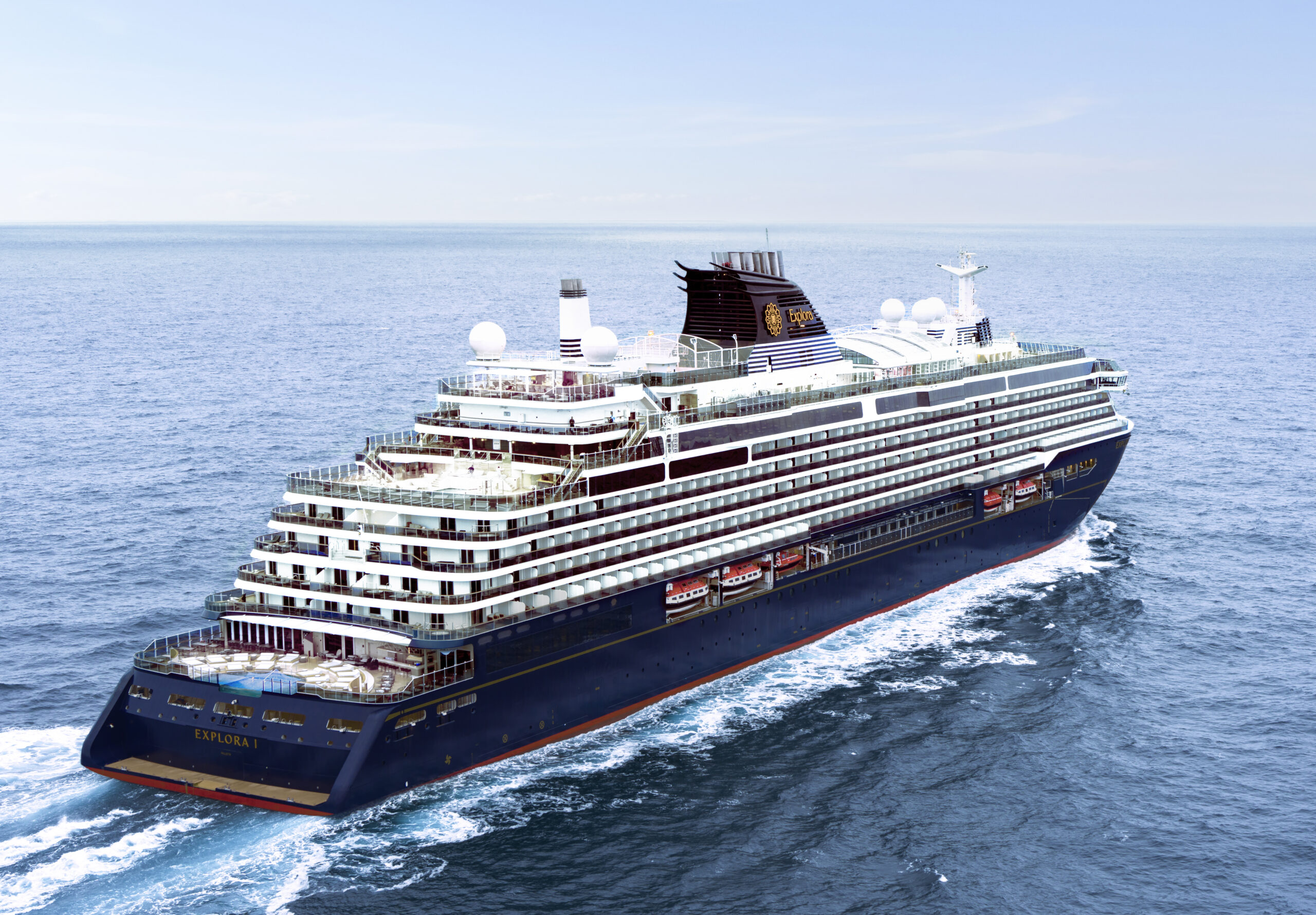
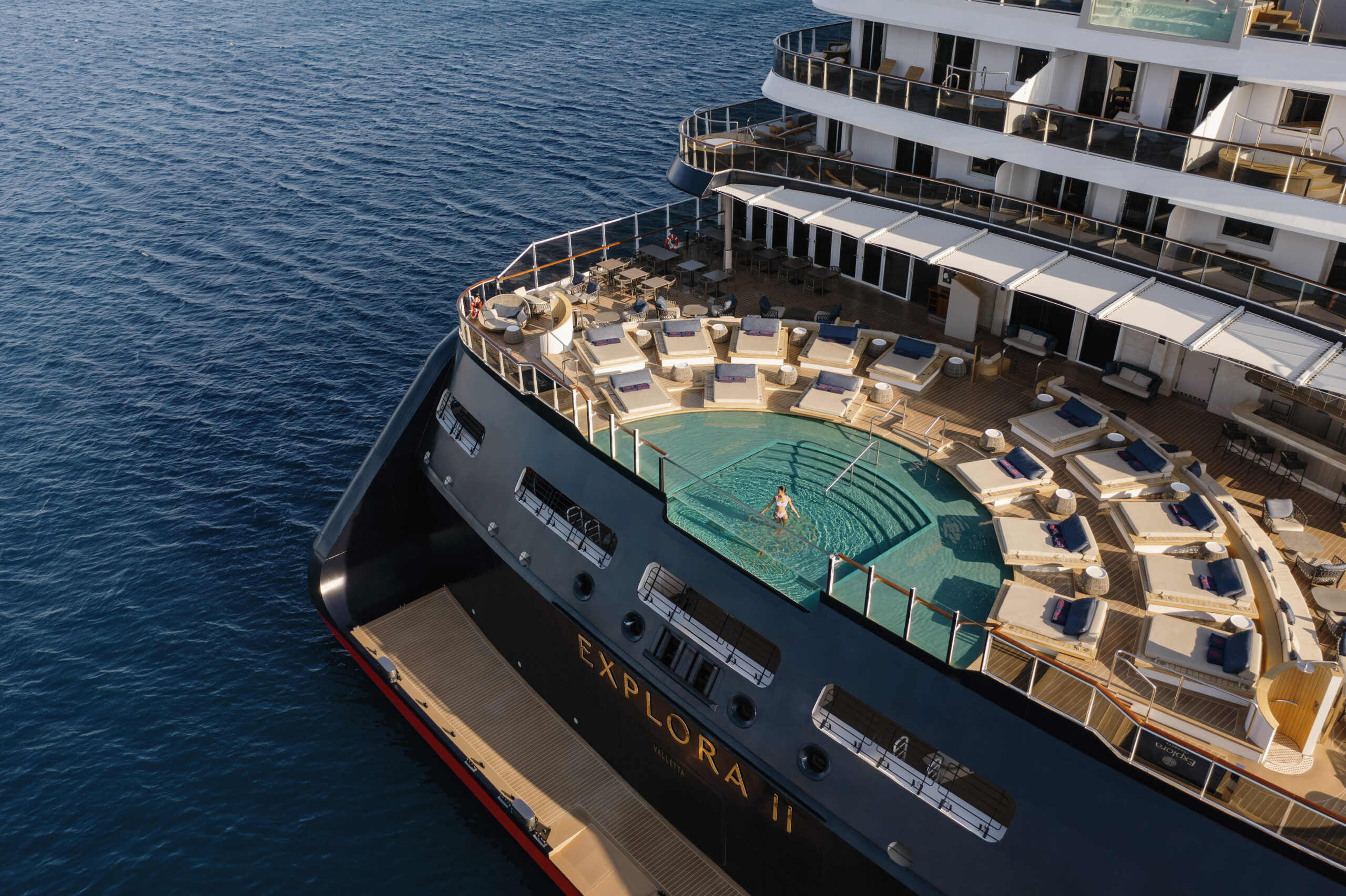
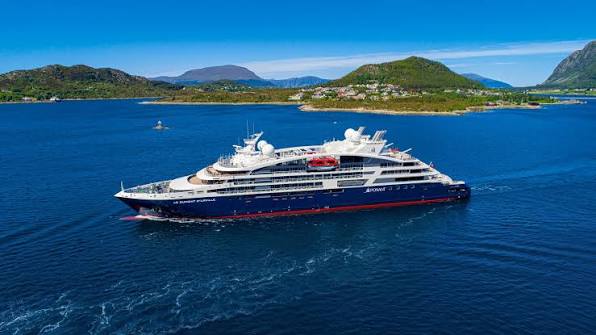
When luxury goes exploring, you are on a Regent ship. A close sister to Seven Seas Mariner, the first ever all suite all veranda ship, Seven Seas Voyager is the perfect balance of wonderfully luxurious yet delightfully laid-back.
Just 698 guests enjoy the perfect balance
of space and intimacy. With plenty of comfort and great value for
money, the Voyager offers everything you could wish for: spacious
accommodation, a relaxed and unpretentious style and loads of good
dining choices. The most all-inclusive of all luxury lines.
Southampton is the UK's leading port. Bustling modern cruise terminals, as well as wharfs and commercial harbours, line the waterfront, whilst the city itself is a fascinating mix of ancient and modern, with a picturesque old town, the original city walls still standing, and super-modern shopping centres and office complexes. On all corners you will see tributes to the city's rich history and maritime heritage. Henry V marched his troops through the Westgate on his way to the battle of Agincourt, The Mayflower sailed from here with a cargo of settlers to the New World, and the Titanic started her fateful voyage here.
Falmouth has one of the deepest natural harbours in the world, and you can learn about the town’s seafaring heritage at the excellent National Maritime Museum. There are some lovely pubs, cafés and seafood restaurants here, and it’s also a good base for exploring Cornwall’s south coast.
The pretty town of Saint-Jean-de-Luz is one of the highlights of the French Basque Country, on a crescent-shaped bay between Biarritz and the Spanish border. The streets of the old town are filled with charming timbered houses, and there are some great restaurants where you can sample Basque cuisine.
It’s not so long ago that Bilbao was a grim and unappealing place, scarred by heavy industry, but the Basque Country’s biggest city has reinvented itself as a cultural hub since the opening of the shimmering Guggenheim Museum in 1997.
Lorient is an important fishing harbour and port on the Brittany coast, once home to the French East India Company, and was heavily damaged during the Second World War due to the presence of a German U-boat base. This is an excellent region for fresh seafood, and nearby attractions include the pretty Breton town of Quimper.
Saint-Malo grew rich off the back of maritime trade and its plundering corsairs, a seafaring heritage that is still proudly on display today. It’s great fun getting lost in the streets of the walled old town, and the famous medieval abbey of Mont Saint-Michel is an easy day-trip.
The island of Guernsey draws visitors south from the British mainland with its more favourable climate and beautiful coastline. The capital, St Peter Port, is a lovely little town of cobbled streets and elegant architecture, and there are also several interesting museums dedicated to the island’s occupation by the Nazis during the Second World War.
Le Havre was more or less flattened during World War II, which makes the city’s UNESCO World Heritage status all the more remarkable. Rebuilt by the Belgian architect Auguste Perret, Le Havre is now characterised by a striking modernist style; don’t miss the towering, concrete Église St-Joseph.
Southampton is the UK’s leading port. Bustling modern cruise terminals, as well as wharfs and commercial harbours, line the waterfront, whilst the city itself is a fascinating mix of ancient and modern, with a picturesque old town, the original city walls still standing, and super-modern shopping centres and office complexes