From Copenhagen to Reykjavik · Northern Europe · 13 nights
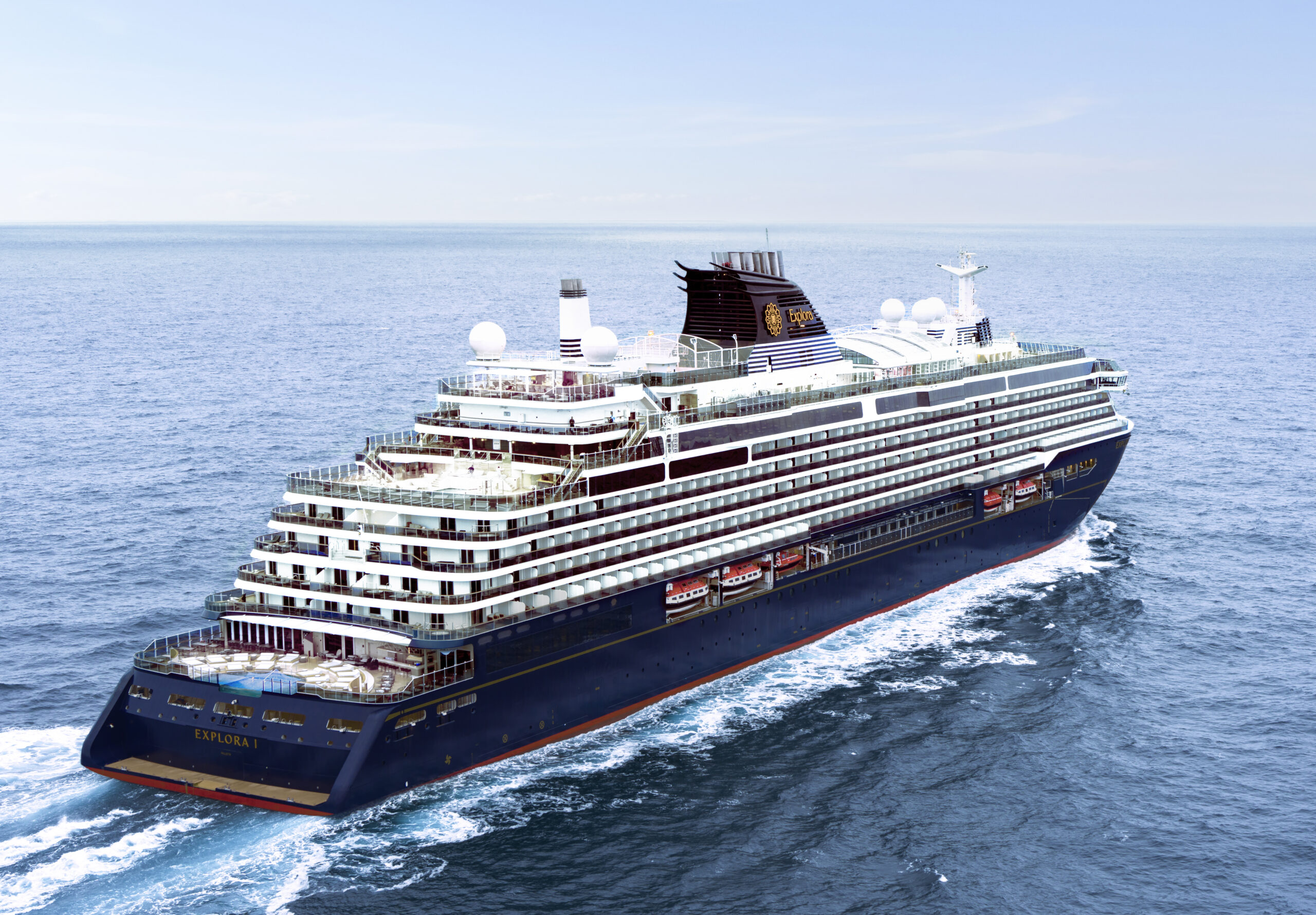
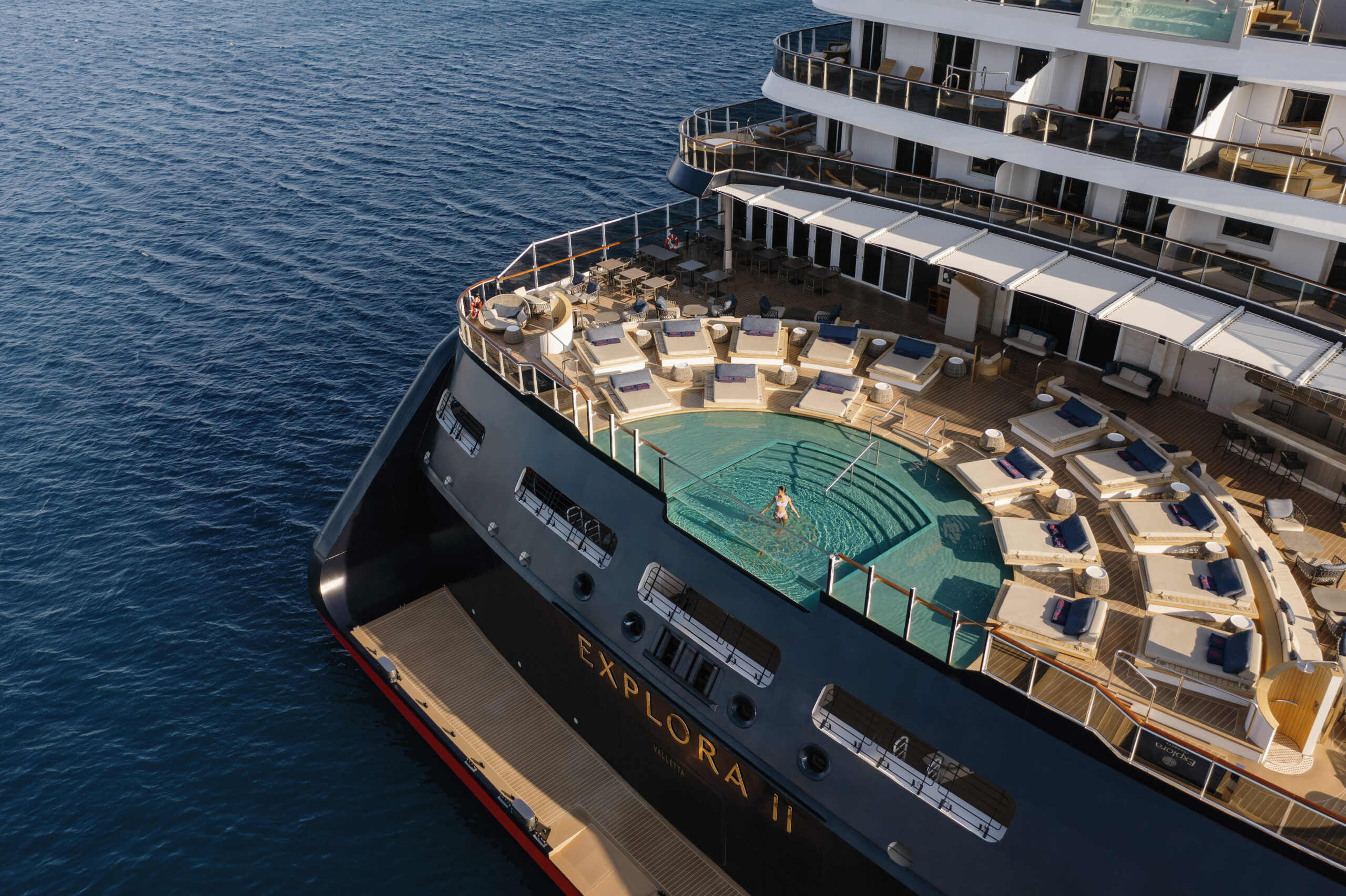
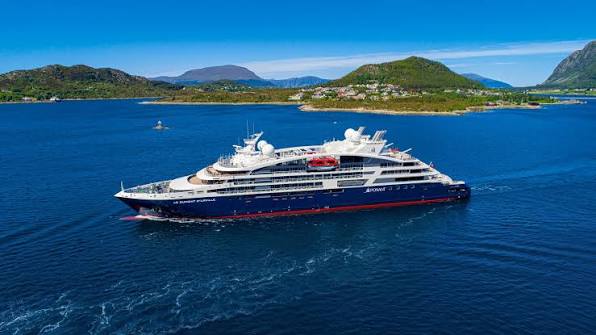
Purpose built for Oceania and bursting with style, sister ships Marina & Riviera are the perfect combination: small enough to be friendly and large enough to offer great facilities.
Above all, we love the fact that these ships are packed full of
fabulous stuff – loads of amazing dining options, a collection of
amazing artworks, wonderful learning opportunities and great
accommodation. All of this is combined with the Oceania signatures:
well-designed port intensive itineraries, great food, and a relaxed
ambience.
With a history that dates back to 1043, this small city is full of historic landmarks, significant buildings and interesting sights and museums. It is of course also a history that sits alongside the height of modern Danish design. It is great to explore on foot, by bicycle or by water. Be sure to visit Amalienborg Palace and to walk down the famed shopping street (Strøget). The pretty harbour of Nyhavn is a great location to stop for coffee or lunch and watch the world go by. And of course highlights include the Tivoli Gardens, and the (surprisingly) tiny statue of The Little Mermaid.
Gothenburg, or Goeteborg locally, is Sweden’s laid back second city, a delightful mix of cobbled streets, neoclassical architecture and picturesque canals. The old town is full of history, with some interesting museums, and the thriving arts scene has helped to revitalise the city’s previously run-down industrial districts.
The intriguing city of Oslo, Norway’s capital, has so much to offer, from the open air Norwegian Folk Museum to the amazing Vigeland sculpture park, and from the Holmenkollen Ski Museum to the Munch Museum’s collection of memorable paintings. History, art and culture are what defines this lovely city.
You might not expect to find a beach resort in Norway, but the sunny city of Kristiansand is where Norwegians go for a spot of fun by the seaside. There are plenty of family-friendly attractions, including a zoo, and it’s also a good base for exploring the pretty fishing villages of the south coast.
Stavanger originally grew rich from its fishing industry, though these days it’s Norway’s oil boom that is powering the city’s economic growth. In spite of this modern gold rush the historic centre of Stavanger retains its charm, and the spectacular Lysefjord is within easy reach of the city.
The little town of Måløy is a major fishing port, on the sheltered eastern side of Vågsøy island. Nearby sights include the Kannesteinen rock, sculpted by the sea into a bizarre mushroom-like shape, while further afield is the Jostedalsbreen National Park, home to continental Europe’s largest glacier.
Tórshavn, named after the Norse god Thor, is one of the world’s smallest capitals, with a population of just 20,000. The brightly coloured facades and turfed roofs lend the harbour an attractive, storybook quality, and the narrow streets are home to some atmospheric pubs and cafés.
Djúpivogur is a little fishing village on the east coast of Iceland, at the mouth of a steep fjord, and has recently joined the ‘slow city’ movement, the first place in Iceland to do so. A popular excursion is the boat trip across to Papey island, where you’ll find thousands of seabirds and Iceland’s oldest wooden church
Seyðisfjörður is one of the highlights of Iceland’s Eastfjords, a cute collection of colourful houses at the head of a dramatic fjord. The backdrop of snowy mountains and cascading waterfalls makes this one of the most picturesque ports in Iceland, and the town is surprisingly cosmopolitan.
Akureyri is Iceland’s second city, though with just 18,000 inhabitants it’s really more of a small town. Situated on the north coast at the head of Iceland’s largest fjord, it’s a cute and quirky place that also serves as a base from which to explore the bubbling mud pools and lunar landscapes around Lake Mývatn.
Ísafjörður is the largest town in Iceland’s wild Westfjords, dramatically located on a spit of sand hemmed in by mountains on three sides. The town itself is fairly low key, and the main attraction is exploring the surrounding landscapes, such as the spectacular Hornstrandir Peninsula.
Capital of Iceland and gateway to this extraordinary volcanic island, modern Reykjavík is home to an impressive collection of interesting attractions and places of historic significance. Visit the impressive Hallgrímskirkja church, relax in a thermal pool, potter around the old harbour, and enjoy 24 hour daylight in the summer months.