From Dubrovnik to Valletta · Mediterranean · 9 nights
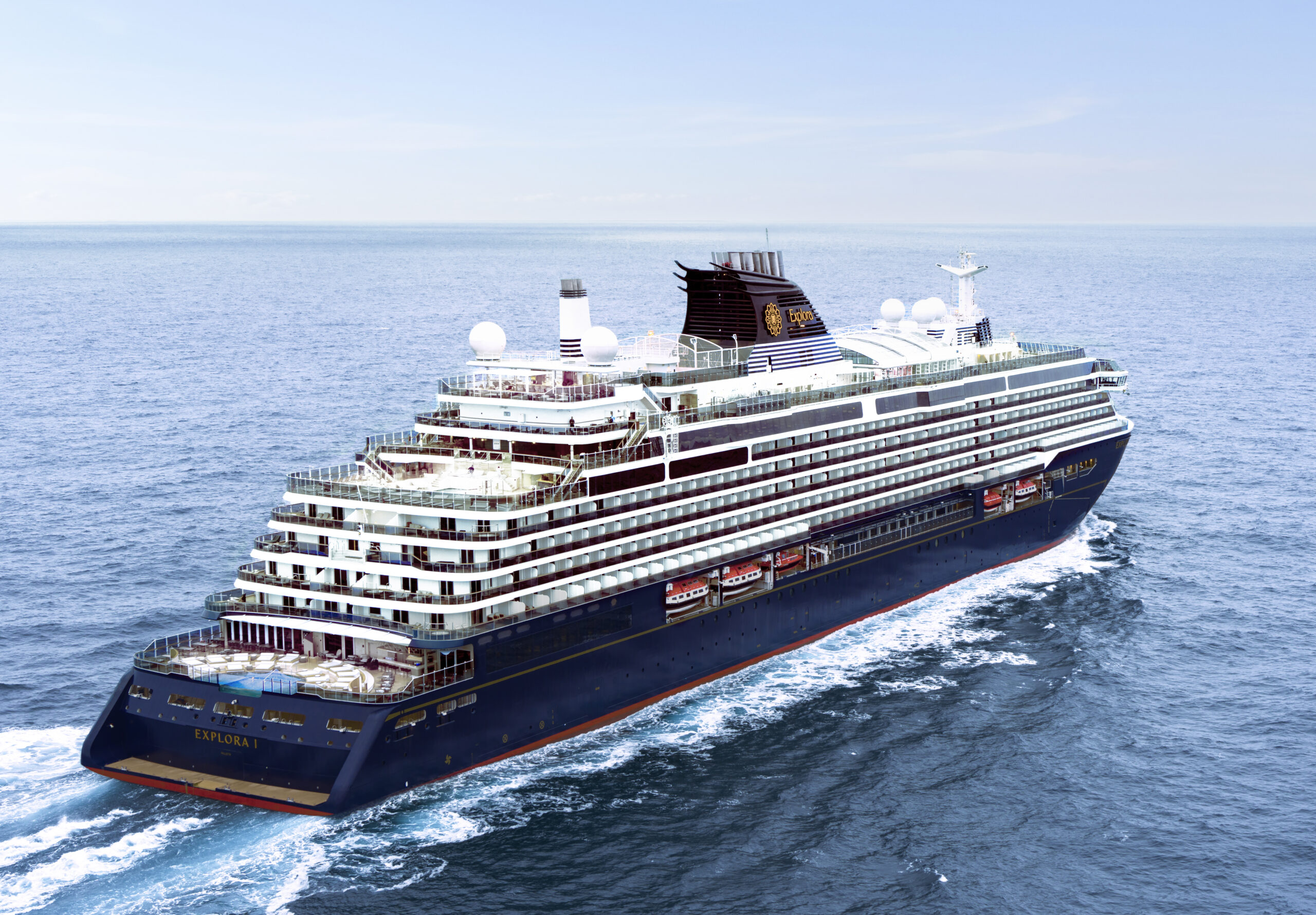
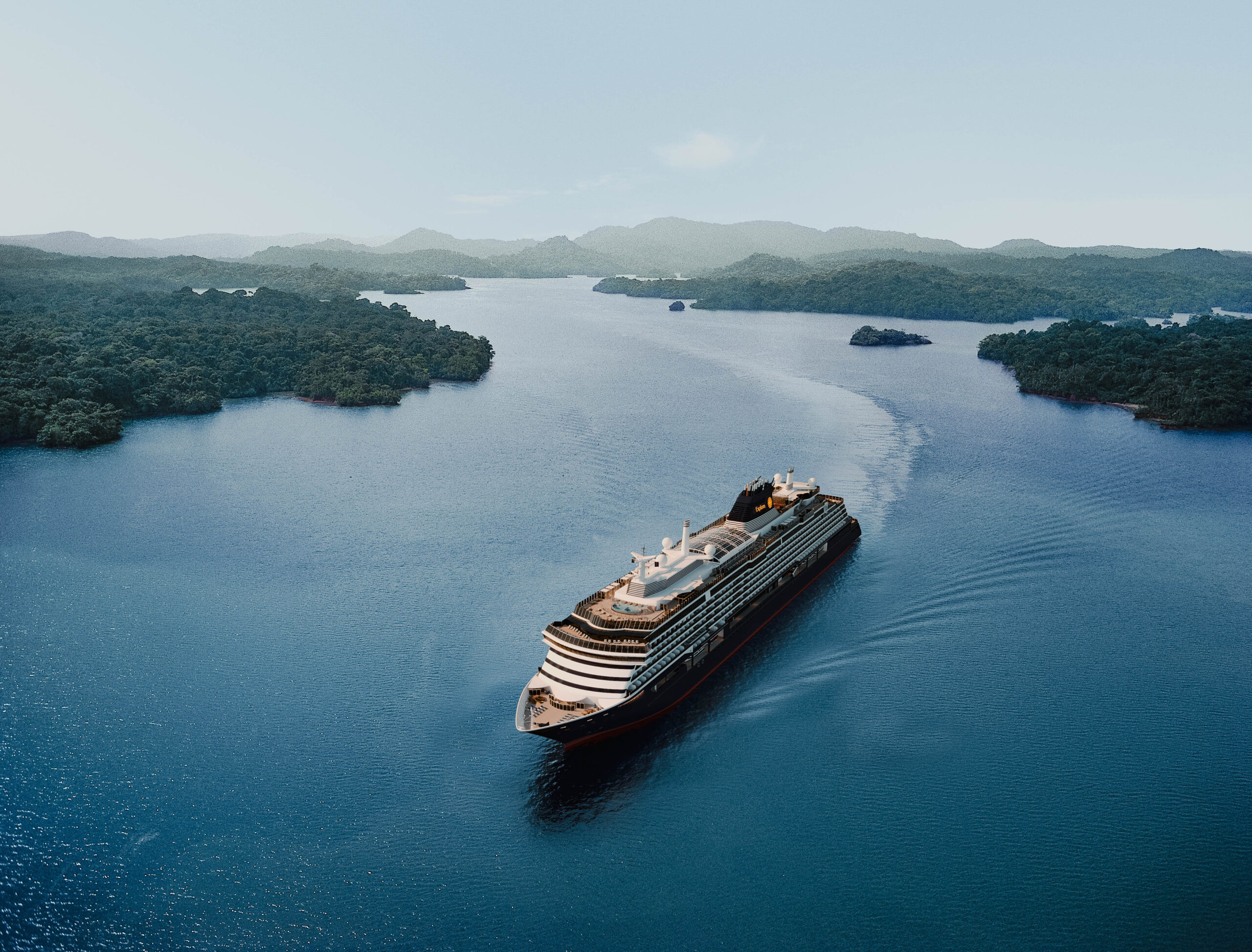
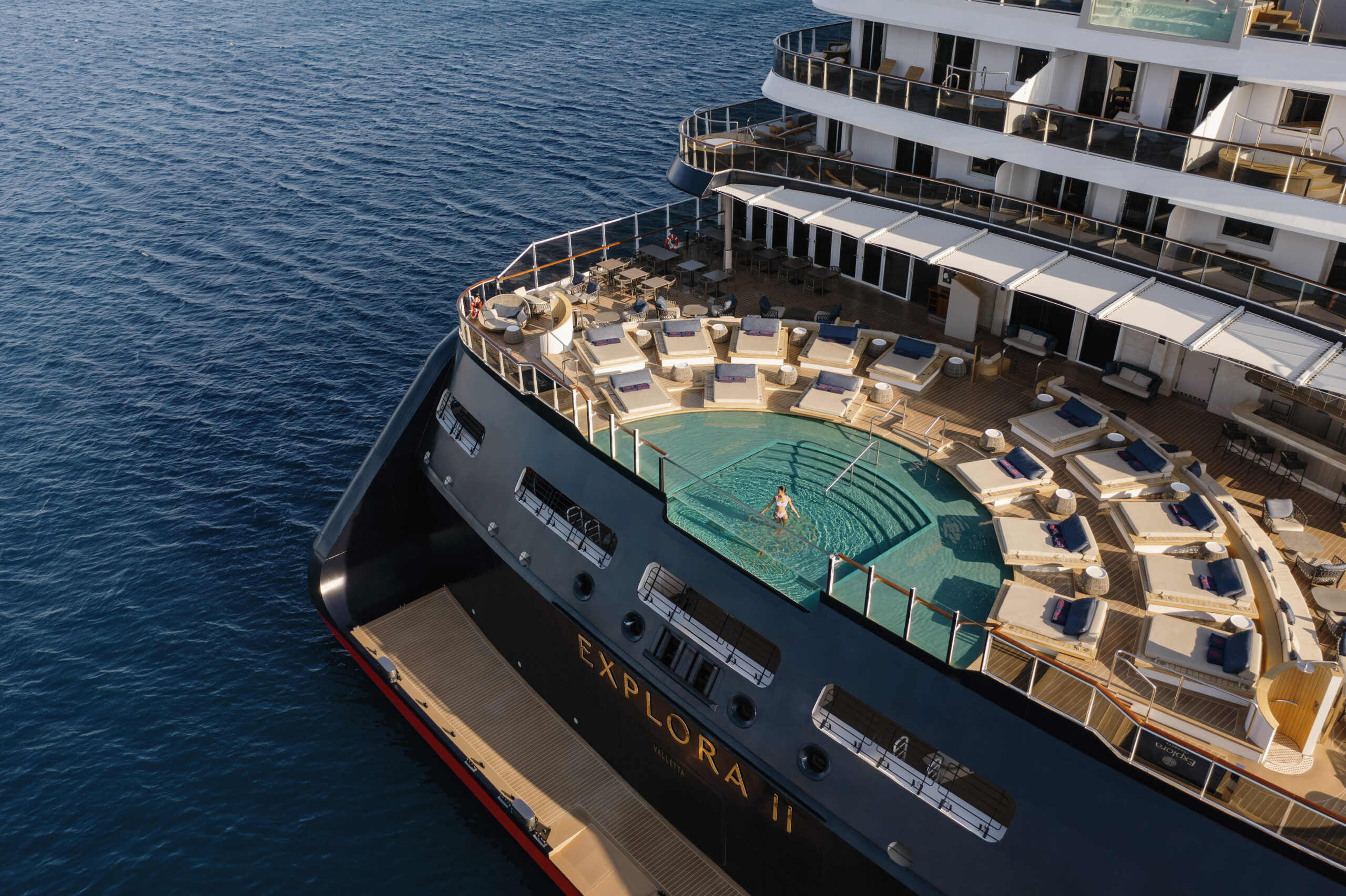
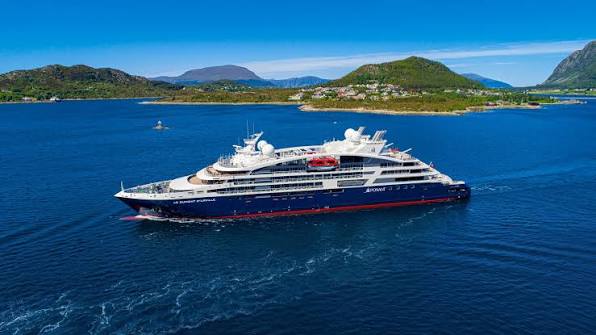
Sleek and stylish, Ponant’s wonderful Explorer yachts blend luxury and intimacy with a discreet elegance and tasteful décor.
Named after six of France’s most famous explorers, Le Champlain,
Le Lapérouse, Le Bougainville, Le Dumont d’Urville, Le Bellot and
Le Jacques Cartier offer exciting and adventurous itineraries in
the utmost comfort. Technologically advanced, with the latest in
environmentally friendly hardware, the new ships embody Ponant’s
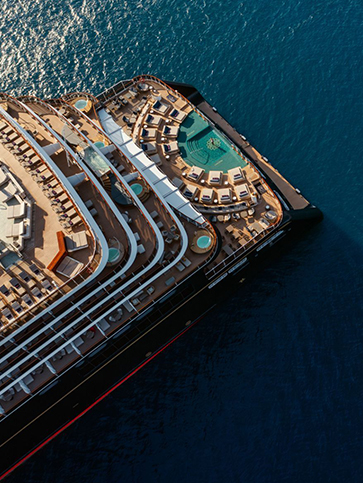
trademark élan and flair, with just 92 spacious rooms and suites, a
stylish pool deck and an intimate, refined onboard ambience.
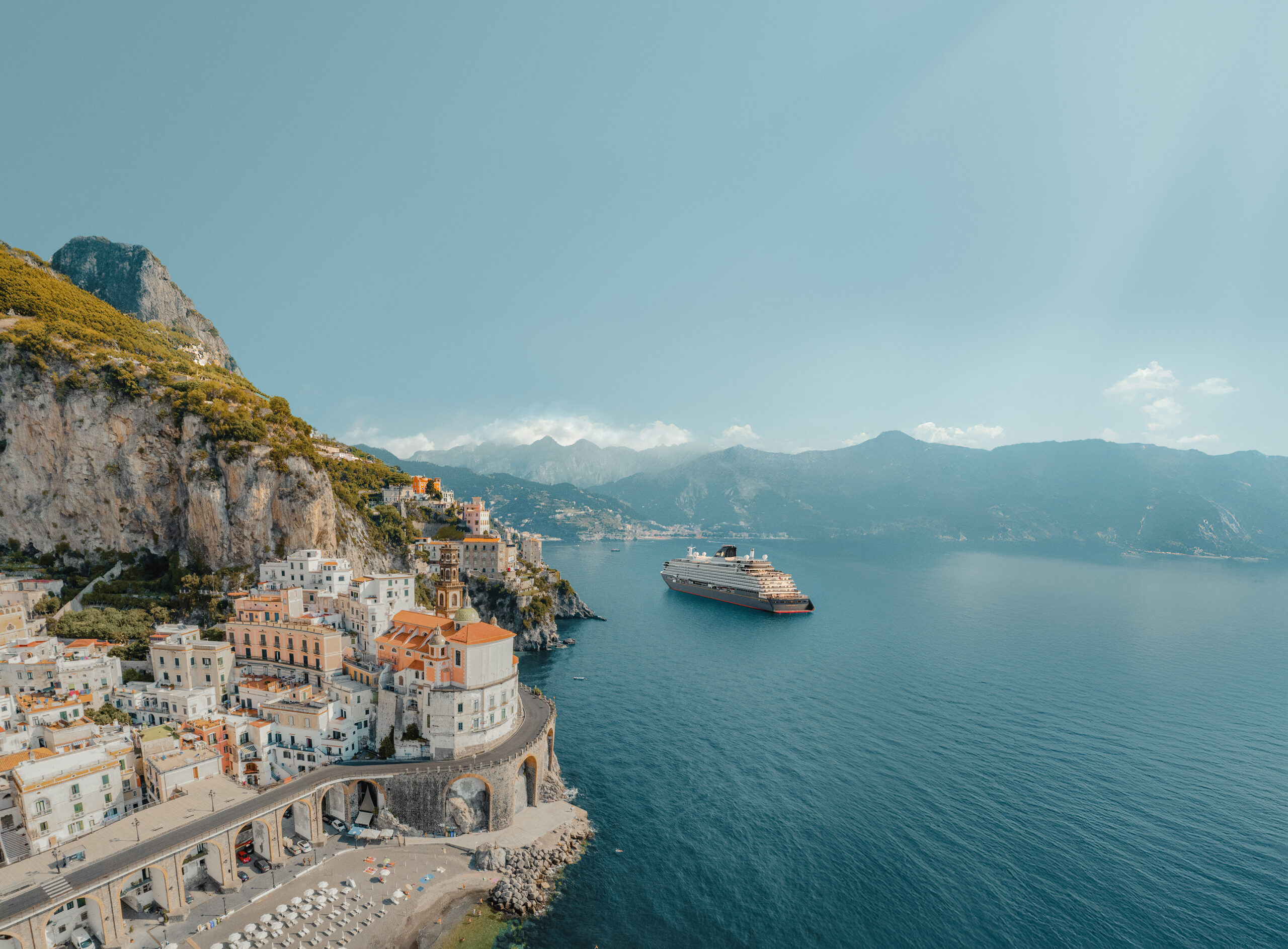
We never fail to be moved when we see the terracotta roofs and honey-golden walls of Dubrovnik, and a stroll around the perfectly preserved old town is a highlight of any visit to the Dalmatian coast. Formerly known as Ragusa, Dubrovnik is a city with a rich, and occasionally troubled, history; the shelling of the city was one of the most shocking images of the Balkan wars of the 1990s, which makes the painstaking restoration of the old town in the years since all the more remarkable. Make sure you take the time to walk around the walls and soak up the views across the rooftops towards Lokrum island, and the deep sapphire of the Adriatic Sea beyond.
Draped in vineyards and olive groves, the verdant Croatian island of Korcula is famous for its white wine and is said by some to be the birthplace of Marco Polo. The main settlement, Korcula Town, bears more than a passing resemblance to Dubrovnik, with a historic centre encircled by medieval walls and towers.
The beautiful, forest-clad island of Mljet lies off the southern Dalmatian Coast, and is said to be the place where Odysseus was held captive for seven years by the nymph Calypso. The western part of the island is a national park, where popular activities include cycling and kayaking.
Of all Croatia’s myriad inhabited islands, Vis is the furthest from the mainland, and was off-limits to tourists for many years, reserved for the Yugoslav military. The resulting lack of development is a big part of the island’s appeal, along with stunning scenery, excellent food and wine, and the attractive little towns of Komiza and Vis Town.
Of all Croatia’s myriad inhabited islands, Vis is the furthest from the mainland, and was off-limits to tourists for many years, reserved for the Yugoslav military. The resulting lack of development is a big part of the island’s appeal, along with stunning scenery, excellent food and wine, and the attractive little towns of Komiza and Vis Town.
Kotor sits at the head of a beautiful, fjord-like bay, hemmed in by glowering mountains. The compact, walled old town is Montenegro’s star attraction, a warren of little alleyways and shady squares that is often described as a ‘mini Dubrovnik’.
The pretty town of Parga sits on the Ionian coast of northwest Greece, on a sandy bay between two rocky outcrops. The pastel-coloured houses and lively seafront tavernas make this a pleasant place to spend some time, and points of historical interest include the hilltop Venetian castle.
The charming Puglian town of Gallipoli lies close to the bottom of Italy’s ‘heel’, with the modern town on the mainland connected by bridge to the walled old town, which sits just offshore on its own island. The cobbled streets are a delight to explore, full of beautiful baroque palazzi and enticing seafood restaurants.
Taormina enjoys a truly spectacular setting on Sicily’s east coast, perched on a mountainside looking out towards the smouldering Mount Etna. The medieval streets are pleasant but often crowded in high season, so we’d recommend getting out and exploring the surrounding countryside.
Malta’s tiny capital, established by the Knights of St John, packs in an awful lot of history considering its diminutive size. The atmospheric old streets, bathed in Mediterranean sunshine, are full of attractive honey-golden buildings, along with an impressive selection of bars and restaurants.